Winter care for indoor plants in Lahore comes down to one surprising idea: do less. From late November to February your money plant, rubber plant and palms hardly grow. The days are short, fog and smog dim what little sun we get, the nights turn cold, and the heater blows hot, dry air across the room. Most winter losses happen because we keep caring for plants the summer way.
This is the winter partner to our guide on keeping indoor plants alive through a Lahore summer; for the basics, see our indoor plant care guide. Here we cover only what changes when the cold arrives.
Why winter is different in Lahore
- Short days. December and January give us only about ten hours of daylight, from a low sun.
- Fog and smog. From November into January a grey haze can hang over the city for days, cutting the light even at midday and coating leaves in dust.
- Cold nights. January nights average around 6°C, cold spells bring 2–4°C, and some winters a light frost. Most indoor plants are tropical and start to suffer below about 10°C.
- Heaters. They warm the room but blow hot, dry air, and the room still cools sharply by dawn.
So the plant rests: it drinks less, barely grows and waits for spring. Good winter care works with that rest, not against it.
Winter care for indoor plants: seven golden rules
1. Water much less
Overwatering is the biggest winter killer. A resting plant in cool soil drinks very little, so a pot that dried out in three days in June can stay wet for two weeks in January, and cold, soggy soil rots roots. Water only when the top few centimetres feel dry to your finger, let it drain, and empty the saucer. Water in the morning, with room-temperature water rather than icy tap water.
2. Give them your brightest window
Move plants to your brightest window, usually one facing south or east. The low winter sun is gentle, so plants you kept back from the glass in summer can sit close to it now. Give each pot a quarter turn every week so it grows straight, and every couple of weeks wipe the smog film off the leaves with a damp cloth. If your flat is dim all year, see our guide to low-light indoor plants.
3. Keep them away from heaters and cold drafts
Keep plants a metre or two from any heater and out of its hot air, which crisps leaf edges within days. Cold drafts from busy doors and leaky windows do just as much harm. Glass gets very cold at night, so don't let leaves touch it; on the coldest nights, pull sill plants into the room so they stay on the warm side of the curtain.
4. Stop fertilising from November to February
A plant that isn't growing can't use fertiliser, and the unused salts build up in the soil and burn the roots. Feed for the last time in October and start again in March, when fresh leaves appear.
5. Leave repotting until spring
Roots barely grow in the cold, so a plant repotted in January sits in damp new soil it can't use, which invites root rot. Wait until around March, unless the pot has no drainage hole or the roots are already rotting.
6. Watch for mealybugs and spider mites
Both pests love warm, dry, heated rooms. Mealybugs look like small tufts of white cotton in the leaf joints; dab them off with a cotton bud dipped in rubbing alcohol (spirit). Spider mites leave fine pale speckles and, later, thin webbing: wash the leaves, especially underneath, with mildly soapy water every five to seven days until they are gone.
7. Protect balcony and verandah pots on the coldest nights
From late December through January our nights regularly drop below the 10°C that tender plants can handle, so bring croton, cordyline, syngonium and money plant indoors for the night. If a pot is too heavy to move, push it against a sunny wall, lift it off the cold floor onto a brick or plank, and cover it overnight with an old cotton sheet, never plastic.
Plant-by-plant winter guide
How the indoor plants we grow on our own farm cope with a Lahore winter:
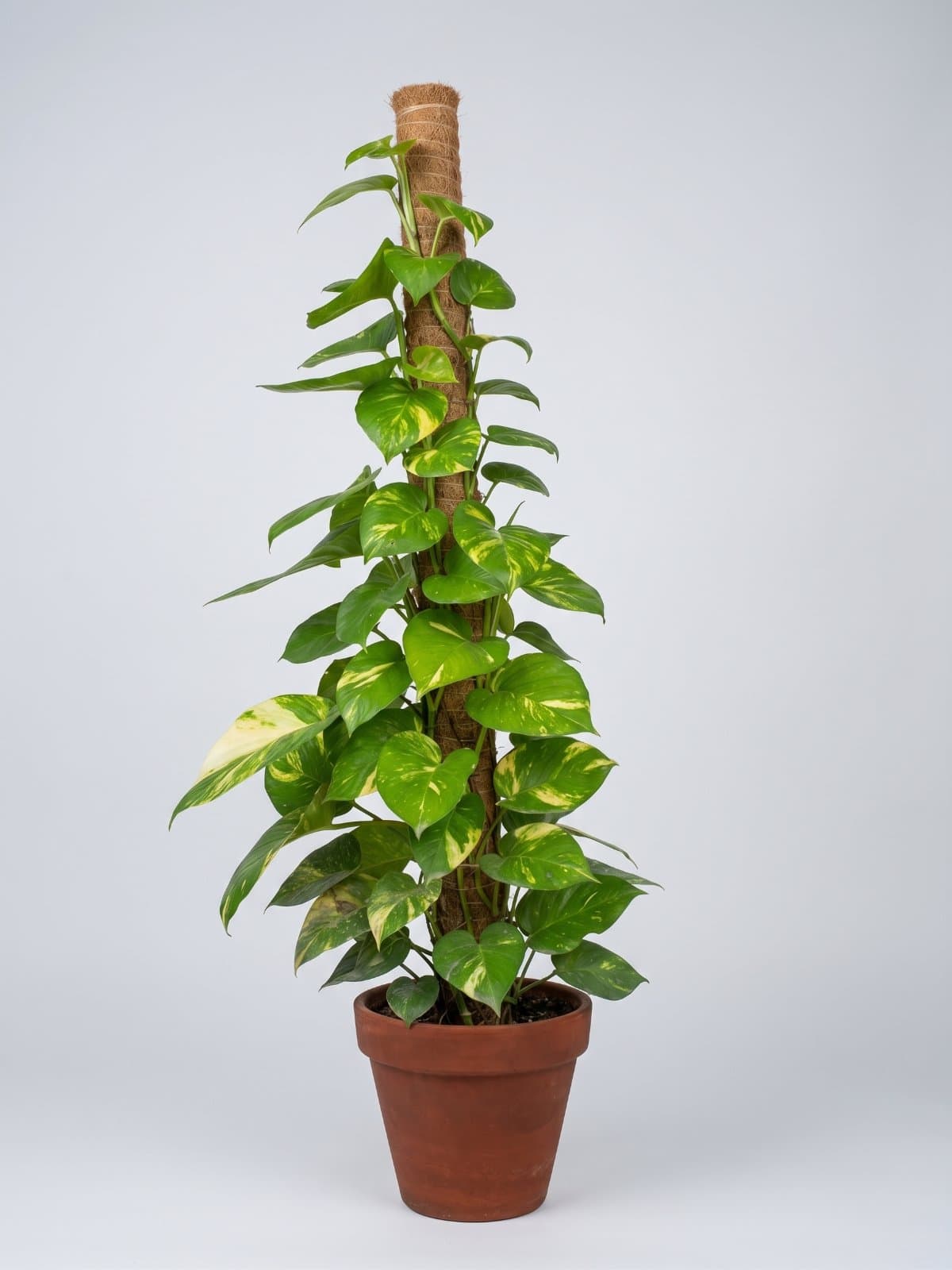
- Money Plant: the least fussy of the lot. Keep it bright and let the topsoil dry between waterings; cold, wet soil is what harms it.
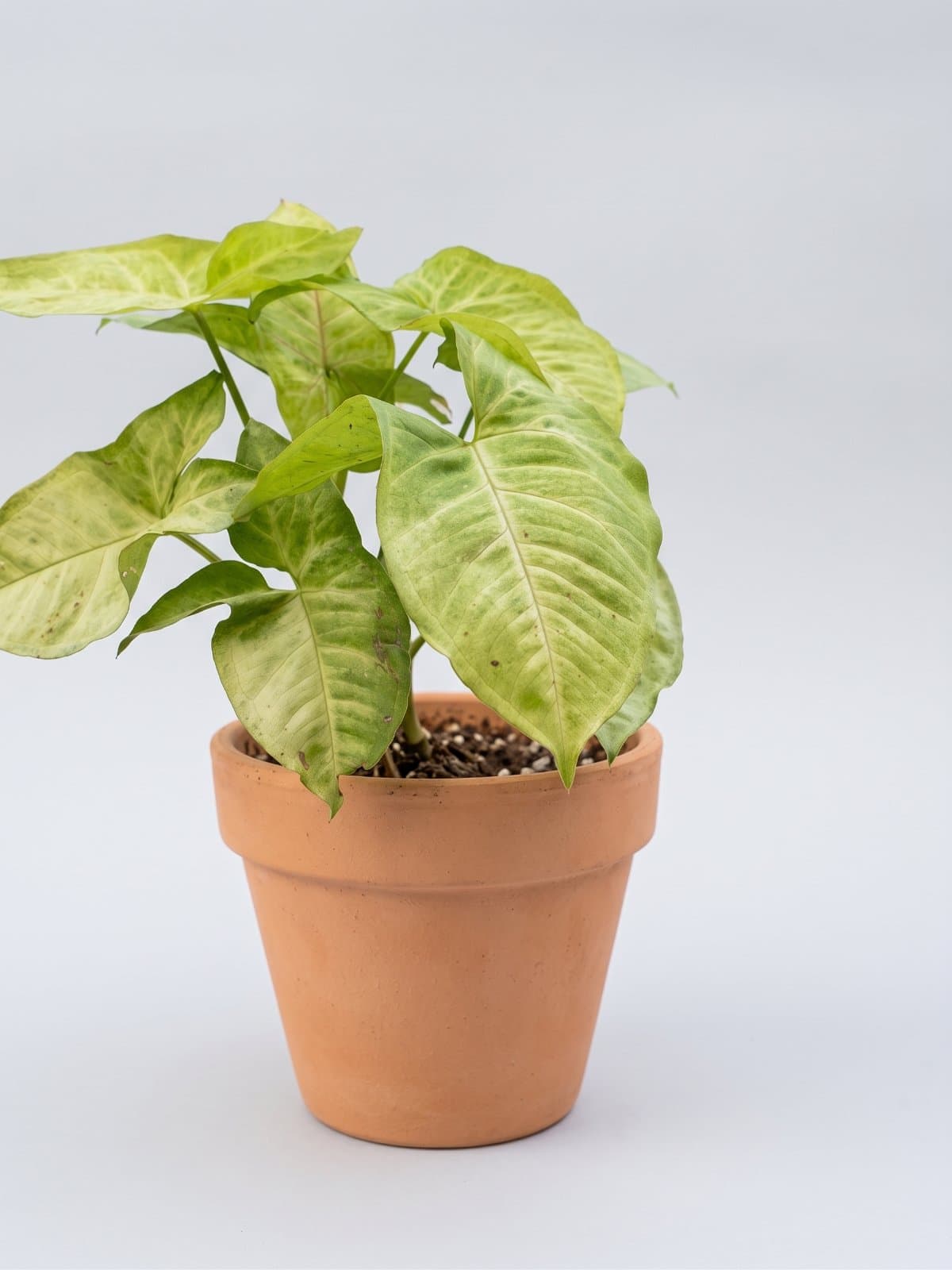
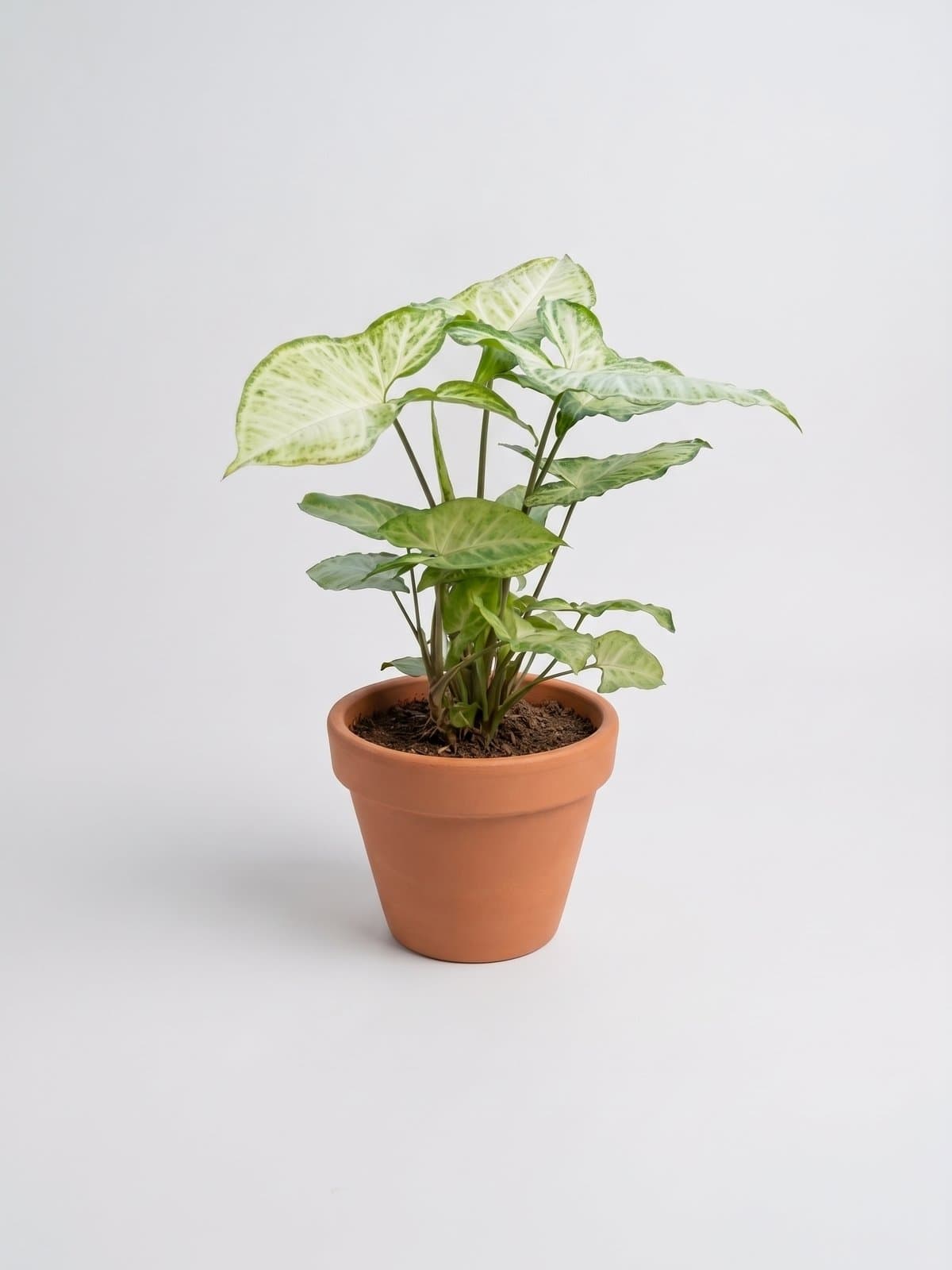
- Syngonium and Syngonium 'White Butterfly': happiest above about 15°C, so give them your warmest bright room.
- Rubber Plant: often needs water only every three to four weeks now; wipe the smog dust off its big leaves.
- Corn Plant (Dracaena): sensitive to cold drafts, and its leaves get damaged below about 10°C, so keep it away from doors.
- Croton (Gold Dust): hates the cold. A few hours below 10°C can make it drop leaves overnight; give it your warmest, brightest window.
- Variegated Weeping Fig: drops leaves when moved or chilled. That is normal, so don't panic: pick one bright spot, leave it there, and new leaves follow within weeks.
- Dwarf Umbrella Tree: one of the tougher ones, but cold, soggy roots make it shed leaves, so let it dry between waterings.
- Areca Palm: raise the pot off cold marble or tiled floors, water less, and keep it away from heaters, which brown the frond tips.
- Red Cordyline: shows cold damage within days below 10°C. Bring it in from the balcony and keep it bright to hold its red colour.
A safety note: money plant, syngonium, croton, corn plant, umbrella tree and cordyline can irritate the mouth and stomach if chewed, and the milky sap of the weeping fig and rubber plant can irritate skin. Indoors, keep them out of reach of pets and small children. The areca palm is the pet-friendly one here; our guide to pet-safe indoor plants has more.
Signs of winter stress and what to do
- Yellow lower leaves, soil always wet: too much water for the cold. Let the top dry out, check the drainage hole and empty the saucer.
- Sudden leaf drop: a cold draft, cold glass or a recent move. Settle the plant in one bright, steady spot and wait; don't water it to "help".
- Drooping: feel the soil. Wet means the roots are struggling, so let it dry; bone dry, especially near a heater, means it really is thirsty.
- Black or water-soaked patches after a cold night: cold damage. Bring it in and trim the dead parts in spring.
Common questions
How often should I water indoor plants in winter?
There is no fixed day: water only when the top few centimetres of soil are dry. In a Lahore December or January that often means once every ten days to three weeks, depending on the plant, pot and light.
Why is my plant dropping leaves in winter?
Usually cold shock from a draft, cold glass or a night on the balcony, or the stress of being moved; crotons and weeping figs are the most sensitive. Keep it in one bright, draft-free spot, don't overwater it, and new leaves will come in spring.
Should I keep plants in a room with a heater?
Yes, as long as they sit a metre or two from the heater, out of its hot air. Heaters dry the air, so group your plants together and check them more often for spider mites.
Is winter a good time to buy indoor plants?
Yes. Our plants grow right here in Lahore, so they just need settling in: wrap them against the cold wind on the way home, keep them in their nursery pots until March, and give them a bright spot away from heaters. A leaf or two dropping in the first few weeks is normal.
For easy indoor plants this winter, start with the Money Plant (Rs 750), which we grow in bulk on our own farm, or the Syngonium (Rs 100); both forgive a beginner's mistakes. For a bright corner, the Rubber Plant (Rs 700) is a sturdy choice. To reserve yours, message us on WhatsApp, then pick it up from our farm in Jallo More, Lahore, or get it delivered anywhere in Lahore. See the rest of what we grow on our plants page.
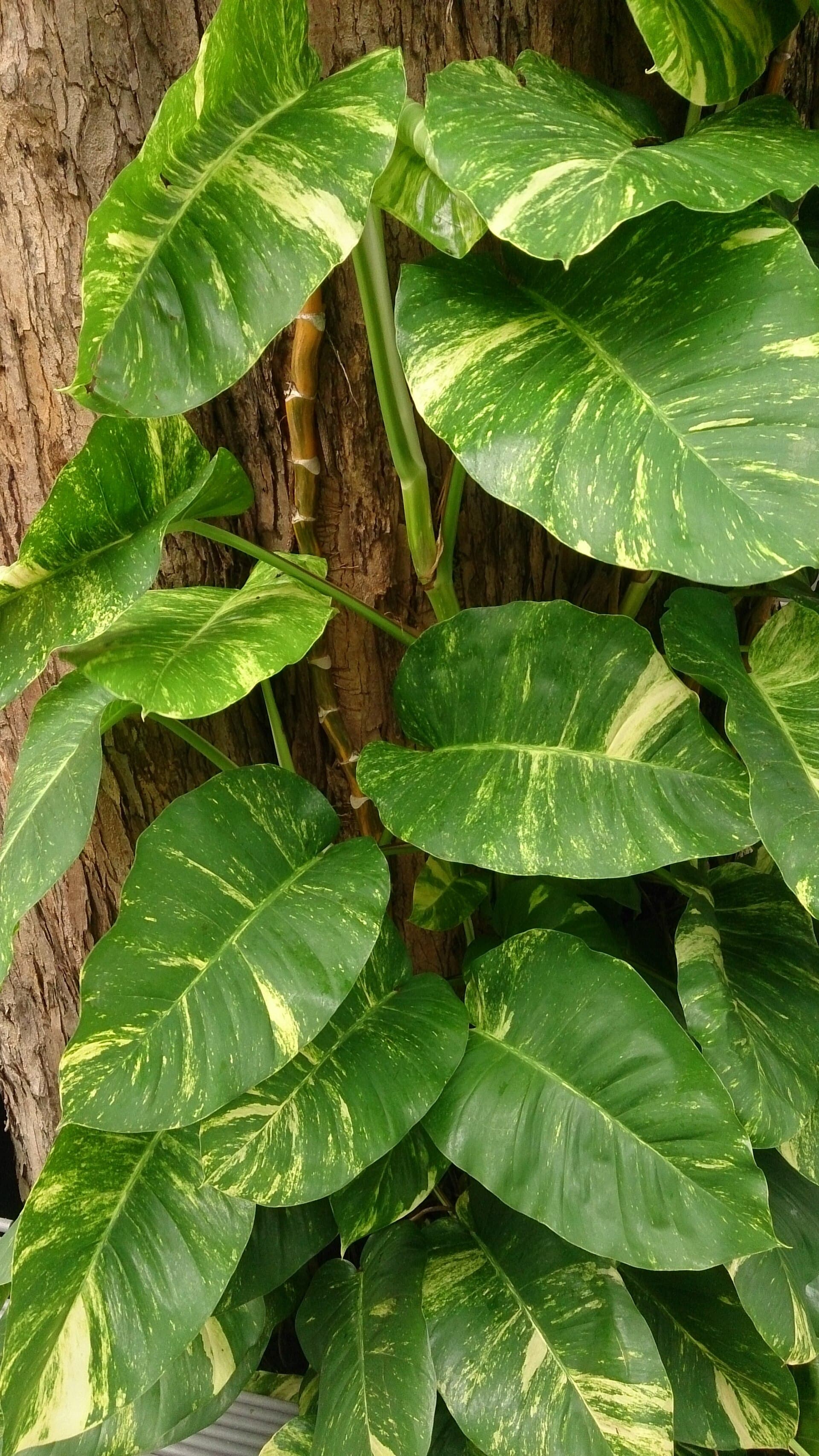
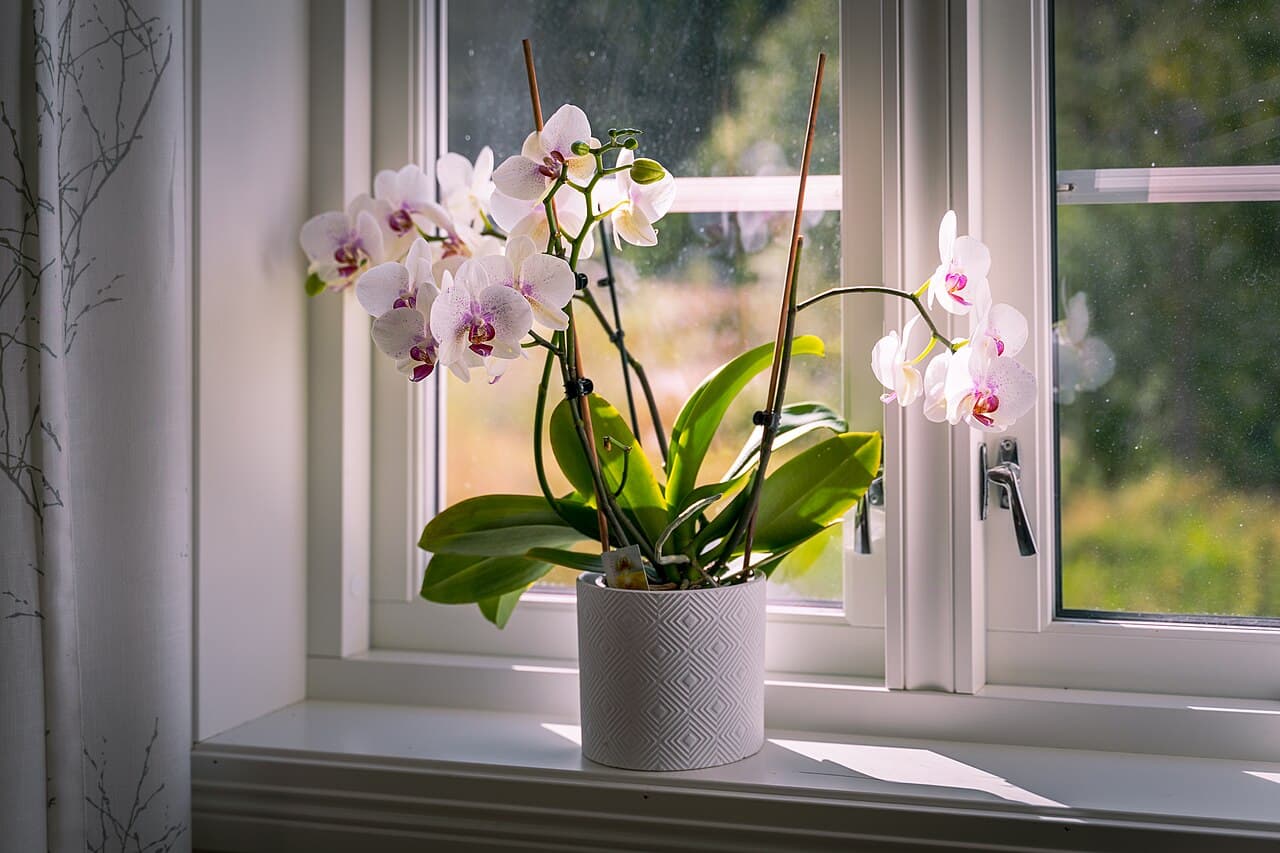
Photo: Øyvind Holmstad, CC BY-SA 4.0, via Wikimedia Commons.