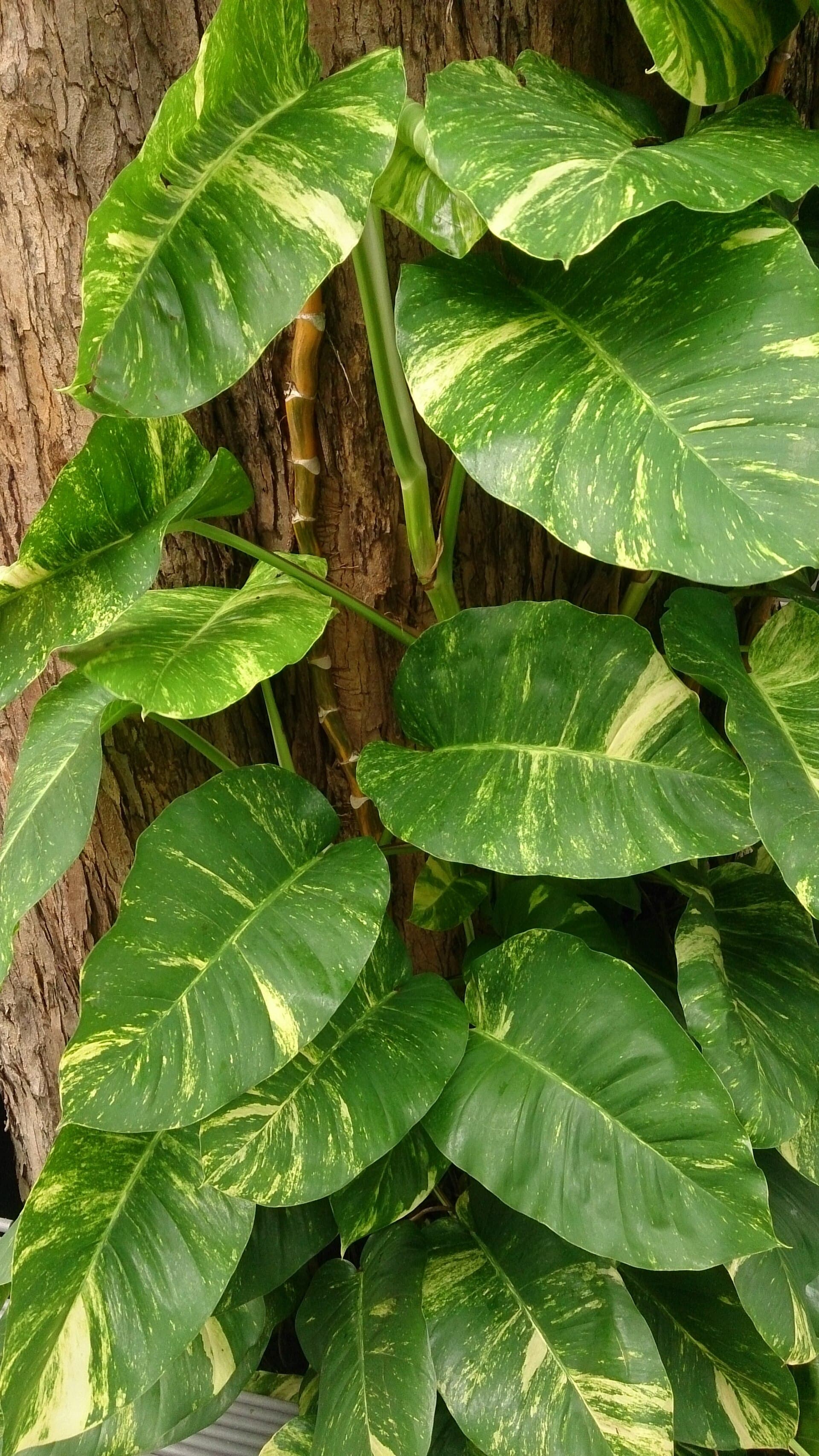
Every June we get the same phone call: "Bhai, the plant was fine last month and now the leaves are brown." Nine times out of ten the plant is not sunburnt — it is drowning, or it is sitting in a spot that turned into an oven without anyone noticing.
Water less often, but water properly
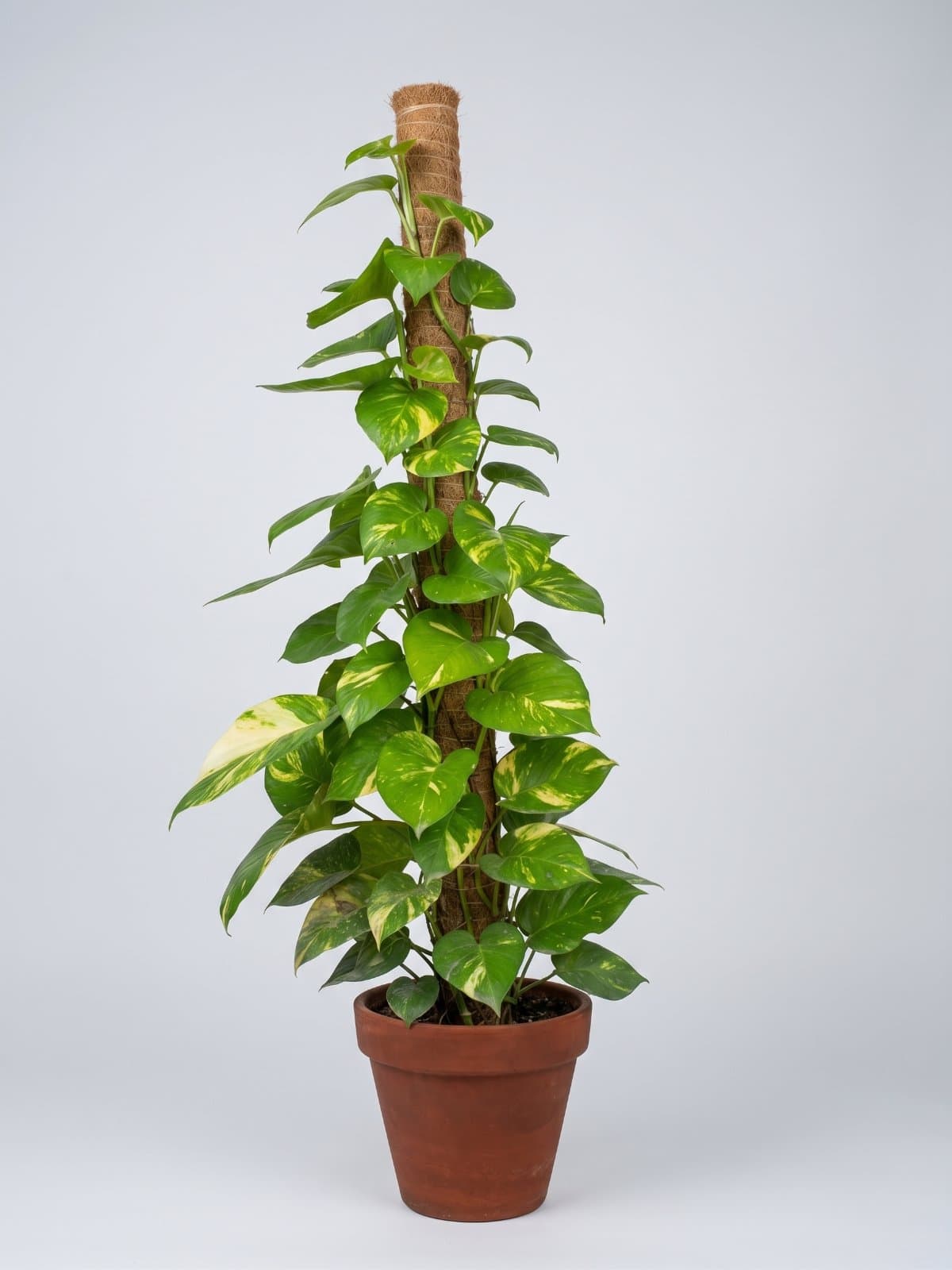
Heat makes people water every single day. That is the fastest way to kill a pothos or a peace lily. Roots need air as well as water, and soil that never dries out suffocates them.
Instead, push a finger two inches into the soil. If it comes out damp, walk away. If it comes out dry, water slowly until it runs out of the drainage hole, then empty the saucer.
Wet soil and hot air together cause more indoor plant deaths in Lahore than direct sun ever will.
Move them away from the afternoon window
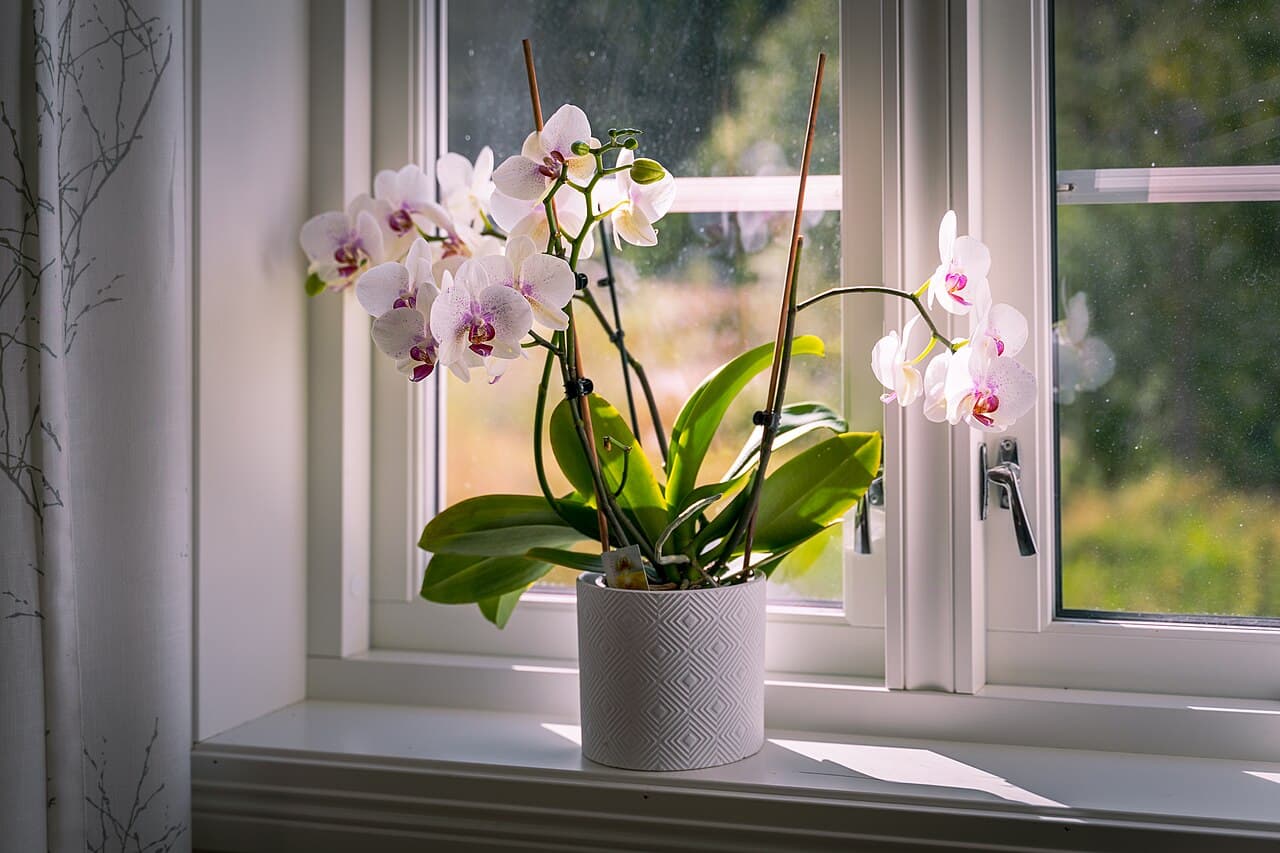
A west-facing window that was pleasant in February becomes brutal by May. Glass magnifies the heat and the leaf tissue cooks. Shift plants a metre back into the room, or filter the light with a thin curtain.
Signs you have left it too long
- Pale, bleached patches in the middle of leaves — that is sunburn, and it does not heal
- Crisp brown edges with a yellow halo — usually dry air, not thirst
- Soft, yellowing lower leaves — too much water
Raise the humidity, not the watering can
Lahore gets dry before the monsoon arrives. Grouping plants together, setting pots on a tray of pebbles and water, or simply moving them to a bathroom with a window will do more good than extra watering.
Stop feeding in peak heat
Fertiliser pushes new growth, and new growth is exactly what a stressed plant cannot support in June. Feed in spring, pause through the worst of the summer, and start again when the nights cool down in September.
A short checklist
- Check soil with a finger before every watering
- Keep pots off hot floors and away from AC vents
- Wipe the dust off leaves once a month so they can breathe
- Skip fertiliser from late May to early September
Do these five things and most indoor plants will walk out of the summer looking better than they went in. If yours is struggling, bring a photo to the farm — it is usually an easy fix.