If you share your home with a cat or a dog, choosing pet-safe indoor plants matters just as much as choosing beautiful ones. The uncomfortable truth is that many of the most popular houseplants sold across Pakistan — including the money plant in almost every drawing room — are toxic to pets, while dozens of equally lovely non-toxic houseplants exist. This honest guide, checked against the ASPCA toxic and non-toxic plant lists, shows you which pet friendly plants to bring home, which common ones to keep out of reach, and what to do if your animal takes a bite.
Popular houseplants that are actually toxic to pets
Most of these will not kill a healthy pet, but they cause genuine misery — burning mouth, heavy drooling, vomiting and diarrhoea — usually because of calcium oxalate crystals in the leaves. One plant on this list, though, is truly dangerous. Sadly, several of them are the same easy, popular plants people reach for, including some sold as air-purifiers.
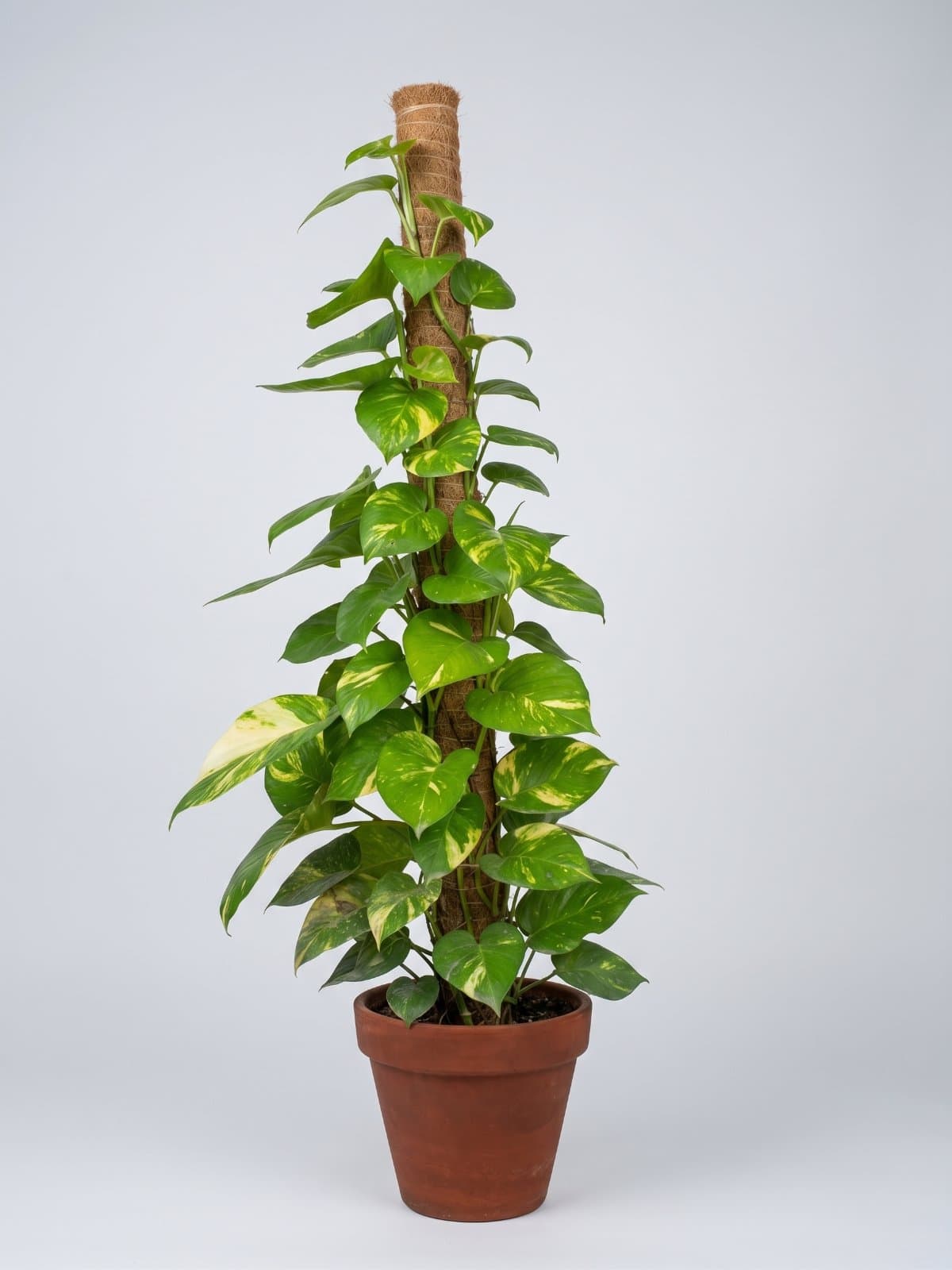
- Money plant / pothos (Epipremnum) — the single most common houseplant in Pakistan, and it is toxic. Chewing it causes mouth irritation, drooling and vomiting.
- Philodendron and monstera — the same calcium oxalate problem: oral pain, pawing at the mouth and vomiting.
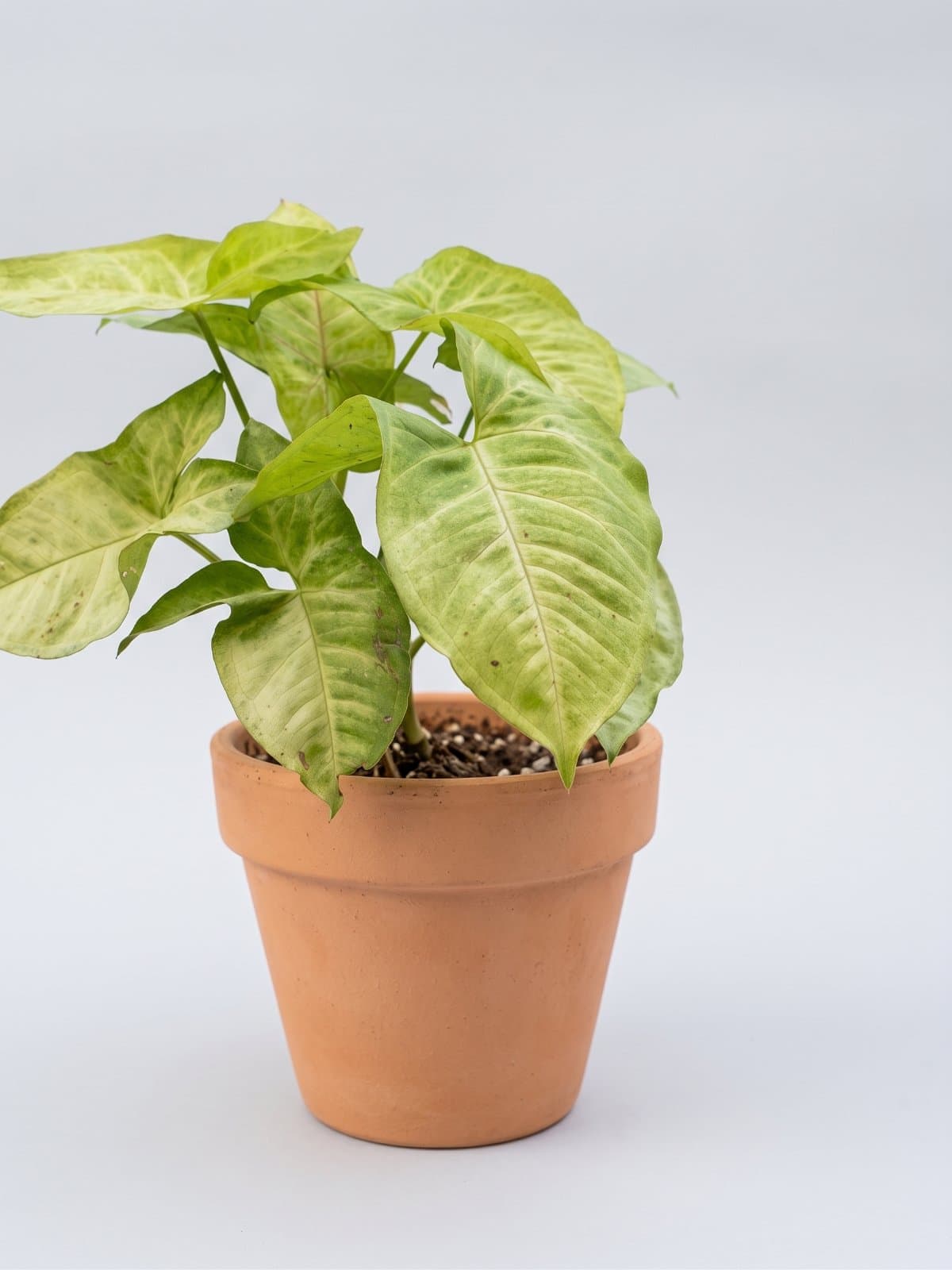
- Peace lily and dieffenbachia (dumb cane) — intense burning in the mouth and throat, drooling and difficulty swallowing.
- ZZ plant and snake plant — vomiting and diarrhoea if the stems or leaves are chewed.
- Aloe vera — vomiting, diarrhoea and lethargy.
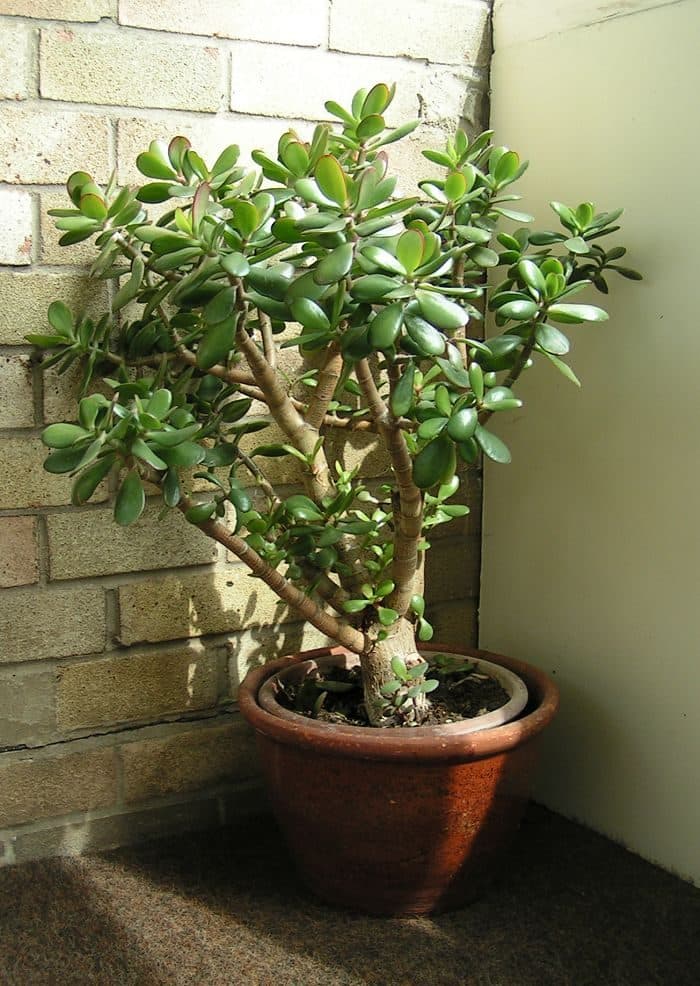
- Jade plant — vomiting and loss of coordination. It is a tough, handsome plant, so if you already own one, read our jade plant care guide and keep it on a high shelf your pet cannot reach rather than throwing it out.
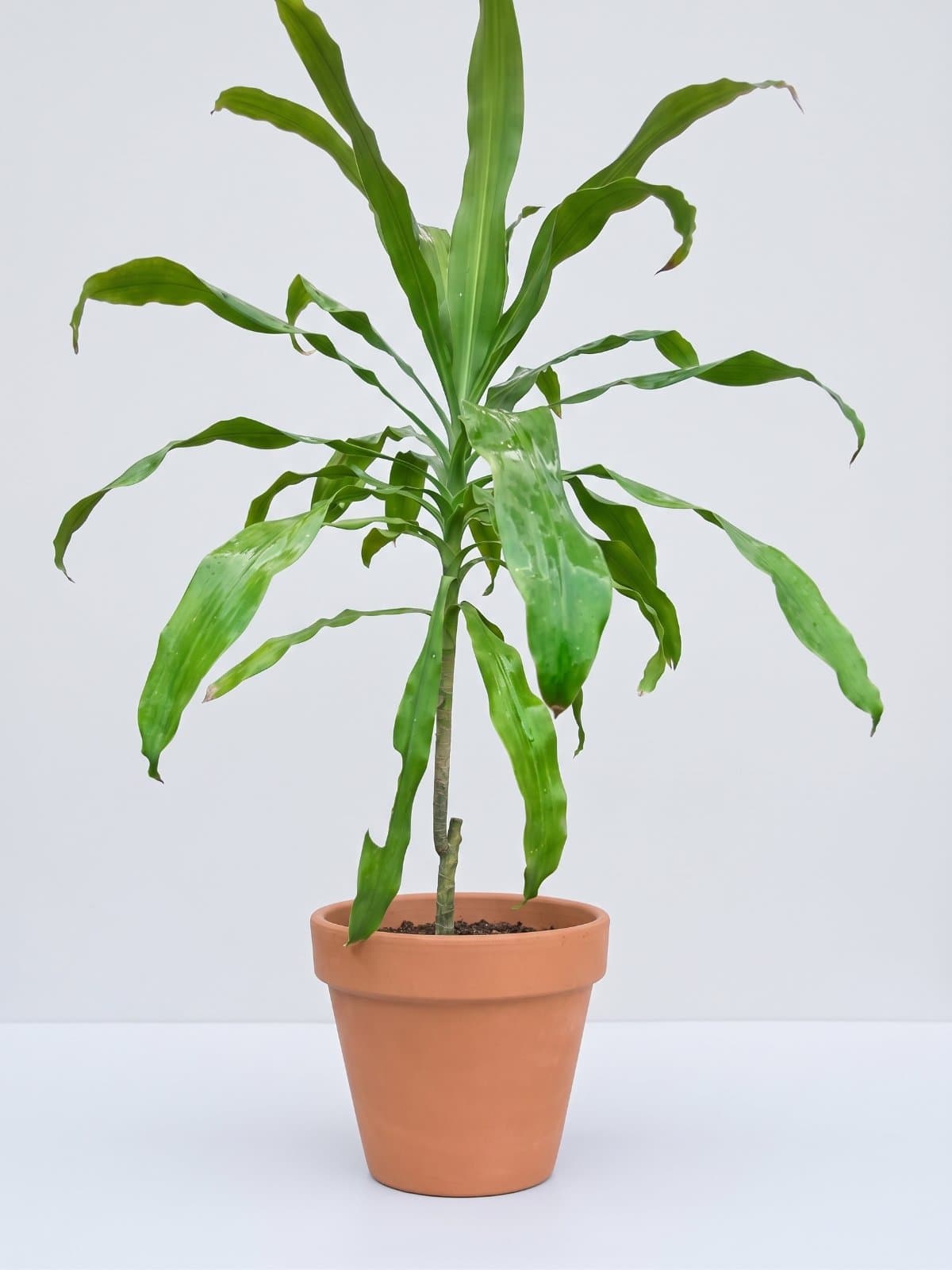
- Dracaena and cordyline — vomiting (sometimes with blood), drooling and a wobbly, depressed pet.
- English ivy — vomiting, drooling and abdominal pain.
- Sago palm — the dangerous one. Every part is severely toxic and even a few seeds can cause liver failure and death in cats and dogs. Despite the name it is not a true palm. Do not keep it in any home with pets.
Genuinely pet-safe houseplants
The good news is that a beautiful, green home does not require a single toxic plant. Every plant below is listed as non-toxic to cats and dogs by the ASPCA:
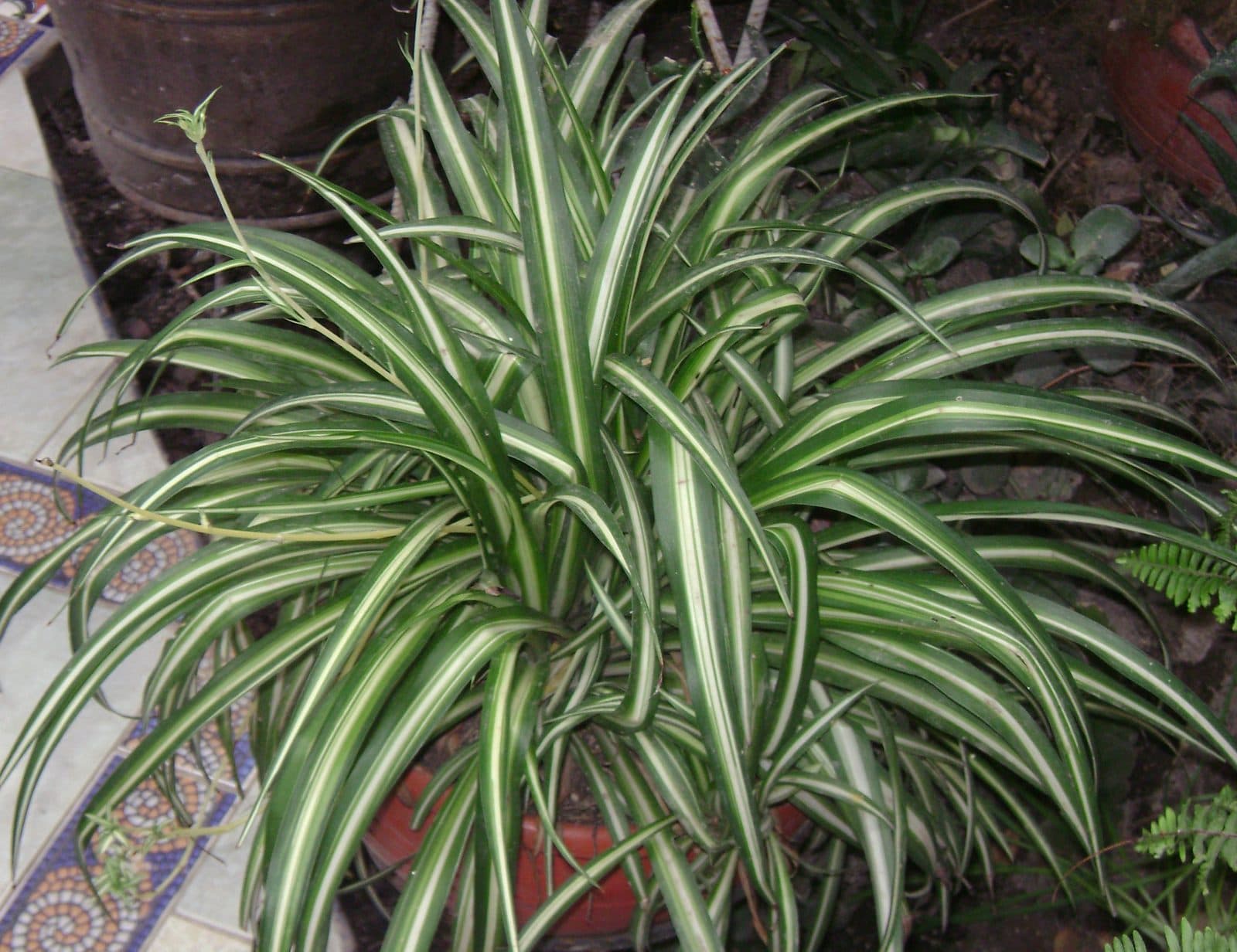
- Spider plant (Chlorophytum) — tough, fast-growing and forgiving; one of the best first plants for a home with pets.
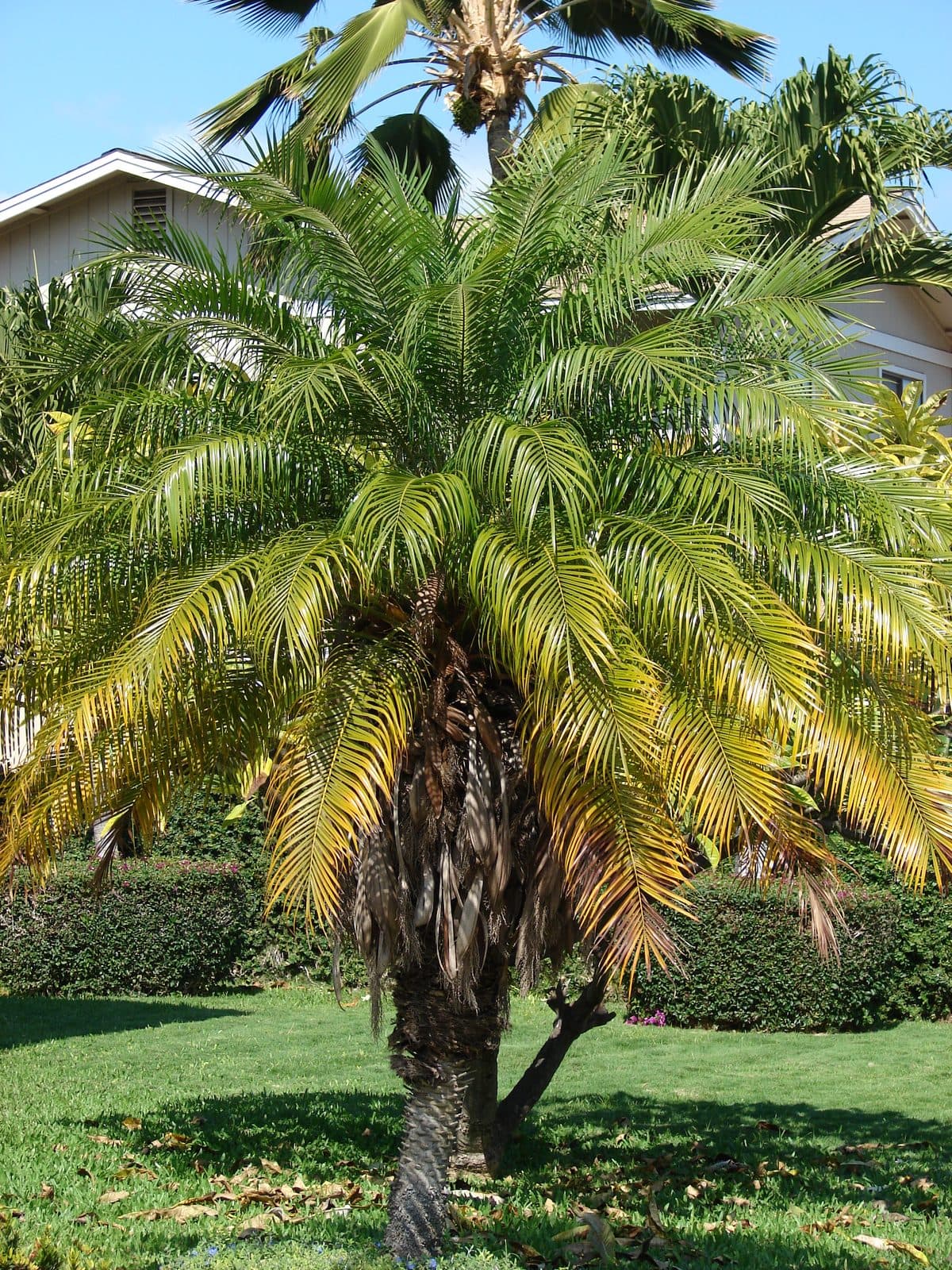
- Palms — areca, parlour (Chamaedorea) and pygmy date palm — all non-toxic and excellent for filling a corner. See our guide to palms for Pakistani homes and gardens.
- Boston fern — loves the humidity of a bathroom or kitchen.
- Calathea and prayer plant — beautifully patterned leaves, completely non-toxic.
- Peperomia, including the baby rubber plant — compact and safe, with hundreds of varieties.
- Money tree (Pachira aquatica) — non-toxic, and not to be confused with the toxic "money plant" (pothos) above. The names are almost identical; the plants are completely different.
- Phalaenopsis orchid, African violet, hoya, bromeliads and Swedish ivy — safe flowering and trailing options when you want colour, not just green.
One honest caveat: "non-toxic" means the plant will not poison your pet, not that it is a salad. Any plant can cause a mild stomach upset if a pet eats a large amount, and cats in particular love to nibble spider plant leaves and may vomit if they overdo it. Keep even safe plants tidy and out of reach.
Placement and care tips for a pet-friendly home
- Put the most tempting plants where paws and mouths cannot reach — hanging baskets, wall shelves and tall plant stands are your friends.
- Give a bored, chewing cat its own pot of cat grass so your other plants become less interesting.
- The pygmy date palm has sharp spines at the base of each frond — it is non-toxic, but place it away from pets and small children so no one gets pricked.
- Keep fertiliser and pest sprays off leaves your pet might lick, and sweep up dropped leaves quickly.
- New to houseplants? Start with our best indoor plants for beginners and the full indoor plant care guide, and if you specifically want cleaner air, see which picks are safe in our air-purifying indoor plants for Pakistan guide.
What to do if your pet eats a plant
Stay calm and act quickly:
- Gently remove any plant pieces from your pet's mouth and take the plant away.
- Note or photograph exactly which plant it was — this helps the vet enormously.
- Do not try to make your pet vomit unless a vet tells you to.
- Call your vet straight away, especially after a lily, dieffenbachia or sago palm, or if you see repeated vomiting, weakness, drooling or breathing trouble. With sago palm, treat it as an emergency and go immediately.
Common questions
Is the money plant safe for cats and dogs?
No. The money plant (pothos) is toxic to both cats and dogs — its calcium oxalate crystals cause mouth burning, drooling and vomiting. It is the most common houseplant in Pakistan, so if you own pets, keep it well out of reach or replace it with a safe plant like a spider plant or a palm.
What is the safest indoor plant for a home with pets?
Spider plant, parlour palm and pygmy date palm are among the safest and easiest. All three are non-toxic, handle indoor light well and are hard to kill — ideal if this is your first plant.
Are all palms safe for pets?
Most true palms are, including areca, parlour and pygmy date palms. The important exception is the sago palm, which is not a real palm at all and is severely toxic — never keep it around animals.
Is the money tree the same as the money plant?
No, and this trips up a lot of people. The money tree (Pachira aquatica) is non-toxic and safe, while the money plant (pothos) is toxic. Same nickname, completely different plants — and only one belongs in a pet home.
At Asghar Nursery Farm in Lahore we would rather lose a sale than tell you a plant is safe when it isn't. If you want a genuinely pet-safe centrepiece, our pygmy date palm is non-toxic to cats and dogs and thrives indoors. For any other plant, message us on WhatsApp at 0300 4663847 — tell us which pets you have, and we will only recommend plants that are truly safe for them, sourcing them for you on order if we don't have them in stock.