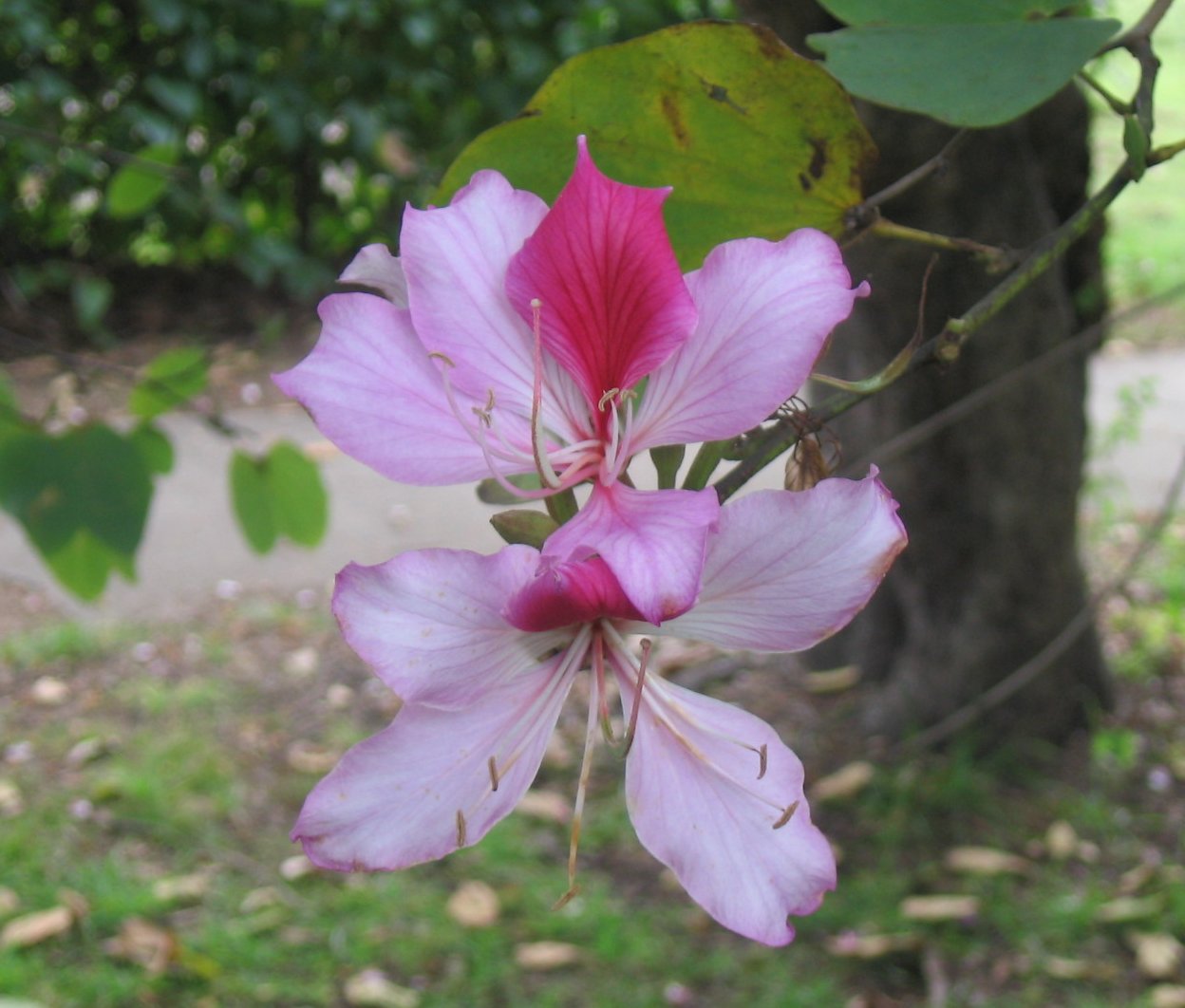
Kachnar — the orchid tree, Bauhinia variegata — is one of the most loved desi flowering trees of Punjab, and for good reason. Every spring, before or alongside its fresh leaves, a mature kachnar tree covers itself in pink, mauve and white blossoms that genuinely look like little orchids, brightening streets, parks and gardens across Lahore. On top of the beauty, its unopened flower buds are a traditional subzi that many families still cherish. Here is how to grow this tree and make the most of it.
Where to plant it — sun and space
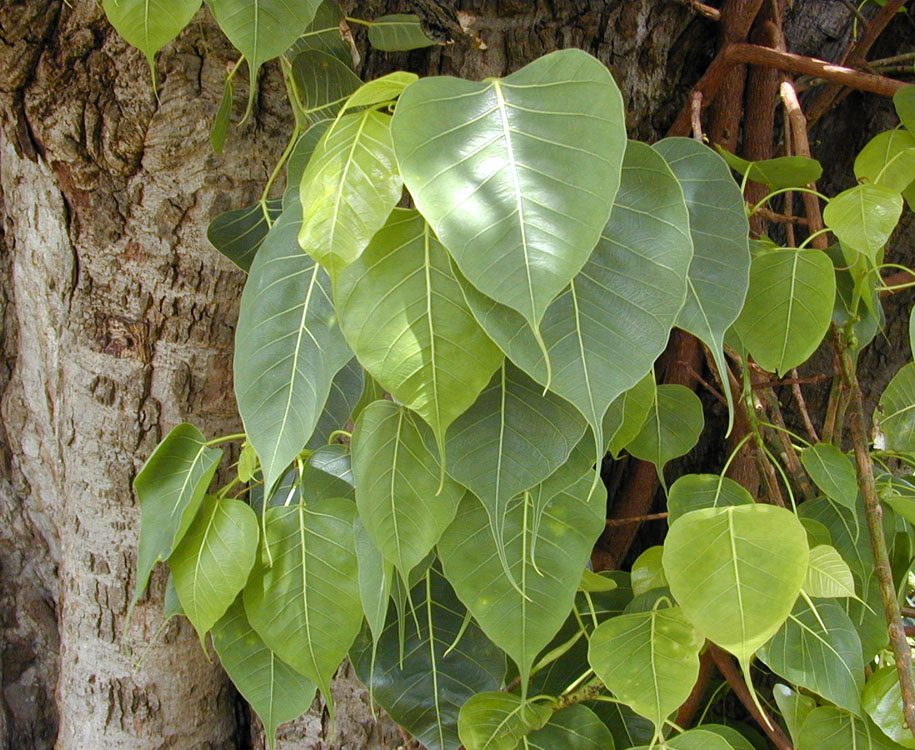
Kachnar is a full-sun tree. Give it an open spot with at least five to six hours of direct sun for the best flowering; in too much shade you get a leafy tree with sparse blooms. It stays a modest, medium-sized tree — usually reaching around 6 to 12 metres — so it suits a decent-sized garden, a lawn corner, or a street verge rather than a small balcony. Its distinctive two-lobed leaves, shaped a little like a camel's footprint or a butterfly, make it easy to recognise even out of flower.
Soil and watering
This is a forgiving, hardy tree once established. It tolerates the ordinary heavy loamy and clay soils common around Lahore, as long as water does not stand around the roots — so avoid a spot that stays soggy. Water a young sapling regularly through its first couple of summers to help it settle in. After that, a well-rooted kachnar is fairly drought-tolerant and needs only occasional deep watering in the peak dry heat. Like our other tough natives, it handles both our 40°C-plus summers and mild Lahore winters comfortably.
Flowering season and the edible buds
The main show comes in spring — roughly February through April, when the bare or lightly-leaved branches erupt in colour. This is also when the plump, unopened flower buds are picked for cooking.
- Kachnar ki subzi: the closed buds are cooked on their own or with meat (kachnar gosht) and have a mild, slightly tangy flavour — a genuinely local, seasonal treat.
- Pick young: gather the tight buds before they open, and only from trees you know have not been sprayed.
Please treat the culinary use as tradition and food, not medicine — enjoy it as a seasonal vegetable, nothing more.
Growing from seed and early care
Kachnar grows readily from seed. The tree forms flat pods that dry and split; sow the fresh seed in the warm months and germination is usually easy. Young saplings appreciate a stake and steady water for the first year or two, plus light formative pruning to build a single clean trunk and a good branch framework. After flowering, you can trim lightly to shape it. It is largely trouble-free, with few serious pests in our climate.
Common questions
What is kachnar called in English?
Kachnar is commonly known as the orchid tree, because its blossoms resemble orchid flowers. Its botanical name is Bauhinia variegata. The closely related Bauhinia purpurea (purple orchid tree) is also sold as kachnar; a white-flowered form of the same tree, B. variegata 'Candida', exists too.
How long does a kachnar tree take to flower?
A seed-grown tree usually takes a few years — commonly around three to five — to reach flowering size, then blooms every spring. Grafted or larger nursery-raised plants can flower sooner.
Is kachnar good for a home garden in Lahore?
Yes, if you have the room. It is hardy, handles our heat, gives a spectacular spring display and useful shade, and rewards you with edible buds — an excellent choice for a medium or large garden rather than a pot.
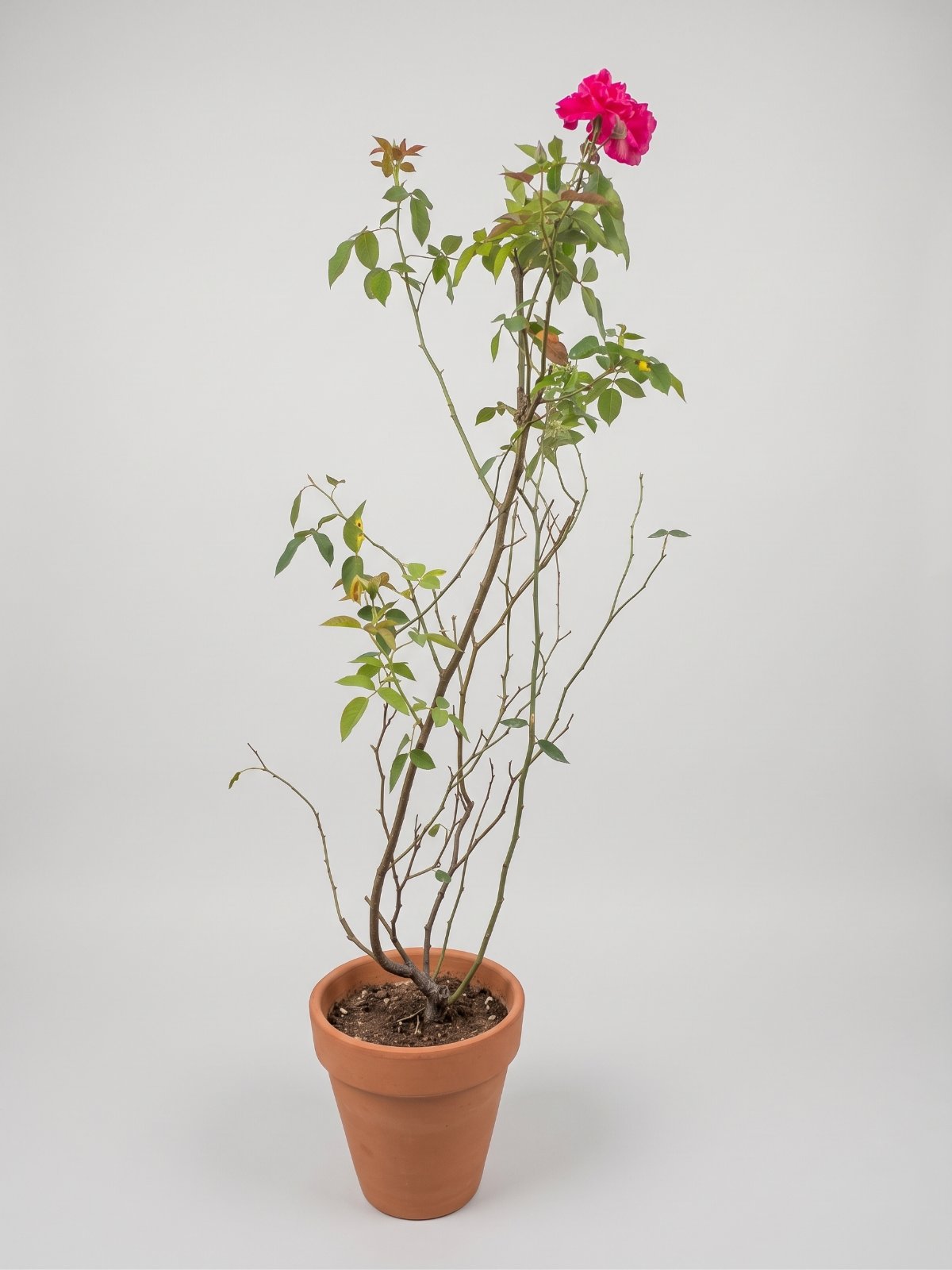
We do not raise kachnar saplings ourselves — but if you have your heart set on one, message us on WhatsApp and we will try to arrange a healthy sapling for you. If you would prefer a flowering plant we actually grow and can hand you ready to bloom, take a look at our Red Rose, or for a hardy, useful tree consider the Chinaberry Tree (Bakain). New to planting trees? Our beginner's guide to gardening in Pakistan and our note on the fast-growing eucalyptus (safaida) tree are good places to start.