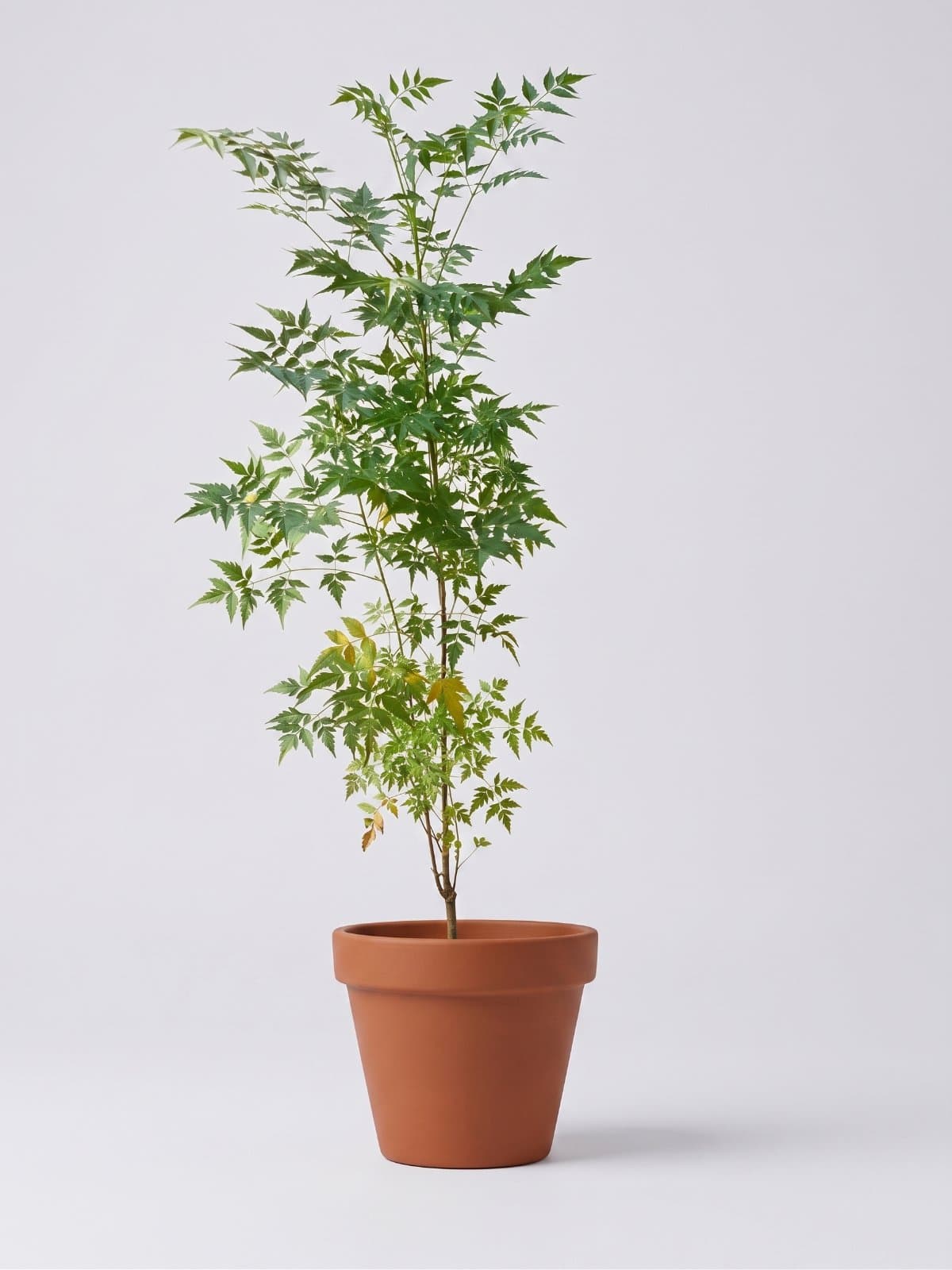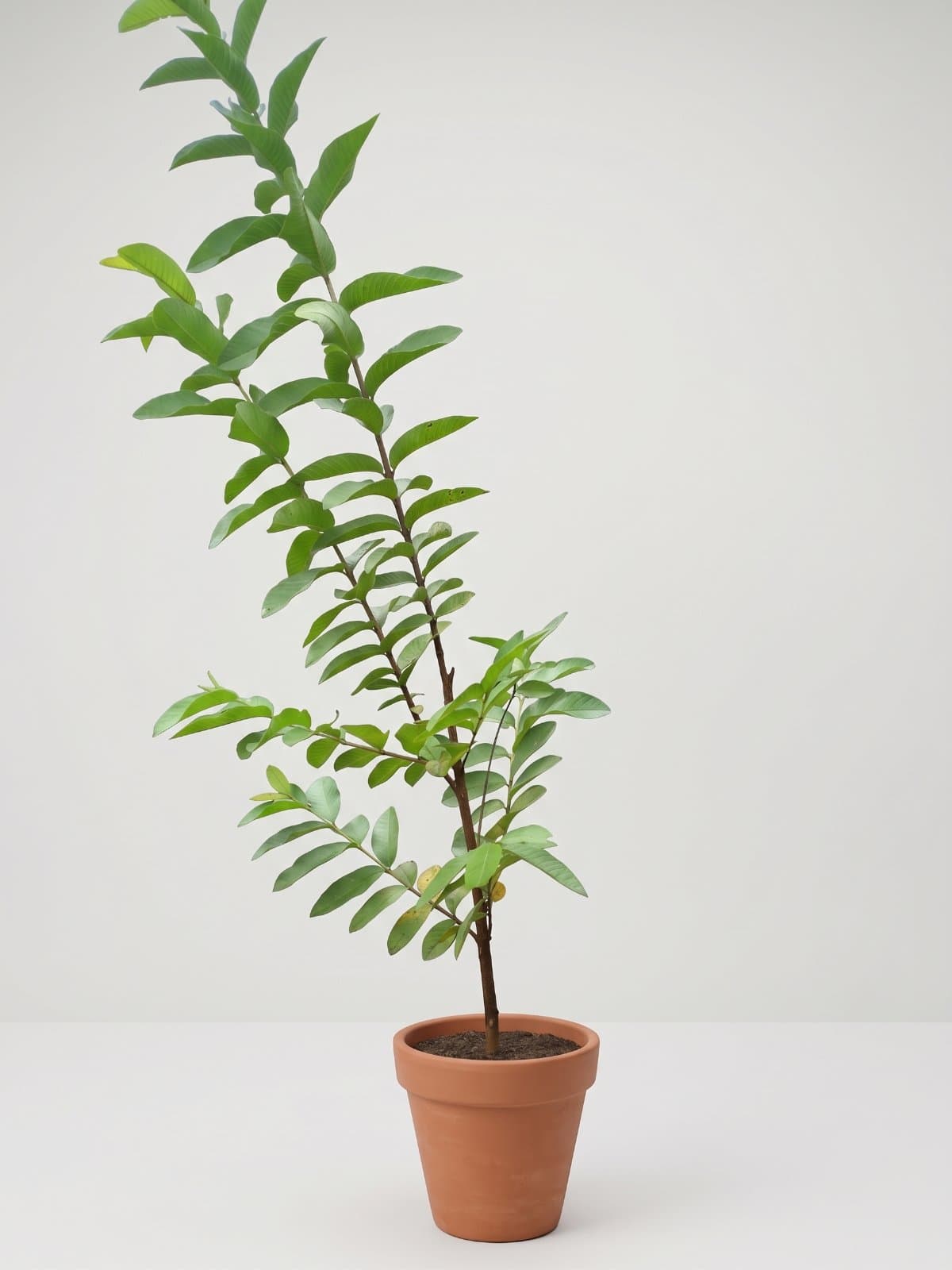
The bakain — known to most Lahoris as the chinaberry tree and to botanists as Melia azedarach — is one of the toughest, fastest shade trees you can plant in Punjab. In spring it covers itself in clouds of fragrant, lilac-coloured flowers; through the hot months it throws down cool, dappled shade; and it asks for almost nothing in return. If you have the space for it, few trees give back more.
It is a common sight across our region — lining farm roads, shading village courtyards and standing at the edge of fields — and you will hear it called dharek just as often as bakain. Before you plant one, though, there are two honest things to know: it needs room and full sun, and its pretty yellow berries are poisonous if eaten. More on both below.
What is the bakain (chinaberry) tree?
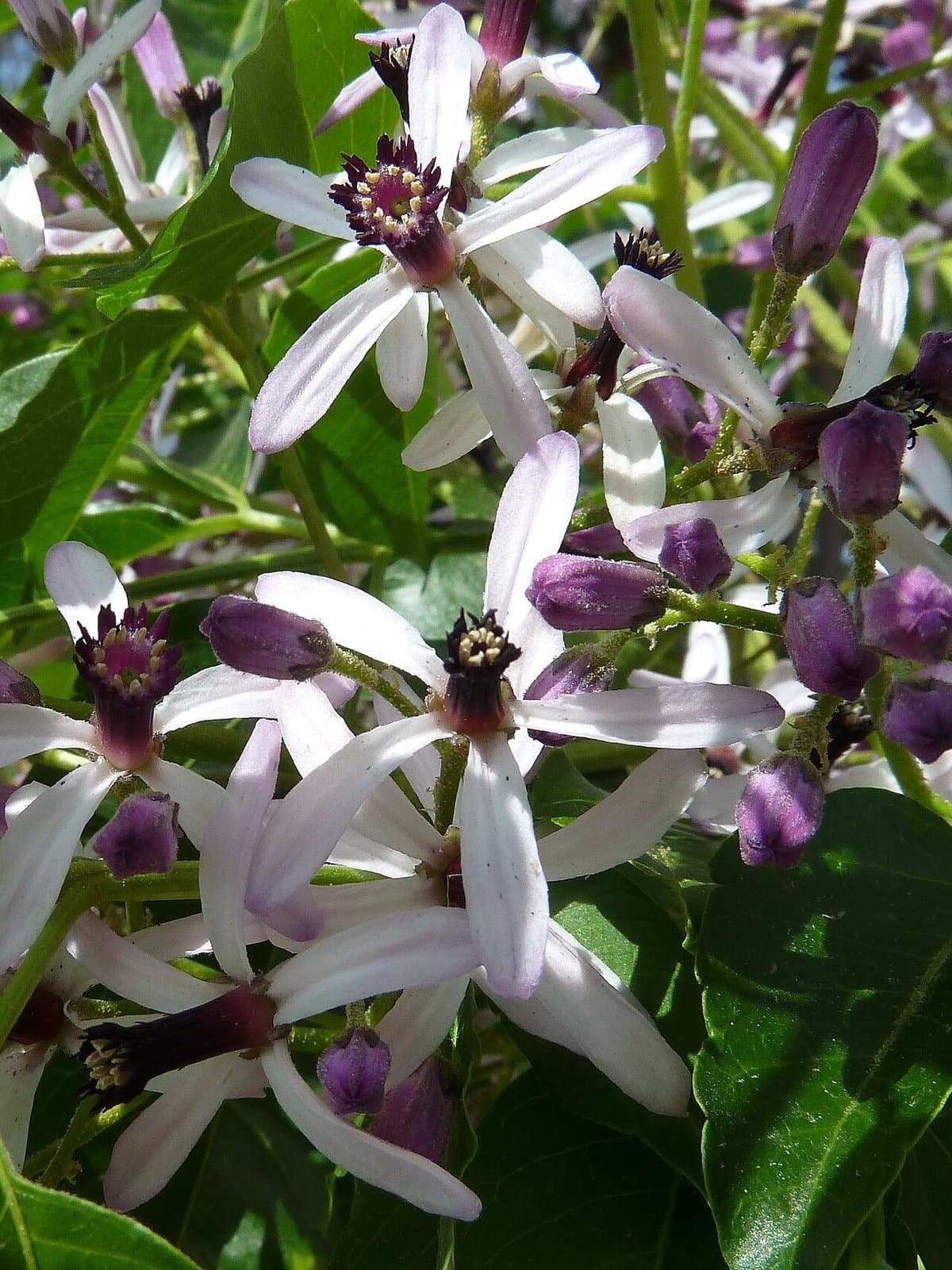
Bakain is a fast-growing, deciduous tree native to this part of Asia and thoroughly at home in the Punjab climate. It has feathery, divided leaves, a broad and open crown, and in March and April it produces sprays of small mauve-purple flowers with a sweet scent that carries across the garden. These are followed by clusters of round, marble-sized berries that ripen to a dull yellow and hang on the bare branches all winter after the leaves fall.
It is a close cousin of the neem — both belong to the same plant family — which is why the two are so often confused, and why bakain shares some of neem's famous pest-repelling character. If you like the idea of a useful, hard-working tree, our guide to the benefits and uses of neem is worth reading alongside this one.
Where to plant it (and why not a tiny yard)
This is the one thing to get right. Bakain is a full-sized shade tree, not a patio plant. A healthy specimen grows quickly — often more than a metre a year when young — and reaches around 10 to 15 metres with a wide, spreading canopy. It needs:
- Full sun — the more the better; it revels in heat.
- Open ground — give it several metres of clearance from walls, drains and the house, so both the canopy and roots have room.
- A spot you want shaded in summer — because it drops its leaves in winter, it obligingly lets the low winter sun through and then shades you again through the brutal months, which makes it ideal over a seating area, a courtyard or a car.
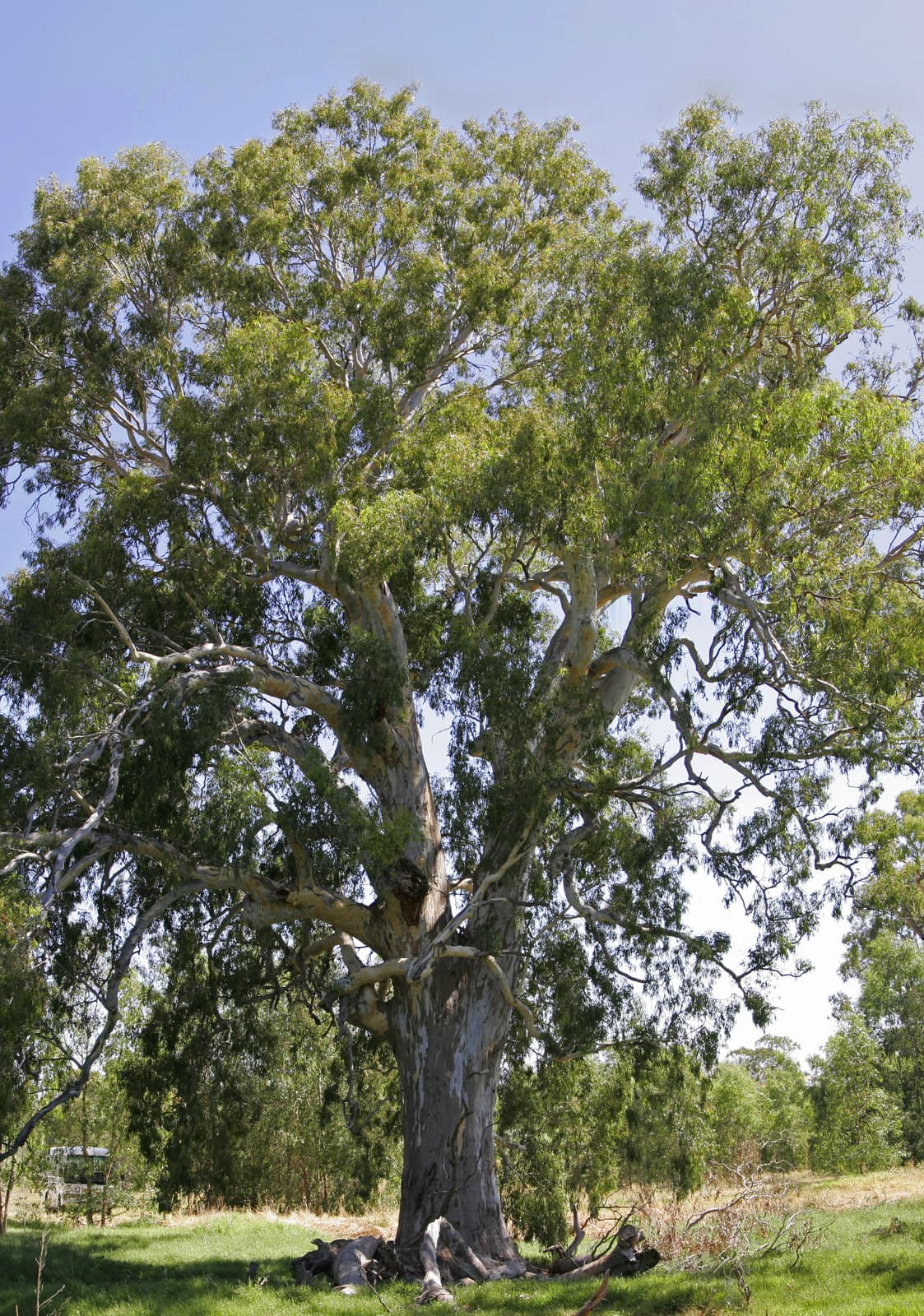
If your plot is small, this is not your tree — look at something container-friendly instead. But for a decent-sized garden, a farmhouse or a boundary line, it is one of the best-value shade trees in Pakistan. Another fast option for large spaces is the eucalyptus (safaida), though bakain gives a broader, friendlier crown.
How to grow and care for bakain
Bakain is genuinely low-maintenance — the hard part is finding room for it, not keeping it alive. Plant a young bakain sapling in spring or during the monsoon, when the soil is warm and moisture is easy to come by, and follow a simple routine:
- Watering: water regularly through the first two summers while the roots go down. After that an established tree is strongly drought-tolerant and needs watering only in a long dry spell.
- Soil: it is not fussy and grows in most Punjab soils, but a spot that drains freely helps it settle.
- Feeding: little is needed; a spadeful of compost around the base in spring is plenty.
- Pruning: shape it in winter while it is bare — raise the crown for walking clearance and remove any weak or crossing branches.
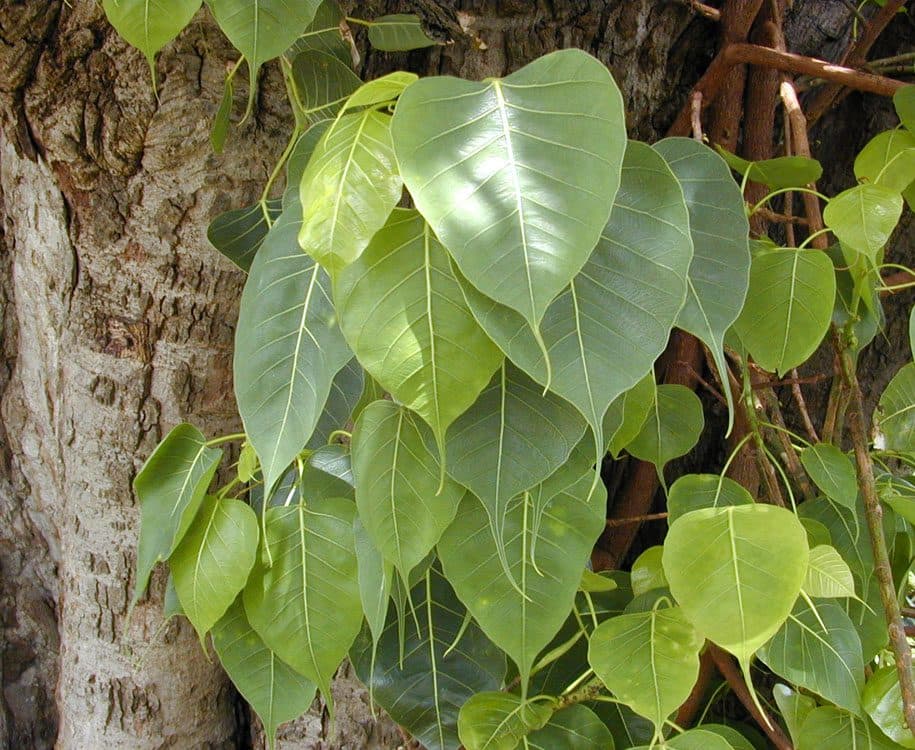
New to planting trees? Our honest guide to the peepal tree covers the same "big tree, plan for the roots" thinking, and is worth a look before you dig a hole for any large shade tree.
A useful tree: natural pest-repellent and timber
Like its cousin the neem, bakain has long earned its keep beyond shade. For generations, people across Punjab have tucked its dried leaves in among stored wheat and pulses, and folded them into cupboards and trunks of clothes, to keep out weevils, grain beetles and moths — a simple, chemical-free trick that farmers still use today. The wood is another bonus: it is a fair-quality, workable timber used for furniture, doors and farm implements, which is one reason the tree is so widely grown on field edges. So a bakain is not only a shade tree — it is a small household resource that keeps giving once it matures.
Important: the berries are toxic
Here is the one real caution, and it matters. The yellow berries of the bakain are poisonous if eaten. They contain natural toxins (meliatoxins) that can cause vomiting, stomach pain and, in a serious case, far worse — and children and animals are most at risk. Dogs in particular can be badly poisoned by chewing the fallen fruit, and the berries can also harm goats, sheep and other livestock.
None of this makes the tree dangerous to have in a garden — the flowers and shade are completely fine to enjoy, and the tree is grown across the country without trouble. You simply need to be sensible: teach children not to put the berries in their mouths, sweep up fallen fruit where small kids or pets play, and keep grazing animals away from a tree that is dropping berries. Handled with that ordinary care, bakain is a rewarding, safe tree to live with.
Common questions
Will bakain survive the Lahore summer?
Easily — this is one of its great strengths. Bakain is built for our heat and, once established, is strongly drought-tolerant; a mature tree sails through the worst of June and July with little or no extra water.
Are the yellow berries really poisonous?
Yes. The berries are toxic if swallowed by people or animals, so keep them in mind if you have young children, dogs or livestock about. The tree is otherwise completely fine to enjoy — just don't let anyone eat the fruit, and clear fallen berries from play areas.
How fast does it grow, and how big does it get?
Fast. A young bakain can put on well over a metre a year in good conditions and will give you real shade within a few seasons, eventually reaching around 10 to 15 metres with a broad crown. Give it space to match.
Is bakain the same tree as neem?
No, but they are close relatives from the same family, which is why they look similar and are often mixed up. Neem keeps its leaves and has a more medicinal reputation; bakain (dharek) is deciduous, has scented lilac flowers, and those toxic yellow berries. Both are excellent, tough trees for Punjab.
Ready to plant one? We keep young chinaberry (bakain) trees at the farm — a fast, hardy, honest shade tree for a decent-sized Lahore plot. Stock moves with the season, so if we are between batches we will try to arrange one for you on order. Message us on WhatsApp with your space and what you have in mind, and we'll help you choose the right tree and the right spot.