Anyone can garden in Pakistan. You do not need a big lawn, expensive tools or a "green thumb" — you need a sunny spot, the right plant for the season, and a little patience. Our climate is generous: things grow fast here. This guide is your starting map — the handful of things that matter most when you begin, with links to deeper guides for each step.
1. Learn your seasons first
This is the single most important idea in Pakistani gardening: plant the right thing at the right time. We have a mild, glorious winter and a long, hot summer, and each grows different plants. Put a winter flower in during May and it will fry; time it for October and it thrives. Before anything else, get a feel for what to plant when — our guide to seasonal flowers in Pakistan lays out the whole year.
2. Start with the soil
Healthy plants begin with healthy soil. Most of our ground is heavy and clay-like, and it needs loosening and feeding before it will grow much. Dig it over, mix in compost or well-rotted manure, and make sure water drains away rather than pooling. If you are starting a bed from scratch, our step-by-step guide to starting a garden from bare ground walks you through it.
3. Get the basics right: sun and water
- Sun. Watch your space and note how many hours of direct sun each spot gets. Most flowers and vegetables want six hours or more; shady corners suit leafy greens and shade-lovers.
- Water — the number-one beginner mistake. More plants die from too much water than too little. Feel the soil first: if the top inch is still damp, wait. Water deeply but less often, in the cool of the morning or evening, not the midday sun.
4. Choose easy plants to begin with
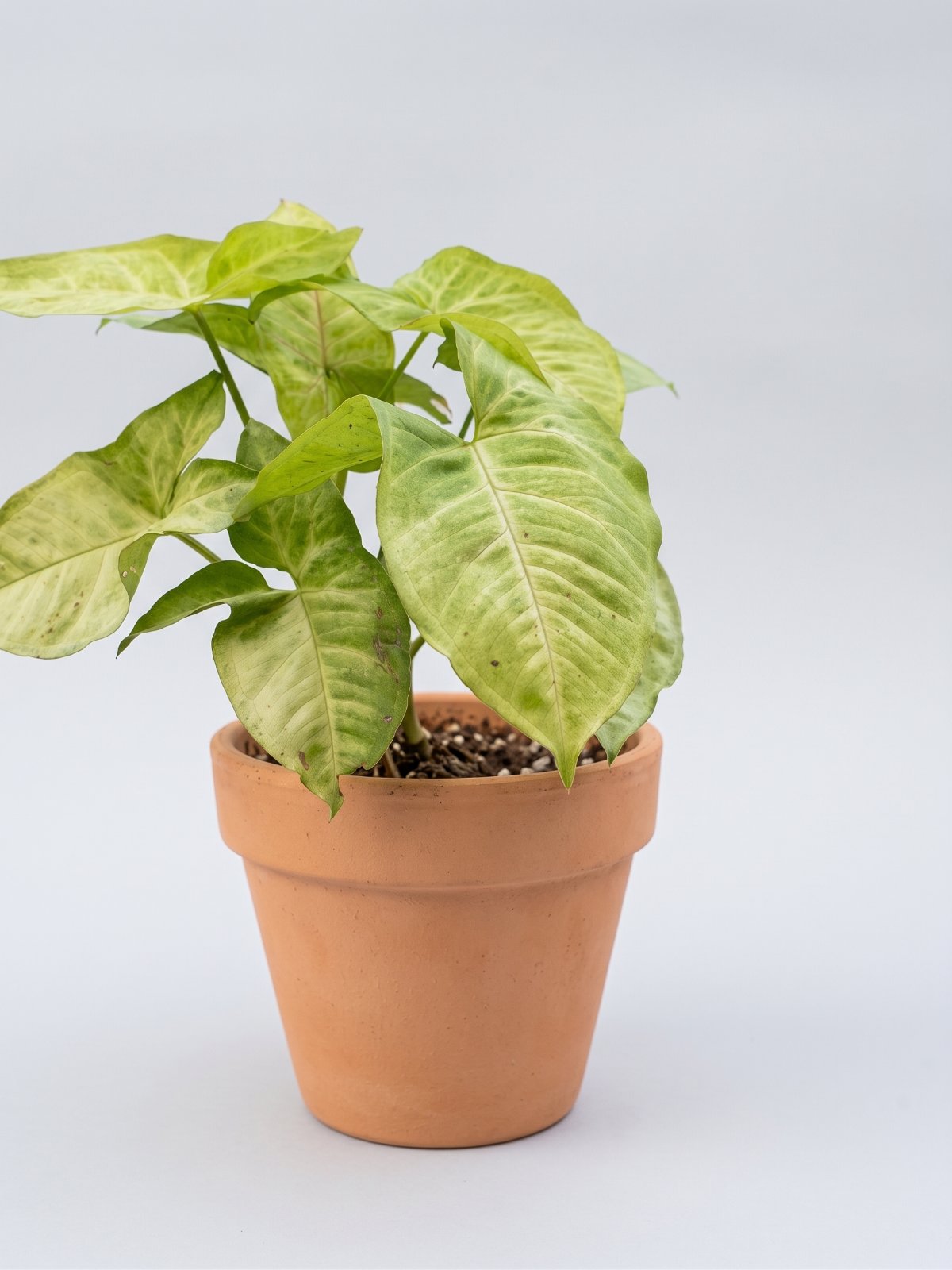
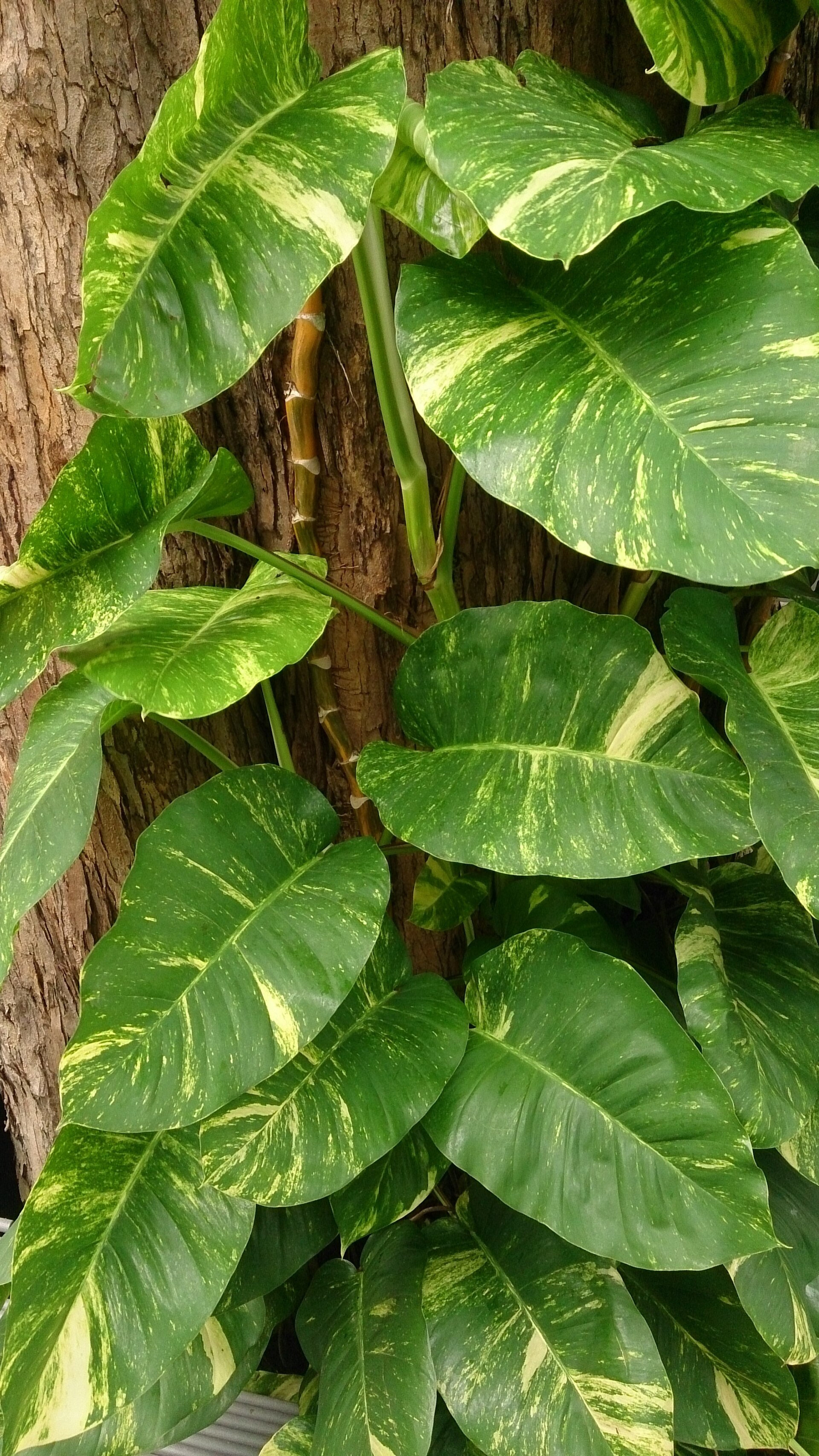
Confidence comes from success, so start with plants that are hard to kill. Indoors, a snake plant, money plant or pothos will forgive almost anything — see our best indoor plants for beginners. Outdoors, marigold, zinnia and vinca are cheerful and tough. Grow a couple of these well before you try anything demanding.
5. No garden? You can still grow
A garden is optional. A rooftop, a balcony or a bright windowsill is plenty — our guide to rooftop and balcony gardening shows how to grow in containers in a small space. And if you are growing indoors, the indoor plant care guide covers light, watering and feeding for houseplants.
6. Grow your own food and flowers
Two of the most rewarding first projects:
- Grow food. A few pots of mint, coriander, chillies and tomatoes turn a rooftop into a kitchen garden. Our kitchen gardening in Lahore guide is the place to start.
- Grow flowers. Nothing beats a rose. If you want the king of the garden, read when to plant roses in Lahore for the right timing and care.
Common beginner mistakes
- Overwatering. The biggest one. When in doubt, wait a day.
- Wrong plant, wrong season. Fight the climate and you lose; work with it and gardening becomes easy.
- Too much, too soon. Start with a few plants you can look after, not a whole nursery.
- No drainage. A pot with no hole, or heavy soil that holds water, drowns roots. Always let water escape.
Common questions
When is the best time to start gardening in Pakistan?
Autumn (September–November) is the easiest and most rewarding time to begin — the heat has broken, and it is the season for winter flowers and cool-season vegetables. That said, you can start indoor plants any time of year.
What is the easiest thing to grow for a complete beginner?
Indoors, a snake plant or money plant. Outdoors, mint and coriander, or marigold for flowers. All are cheap, fast and very forgiving.
How often should I water my plants?
Only when the soil needs it — check that the top inch is dry first. Deep, less-frequent watering in the morning or evening beats a little every day. Overwatering is the most common way beginners lose plants.
Can I garden without a proper garden?
Absolutely. A balcony, rooftop or sunny windowsill and a few pots are all you need to grow herbs, flowers and houseplants.
Every great garden starts with one plant. Come and pick your first from our plants, choose the right pots to grow them in, and we will help you get started. Happy gardening.