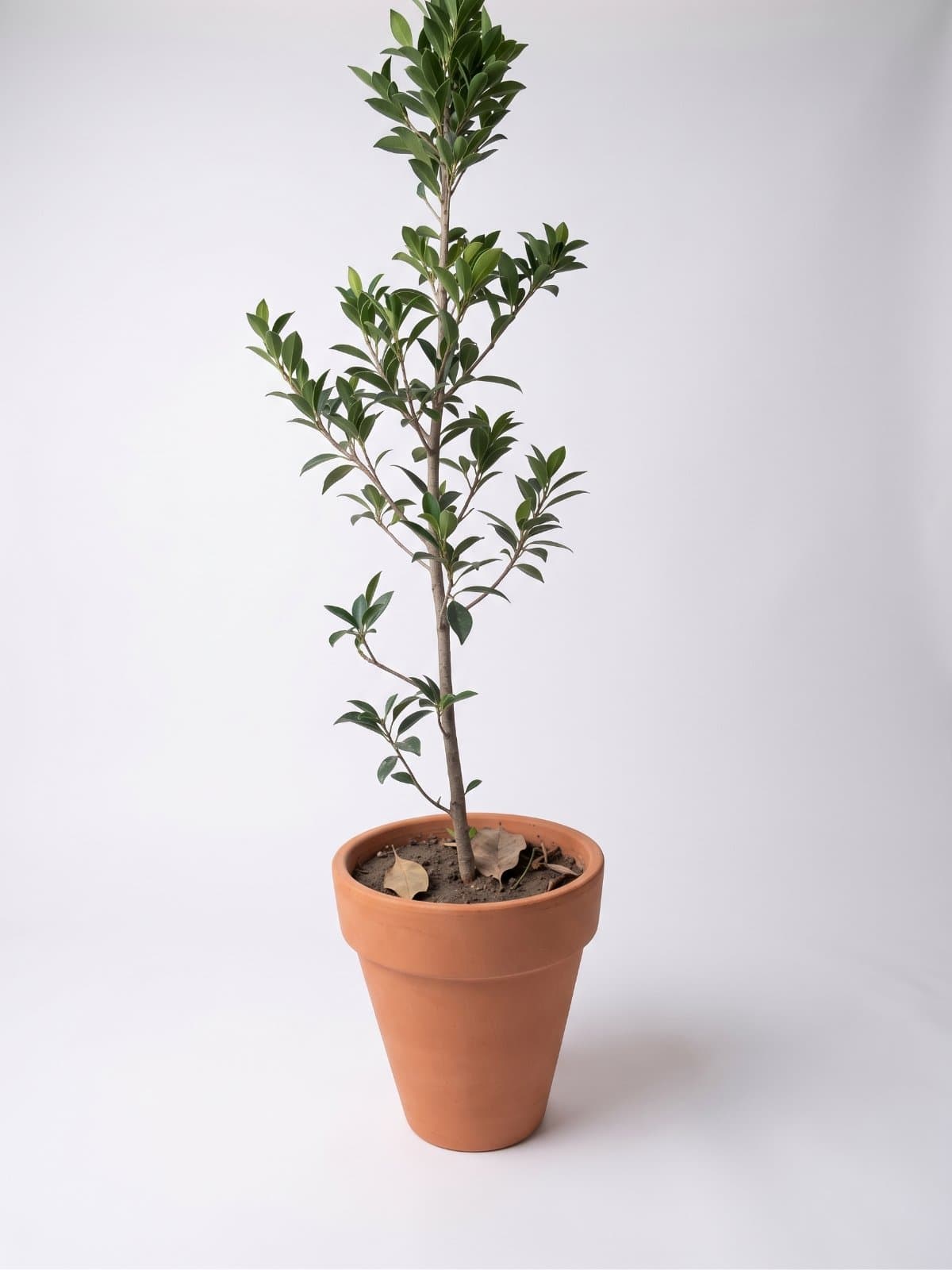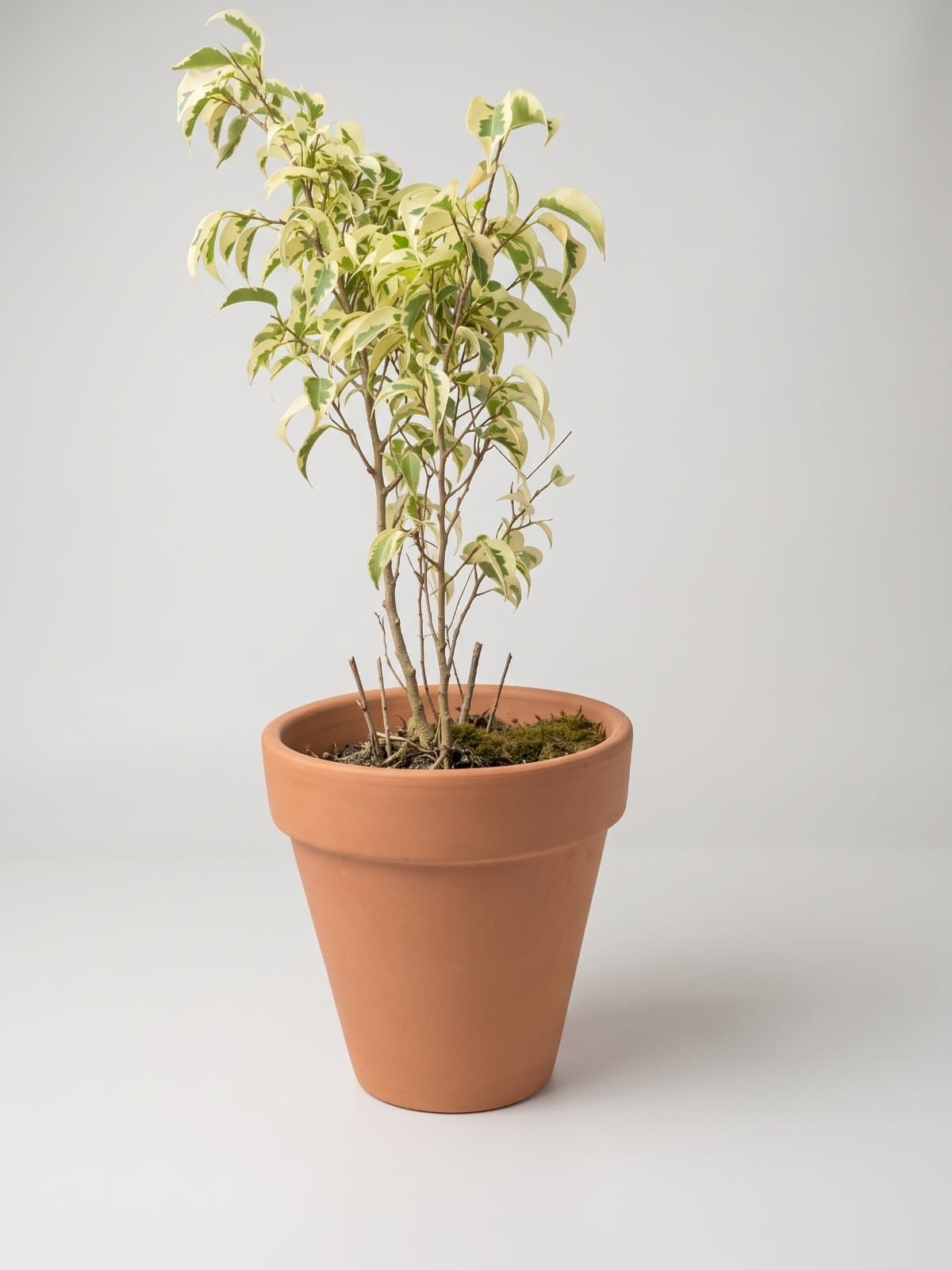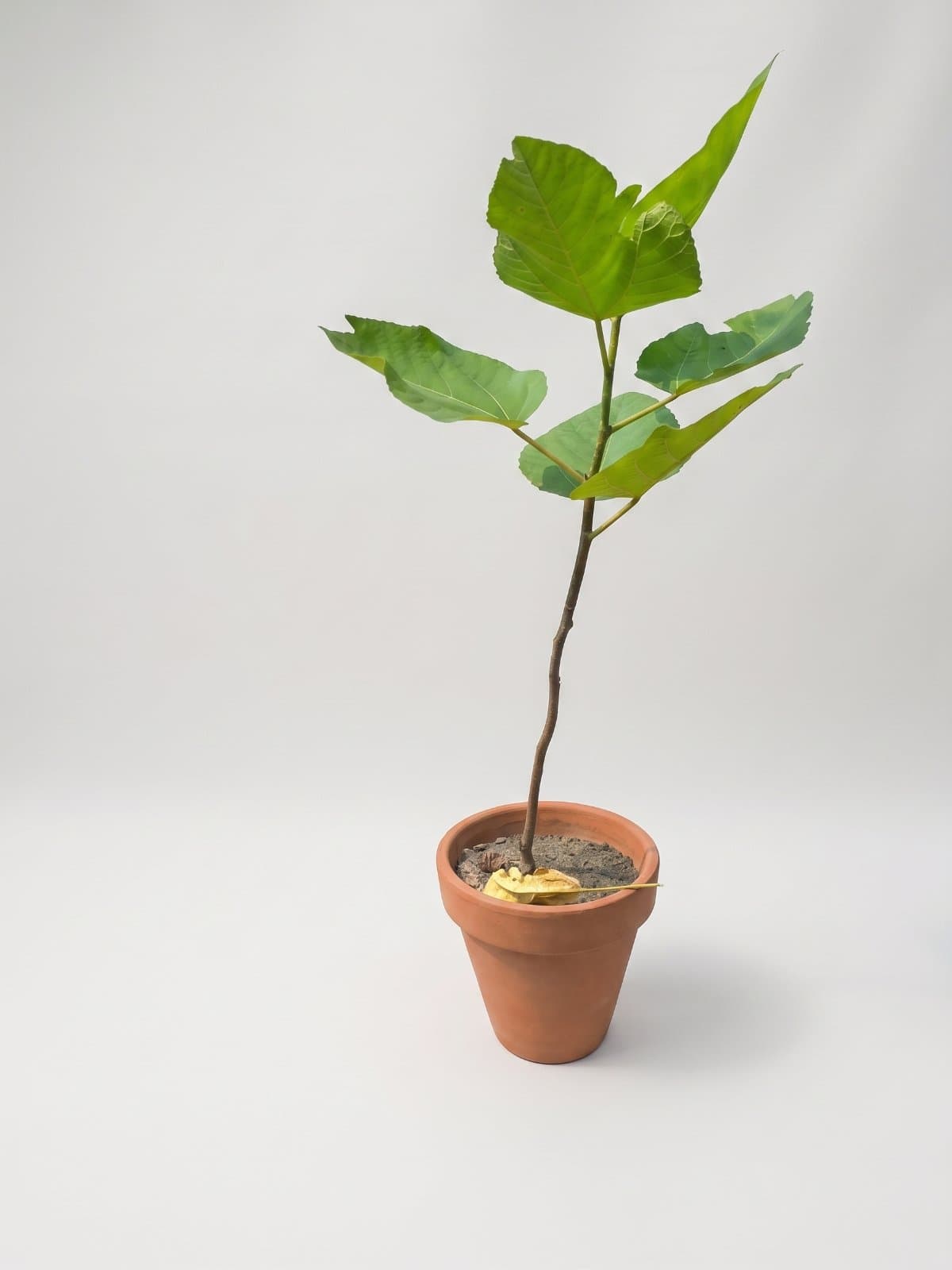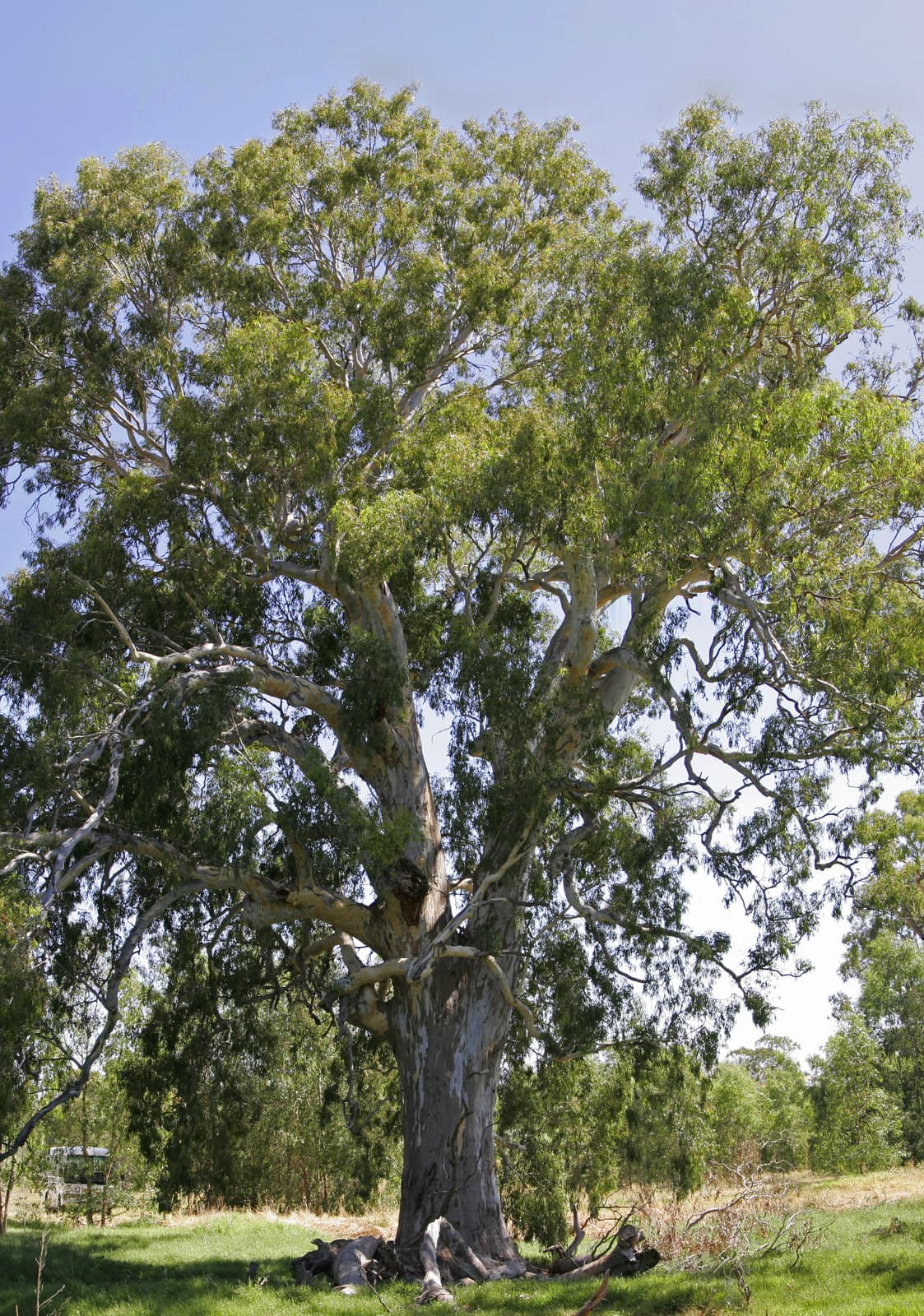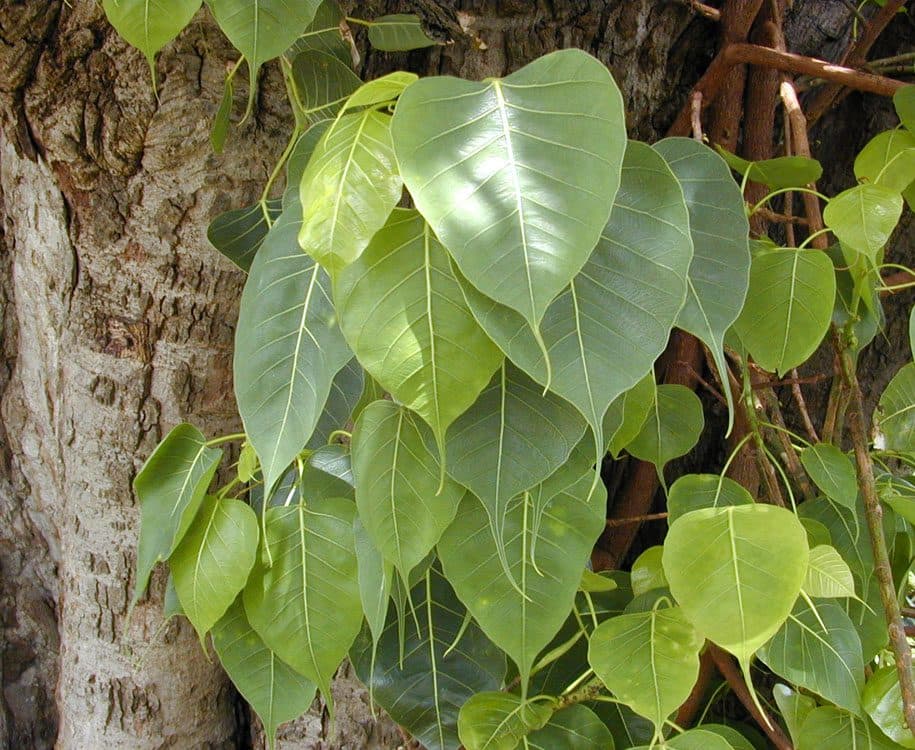
The peepal tree (also spelled pipal) is one of the most recognised and revered trees across the subcontinent — a wide-crowned giant with heart-shaped, long-tipped leaves that seem to tremble in the slightest breeze. Known to botanists as Ficus religiosa, the sacred fig has stood beside temples, shrines and old city streets for centuries. Before you plant one, though, it helps to separate the genuine facts from the folklore, because the peepal is a magnificent tree that is also far too big — and far too rooty — for most home gardens in Lahore.
What is the peepal tree?
The peepal belongs to the fig family and is a close relative of the banyan. It is a very large, fast-growing and remarkably long-lived tree that can reach 20 to 30 metres in height with a broad, spreading canopy. Its leaves are unmistakable: glossy, heart-shaped, and drawn out into a long "drip tip" that lets rainwater run off quickly. Mature trees often send down aerial roots and develop a massive, buttressed trunk. In Pakistan you will see old peepals shading shrines, graveyards, roadsides and village chowks — places with plenty of open ground for the tree to spread.
Meaning and cultural significance
Few trees carry as much meaning. In Buddhism the peepal is the Bodhi tree — the species under which the Buddha is said to have attained enlightenment — and in Hinduism it is treated as sacred and associated with the divine. Across the subcontinent, including here in Punjab, the peepal has long been a gathering place: a shaded spot where people rest, talk and hold meetings. That deep respect is well earned. A grown peepal is a genuine giant of shade and a haven for birds. Our aim here is not to diminish any of that — only to be honest about what growing one actually involves.
An honest look: is the peepal right for your garden?
This is where we have to be straight with you. The peepal is not a good choice for a small home garden or anywhere near a building. Its root system is powerful and far-reaching, and over time it is well known to:
- lift and crack pavements, driveways and boundary walls;
- push into and block drains and sewer lines;
- and damage the foundations of nearby houses and walls.
Roots can spread well beyond the width of the canopy in search of water. For that reason the peepal is best kept to large open spaces — parks, big plots, farmland edges and roadsides — where it has room to grow without threatening any structure. If you love the tree but have a normal city plot, the sensible answer is to grow it as a bonsai or a potted specimen, which keeps its size firmly under control.
How to grow a peepal tree
The good news is that the peepal is one of the easiest trees to establish. It is extremely hardy and shrugs off the Lahore summer with ease. You can start one from seed or, more reliably, from a hardwood cutting:
- From a cutting: take a healthy branch cutting, plant it in well-draining soil, keep it moist and shaded until it roots, then move it into full sun.
- Watering: water regularly while it is young; an established tree is very drought-tolerant.
- Sun: full sun is ideal — it genuinely thrives in heat.
- Soil: not fussy, but good drainage helps it settle in.
- Placement: if you are planting in the ground, keep it well away — many metres — from any wall, drain or building.
If you are new to all this, our beginner's guide to gardening in Pakistan covers the soil, watering and seasonal basics that apply to almost everything you grow here.
Peepal as a bonsai
The peepal is a favourite among bonsai growers, and for good reason. It is forgiving of mistakes, tolerates heavy pruning, and readily forms the thick trunk and characterful aerial roots that make a bonsai look old and dramatic. Grown in a pot it stays small, so you get all the beauty and meaning of the tree with none of the root trouble. It is a wonderful species to learn on — see our bonsai care guide for beginners in Pakistan for watering, pruning and repotting through the seasons.
Common questions
Does the peepal tree really give oxygen 24 hours a day?
This is the most common claim about the peepal, and honestly it is exaggerated. Like every green plant, the peepal releases oxygen only in daylight, through photosynthesis, and at night it respires — taking in oxygen — just like other plants. It does use a special water-saving trick (called CAM) that lets it absorb some carbon dioxide at night, which is probably where the "oxygen at night" story comes from. But absorbing CO2 is not the same as releasing meaningful oxygen. None of this makes the peepal any less valuable: a large, leafy tree is still one of the best things you can grow for shade and cleaner air during the day.
Can I grow a peepal in a small Lahore garden?
In the open ground, no — please don't. Its roots will eventually reach your walls, drains and foundations, and a full-grown peepal is simply too large for a city plot. If you want the tree at home, grow it as a potted bonsai instead, which keeps both the size and the roots under control.
Is peepal a good tree for a bonsai beginner?
Yes — it is one of the best. It is tough, quick to respond and hard to kill, which is exactly what you want while you are still learning. Our bonsai care for beginners guide walks you through the first year.
What can I plant instead if I just want shade?
If shade is your real goal and you have limited space, choose a tree with better-behaved roots. The chinaberry (bakain) is a fast-growing shade tree that suits Lahore well and is far friendlier to a normal-sized plot than the peepal.
We do not currently keep peepal saplings at the farm, but message us on WhatsApp and we can arrange one for you on order. And if what you really want is quick shade for a normal Lahore plot, we do keep the chinaberry tree (bakain) — a fast-growing shade tree whose roots are far kinder to your walls and drains than the peepal's. Tell us what you have in mind and we'll point you the right way.