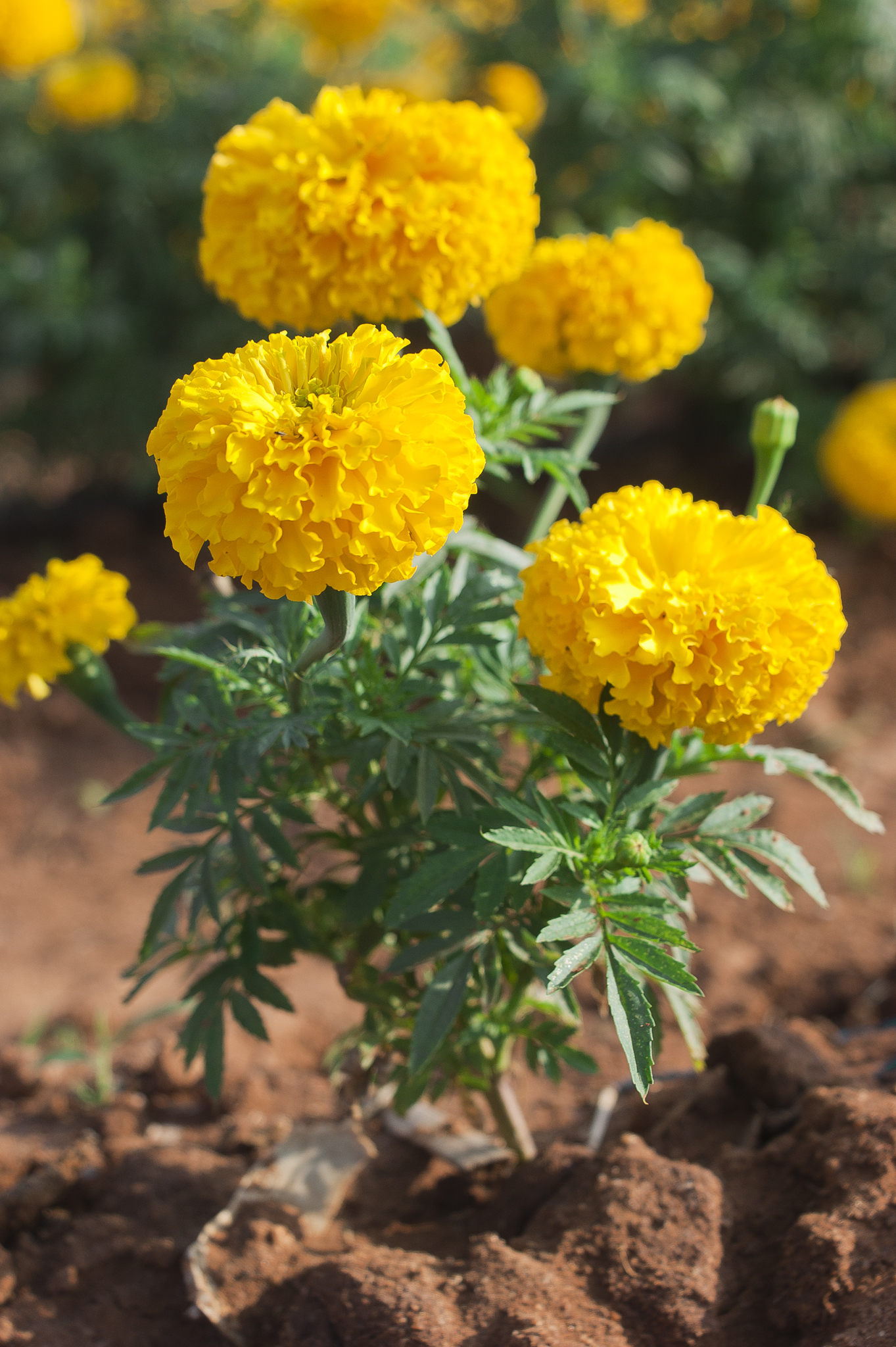
In short: Marigold (genda) is the easiest flower to grow in Pakistan. In Lahore, sow seed in September to October for flowers from winter into spring, or sow again in February for spring colour. Give it full sun and well-drained soil, water when the surface dries, and snip off faded flowers to keep it blooming. Plants start flowering six to eight weeks after sowing.
Marigold — genda phool — is the most forgiving splash of colour a Pakistani garden can grow, and growing marigold from a packet of cheap seed is genuinely easy. From wedding garlands to temple offerings to a simple front-bed border, the bright orange and yellow pom-poms are woven into everyday life here. Give the plant sun, ordinary soil and a little water and it will reward you for months. Here is how to raise a sheet of colour in Lahore.
When to sow in Lahore
Marigold is a cool-and-mild-weather bloomer, so timing matters more than anything. Sow seed in late summer to autumn (September to October) for the big winter-into-spring flush that carries you through the wedding and event season. A second lighter sowing in February gives spring colour. Avoid sowing into the fierce heat of May and June — seedlings struggle and plants bolt. Seed germinates in about a week in warm soil, and plants begin flowering roughly six to eight weeks after sowing.
Sun and soil
Give marigold full sun — at least five to six hours a day. In shade you get tall, leggy plants and few flowers. It is not fussy about soil as long as water drains away; a bed dug over with a spadeful of compost, or an ordinary pot mix, is plenty. Heavy clay that stays soggy is the one thing it hates, so loosen it and add compost or sand.
Watering and feeding
- Water when the top of the soil dries. Marigold likes moisture but rots in constant wet. In cool weather that may be every two or three days; a potted plant in warmer spells dries faster.
- Water the base, not the flowers. Wetting the blooms and dense foliage overhead invites grey mould and rot.
- Feed lightly. A balanced feed every few weeks keeps it going, but too much nitrogen gives you a bush of leaves and few flowers.
Deadhead for months of colour
This is the single trick that separates a tired plant from a mound of non-stop bloom. As each flower fades, pinch or snip it off just below the head. Left alone the plant pours its energy into setting seed and slows down; deadheaded regularly, it keeps throwing new buds for weeks. Pinching out the growing tips of young plants also makes them bushier and fuller.
Pests and a useful bonus
Marigold is famously tough. Its main enemies in a Lahore garden are spider mites and thrips in hot, dry spells, and grey mould in damp, crowded plantings — space plants for airflow and water at the base to avoid both. Handily, marigold roots — especially French types — release compounds that suppress root-knot nematodes in the soil, while its scent and flowers help with some above-ground pests and draw in beneficial insects, which makes it a favourite companion in a kitchen garden.
Saving your own seed
Let a few of the last flowers dry fully on the plant until the heads turn brown and papery, then rub out the long, dark, brush-tipped seeds and store them somewhere dry. Next season you sow for free — one reason genda is the flower every Pakistani gardener starts with.
Common questions
Why is my marigold not flowering?
Usually too little sun, too much nitrogen feed, or no deadheading. Move it into full sun, ease off rich fertiliser, and snip off spent flowers to trigger fresh buds.
Can I grow genda in a pot?
Yes — it is one of the best pot flowers there is. Use a well-draining mix, a sunny spot, and water when the surface dries. A row of pots along a wall or stair gives instant colour.
Which marigold is best, African or French?
African (tall, big pom-pom) types are the classic garland and event flower; French (smaller, bushier) types are neat for borders and pots. Both grow the same way here.
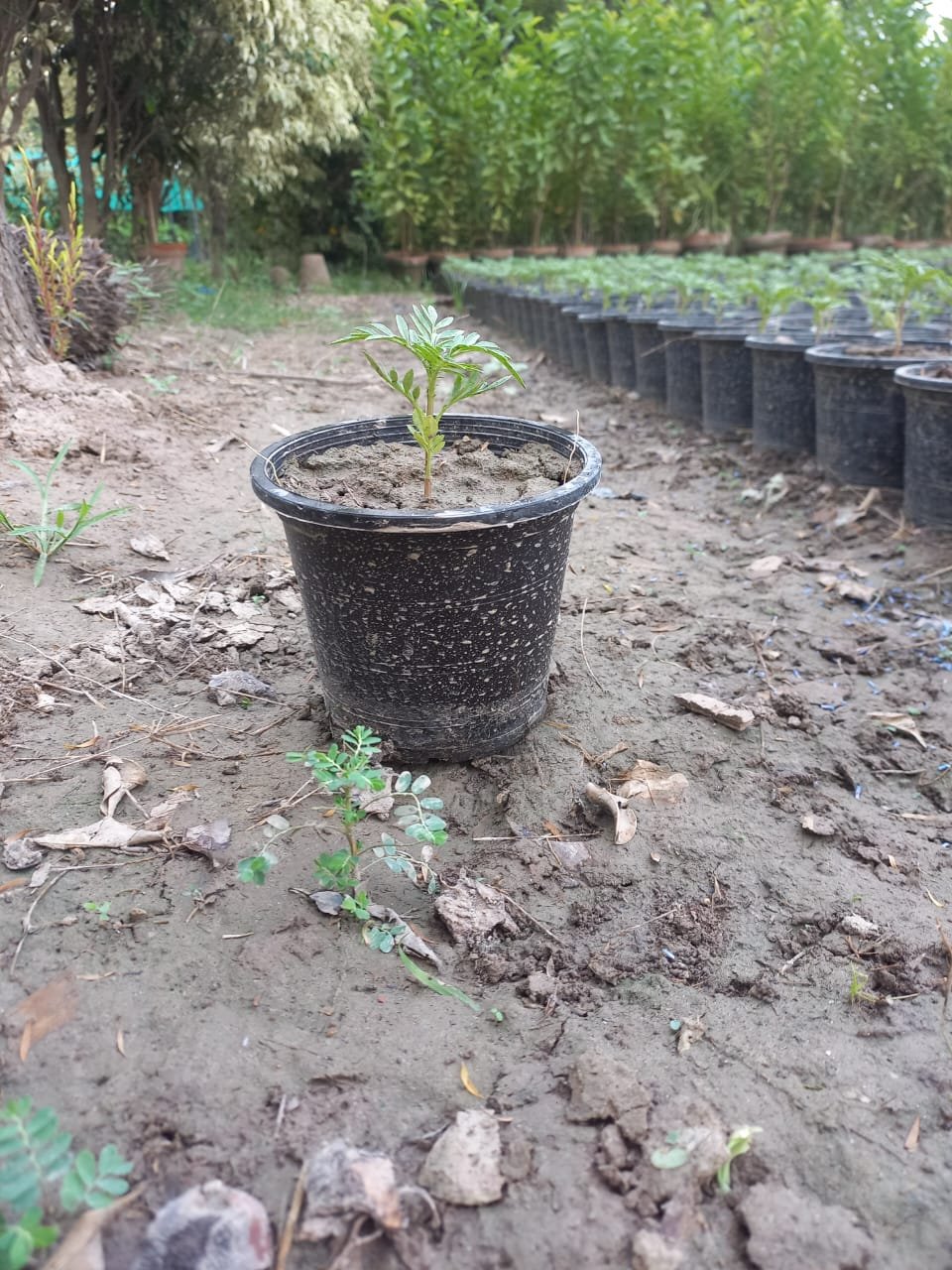
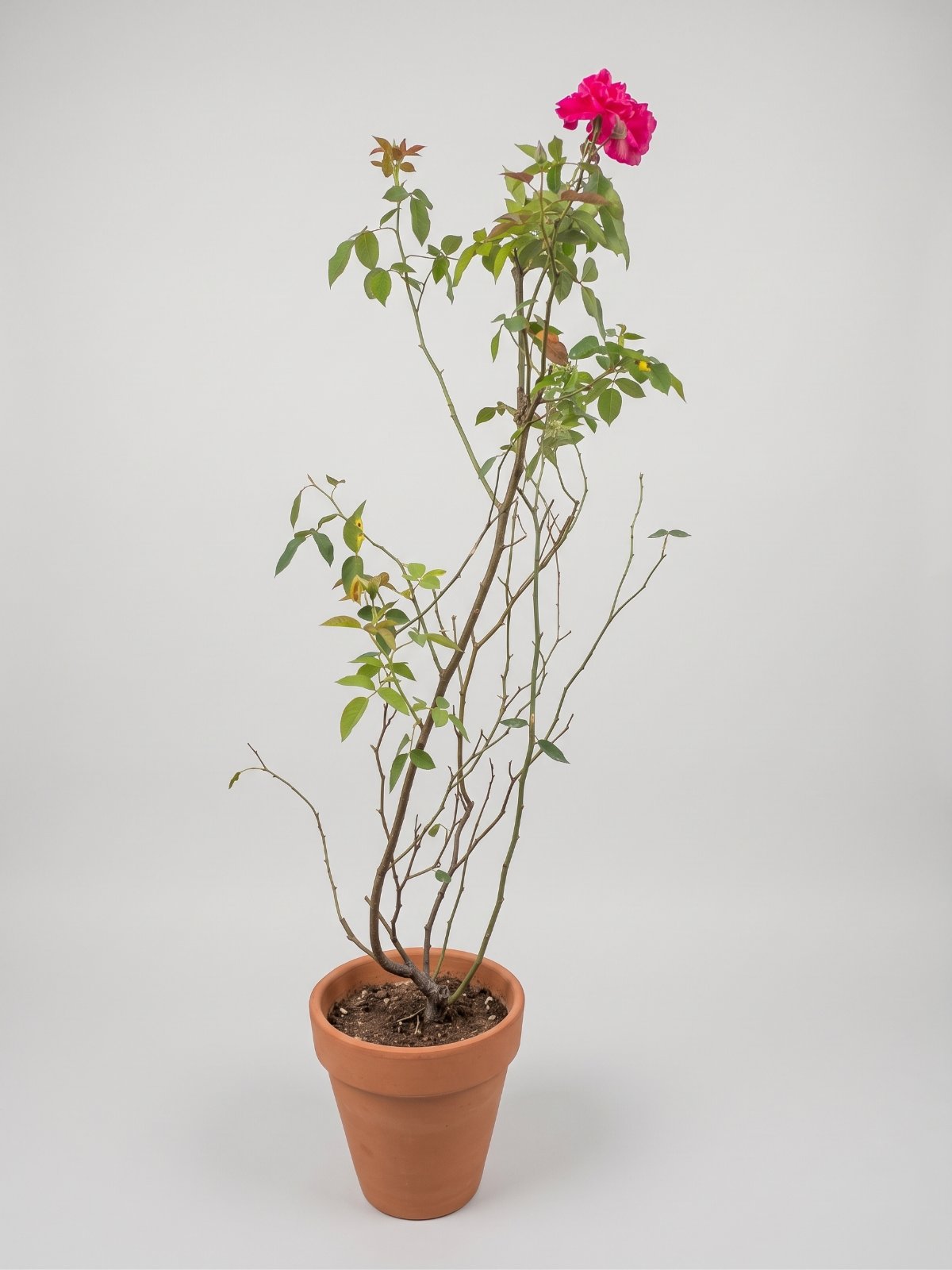
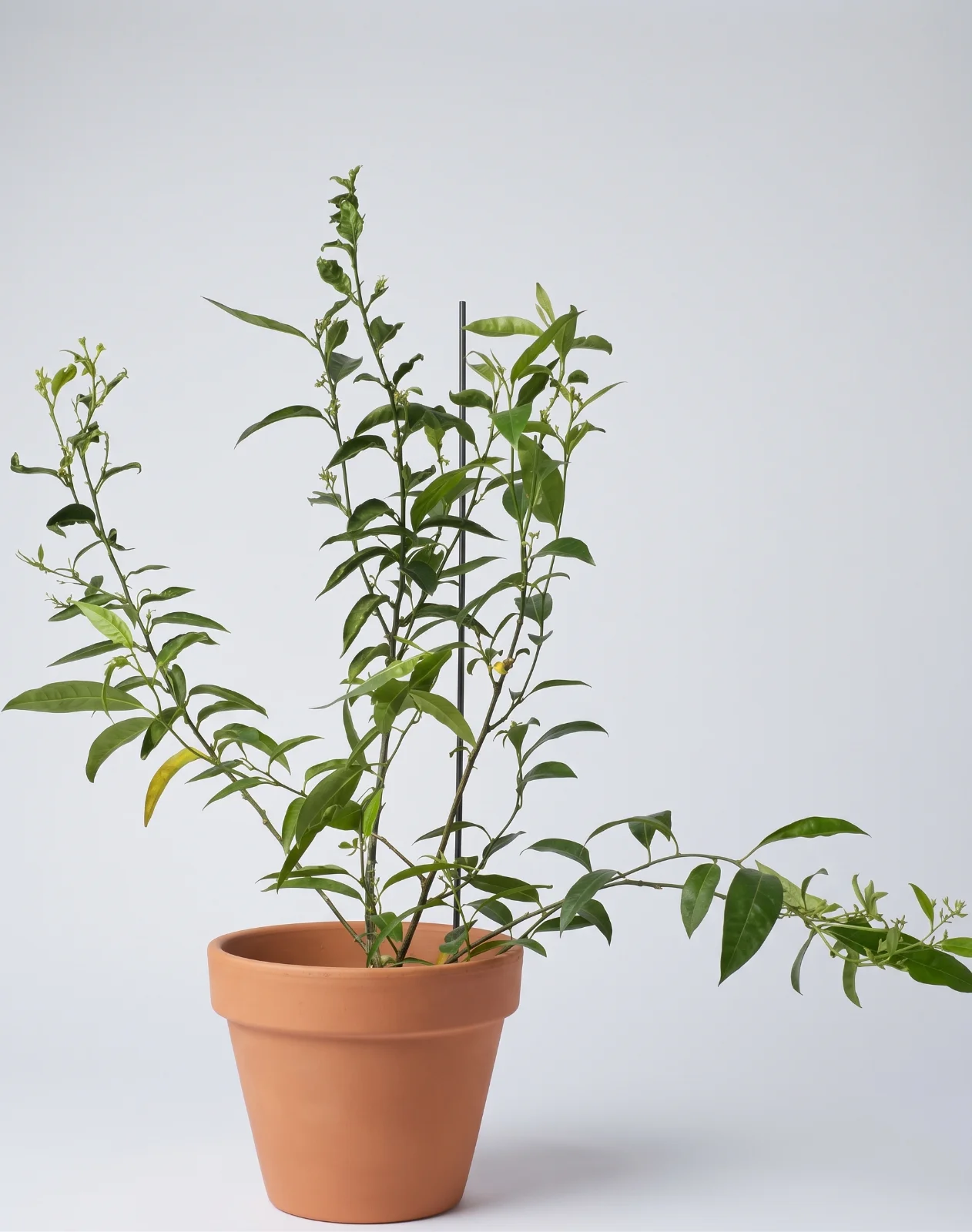
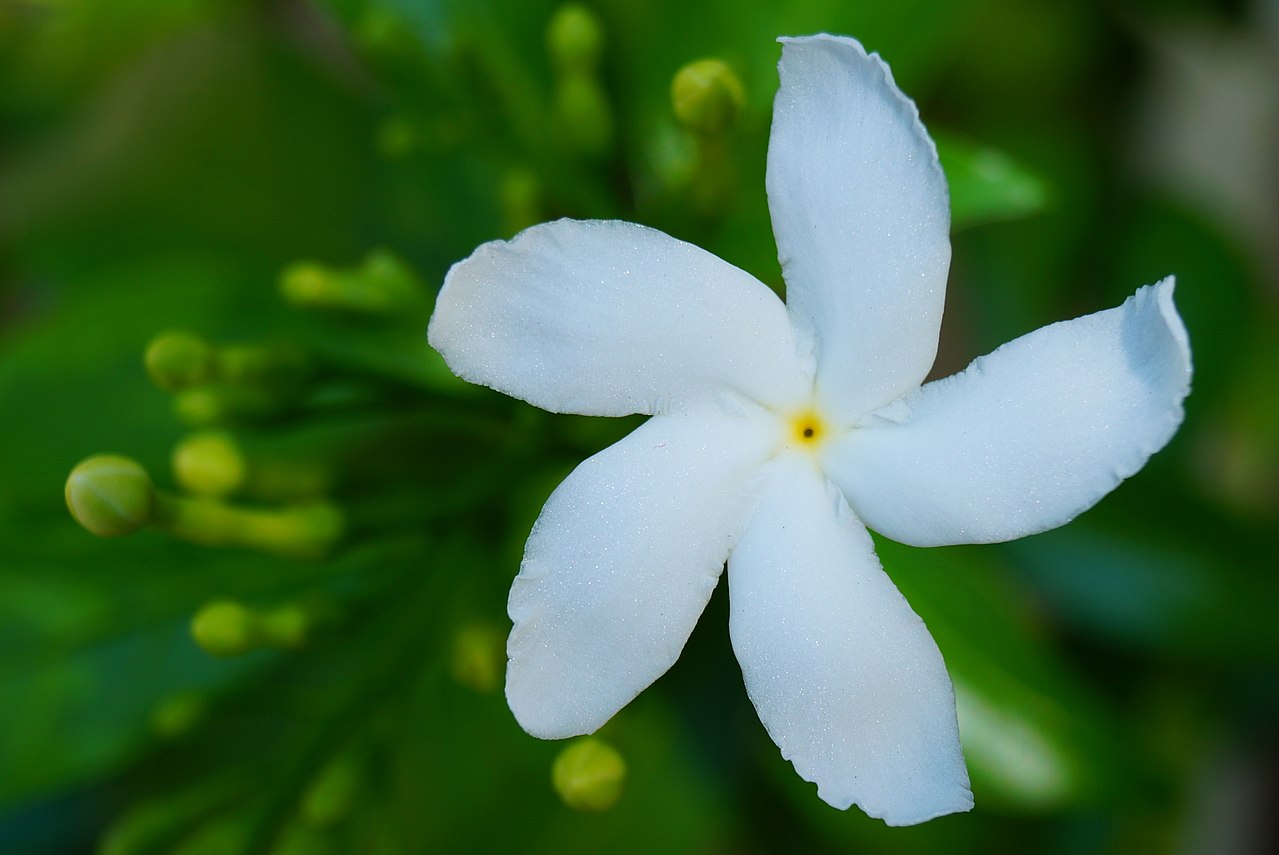
Marigold is a wonderful seasonal filler, and you do not have to start from seed: we grow young marigold (genda) plants at the farm, ready to go straight into a bed or pot — message us on WhatsApp to reserve a few. For permanent colour and scent that comes back year after year, pair it with something lasting: we also keep healthy red rose plants and fragrant motia (Arabian jasmine). For more ideas, see our guides to seasonal flowers in Pakistan and winter flowers for Pakistani gardens.