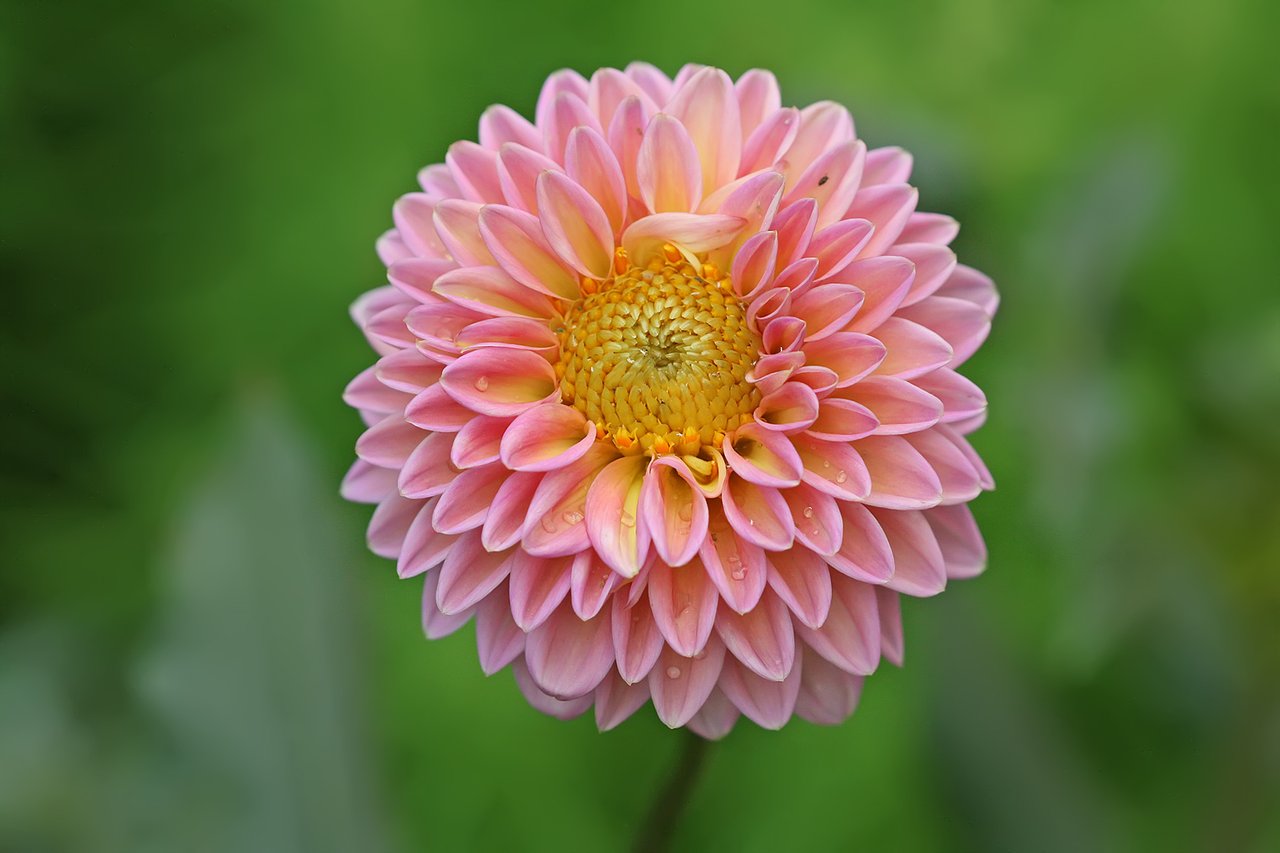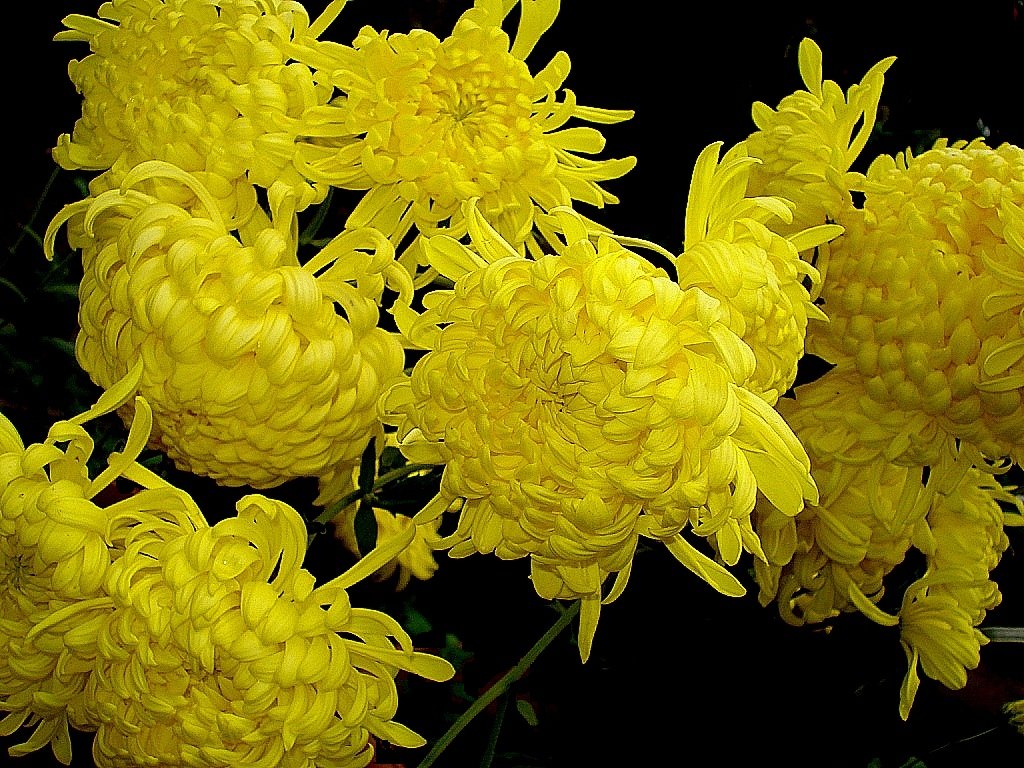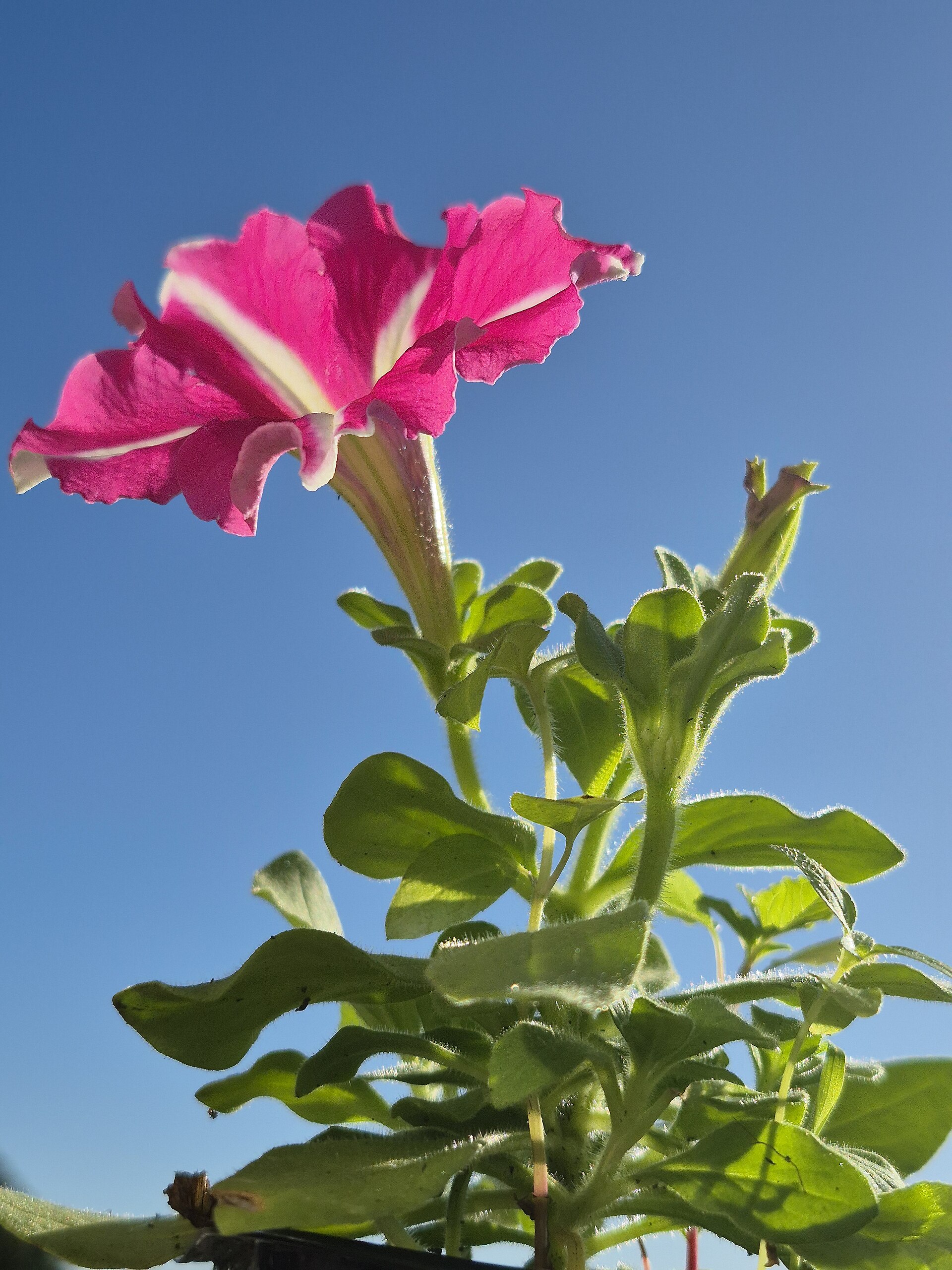
The best winter flowers for Pakistani gardens — aster, petunia, snapdragon and, in the cooler pockets, hydrangea — turn our mild Punjab winter into the most rewarding gardening season of the whole year. Once the fierce summer heat breaks, these cool-season annuals give you months of colour on a balcony, in a border or in a row of pots by the gate. Here is how to plan, sow and care for them so your garden peaks from November right through to March.
When to sow — a Punjab planting calendar
Timing is everything with winter annuals, because they hate heat and love the cool. In the Lahore plains the rhythm usually runs like this:
- September to mid-October: raise seed in trays or a shaded nursery bed while days are still warm — aster, petunia, snapdragon, dianthus, calendula and stock all start here.
- Mid-October to November: transplant the young seedlings into their final spot as the nights turn cool. This is the single most important window.
- December to February: the plants bulk up and flower through the cool months, unbothered by our mild winter.
- March: a last flush of colour before the rising heat tires them out and it is time to pull them.
If you miss the seed-sowing window, buy ready seedlings from a nursery in October or November and skip straight to transplanting.
Sun and position
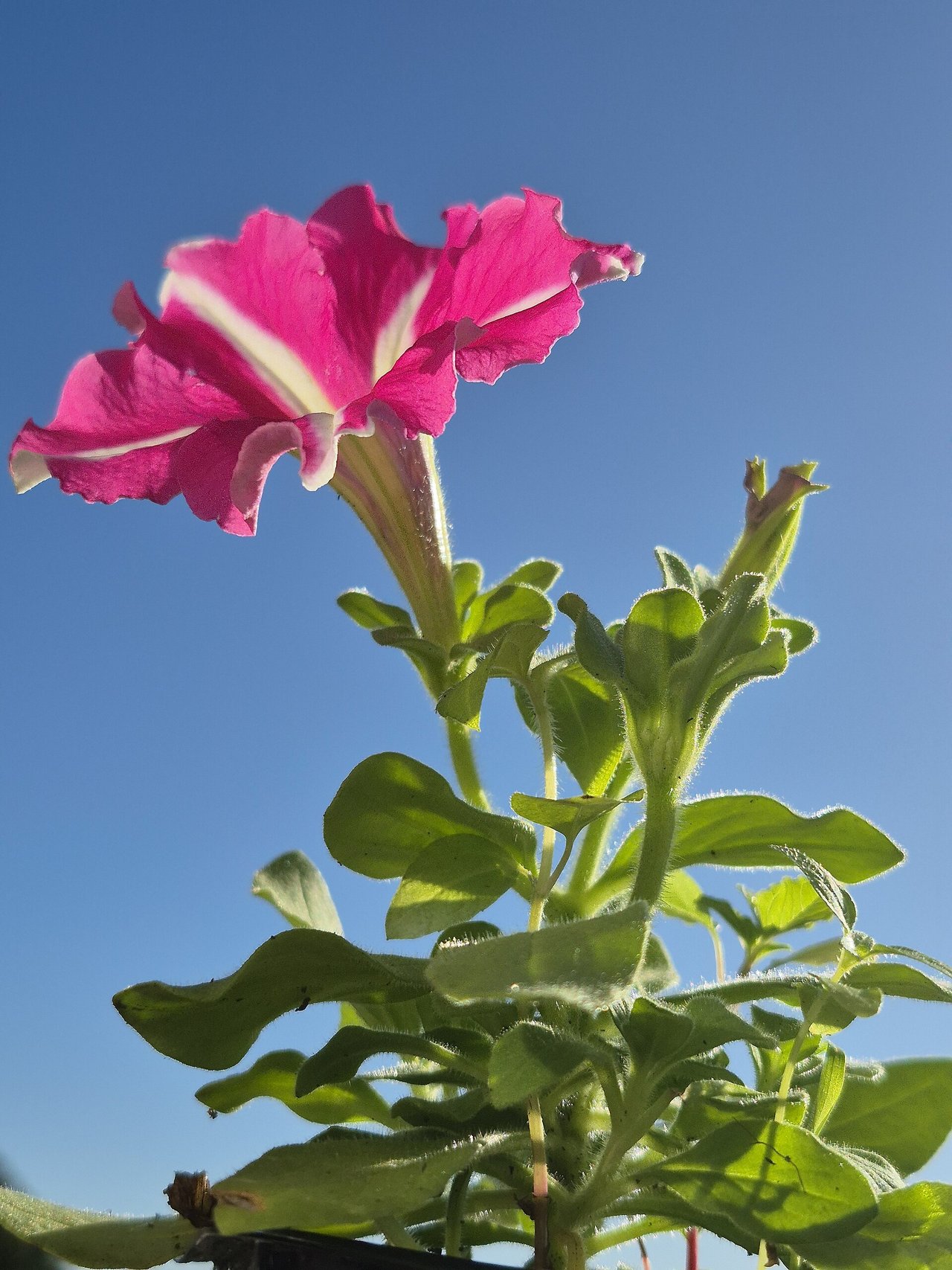
Nearly all winter annuals want full sun in our climate — five to six hours or more. Winter light is gentle here, so a spot that would scorch a plant in June is perfect now. Aster, petunia and snapdragon all flower best in open sun. The exception is hydrangea, which is a shrub rather than an annual and prefers morning sun with shade from harsh afternoon light; it does best in the cooler, wetter microclimates and in a large pot you can move.
Soil and water
Give them loose, well-drained soil enriched with compost or old manure. Winter annuals have shallow roots, so keep the topsoil lightly moist — water every two to three days in mild weather, more in a dry spell, and always let the surface dry a touch between drinks so the roots never sit soggy. Container plants dry faster than beds and need checking more often. Hydrangea is the thirsty one of the group and likes richer, consistently moist soil.
The secret to more flowers: feeding and deadheading
- Deadhead regularly. Pinch off faded blooms on petunias, snapdragons and asters and the plant pours its energy into new buds instead of setting seed. This one habit doubles your flowering.
- Feed every two to three weeks. A balanced feed, or one slightly higher in phosphorus, through the growing months keeps the colour coming rather than just leaves.
- Watch for aphids. In still winter air, greenfly can gather on soft new tips — a spray of water or mild soap solution usually clears them.
Easy companions to plant alongside
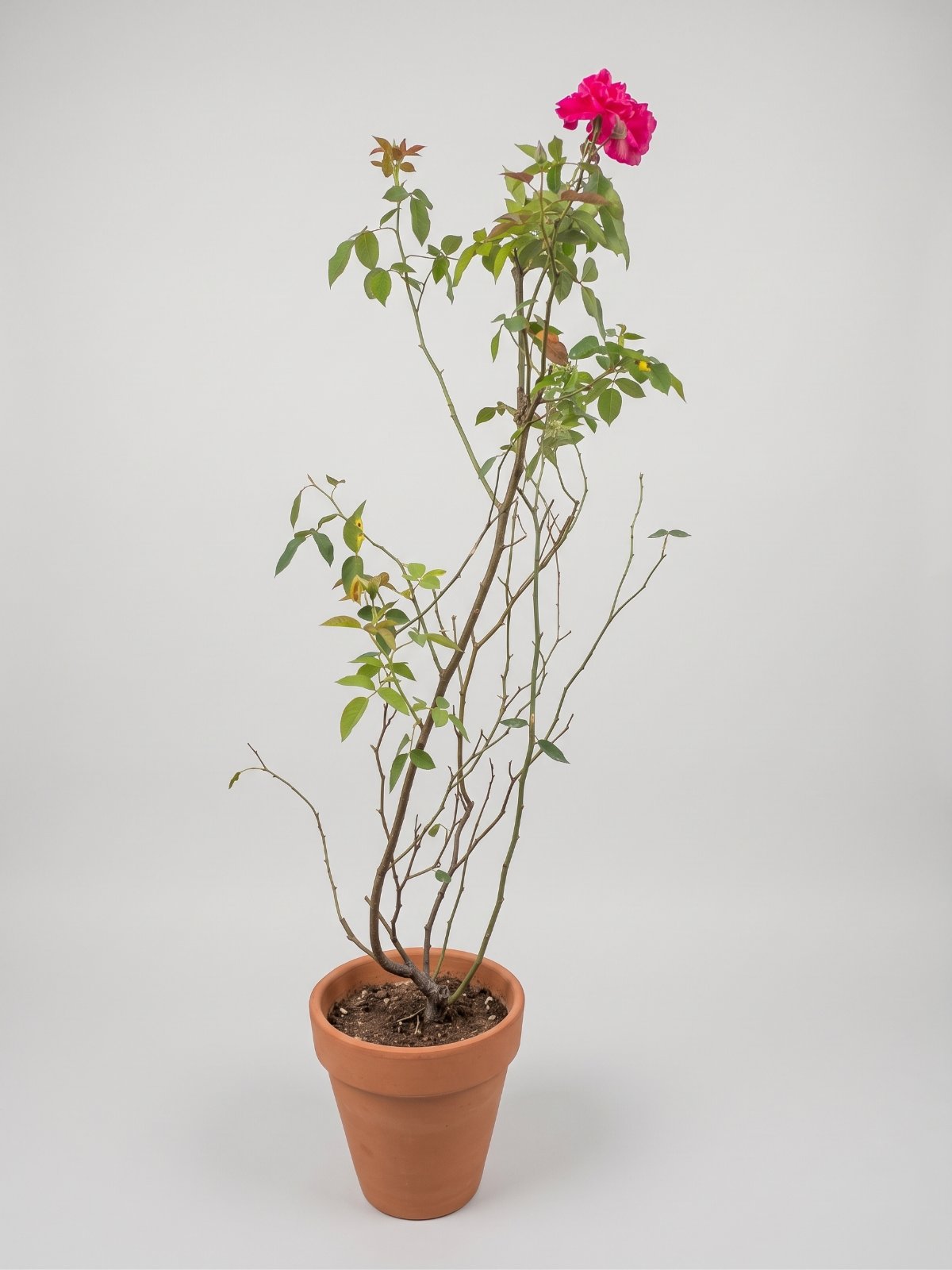
Winter annuals look their best in generous drifts. Mix in marigold for dependable orange and yellow that shrugs off cold, and edge a bed with cheerful daisy. For height and scent behind the annuals, a well-timed rose comes into its own in the cool months too. For the fuller seasonal picture, see our guide to seasonal flowers in Pakistan.
Common questions
When should I plant winter flowers in Lahore?
Sow seed from September to mid-October, then transplant the seedlings out in mid-October and November as the nights cool. That gives you flowers from December through March.
Which winter flowers are easiest for beginners?
Petunia, calendula, dianthus and antirrhinum (snapdragon) are the most forgiving, along with marigold. Aster is easy too. Hydrangea is more demanding and suits a gardener who can give it shade and steady water.
Can I grow these winter flowers in pots?
Yes — petunias, snapdragons and asters are excellent in pots and window boxes. Use a well-draining mix, a sunny spot, and water a little more often than you would a garden bed.
Does hydrangea grow in Pakistan?
It can, but it is fussier than the annuals — it wants dappled shade, rich moist soil and cooler air, so it does best in a large movable pot or in the cooler northern belt rather than in the hot open plains.
We don't grow most of these annuals as named — but if you'd like us to try to arrange aster, petunia or snapdragon seedlings for the season, message us on WhatsApp and we'll see what we can source. And if you'd prefer something we grow ourselves and know will thrive, come to us for hardy, cheerful, healthy Red Roses — or read our sibling guides on growing lilies and growing lupins.