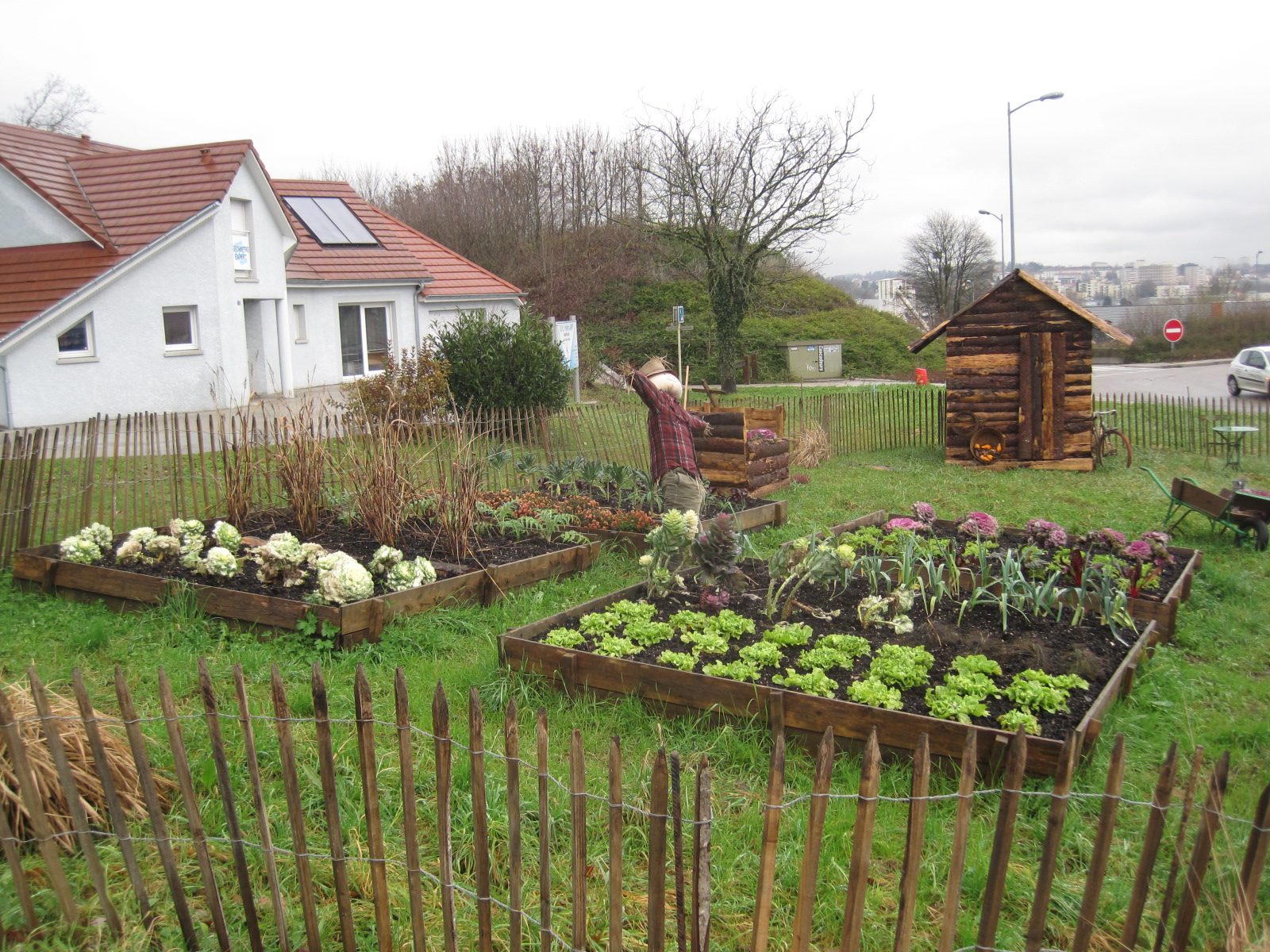
Every autumn, more Lahore families ask us the same thing: "Can I grow my own vegetables at home?" With the price of a kilo of tomatoes what it is, the question makes complete sense — and the honest answer is yes. Kitchen gardening — growing your own sabzi on a rooftop, a back lawn, or even a row of grow bags on a balcony — is the fastest-growing thing we see at the farm, and you do not need land or experience to start.
What kitchen gardening really means
It simply means growing food for your own kitchen instead of buying it. In Lahore that usually looks like a few containers or gamlay on a sunny chhat, a raised bed in the aangan, or grow bags along a balcony railing. A single bag of coriander (dhania) or mint (podina) pays for itself in a month; a good summer will give you more tomatoes and chillies than a small family can eat.
Two things make it work in our city: enough sun — five to six hours is plenty — and honest drainage. Get those right and almost everything else is forgiving.
What to sow, and when — a Lahore calendar
Lahore has two clear growing seasons. Match the crop to the season and you are already halfway to success.
Winter (Rabi) — sow late September to November
- Spinach (palak), coriander (dhania) and fenugreek (methi) — the easiest leafy start
- Peas (matar), carrot (gajar), radish (mooli) and turnip (shaljam)
- Cauliflower (phool gobi) and cabbage (band gobi), usually raised as transplants
- Garlic (lehsan) and onion (pyaz)
Summer (Kharif) — sow February–March, and again in the July monsoon
- Tomato (tamatar) and chilli (mirch) — start chilli in a nursery tray in winter, then transplant in spring
- Okra (bhindi), cucumber (kheera) and the gourds — bottle gourd (ghiya), bitter gourd (karela) and pumpkin (kaddu)
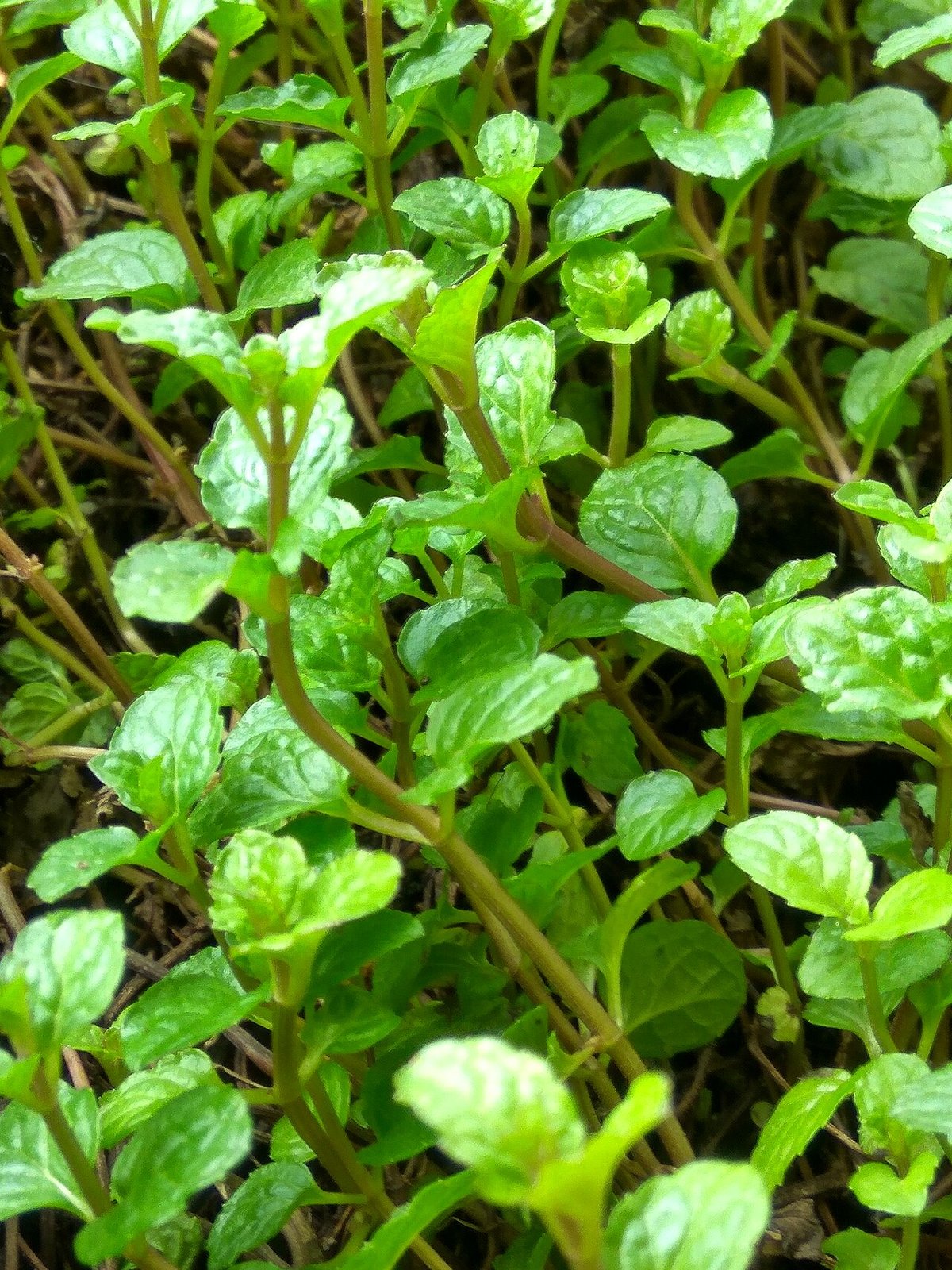
- Mint (podina), which will grow for you nearly all year
One local warning: do not start tender seedlings in the peak heat of May and June — our afternoons touch 40°C and young plants simply cook. Get spring crops established by March, then wait for the cooler monsoon window in July.
Reading this in late August? You are right on time to prepare for winter — start your cauliflower and cabbage transplants now, and sow palak, mooli and methi through September and October.
How to set up — the beginner's kit
Containers, grow bags or a raised bed. For a rooftop or balcony, fabric grow bags are the best value — they drain well and keep roots healthy. Use deep bags (12 inches or more) for tomatoes and gourds; shallow pots are fine for coriander and mint.
Do not fill pots with raw garden soil. Lahore's soil is heavy clay that sets like a brick in a container. Mix roughly two parts potting or garden soil with one part compost and a handful of sand for drainage. Good pots and planters with drainage holes make the whole thing easier.
Sun and water. Give your plants five to six hours of direct sun. In summer, water once a day — but always push a finger into the soil first. If it comes out damp, wait.
The mistakes we see most
- Overwatering. Yellowing leaves usually mean too much water, not too little. Drainage holes are not optional.
- Wrong season. Summer seeds sown in winter — or the reverse — simply sulk.
- Too little sun. A shaded balcony gives you weak, leggy plants.
Start small — a bag of coriander, a pot of mint, two chilli plants — and add as your confidence grows. If you want a head start, we keep healthy seedlings and young plants at the farm, along with the pots and soil to match. And if you want fruit as well as sabzi, a Fig Plant does beautifully in a large Lahore pot.
Common questions
What can a complete beginner grow first?
Coriander, mint, green chillies and spinach. They are cheap, quick, and hard to kill.
How much sun does a rooftop garden need?
Five to six hours of direct sun is the minimum; fruiting vegetables like tomatoes want a little more.
Can I really grow vegetables through a Lahore summer?
Yes — but sow in February–March or in the July monsoon, and avoid starting seedlings in the extreme May–June heat.