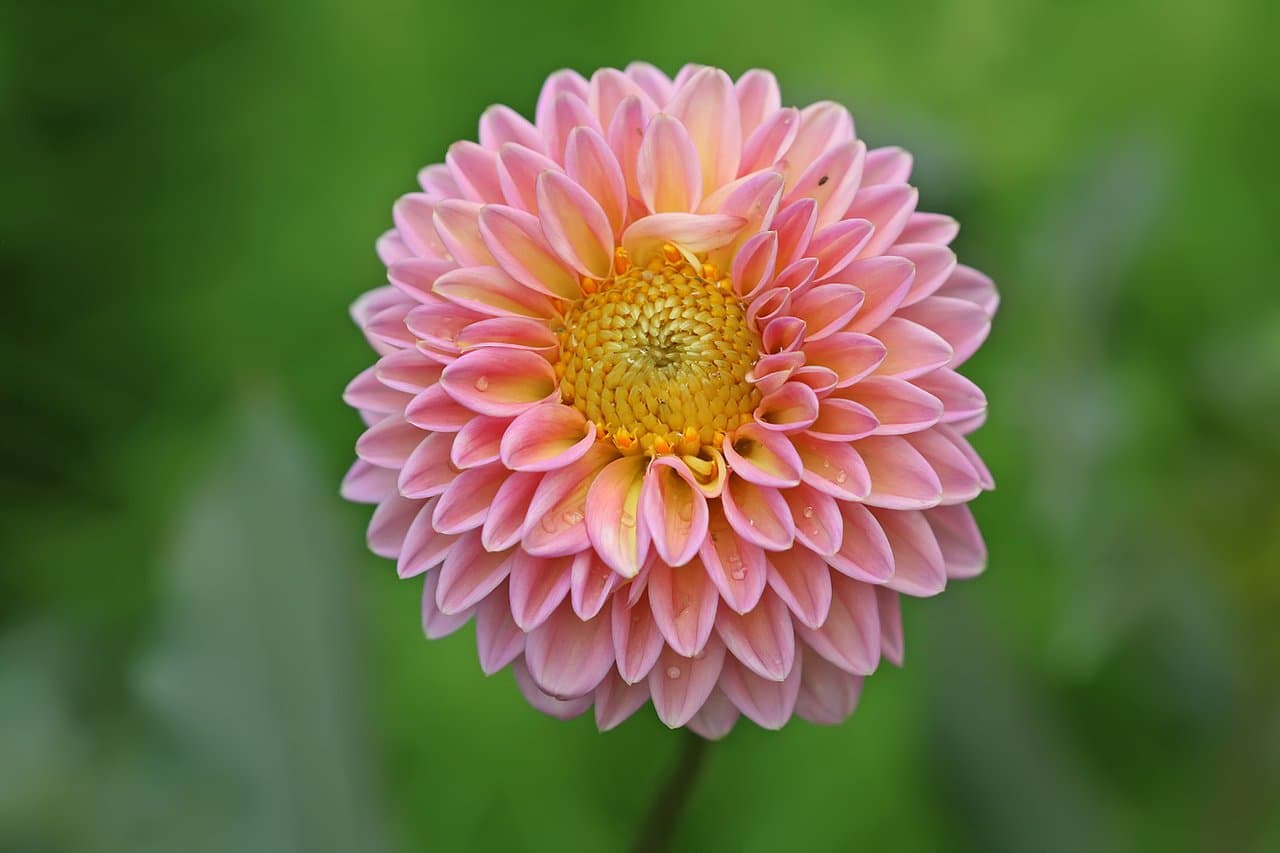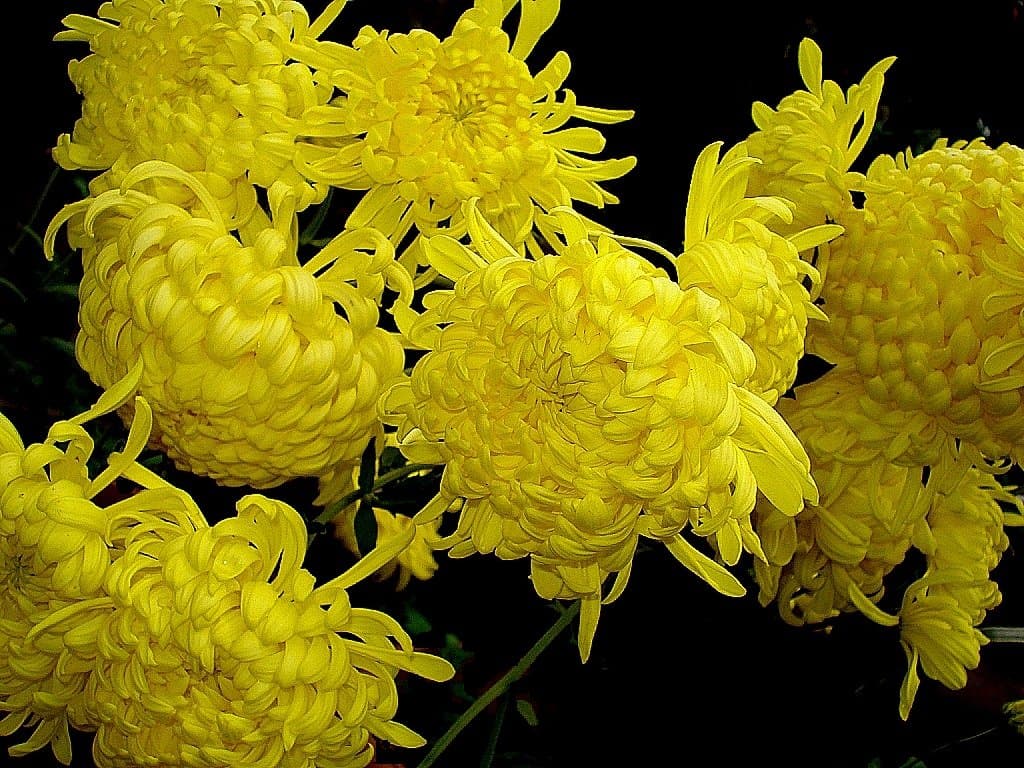
The chrysanthemum — guldaudi to most of us — is the great flower of a Lahore winter. Once the roses have had their first flush, it is guldaudi that lights up lawns and gamlas across the city with mounds of colour, in a range of shades and flower forms no other cold-season plant can match. It is grown here two ways: as bushy potted plants trained for autumn flower shows, and in beds for a sheet of colour from November onwards.
Guldaudi is not a fussy plant, but it rewards a little know-how. Get the timing, the pinching and the feeding right and one small cutting taken in the monsoon becomes a plant smothered in flowers by winter. Here is how we grow it, tuned to the Lahore and Punjab plains.
When guldaudi flowers in Lahore, and when to plant it
Guldaudi is a short-day plant: it sets its buds as the days shorten and the nights cool, which is why it flowers in the cold months. In Lahore you can expect bloom from roughly November through January, with the main show in November and December. To have plants ready in time, you start them in late summer. There are two classic ways to raise new plants:
- From cuttings (monsoon, July–August): take 8–10 cm terminal cuttings from a healthy plant, strip the lower leaves, and root them in a sandy mix or a shaded seedbed. They root in two to three weeks; pot them up into 20–25 cm gamlas, or plant them out by late July or August, so they have the whole autumn to grow.
- From suckers: after an old plant finishes flowering, cut the stems back to near ground level. Fresh suckers spring up around the base through late winter and spring — separate these rooted shoots and grow them on. Suckers lifted in February give you next season's stock.
Named varieties do not come true from seed, so cuttings and suckers are how you keep a colour or flower form you like.
Sun, soil, water and feeding
Guldaudi wants sun and steady care — through its growing months it is a hungry, thirsty plant.
- Light: at least 5–6 hours of direct sun. In too much shade the plant grows leggy and flowers poorly. Full autumn sun in Lahore is ideal.
- Soil and pot: a rich, free-draining mix — good garden soil with plenty of well-rotted compost or gobar khaad, in a pot with drainage holes. Guldaudi hates waterlogging, so never leave it standing in a saucer of water. If you are unsure which pot to use, our guide on how to choose a plant pot (gamla) will help.
- Water: keep the soil evenly moist through the growing season — usually daily in the late-summer heat, easing off as it cools. Water at the base, not over the flowers.
- Feeding: feed every 10–15 days once the plant is growing well. Use a balanced feed early for leafy growth, then switch to a phosphorus- and potassium-rich feed (or bone meal) as buds form, for bigger, better-coloured flowers. Stop feeding once the flowers open.
Pinching for a bushy plant and more flowers
Pinching is the single trick that turns a thin, single-stemmed guldaudi into a rounded bush covered in bloom. When a young plant reaches about 15–20 cm with a few pairs of leaves, pinch out the soft growing tip with your fingers. Each pinch forces the plant to branch, so where you had one stem you now get several.
Pinch again after three or four weeks as the new shoots lengthen. Two or three pinches through September and October build a full, self-supporting mound with many more flower buds. Stop pinching by mid-October — the plant needs time to set buds before the short days, and pinching too late only delays flowering.
Disbudding and staking for big show blooms
Pinching gives you lots of flowers; disbudding gives you a few very large ones. The two are opposite goals, so decide which you want.
- For sprays (many small flowers): leave the side buds and simply remove the single large bud at the very tip of each shoot, so the cluster below opens evenly.
- For big exhibition blooms: do the reverse — as each stem forms a cluster of buds, keep only the fat central bud and rub out all the side buds while they are still tiny. All the plant's energy then goes into that one flower, which can grow to the size of a fist.
Large-flowered, heavy plants flop, so stake them. Push a thin bamboo cane in beside the main stems early and tie loosely with soft string as the plant grows — do it before it leans, not after.
Common problems and pests
Guldaudi is tough, but watch for a few things:
- Aphids: the commonest pest — clusters of tiny green or black insects on soft new shoots and buds. Wash them off with a jet of water or spray neem oil, and catch them early before they distort the buds.
- Leaf spot and mildew: these come from wet leaves and crowding. Water at the base, give plants space and air, and remove any spotted lower leaves.
- Leggy, flopping plants: almost always too little sun or missed pinching — move to a brighter spot next season and pinch on time.
Common questions
Where can I buy guldaudi plants in Lahore?
Nurseries sell rooted guldaudi in small pots from around September, and flowering plants closer to winter. We do not always keep it ourselves, but we can try to arrange cuttings or ready plants on order — message us and we will tell you what we can source.
Will guldaudi survive the Lahore winter?
Yes — it is a cool-season plant and Lahore's mild winter suits it perfectly; a light frost does not trouble it. It struggles in peak summer heat, which is exactly why we grow it for autumn and winter.
Is guldaudi safe for pets and children?
Chrysanthemums are mildly toxic if eaten and the leaves can irritate skin, so keep pets and small children from chewing them. Handled normally in the garden they are no danger.
Can I grow guldaudi indoors?
It flowers best outdoors in full sun. You can bring a plant inside for a week or two to enjoy the blooms on a bright windowsill, then move it back outside.
Guldaudi is the flower that carries a Lahore garden through winter, and it sits beautifully alongside the other cold-season stars. For the wider planting picture, read our guides to winter flowers for Pakistani gardens and what to plant in autumn and winter in Lahore. We do not always keep guldaudi ourselves, but we can try to arrange it on order — and for reliable winter colour we do stock the fragrant red rose and sweetly scented motia (jasmine). Tell us what you would like for your garden this season on WhatsApp at 0300 4663847, and we will help you get it ready in time.