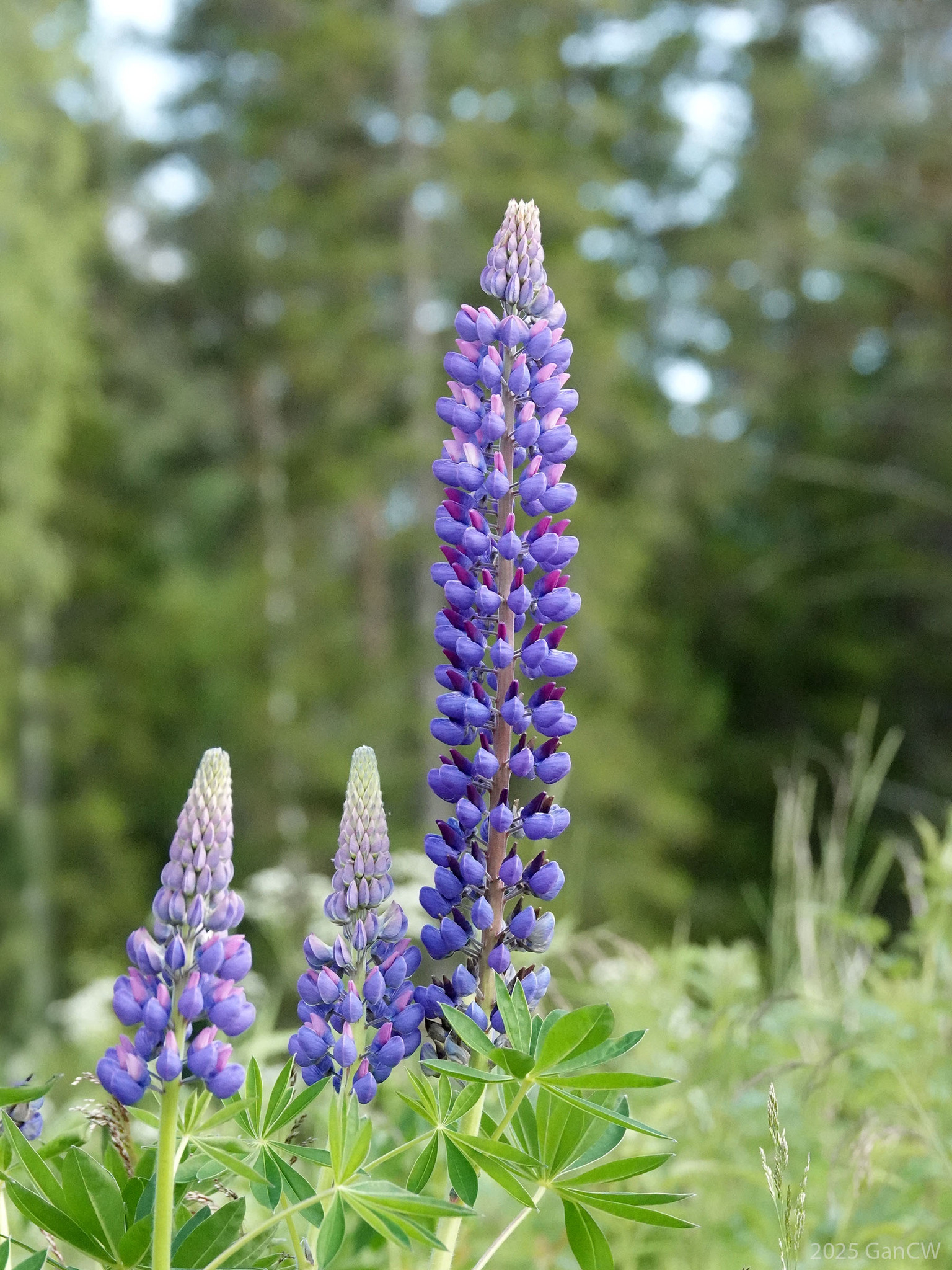
Growing lupins in Pakistan is one of the quiet pleasures of a winter garden — those tall, candle-like spikes packed with pea-shaped flowers in blue, purple, pink, cream and yellow. Lupins (Lupinus) are a cool-season annual here: you sow them as the heat breaks in autumn, enjoy the spikes through the mild Lahore winter and spring, and let them finish before the real summer heat arrives. They are not a difficult flower, but they are fussy about two things — timing and sun — so let us get those right.
When to sow — autumn is the window
Lupins need cool weather to grow well, so the sowing window in the plains of Punjab is roughly late September through November, once the worst of the heat has passed. Sow too early and the seedlings struggle in warmth; sow too late and the plants may not bulk up before spring pushes them to flower. In Lahore, an October sowing usually gives strong plants that spike in late winter and spring.
Lupin seed has a hard coat. To speed up germination, soak the seed in water overnight before sowing, or nick the coat lightly with sandpaper. Sow about a centimetre deep, keep the soil evenly moist, and expect seedlings in one to three weeks.
Sun and position
Give lupins full sun — at least five to six hours a day. Winter sun in Lahore is gentle, so a bright, open spot with no overhead shade produces the sturdiest plants and the best spikes. A little afternoon shade only becomes useful late in the season as the weather warms.
Soil and watering
The one thing lupins will not forgive is soggy, heavy soil sitting around their roots. They have a deep taproot and want a loose, well-draining soil. If your ground is heavy Lahore clay, dig in plenty of compost and coarse sand, or grow them in a deep pot or raised bed so water drains freely.
- Water steadily to keep the soil lightly moist while the plants are growing — never waterlogged, never bone dry.
- Go easy on nitrogen feeds. Lupins are legumes and fix their own nitrogen; too much rich fertiliser gives you leaves at the expense of flowers. A little compost at planting and a low-nitrogen feed as buds form is plenty.
- Because of that deep taproot, lupins dislike being moved. Sow them where they will grow, or transplant seedlings while they are still small.
Getting the best spikes
As the main flower spikes fade, snip them off (deadhead) before they set seed. This often coaxes the plant into sending up a second, smaller flush of side spikes and keeps the display going longer into spring. Staking helps too — the tallest varieties can flop in wind or after heavy watering, so a thin cane behind each plant keeps the spikes upright.
Pests and problems
The most common nuisance is aphids, which cluster on the soft new growth and flower buds. Blast them off with a jet of water or use a mild soap spray, and check the plants weekly. Otherwise, watch drainage — most lupin failures in our climate come down to roots sitting in wet soil, not to cold.
Common questions
Can lupins grow in the Lahore climate?
Yes, as a winter annual. Lahore's mild winter suits them well; the trick is to sow in autumn so they flower before the intense summer heat, which they will not survive. Treat them as a seasonal flower, not a permanent plant.
How long do lupins take to flower from seed?
From an autumn sowing, expect flower spikes in roughly three to four months — typically late winter into spring, depending on the sowing date and the weather.
Do lupins come back every year in Pakistan?
In our plains climate, treat them as annuals. The perennial types that return year after year need a cool summer, which Lahore does not offer, so most gardeners re-sow fresh seed each autumn.
Where can I get lupin seed in Lahore?
Lupins are a specialty flower and stock is seasonal. We do not grow them at the farm, but if you would like to try them, message us and we will try to source seed or seedlings for you at the right time of year.
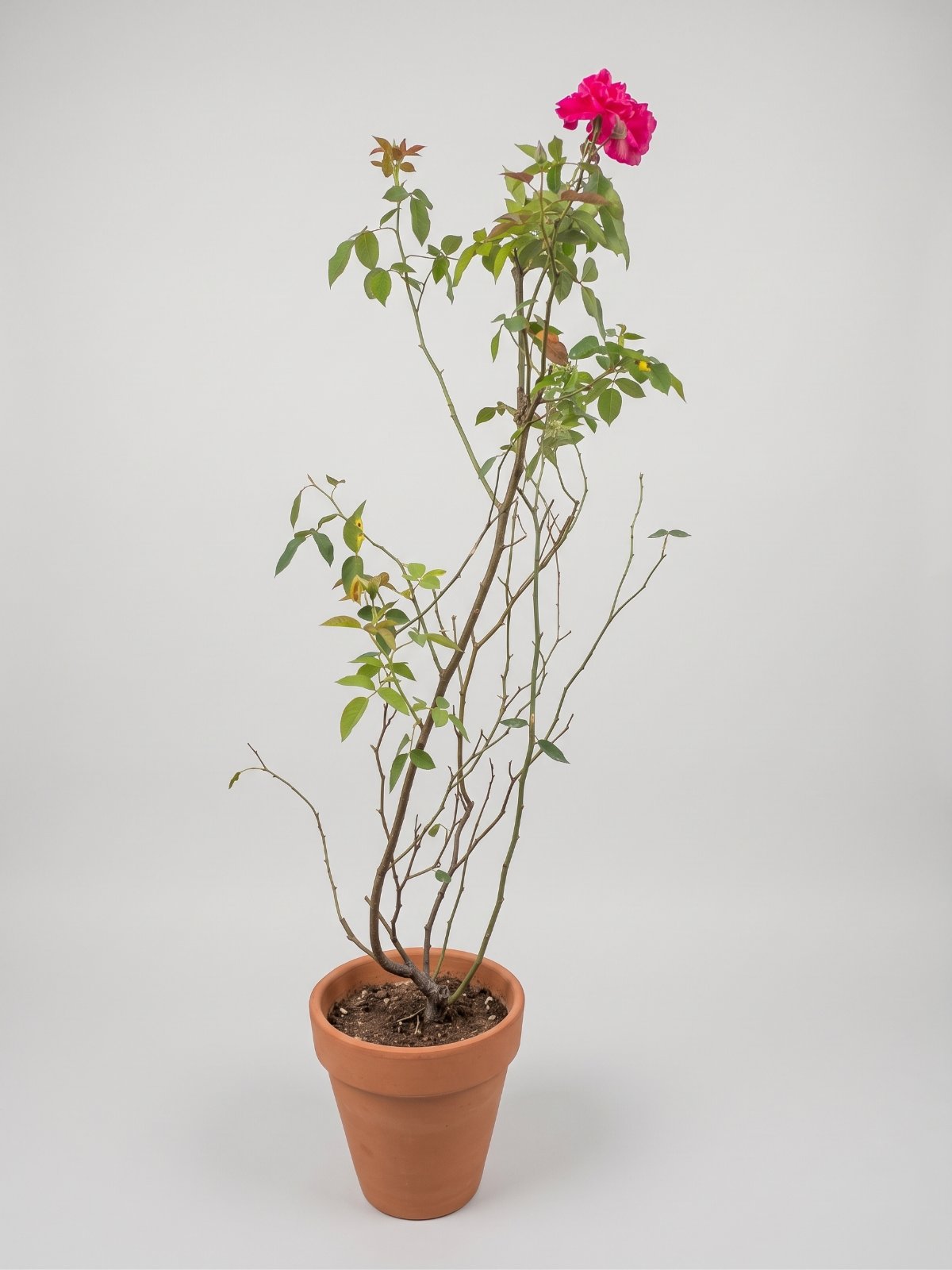
We do not grow lupins ourselves, but if you would like to try them, message us on WhatsApp and we will try to arrange seed or seedlings for the coming autumn. If you would prefer something we grow ourselves and that thrives in a Lahore garden, our Red Rose gives reliable cool-season colour with far less fuss. For more ideas, see our guides to winter flowers for Pakistani gardens and seasonal flowers in Pakistan.