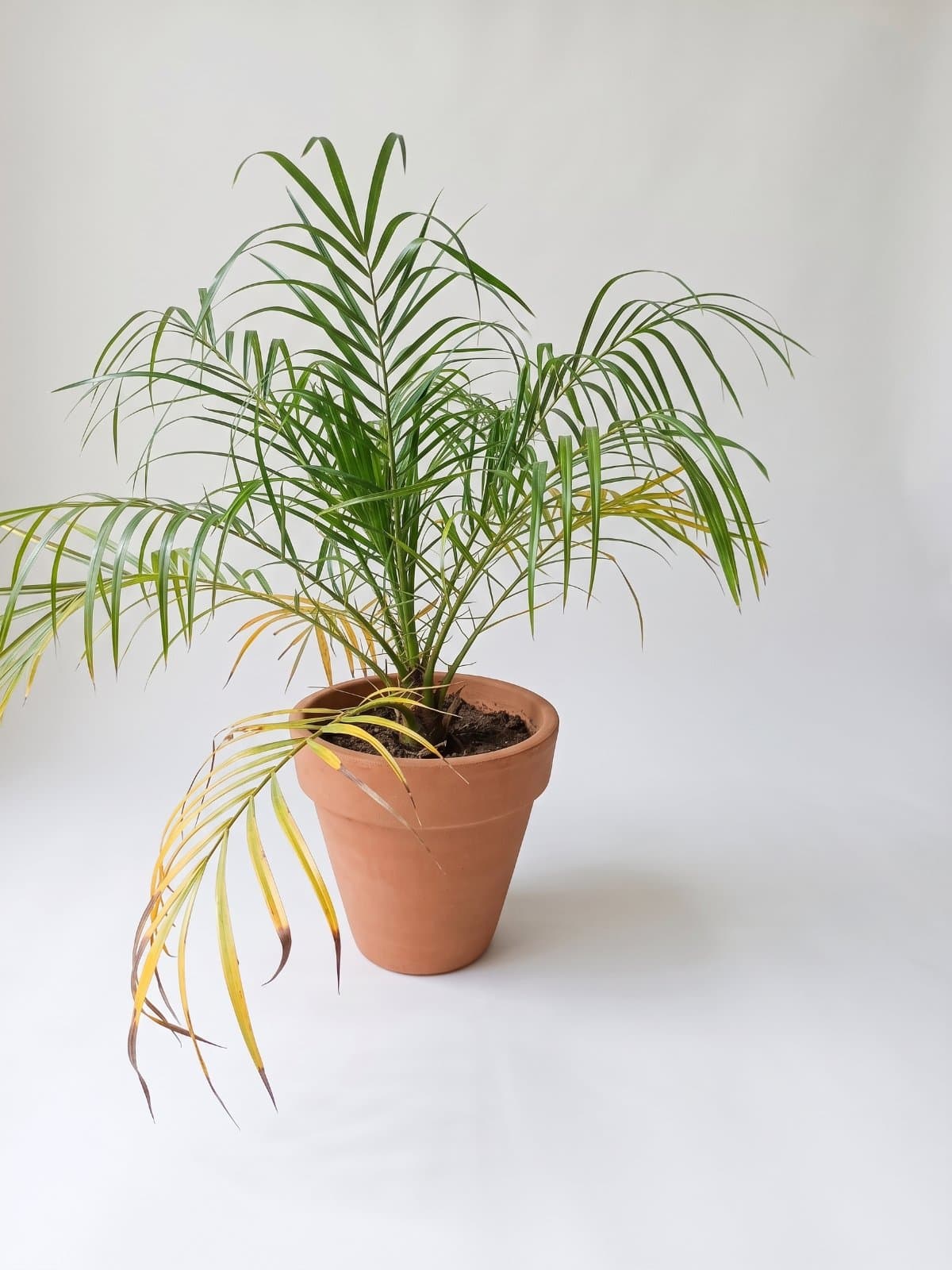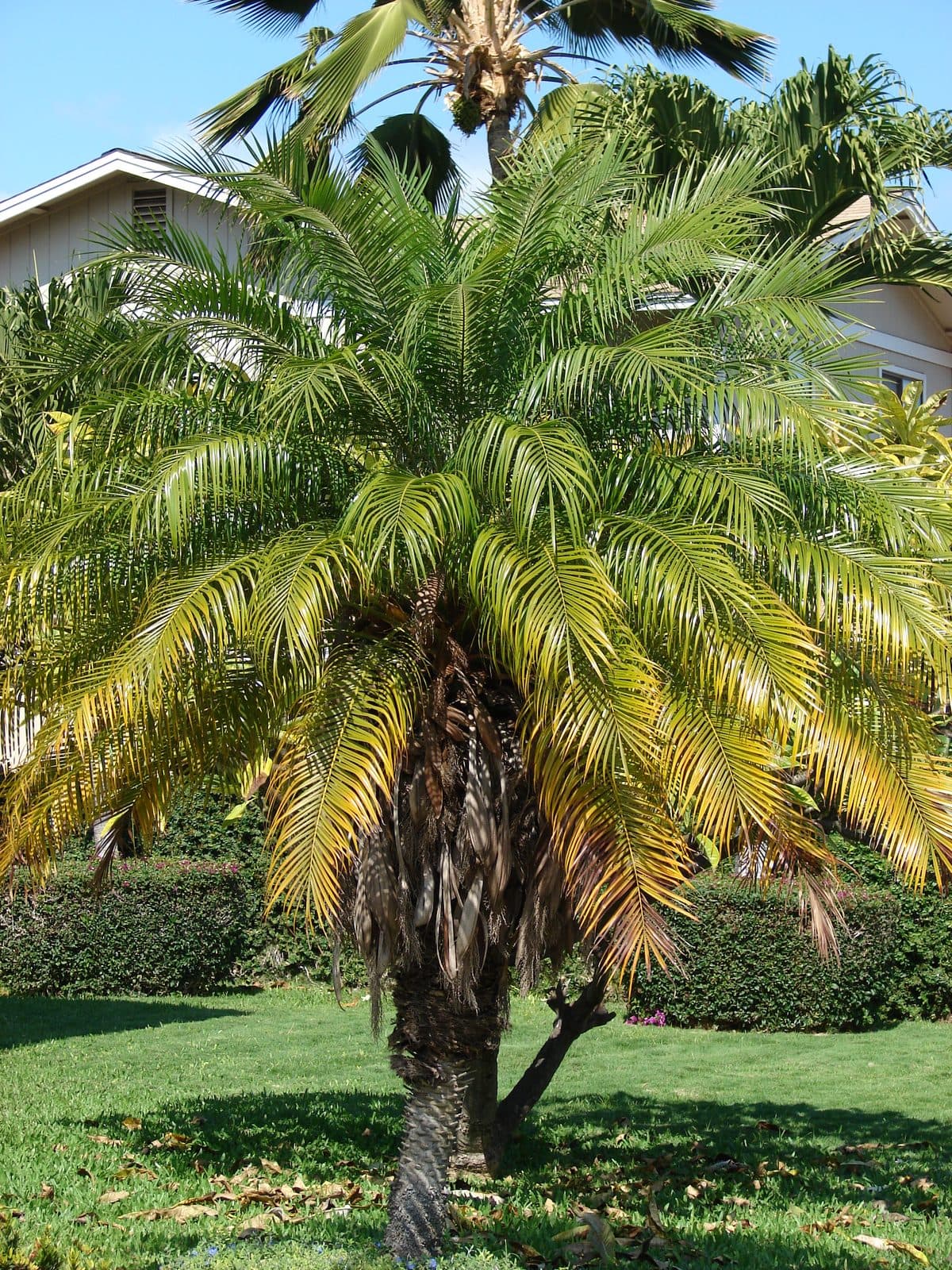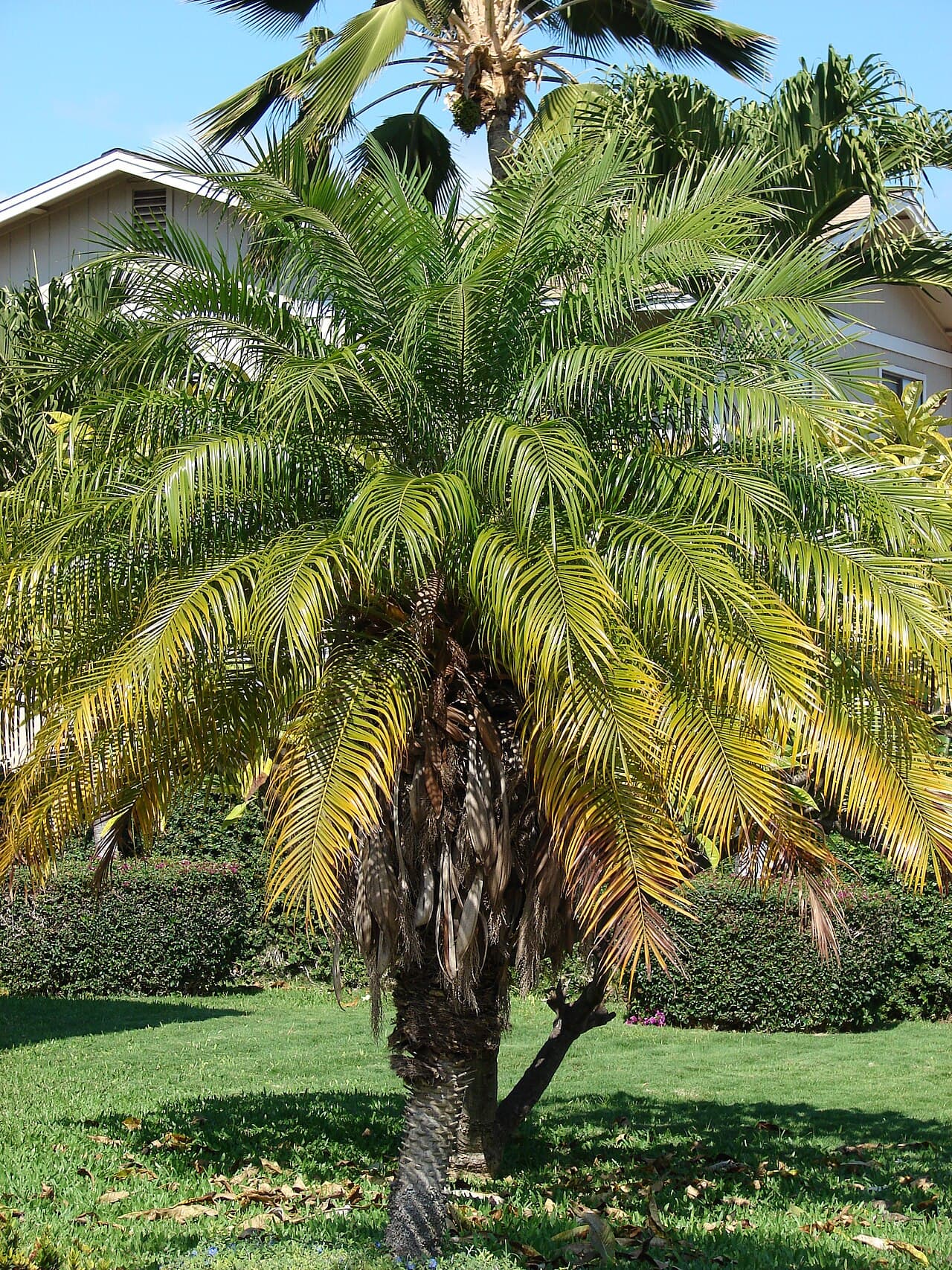
For a real palm that fits a small courtyard or a bright indoor corner, it is hard to beat the Pygmy Date Palm (Phoenix roebelenii). This favourite dwarf ornamental palm carries soft, arching, feather-like fronds on a slender single trunk. It is compact and slow-growing, so it stays in scale for years, bringing an instant tropical, resort-like feel to lawns, courtyards, patios and well-lit rooms in Lahore homes.
The look and where it fits
The Pygmy Date Palm's charm is its softness — fine, arching fronds that sway and catch the light, on a trunk that stays neat and narrow. Because it grows slowly and rarely gets large in a hurry, it suits a big patio pot flanking a doorway, a feature spot on a small lawn, or a bright corner indoors where you want height and greenery without a plant that quickly outgrows the space.
Light
Light is the make-or-break factor. Outdoors it is happy in full sun to part shade — in Lahore, a spot with morning sun and some afternoon shade keeps the fronds a rich green. Indoors it needs medium-to-bright indirect light: set it near a south- or east-facing window where it gets plenty of daylight without harsh midday sun beating on the leaves. In a dark corner it will slowly thin and weaken, so give it the brightest indoor spot you have.
Water and soil
Water when the top of the soil dries out. Through the growing season keep it slightly moist — never bone dry, but never waterlogged either — and always plant in a pot with open drainage holes. The commonest mistake is overwatering: soggy soil that never dries leads to root rot. Let the surface dry between waterings, ease right off in winter, and it will stay healthy.
Humidity and Lahore's dry spells
Being a tropical palm, it enjoys some humidity. In Lahore's dry months — and in air-conditioned or heated rooms — the leaf tips can go brown at the edges. An occasional misting, or standing the pot on a tray of pebbles and water, keeps the fronds fresh. Grouping it with other plants also lifts the humidity around it.
Size and growth rate
This is a genuinely dwarf palm and a slow one. Indoors it typically reaches about 4–6 feet over many years; outdoors, given time, it can grow to roughly 6–12 feet. Because it takes its time, you enjoy a well-proportioned plant for a long while before it needs a bigger space — ideal for pots and courtyards.
Safety: pet-friendly, but mind the spines
Good news for pet owners: the Pygmy Date Palm is non-toxic to cats and dogs, so it is a safe choice for homes with animals. There is one catch, though — at the base of each frond it carries sharp, needle-like spines. Always wear gloves when you prune or handle it, and site it where children and pets will not brush against the lower fronds. Placed thoughtfully, it is both safe and beautiful.
Winter care in Lahore
It likes warmth. Keep nights above roughly 10°C where you can, and shelter it from hard winter frost — move potted plants to a protected spot or against a warm wall on the coldest nights. Our mild Lahore winters are generally fine, but a sharp frost can scorch the fronds of an exposed young plant.
Common questions
Can the Pygmy Date Palm grow indoors?
Yes — it is one of the best true palms for indoors, as long as you give it medium-to-bright indirect light near a south or east window. Water when the surface dries, mist occasionally, and keep it out of dark corners.
Is it safe for cats and dogs?
Yes, the plant is non-toxic to cats and dogs. Just remember the sharp spines at the base of the fronds and place it where pets and children will not brush the lower leaves.
Why are the leaf tips turning brown?
Usually dry air or watering issues. Boost humidity with occasional misting or a pebble tray, and check that you are neither letting it dry out completely nor keeping the soil soggy.
How big will it get and how fast?
Slowly to about 4–6 feet indoors, or 6–12 feet outdoors over many years. Its slow, compact growth is exactly why it works so well in pots and small spaces.
We grow healthy Pygmy Date Palms at our farm in Jallo More, Lahore (Rs 300) — see it here or message us on WhatsApp to reserve one or visit us. Prefer a different palm? We also stock the Areca Palm (Rs 300) and the Table Palm (Rs 250). For more, read our guide to palms for Pakistani homes and gardens and our Areca palm care notes, or browse our plants.
Photo: Forest & Kim Starr, CC BY 3.0, via Wikimedia Commons.