A palm tree is one of the fastest ways to give a Lahore home or garden that warm, resort-like feel — a single well-placed palm can soften a bare courtyard, frame a gate, or turn a bright drawing-room corner into something that feels alive. The good news is that our long, hot summers are exactly what most palms love; the real skill is choosing a species that also copes with our short but genuinely cold winter nights. This guide covers the palms people actually grow across Pakistan — indoors and outdoors — how to pick the right one for your space, and how to keep it looking lush.
The palms Pakistanis actually grow
Palms fall into two broad uses: tall, bold species for lawns and driveways, and softer, compact species for pots, courtyards and indoor corners. These are the ones you will see most often in and around Lahore:
- Date palm (Phoenix dactylifera) — the iconic desert palm of Pakistan, grown for both shade and fruit. It is large, tough and heat-loving, and belongs in open ground rather than a pot.
- Foxtail palm (Wodyetia bifurcata) — prized for its bushy, plume-like fronds that fan out like a fox's tail. A favourite for modern lawns and entrances.
- Washingtonia and fan palms — fast-growing, hardy fan palms (Washingtonia robusta) used for avenues and big gardens; the Chinese fan palm (Livistona chinensis) is a smaller, elegant cousin for tighter spaces.
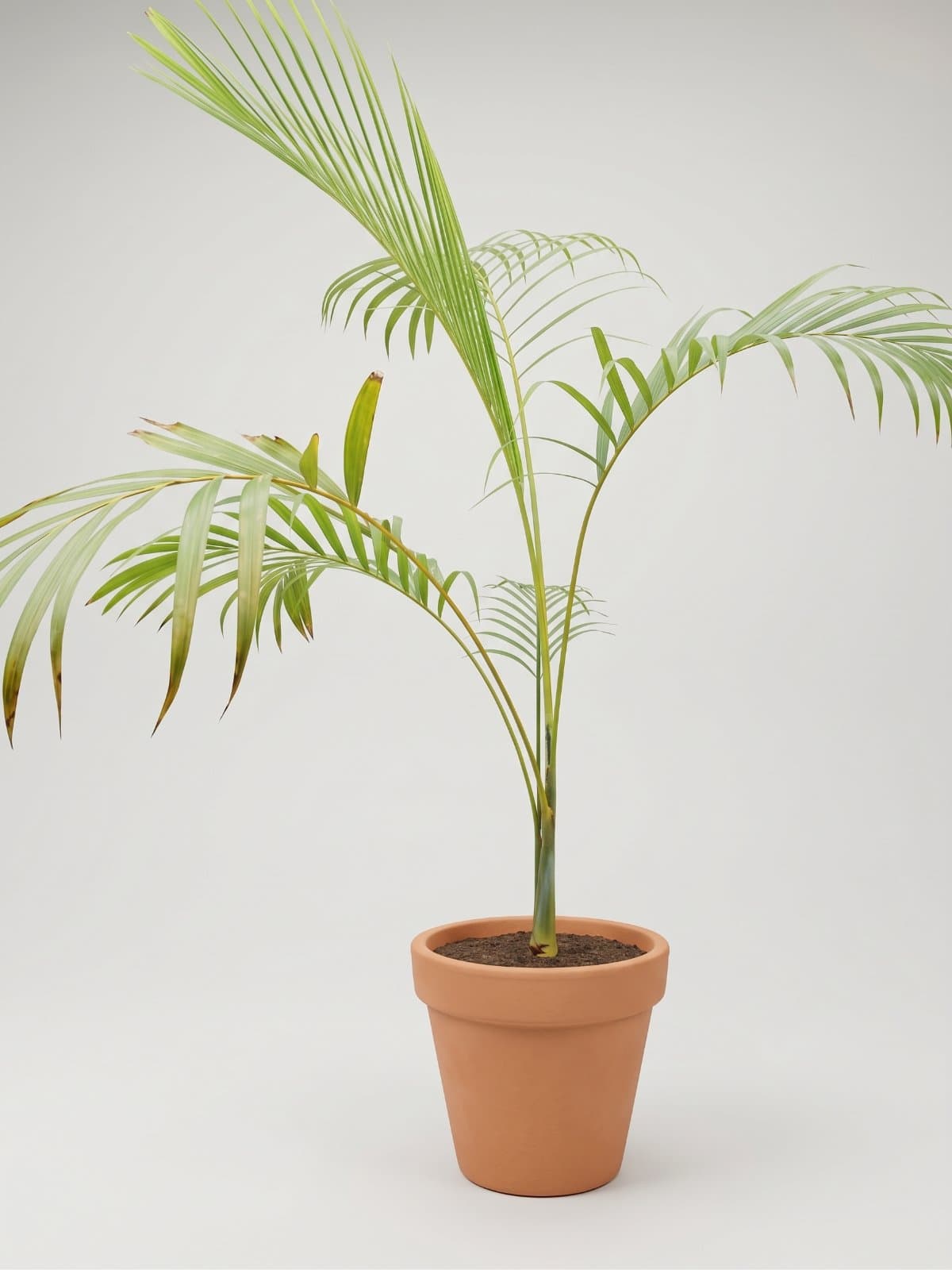
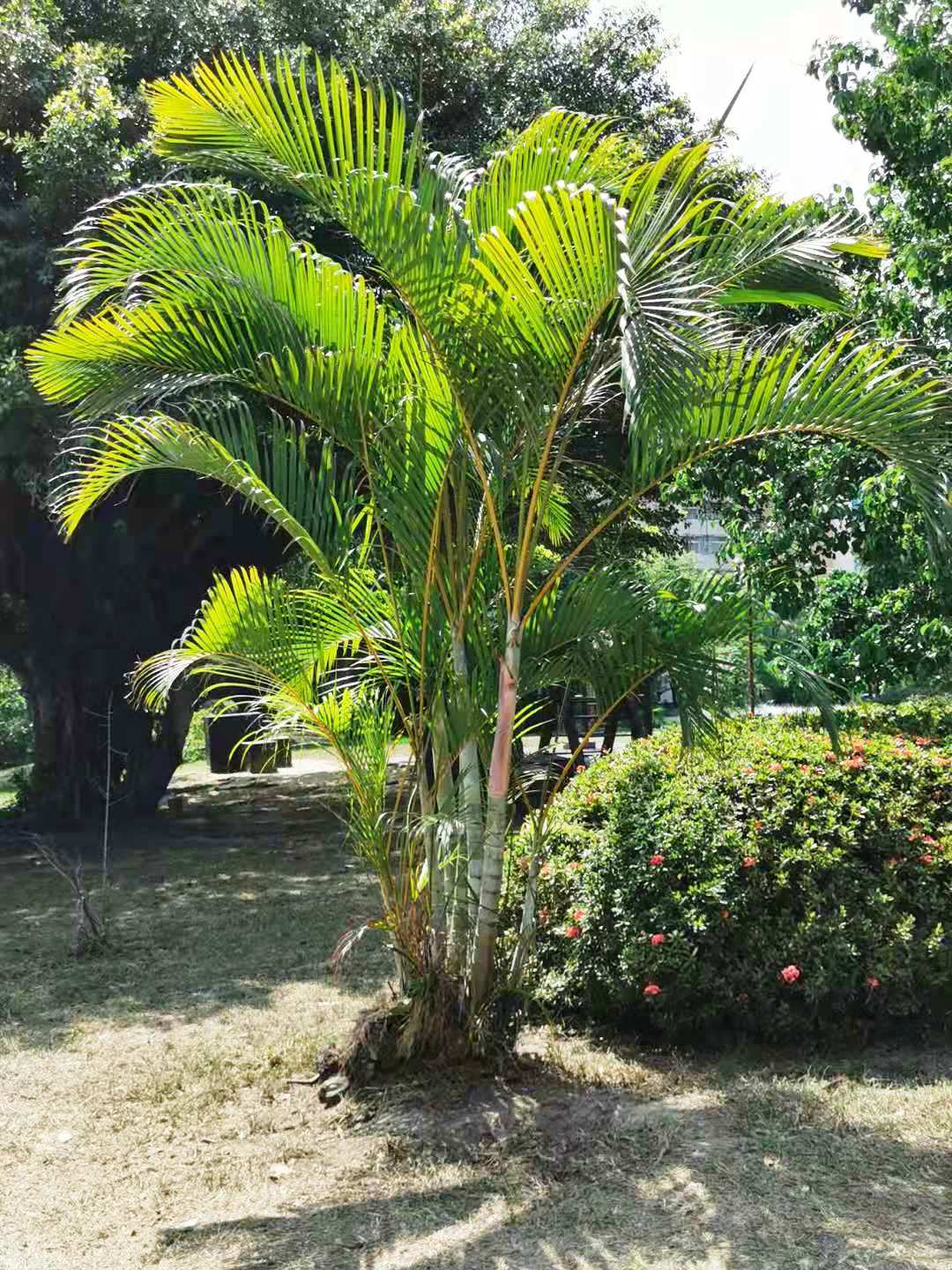
- Areca palm (Dypsis lutescens) — the classic feathery indoor palm, loved for softening drawing rooms and offices. Tender and tropical, so here it lives indoors.
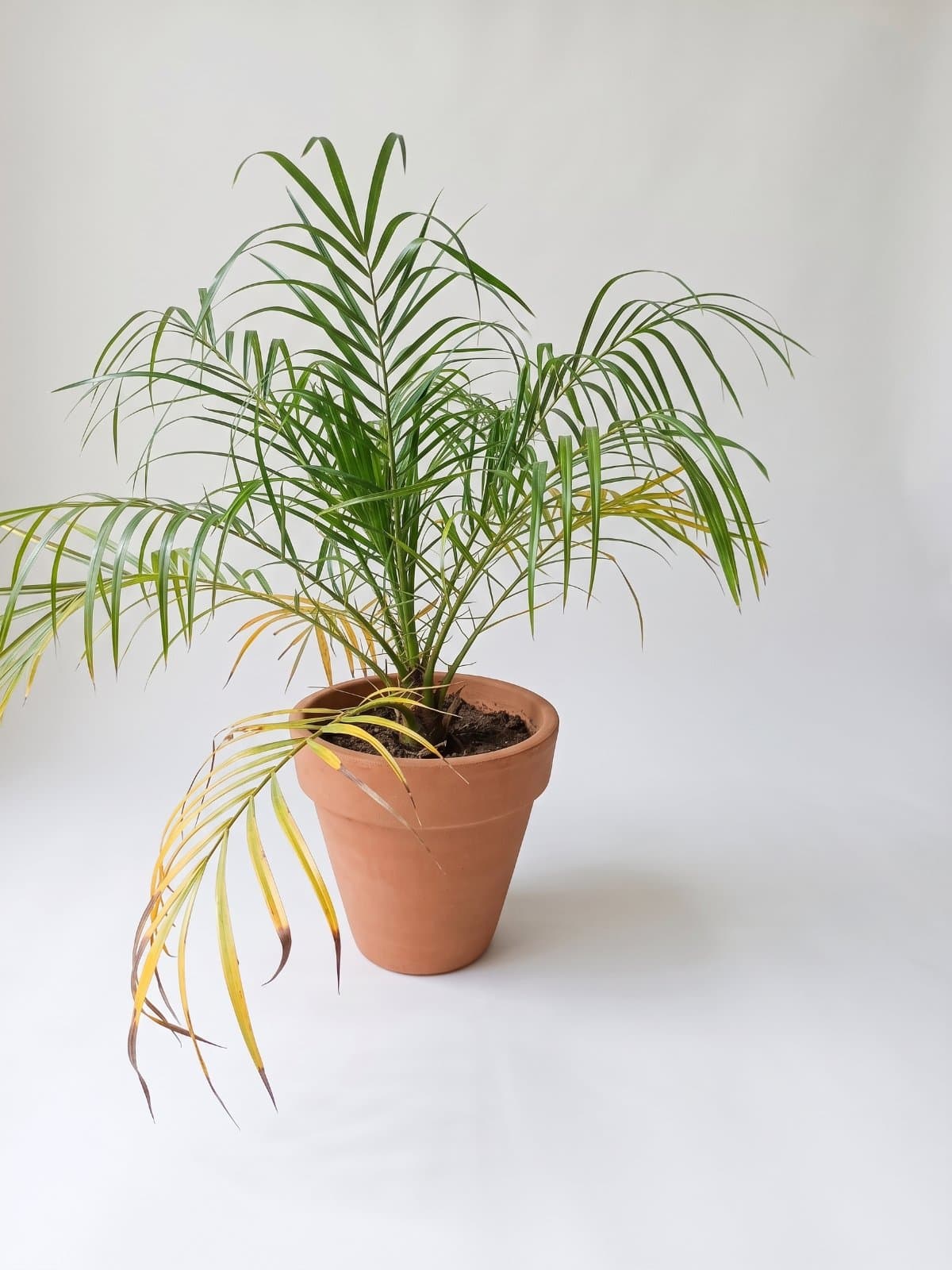
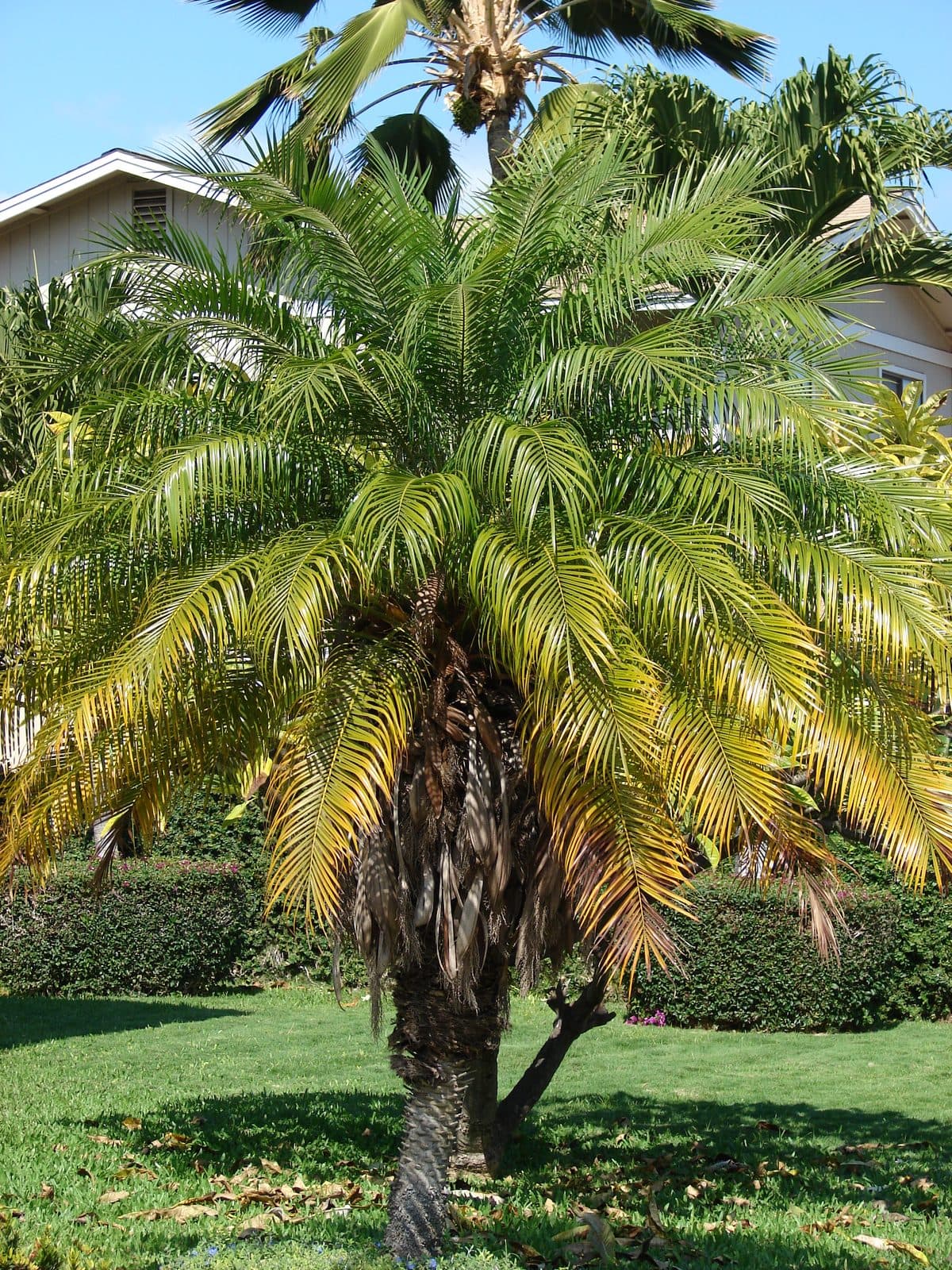
- Pygmy date palm (Phoenix roebelenii) — a compact, slow-growing beauty with a neat crown of arching fronds, perfect for large pots, small courtyards and shaded patios. This is the palm we currently keep at the farm — you can see our pygmy date palm here.
- Bamboo palm (Chamaedorea) — clumping, bamboo-like stems that tolerate low light better than most, which makes it one of the easiest true palms to grow indoors.
Indoor or garden — decide this first
Before you fall for a particular palm, be honest about where it will live. A date palm, foxtail or Washingtonia wants full sun and open soil, and will quickly outgrow any container — these are garden and lawn trees. Areca, pygmy date and bamboo palms stay smaller and are happy in pots, so they suit balconies, courtyards and bright rooms. Matching the palm to the spot from the very start saves you a stressed, struggling plant a year later.
Light — bright, but read the species
Outdoor palms like the date palm, foxtail and Washingtonia thrive in Lahore's full, direct sun and only need shade while very young. Indoor palms are the opposite: an areca or pygmy date palm wants bright, indirect light — a spot near an east- or south-facing window that gets plenty of glow but is shielded from the harsh afternoon sun that scorches fronds through glass. The bamboo palm is the most forgiving and will hold its colour in a shadier corner where others would thin out.
Watering and soil — moist, never soggy
Nearly every palm dies from the same mistake: sitting in water. Grow them in free-draining soil, and for potted palms always use a container with drainage holes. Water deeply when the top two to three centimetres of soil feel dry, then let the excess run away — never leave the pot standing in a saucer of water. In peak summer a potted areca or pygmy date palm may need watering every couple of days; in winter, when growth slows right down, cut back sharply and let the soil dry more between waterings. Established garden palms like the date palm are surprisingly drought-tolerant once their roots go deep.
Humidity and our dry air
Lahore's air is very dry for much of the year, and this is where indoor palms — especially the areca — quietly suffer, showing crispy brown leaf tips. A few simple habits keep them soft and green:
- Mist the fronds every couple of days through the driest, dustiest months.
- Stand the pot on a tray of pebbles with a little water in the bottom, so moisture rises around the leaves.
- Group a few plants together — they raise the humidity around one another.
- Keep palms out of the direct airflow of air-conditioners and heaters, which dries them out fast.
- Wipe the fronds with a damp cloth now and then to clear our fine dust so the leaves can breathe.
Winter — the one honest catch in Lahore
Here is where we will not overclaim. Most palms adore our summers, but Lahore's winter can drop to 4–5°C on cold nights and, in a hard cold snap, brush freezing. Tough fan palms and mature date palms usually shrug this off, but tender tropical palms do not. An areca palm should spend winter indoors, and a potted pygmy date palm (hardy only to around -3°C) is best moved to a sheltered spot, a verandah or indoors on the coldest nights. If a young palm is in the ground, a temporary cover on a freezing night goes a long way. Plan for those few cold weeks and your palm will sail through the year.
Common questions
Which palm is easiest to grow indoors in Pakistan?
For a true beginner, the bamboo palm is the most forgiving — it copes with lower light and irregular watering. The areca palm is the most popular for its full, feathery look but needs a little more humidity; we have a dedicated areca palm care guide if you want one. The pygmy date palm sits happily in between and handles a bright courtyard beautifully.
Can palm trees survive Lahore's winter outdoors?
Hardy species can. Date palms, Washingtonia fan palms and Chinese fan palms tolerate our winter lows well once established. Tropical palms such as the areca cannot and should be kept indoors, while a pygmy date palm in a pot is best sheltered on the coldest nights. If you specifically want a palm that stays outside all year, choose a cold-tougher species.
How often should I water a palm in summer?
A potted indoor palm usually needs water every two to three days in peak summer — check by pushing a finger into the soil and watering only once the top few centimetres feel dry. Garden palms need a deep soak once or twice a week while young, and much less once their roots are well established. Consistency matters more than volume; sudden swings between bone-dry and flooded cause the brown tips people worry about.
Are indoor palms safe around pets and children?
The areca, bamboo and pygmy date palms are all non-toxic and safe around cats, dogs and children, which is part of why they are such popular family houseplants. As with any plant, it is still sensible to discourage children and pets from chewing the leaves.
We currently keep the pygmy date palm at the farm — a compact, elegant choice if you want that graceful palm look right now. We do not always stock the larger garden palms or the areca, but if you would like one, message us on WhatsApp and we will happily source a healthy plant for you on order, usually ready in a few days. New to indoor greenery? Start with our indoor plant care guide and our pick of the best indoor plants for beginners.