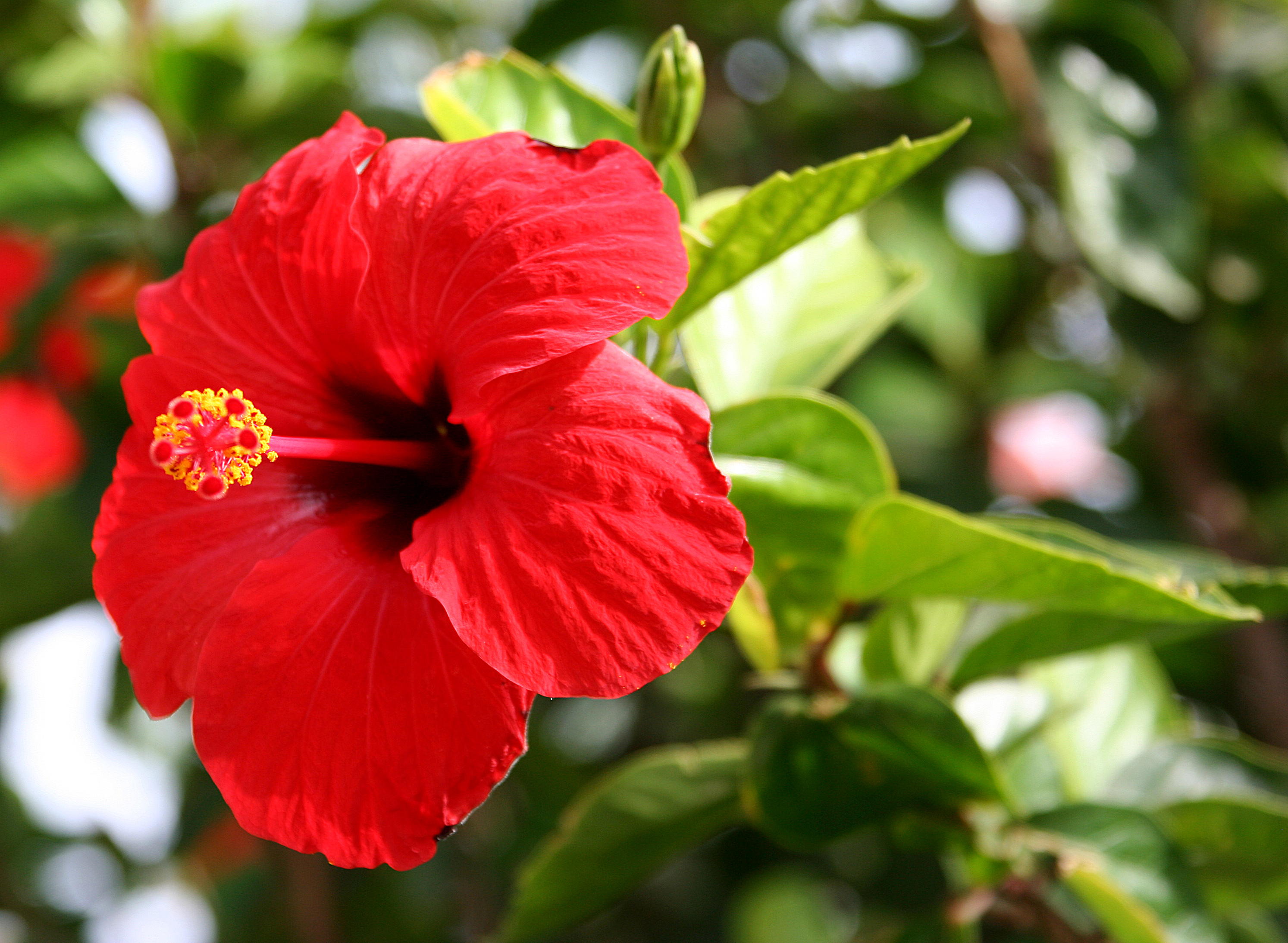
The hibiscus flower — gurhal in Urdu, and Hibiscus rosa-sinensis or China rose to a botanist — is one of the most generous flowering shrubs you can grow in a Pakistani garden. In a Lahore summer a healthy, well-fed plant throws out one saucer-sized bloom after another, in red, pink, yellow, orange or peach, from spring right through to the first cold of winter. It thrives in our heat, takes happily to a large pot or the open ground, and asks for little once it is settled. Here is how to grow gurhal so it stays covered in flowers.
Sun and where to plant it
Hibiscus is a sun-lover. Give it at least five to six hours of direct sun a day and you will be rewarded with the most flowers; a shady corner gives you a leafy green bush with only the odd bloom. A sunny courtyard bed, a bright rooftop, or a large pot on a south- or west-facing balcony all suit it well. In the fierce May–June afternoons a little dappled shade at the hottest hour will not hurt, but morning-to-midday sun is exactly what it wants.
Soil and potting
Gurhal is not fussy, but it hates soggy roots. Plant it in a rich, well-draining mix — good garden loam loosened with compost or old manure, and a handful of sand if your soil is heavy clay. In a pot, choose one at least 14–18 inches wide, put crocks or gravel over the drainage hole, and use a compost-rich potting mix. Refresh the top few inches of soil each spring and repot a container plant into a bigger pot every two to three years.
Watering through the Lahore summer
Keep the soil consistently moist during the hot flowering months, but never waterlogged. In peak Lahore heat a potted hibiscus often needs water daily, sometimes twice a day when it is in full sun and full flower; a plant in the ground needs a deep soak every two or three days. Let the very top of the soil dry slightly between waterings. In winter, when growth slows, cut back watering sharply — wet, cold roots are what kill hibiscus, not our summers.
Feeding for big blooms
Hibiscus is a hungry plant, and feeding is the real secret to non-stop flowers.
- Feed every two to three weeks through spring and summer with a balanced or slightly potassium-rich fertiliser — potassium (potash) drives flowering.
- Avoid heavy nitrogen feeds, which push leafy growth at the expense of blooms.
- A monthly dose of old, well-rotted compost or manure around the base keeps the plant strong.
- Stop feeding through the cold months while the plant rests.
Pruning, pests and propagation
Prune lightly in late winter or early spring (around February) — cut back leggy stems to shape the bush and encourage fresh shoots, because hibiscus flowers on new growth. Watch for aphids and mealybugs on soft new tips and whitefly under the leaves; a spray of neem oil or a mild soapy solution usually clears them. To make new plants, take a semi-hard cutting in the warm months, strip the lower leaves and root it in a sandy mix kept lightly moist.
Common questions
Why is my gurhal not flowering?
Almost always too little sun, or too much nitrogen and not enough potassium. Move it into full sun, switch to a potassium-rich feed every couple of weeks, and prune lightly in early spring to trigger new flowering shoots.
Why are the buds falling off before they open?
Bud drop usually means stress — irregular watering (letting it dry out then flooding it), a sudden move, or midge damage inside the buds. Keep watering even and steady, and the plant will hold its buds.
Can I grow hibiscus in a pot?
Yes, and it does very well in one. Use a wide, deep pot with good drainage, a compost-rich mix and a sunny spot, and feed regularly — a potted gurhal can flower as freely as one in the ground.
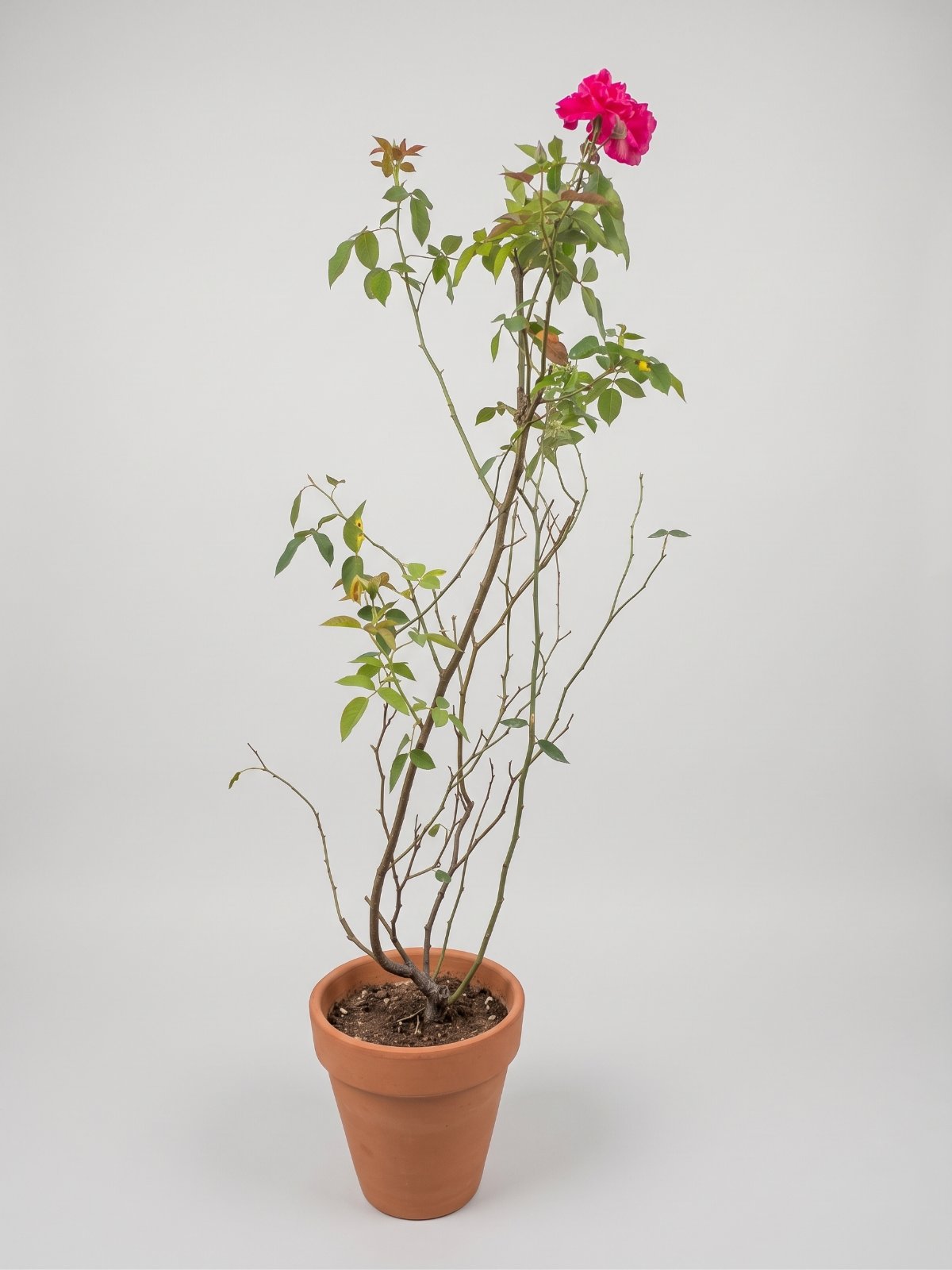
Looking to fill your garden with big summer blooms? We do not keep gurhal at the farm right now, but message us on WhatsApp and we will happily source a healthy plant for you. In the meantime, come and see the flowering shrubs we do grow — our fragrant motia (Arabian jasmine) and classic red rose both love Lahore's heat. For more ideas, read our guides to seasonal flowers in Pakistan and gardening in Pakistan for beginners.