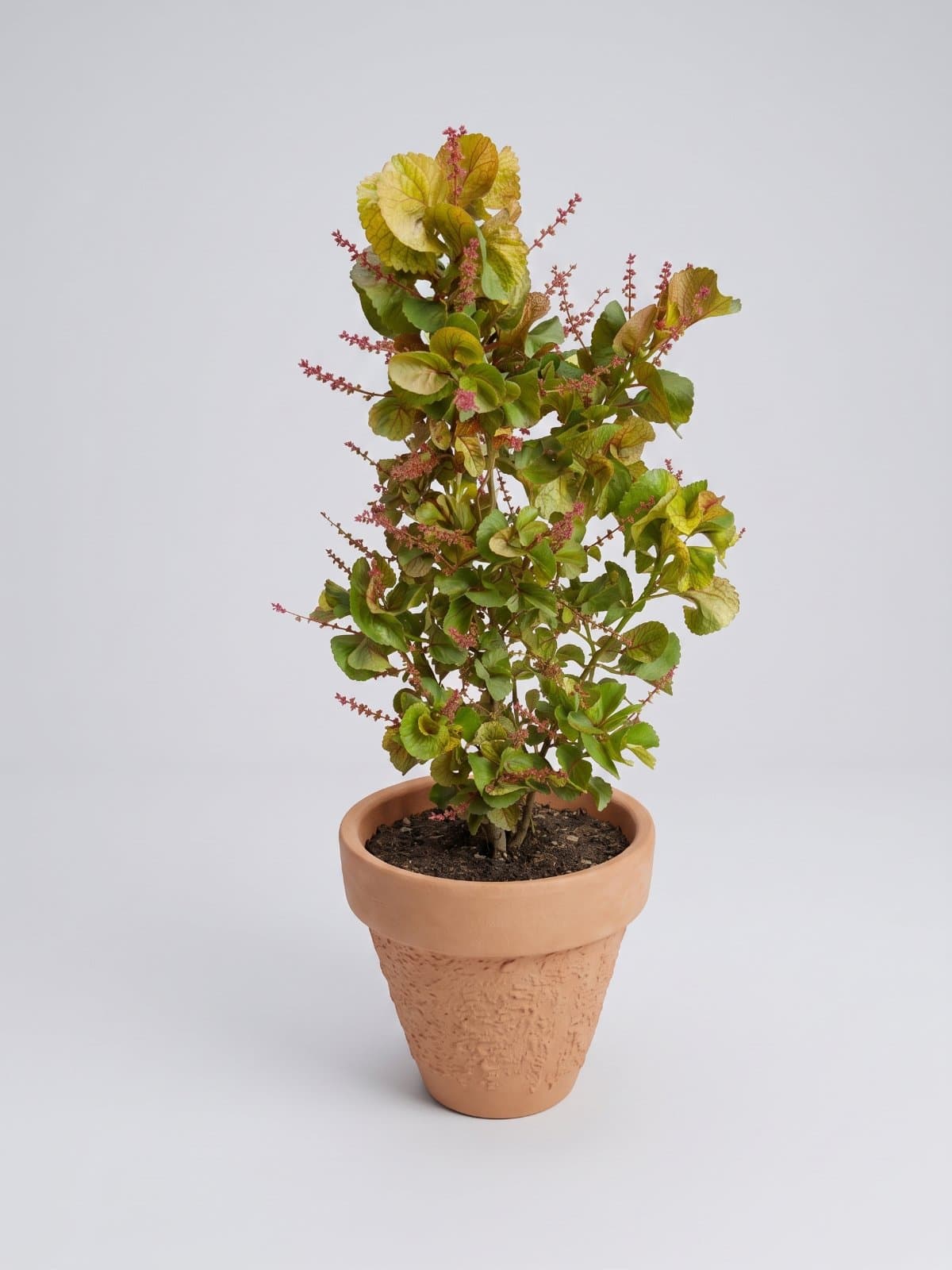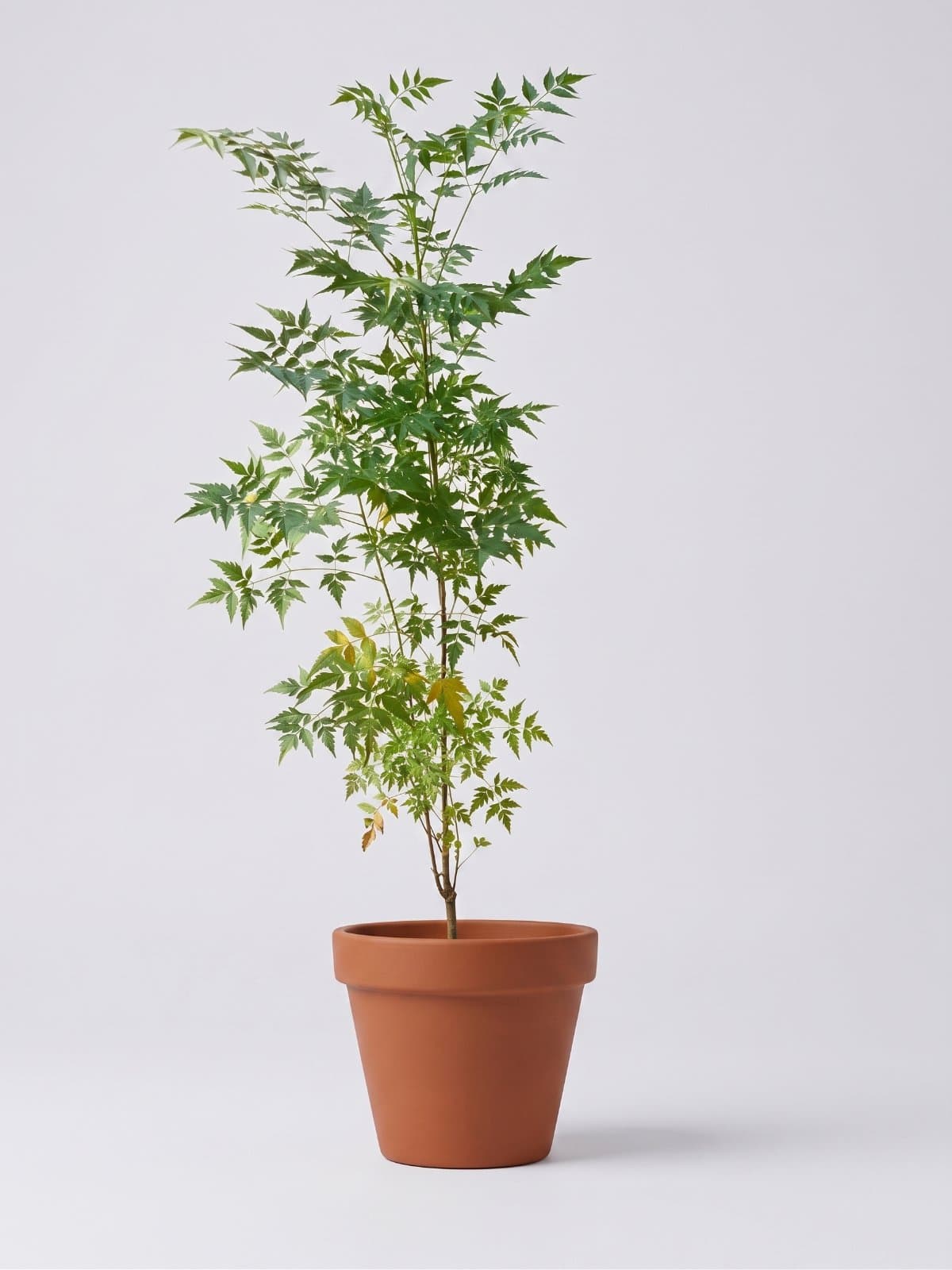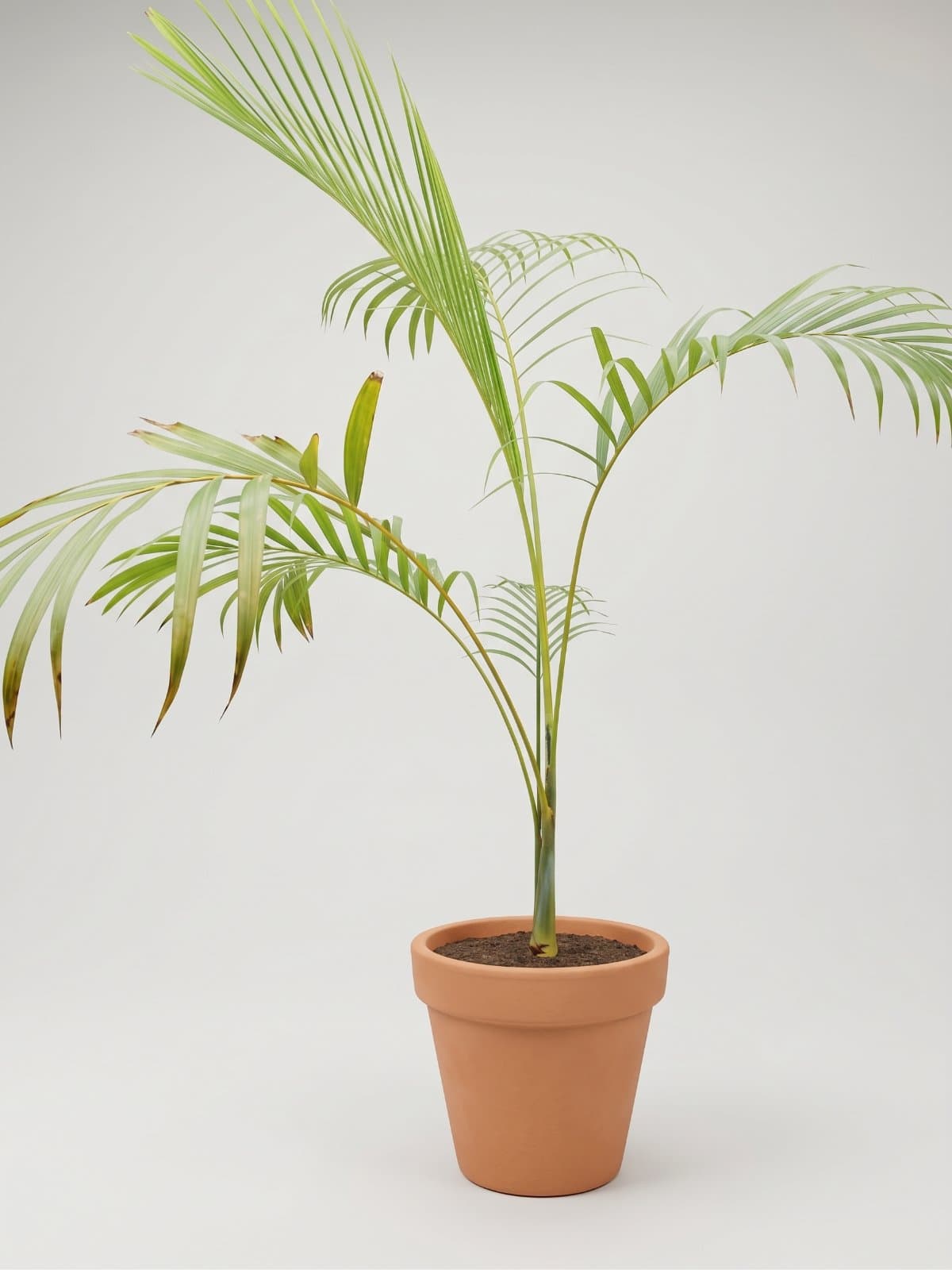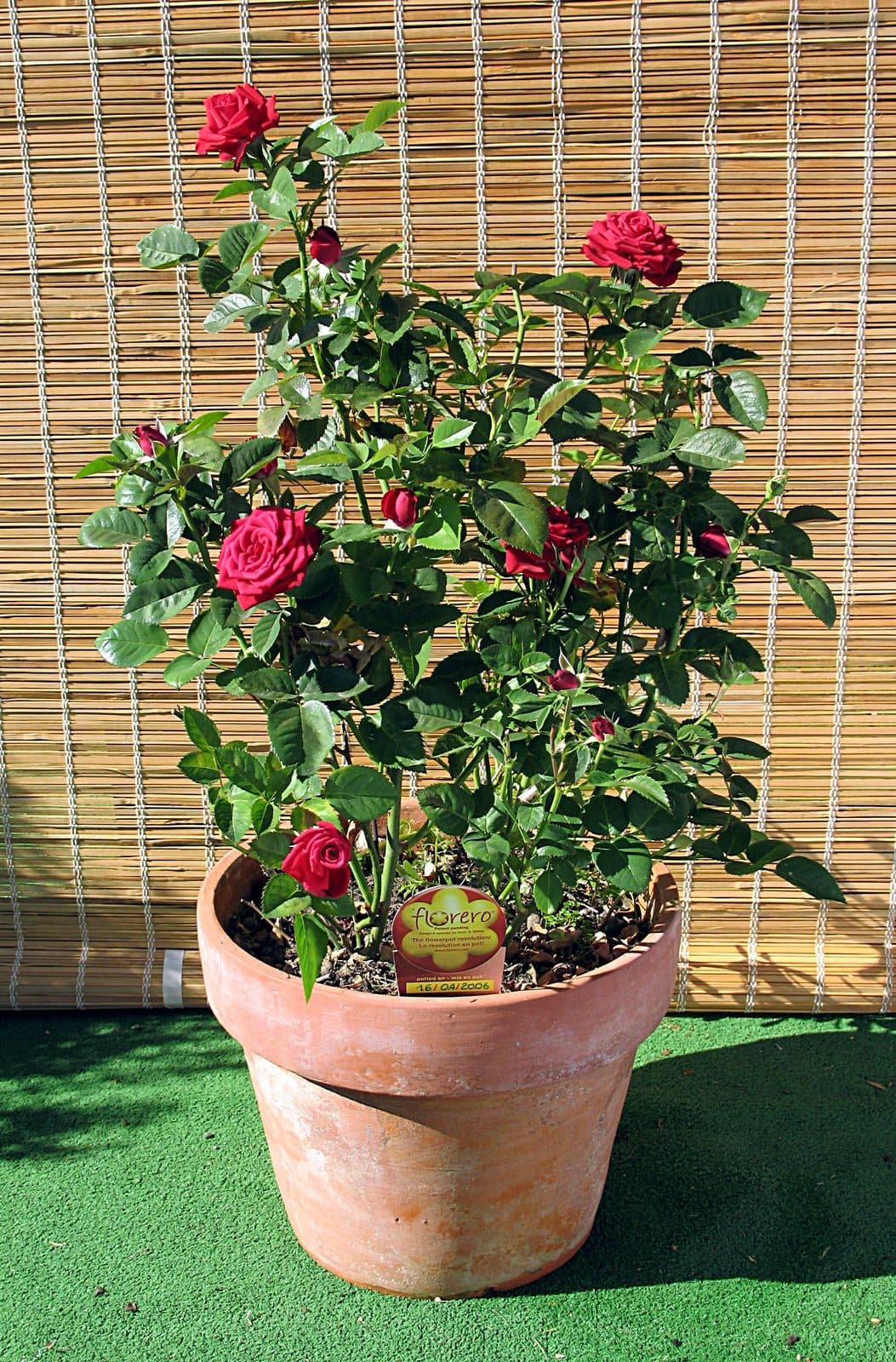
Choosing the right gamla — the plant pot or planter your plant will call home — matters just as much as the plant itself. The right pot lets roots breathe, drains away extra water and suits both your plant and your space, while the wrong one can quietly rot a healthy plant from below. Whether you are picking a mitti ka gamla for a rooftop garden or a smart ceramic planter for the living room, this guide walks you through material, size and drainage so your plants actually thrive.
Start with drainage
Before you fall in love with a colour or shape, turn the pot over and check the bottom. Every pot needs a drainage hole. This is the single most important rule of container gardening. When water has nowhere to escape, it pools around the roots, starves them of oxygen and causes root rot — the most common way houseplants and balcony plants die in Pakistan. A good gamla lets excess water run straight through the moment you finish watering.
Fallen for a decorative pot with no hole? Don't give up on it — use it as an outer cover, or cachepot. Keep your plant in a plain plastic nursery gamla that has holes, then slip that inside the pretty one. Water the plant, let it drain in the sink or outside, and set it back. You get the looks and the plant gets healthy roots. And skip the old trick of putting stones or gravel at the bottom of a hole-less pot — it does not replace real drainage.
Pot materials, compared
Each material behaves differently in our climate. Here is an honest look at the common options, from the classic mitti ka gamla to modern fibre planters:
- Terracotta / clay (mitti ka gamla): Porous and breathable, so it keeps roots cool and lets soil dry between waterings — ideal for succulents, cacti and anything that hates wet feet. The trade-off: in Lahore's summer it dries out fast, so you will water more often, and it is heavy and breakable.
- Glazed ceramic: The good-looking option. The glaze seals the clay, so it holds moisture longer than bare terracotta and comes in every colour. It is heavier and pricier, and still needs a drainage hole — many decorative ceramic pots don't have one, so check before you buy.
- Plastic (plastic ka gamla): Light, cheap and easy to move, and it retains moisture well — handy for thirsty plants and hot rooftops where terracotta would dry out by noon. Downside: cheap plastic can overheat in direct sun and turns brittle after a few seasons of strong UV.
- Cement / concrete: Extremely tough and heavy — perfect for big outdoor plants and windy rooftops where lighter pots blow over. It can leach lime into the soil when new, so "season" it first by soaking it with water for a week or two before planting.
- Fibreglass / fibre: Light yet durable, and moulded to mimic ceramic, stone or terracotta. A great choice for large plants you want to be able to move, though it costs more.
- Metal: Looks modern but heats up fast and can cook roots in direct sun. Best kept in shade, or used only as a cachepot.
Getting the size right
Match the pot to the plant. As a rule, choose a gamla about 2–5 cm (roughly one to two inches) wider than the plant's root ball. Too small and the roots circle and choke; too big and you get the opposite problem — a large pot holds a lot of wet soil around small roots, which stays soggy and invites rot. It is tempting to buy a huge pot so you "never have to repot," but over-potting does more harm than good.
Instead, pot up gradually: when roots start poking out of the drainage hole or circling the surface, move the plant into the next size up. Most plants are happy being repotted one size larger every year or two.
Indoor or outdoor?
Where the pot lives changes what works. Indoors, weight and looks lead — a glazed ceramic or fibre planter over a saucer keeps floors clean and suits living rooms; just empty the saucer after watering so the pot never sits in water. Outdoors and on rooftops, think about sun, wind and watering: plastic and glazed pots hold moisture through a hot afternoon, while heavier cement or large terracotta pots stay put in the wind. Group several pots together and they shade each other's soil and lose less water.
Tips for Lahore's climate
Our long, hot summers are hard on containers, so a few local adjustments help:
- Dark-coloured and metal pots absorb heat and can bake the roots — choose lighter colours, or shade the pot during peak summer.
- A mitti ka gamla dries out fastest of all; check it daily in June and July, and be ready to water morning and evening in a heatwave.
- Plastic and glazed pots hold water longer, which is a real advantage on a sunny rooftop or a balcony you can't water twice a day.
- On breezy upper floors, pick heavier pots or cluster them so they don't topple — a falling gamla breaks both the plant and the pot.
Common questions
Which is better, a clay (mitti) or plastic gamla?
Neither is "better" outright — it depends on the plant and the spot. A mitti ka gamla breathes and dries quickly, which suits succulents, cacti and anyone who tends to over-water. A plastic gamla holds moisture and stays light, which suits thirsty leafy plants, hanging baskets and hot rooftops where clay would dry out too fast. Many gardeners use both: clay for plants that like it dry, plastic for plants that like it moist.
Do I really need a drainage hole in every pot?
Yes. It is the one rule you shouldn't break. Without a hole, water collects at the bottom and rots the roots. If you love a pot that has no hole, use it as a decorative outer cover over a holed nursery pot rather than planting directly into it. For more on keeping potted plants healthy indoors, see our indoor plant care guide.
What size pot should I start a new plant in?
Pick a pot roughly 2–5 cm wider than the root ball — snug, not swimming. Going straight into a giant pot keeps too much soil wet and risks rot. Step up one size at a time as the plant grows. If you are potting up herbs and vegetables, our kitchen gardening in Lahore guide covers pot sizes for edibles.
Looking for the right gamla? Message us on WhatsApp and we can arrange plant pots in the material and size your plants need — we source clay, ceramic, plastic and cement gamlay to order. You can also see our pots section, which we are stocking now. Not sure what to grow in them? A hardy money plant is a forgiving place to start, or add some height with a pygmy date palm in a heavier pot.