There is a particular magic to a Lahore evening in summer — the heat softens, the light turns gold, and if you have planted well, the air fills with scent. Fragrance is the one thing a photograph can never capture and a plastic plant can never fake, and it is what turns a plain courtyard or balcony into somewhere you actually want to sit. This guide covers the most reliably fragrant plants for Pakistani homes and gardens, from the queen of them all — motia — to night-scented jasmine, roses and the sweet blossom of a lemon tree. We will also tell you when each is at its most fragrant, because timing is half the pleasure.
When scent peaks — and where to plant for it
Most of our best-loved fragrant plants save their strongest perfume for the evening and night, when the day's heat eases. That is no accident: many are pollinated by night-flying moths and release their scent after sunset. The practical lesson is simple — plant them where you sit in the evening. A motia by the charpai, a raat ki rani near the bedroom window, a rose along the path you walk at dusk. Scent needs still, warm air to pool, so a sheltered courtyard or a corner of the balcony out of the wind will always smell stronger than an open, breezy spot.
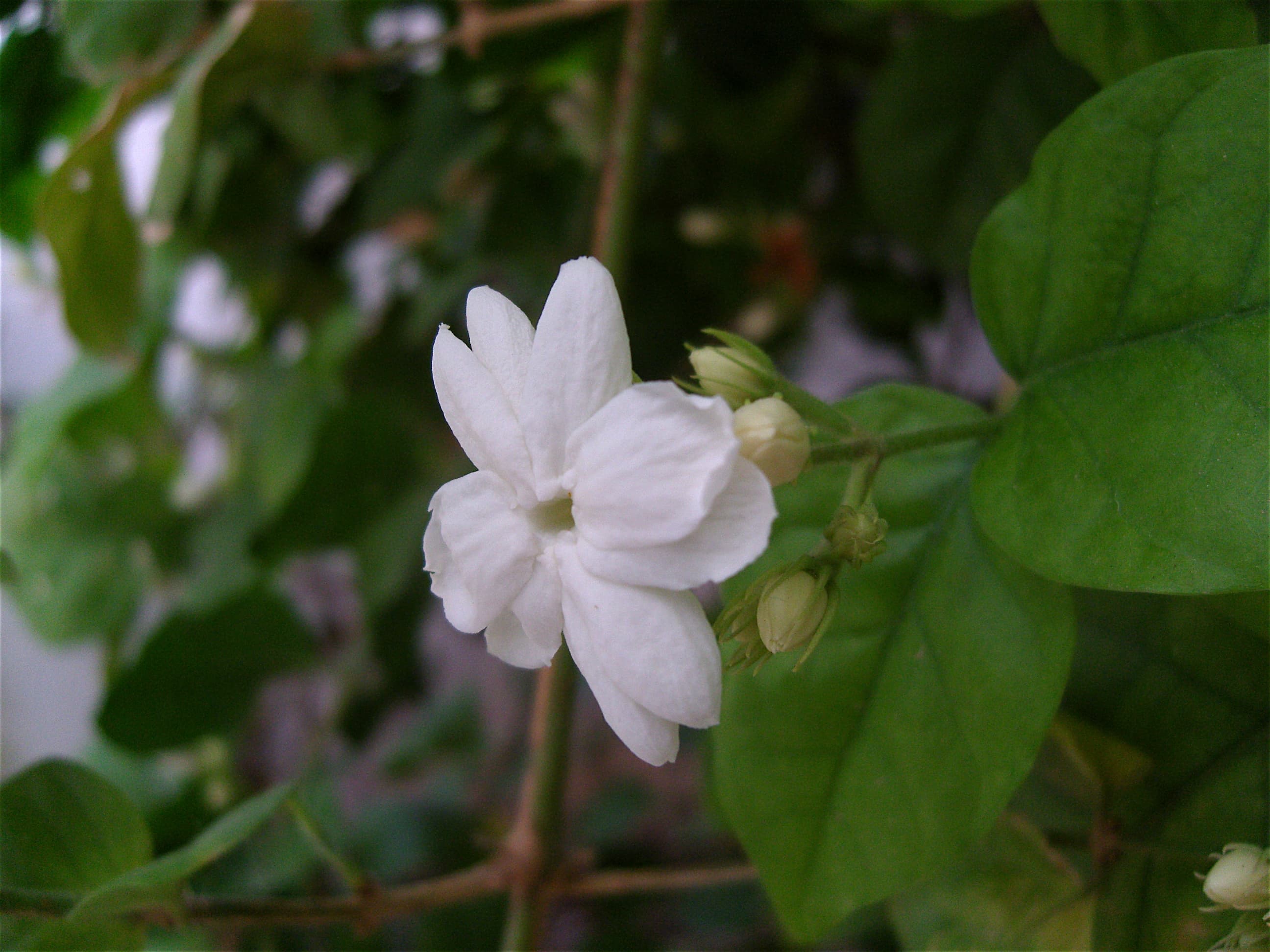
Motia / Arabian Jasmine (Jasminum sambac)
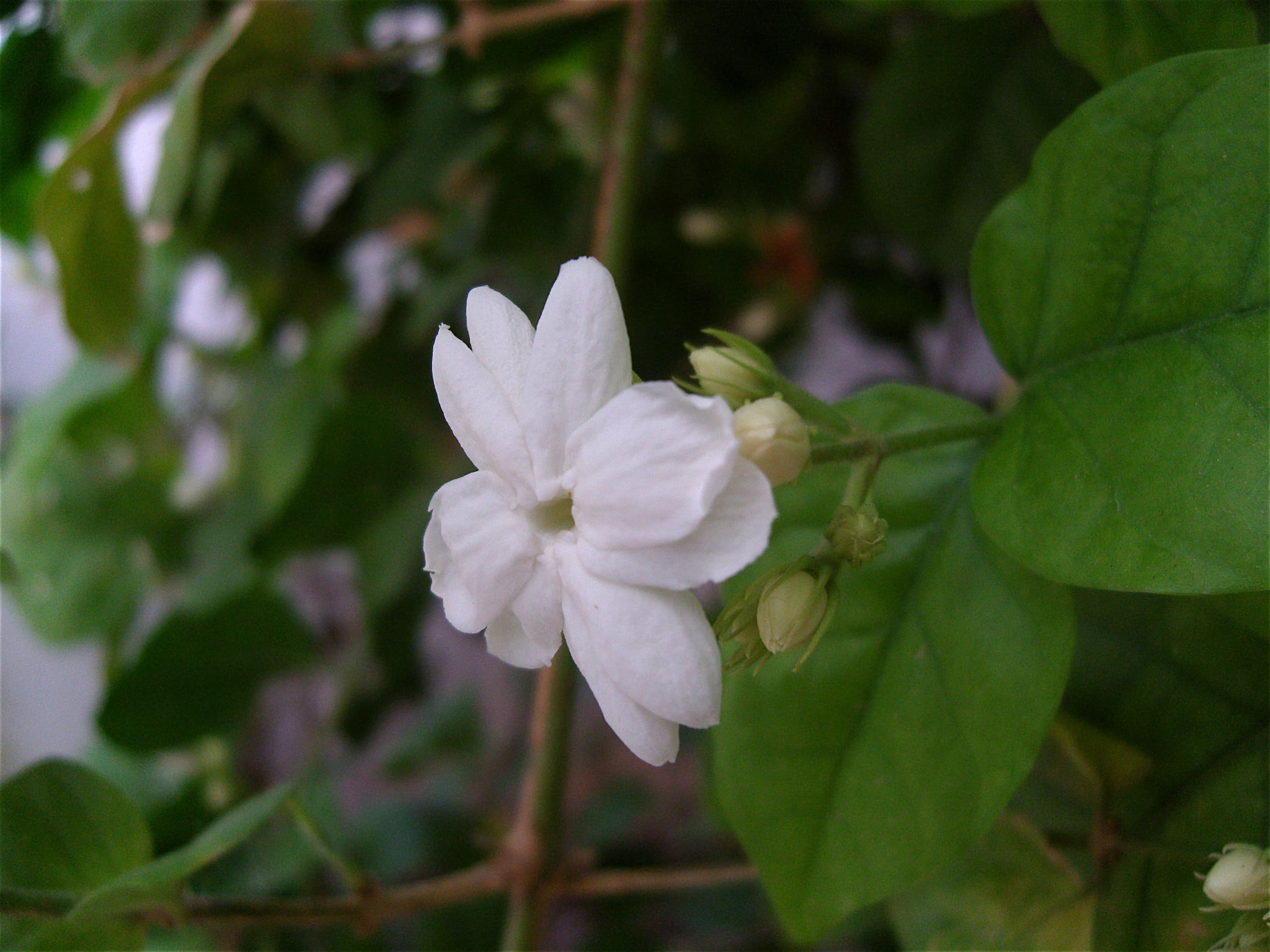
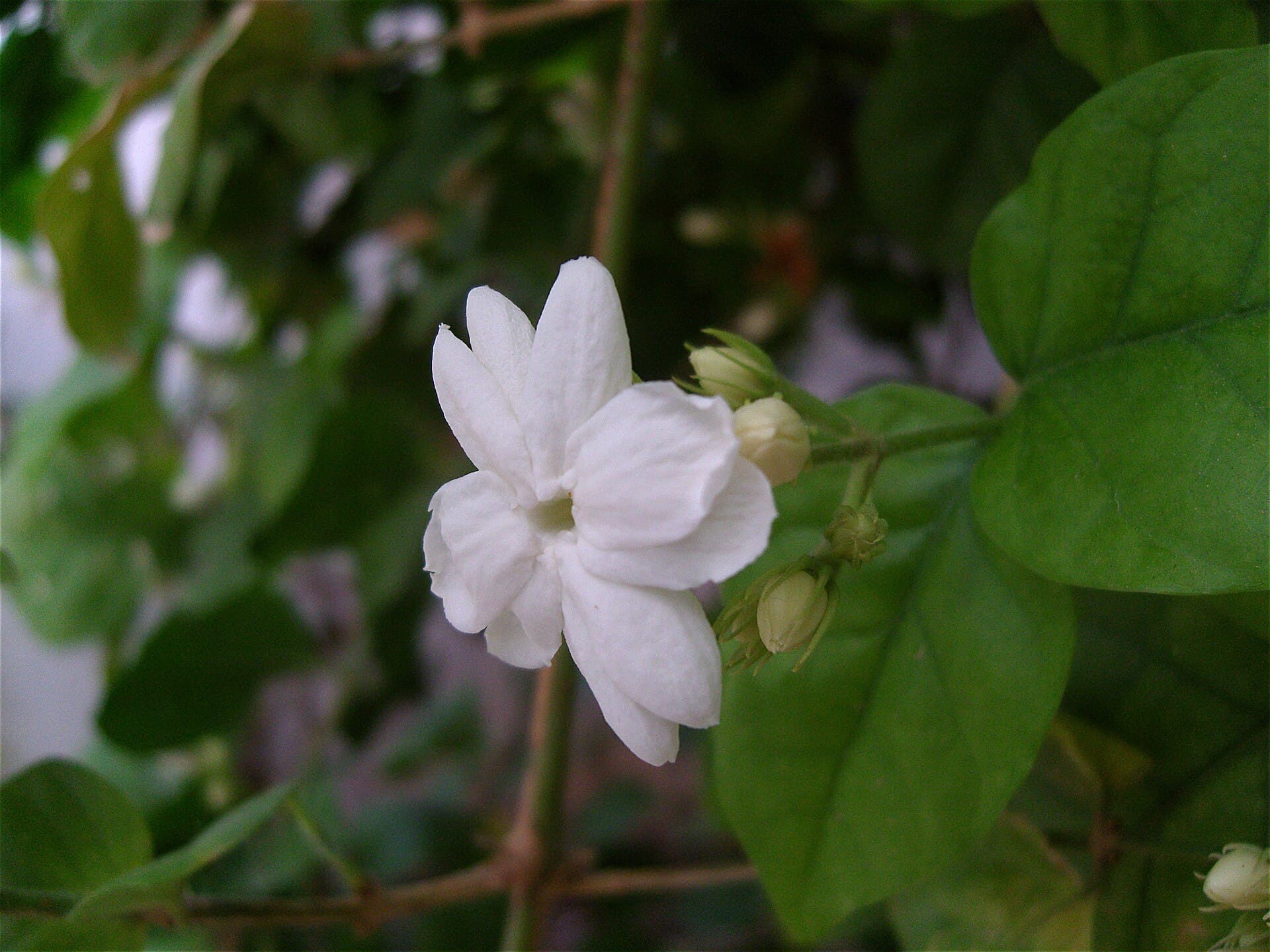
If there is one fragrant plant every Pakistani home should own, it is motia. Its small, waxy white flowers carry an intense, sweet perfume that fills a whole courtyard on a summer evening — the scent of gajras, of weddings, of childhood. It flowers through the warm months, loves full sun to light shade, and is happy in a pot by the door or the sitting area. Keep it watered in the heat and give it a light feed to keep the buds coming. This is the plant people remember. Read our full guide to growing motia, and get one here: Motia.
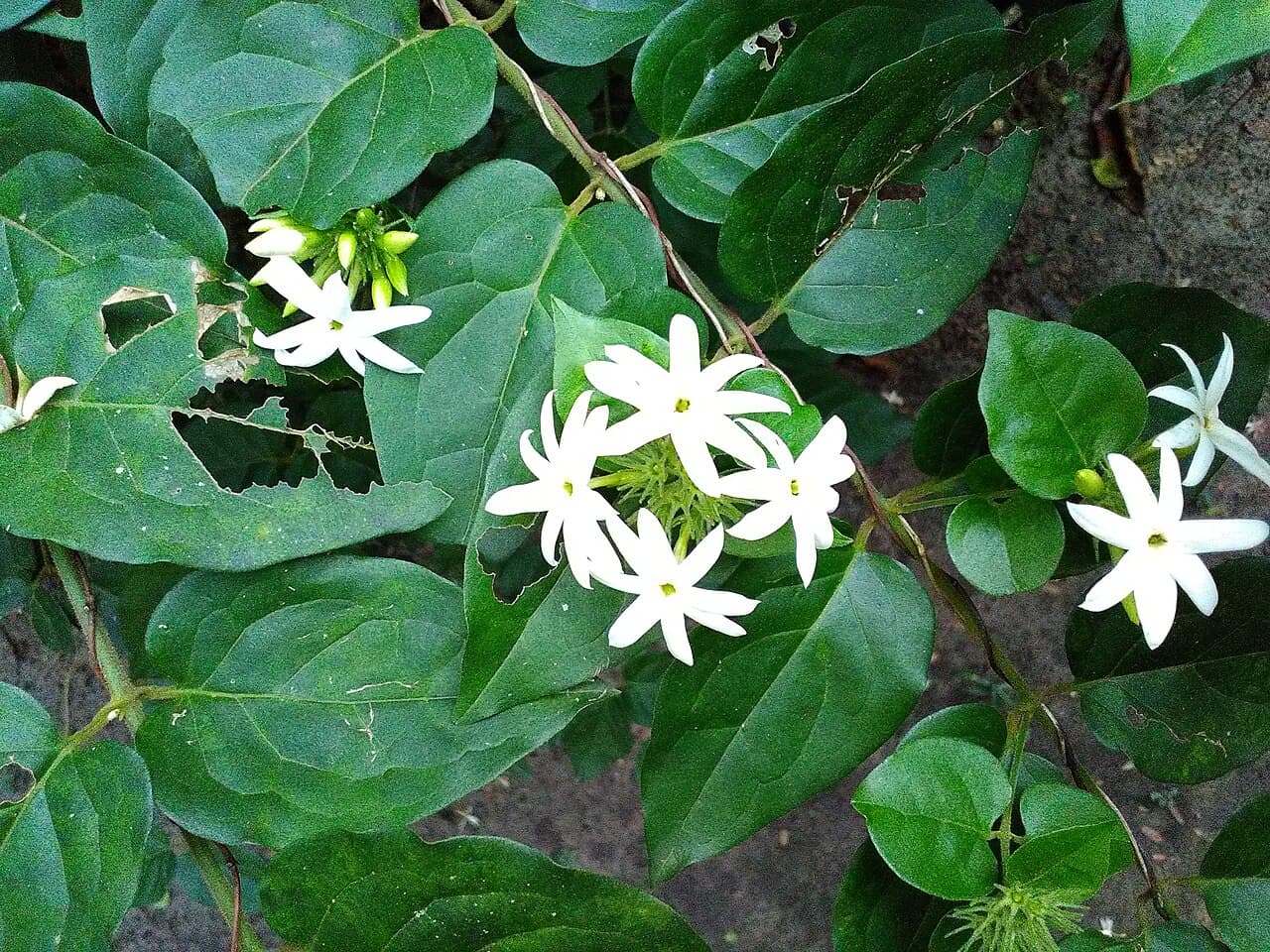
Raat ki Rani / Night Jasmine (Cestrum nocturnum)
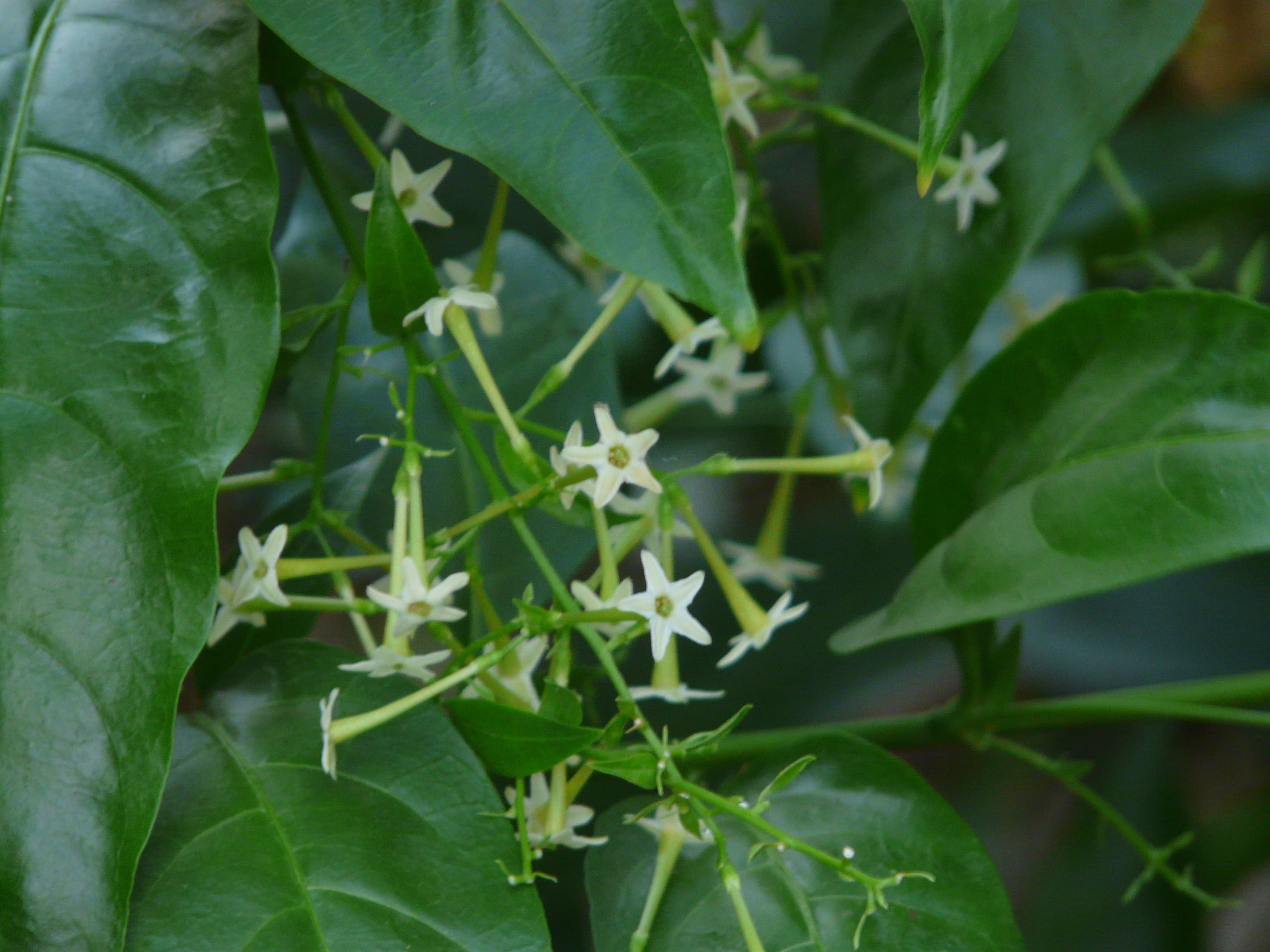
True to its name — "queen of the night" — raat ki rani stays modest all day and then, after dark, releases a powerful sweet fragrance that can carry right across a garden. Its tiny greenish-white flowers are nothing to look at, but the scent on a warm night is unforgettable. Plant it near a window or seating area where you will catch it in the evening; some people find it too strong up close in a small closed space, so give it a little room. It is a vigorous grower and easy in Lahore's climate. Learn more in our raat ki rani guide. We do not always keep this one in stock, so ask us what is available.
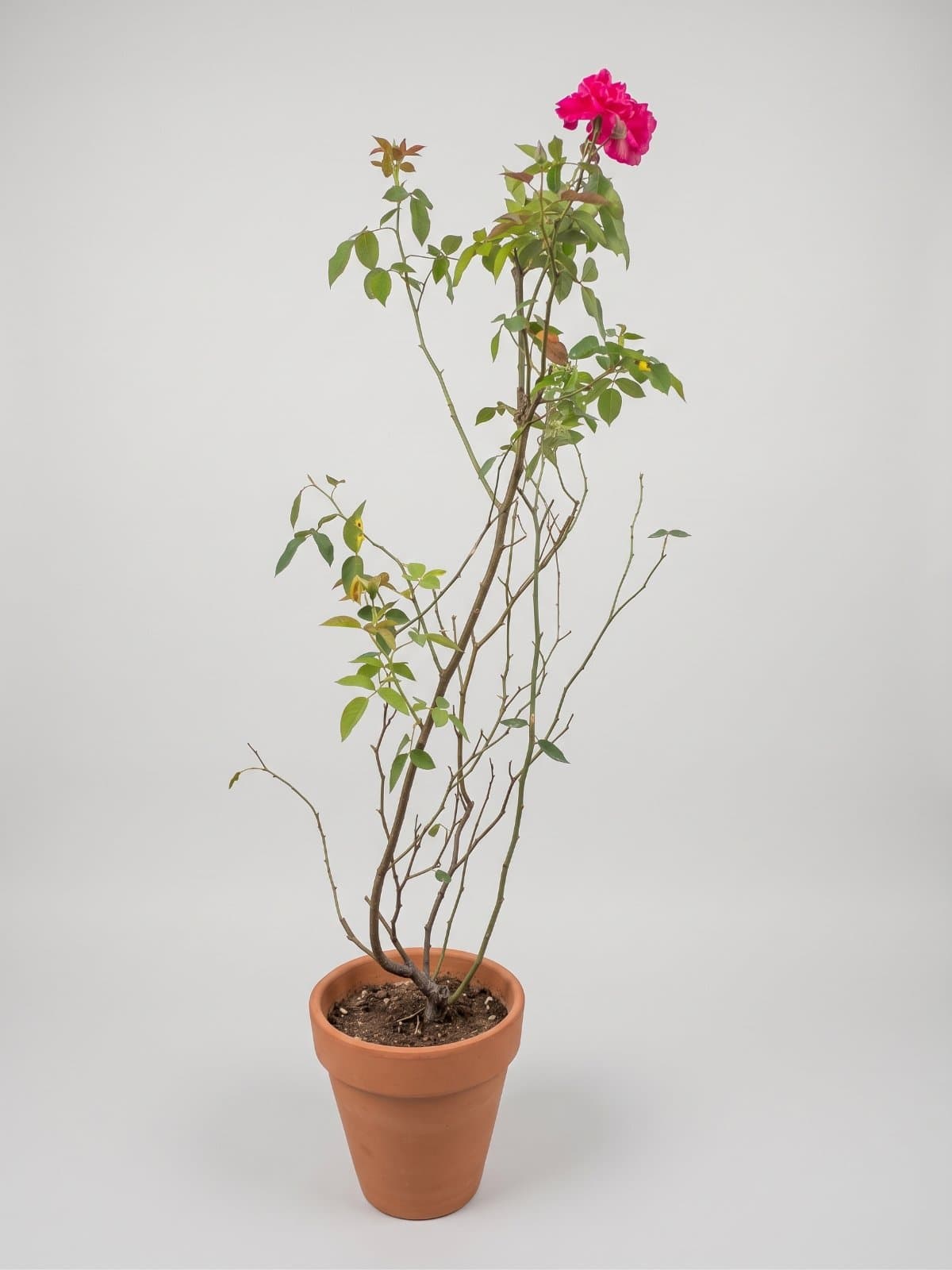
Rose (Rosa)
No fragrant garden is complete without the rose — the classic, romantic scent that no other flower quite matches. A good scented red rose gives you colour and perfume together, and cut blooms bring the fragrance indoors. Roses love sun — give them at least five to six hours a day — and reward regular feeding and deadheading with flush after flush of flowers. In Lahore the cooler months are prime rose season, and autumn is the time to plant for a strong spring show. See our guide on when to plant roses in Lahore, and browse the Red Rose.
Lemon (Citrus limon)
Fragrance does not only come from flowers grown for scent — some of the sweetest perfume in a garden comes from a citrus tree in blossom. A lemon tree covered in small white flowers fills the air with a clean, honeyed scent in spring, and then rewards you with fruit for the kitchen through the year. It is the fragrant plant that earns its keep twice over. Grow it in the sunniest spot you have, in free-draining soil, and keep it fed and watered through the fruiting season. Get yours here: Lemon.
How to build a fragrant corner
The trick to a garden that always smells good is to combine plants that peak at different times. Pair the evening perfume of motia and raat ki rani with the daytime scent of roses and the spring blossom of a lemon, and you will have fragrance across the seasons and across the hours. Group scented pots close to where you sit rather than scattering them, so the perfume concentrates. And keep them healthy — a stressed, under-watered plant makes fewer flowers, and fewer flowers means less scent. In Lahore's summer that means watering consistently and shading pots from the worst afternoon heat.
Common questions
Which is the most fragrant plant for a small balcony?
Motia. It thrives in a pot, does not need much room, and its evening perfume is strong enough to scent a whole balcony from a single plant. It is the perfect fragrant plant for apartment gardeners.
What is the difference between motia and raat ki rani?
Both are called jasmine but they are different plants. Motia (Jasminum sambac) has pretty white flowers and is fragrant through the day into the evening. Raat ki rani (Cestrum nocturnum) has insignificant flowers but an intense scent that only comes out at night. Many gardens grow both.
Do fragrant plants need full sun?
Motia, roses and lemon all flower best in full sun — and more flowers means more scent. Raat ki rani is more forgiving and will grow in part shade. In Lahore's June heat, even sun-lovers appreciate some shade during the harshest afternoon hours.
When will my motia start smelling?
Motia flowers in the warm months, roughly spring through autumn, and the scent is strongest in the evening. If yours is not flowering, it usually needs more sun, more consistent water, or a light feed to push out buds.
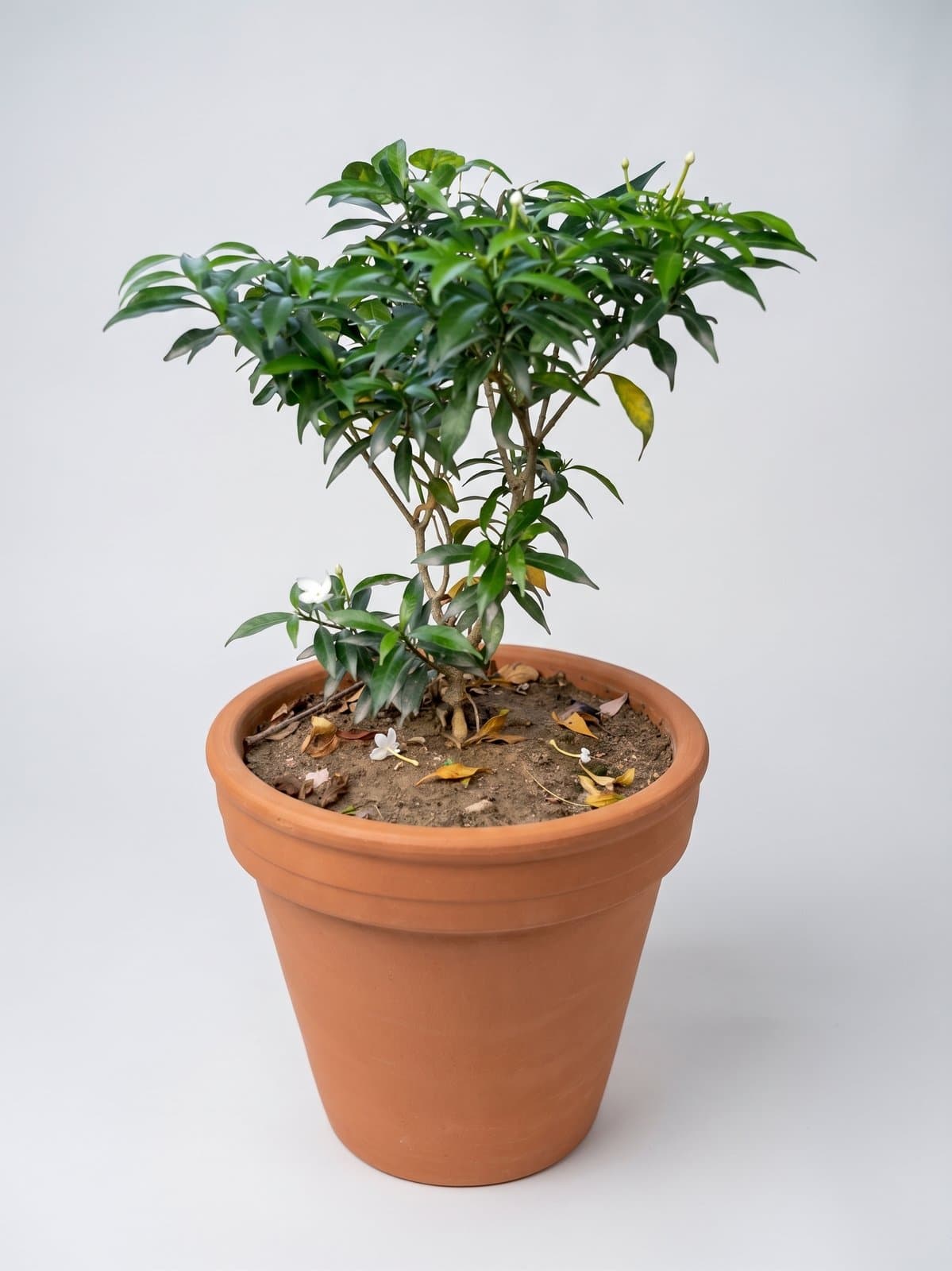
Ready to fill your evenings with scent? We keep four of the most fragrant plants in stock at Asghar Nursery Farm in Jallo More, Lahore: the unbeatable Motia at Rs 250, a classic scented Red Rose at Rs 250, a Lemon at Rs 250 for fragrant blossom and fruit, and the sweetly scented Chandni (Crape Jasmine) at Rs 250. See more on our plants page, then message us on WhatsApp to reserve yours or visit us in Jallo More, Lahore.
Photo: Habib M'henni, CC BY-SA 3.0, via Wikimedia Commons.