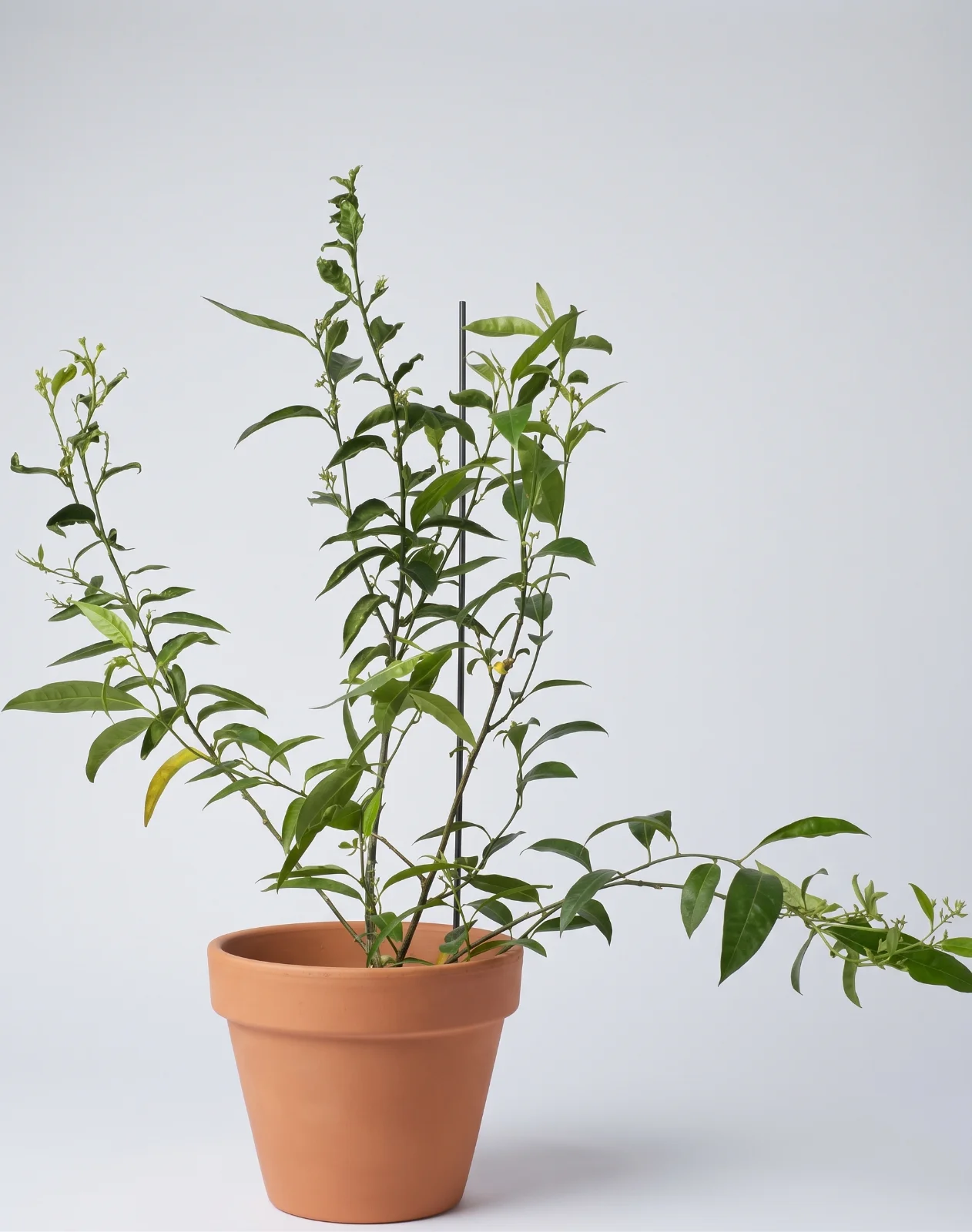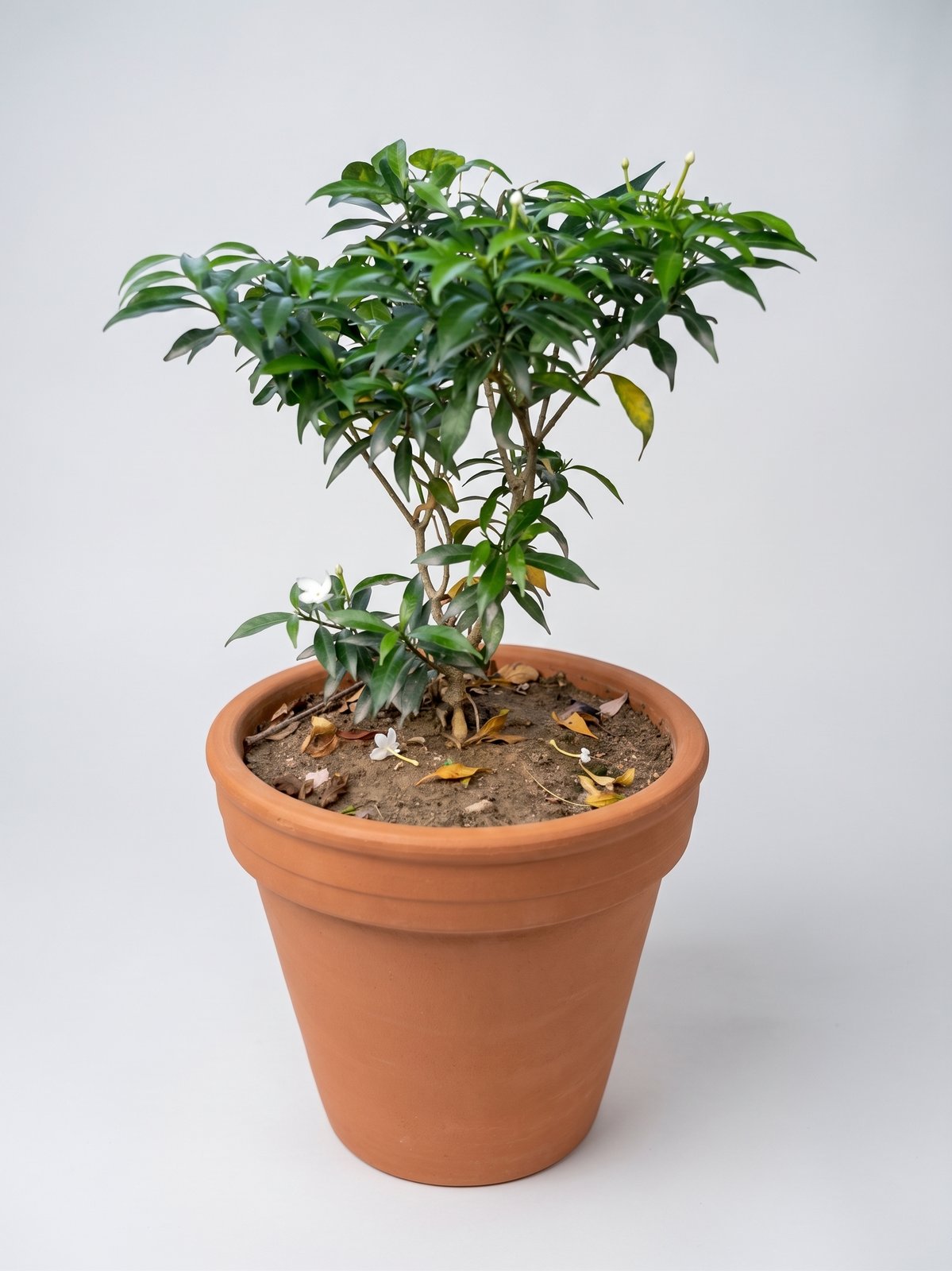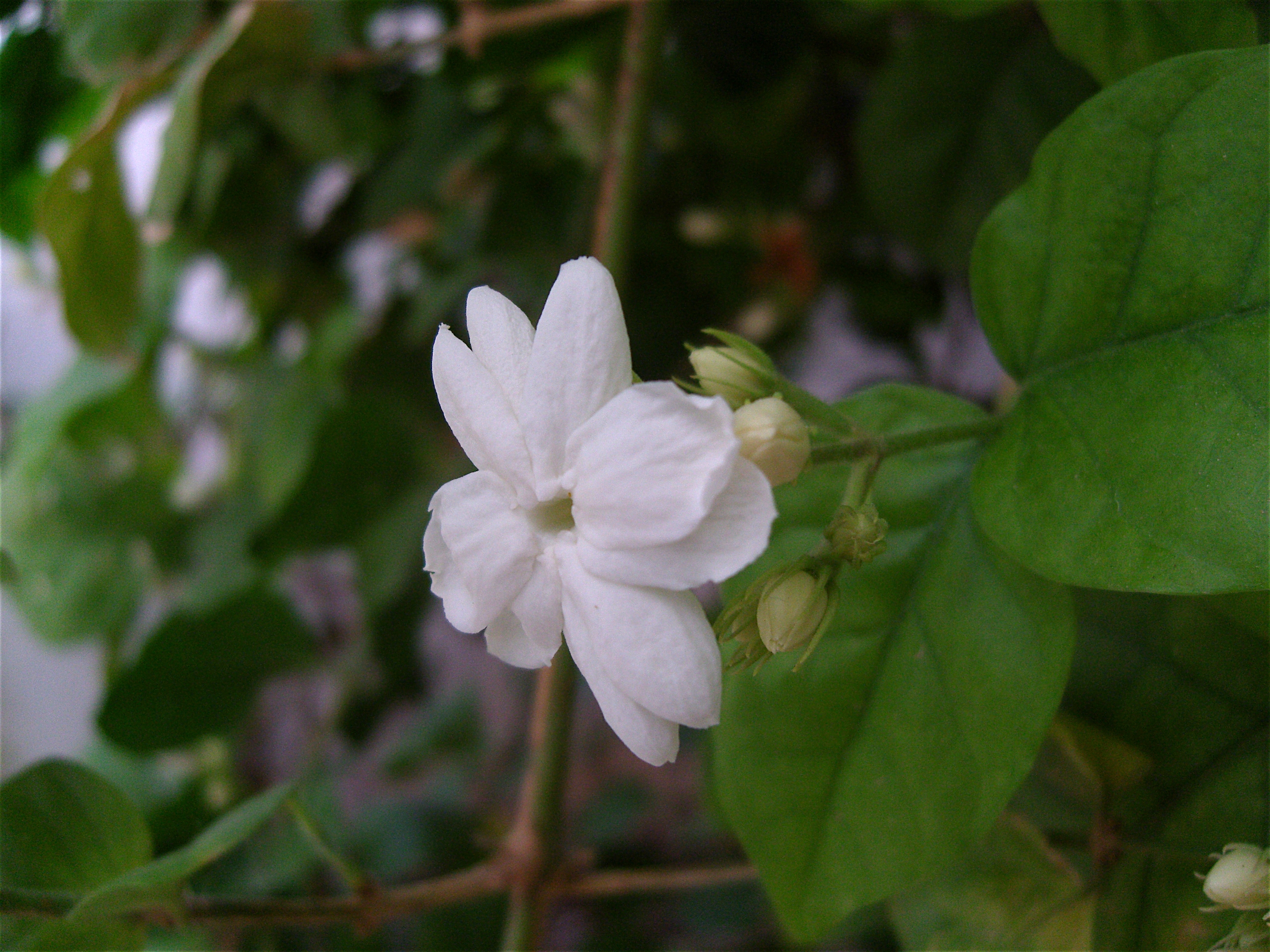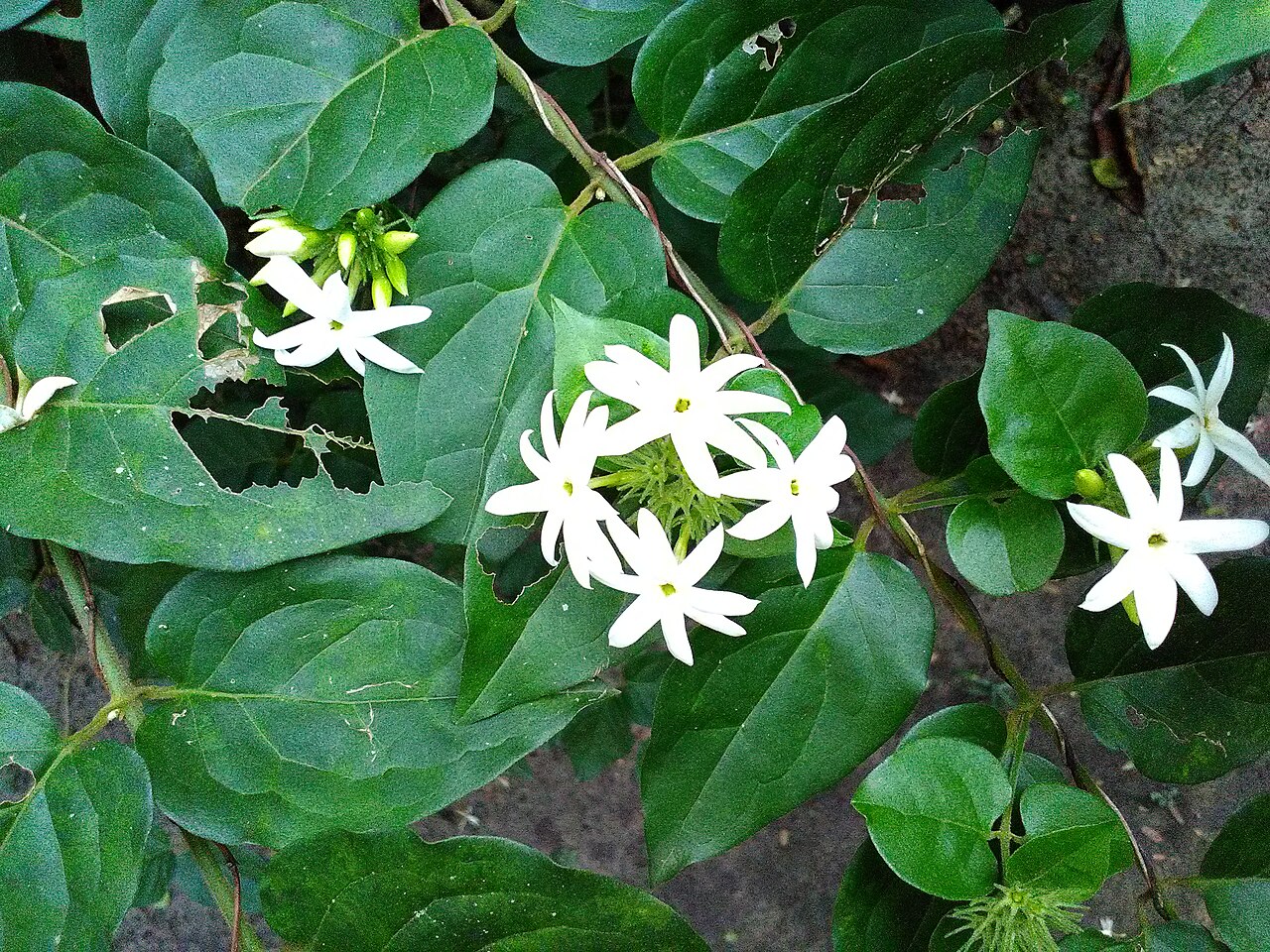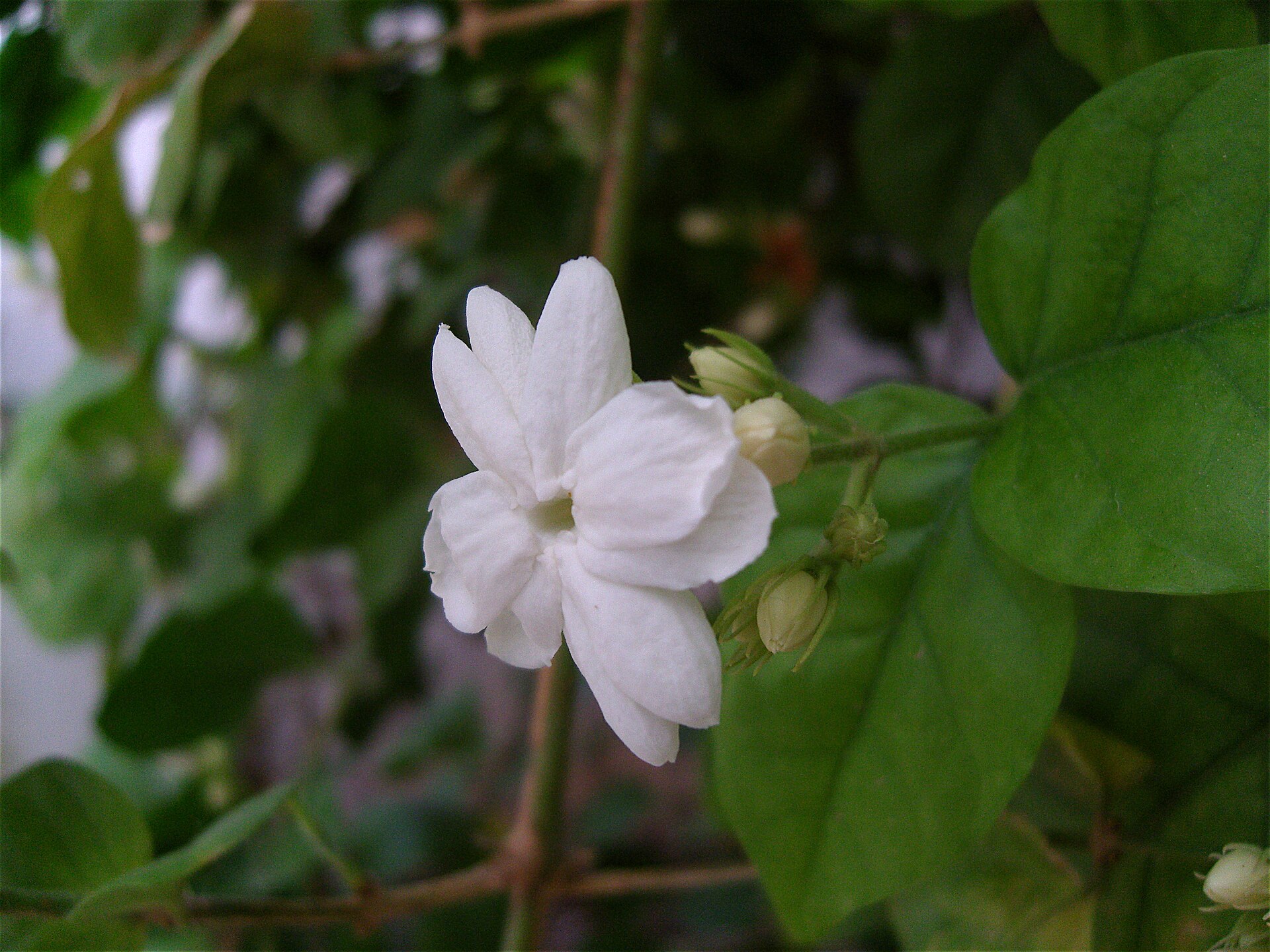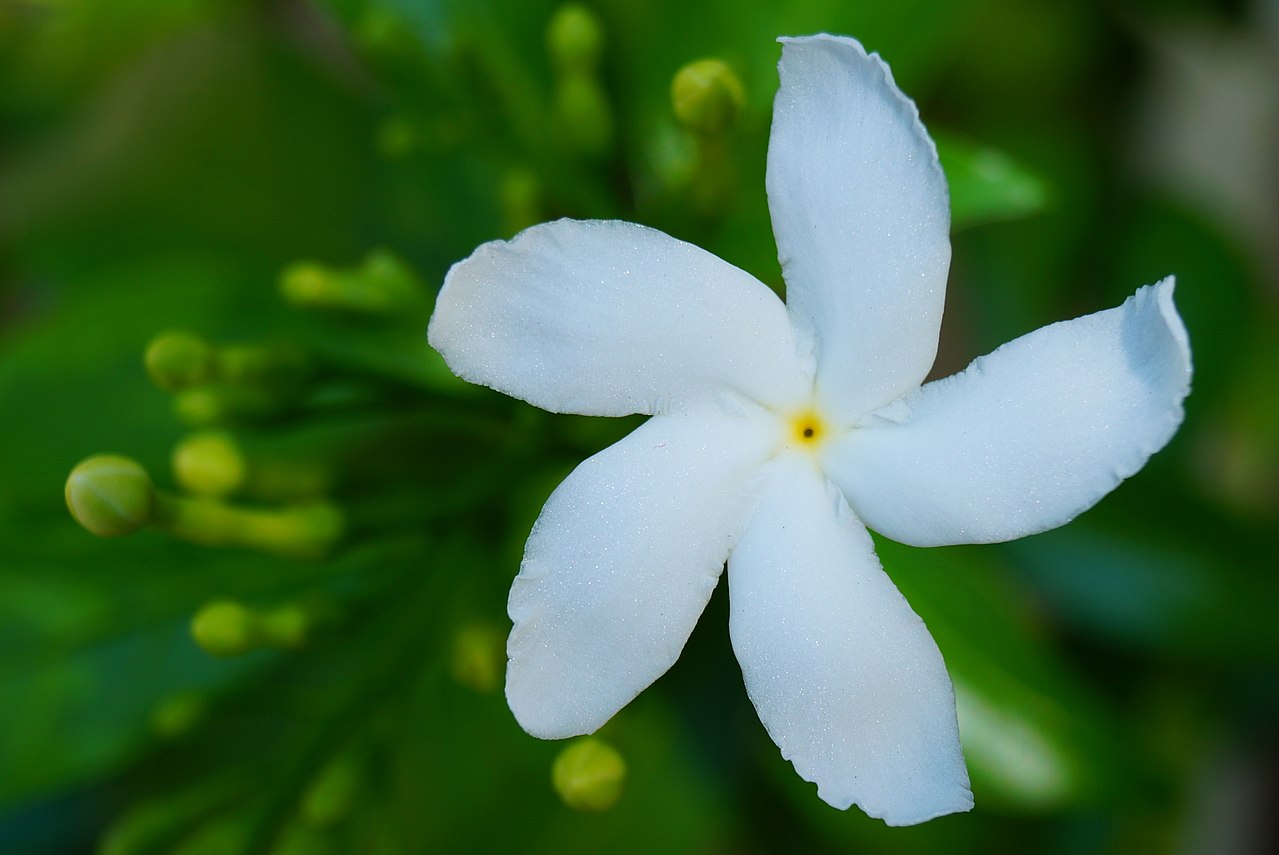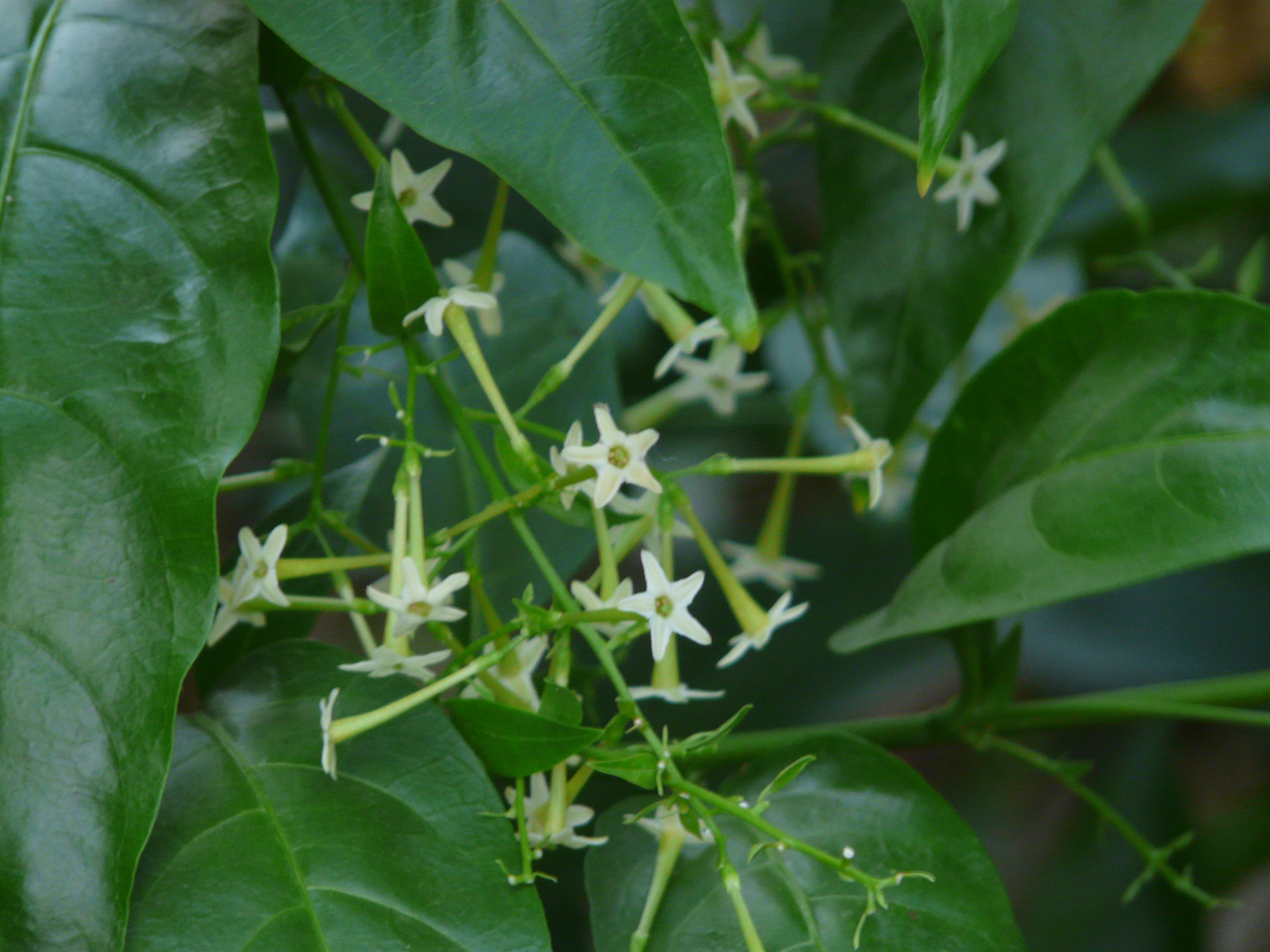
Raat ki rani — night jasmine — is the plant that announces evening in half the gardens of Lahore. You rarely see it flower; you smell it first, that heavy sweet wave that rolls across the courtyard the moment the sun drops. The tiny greenish-white tubular flowers are almost shy by day, but after dark this shrub perfumes an entire street. It is fast, tough, loves our heat, and asks very little in return. Here is how to grow a healthy raat ki rani, and where to place it so the fragrance is a pleasure rather than too much.
Sun and where to plant it
Give raat ki rani full sun to light afternoon shade — five to six hours of direct light keeps it dense and flowering well. It grows into a loose, arching shrub two to three metres tall, so give it room; it is happiest in the ground along a boundary wall or in a large pot on a sunny terrace. The single most important placement decision is distance from where you sleep. The scent is genuinely powerful at night, and for some people a plant right under an open bedroom window is too much — even headache-inducing. Plant it near a seating area, a gate, or a courtyard corner where you enjoy the evening, and keep it a few metres away from bedroom windows.
Water and soil
Raat ki rani is not fussy about soil as long as it drains — ordinary garden soil improved with compost is plenty. Water regularly through the hot months to keep it in flush; in the peak of a Lahore summer a potted plant may need water every day, while one in the ground is far more forgiving once established. Ease off in winter when growth slows. It dislikes standing water at the roots, so make sure pots have open drainage holes.
Season, flowering and winter
The main show runs through the warm months, roughly spring into autumn, with repeated flushes of bloom every few weeks. In Lahore it flowers most heavily in the long warm evenings of summer and the monsoon. Growth pauses in the cold, and a hard January frost can burn the soft tips — this is normal. Do not panic and do not cut a frost-nipped plant back hard in the cold; wait for the warmth to return and it will push fresh growth from below.
Pruning and feeding for more scent
- Prune to keep it tidy and bushy. Left alone it sprawls. Trim after a flowering flush and again in late winter to shape it — this encourages the new shoots that carry the flowers.
- Feed through spring and summer. A general balanced fertiliser, or compost worked in around the base, keeps it vigorous and blooming. Nothing exotic is needed.
- Propagation is easy. It grows readily from semi-hardwood cuttings taken in the warm season — one plant quickly becomes several for friends and neighbours.
Common questions
Why does raat ki rani only smell at night?
The flowers open and release their fragrance after dark to attract night-flying moths. By day they close up and the scent all but disappears — this is the plant's natural rhythm, not a problem to fix.
Is it safe to plant raat ki rani near a bedroom?
For most people it is fine a few metres away, but the night scent is very strong and some find it overpowering right under an open window — it can trigger a headache. Plant it near a sitting area or gate rather than pressed against a bedroom, and you get all the pleasure with none of the heaviness.
Why is my raat ki rani not flowering?
Usually too little sun, or a plant that has never been pruned. Move it into full sun, trim it after each flush and in late winter, and feed it through the growing season — flowering should follow.
Does it grow well in a pot?
Yes. Use a large, well-draining pot and a sunny spot, and prune it to keep the size in check. A pot lets you park the scent exactly where you sit in the evening.
We keep healthy raat ki rani plants at the farm, ready to plant — message us on WhatsApp to reserve one. If you would like a softer evening fragrance to grow alongside it, our motia (Arabian jasmine) is the classic choice, and easier to place right next to where you sit. You might also enjoy our guide to growing motia.