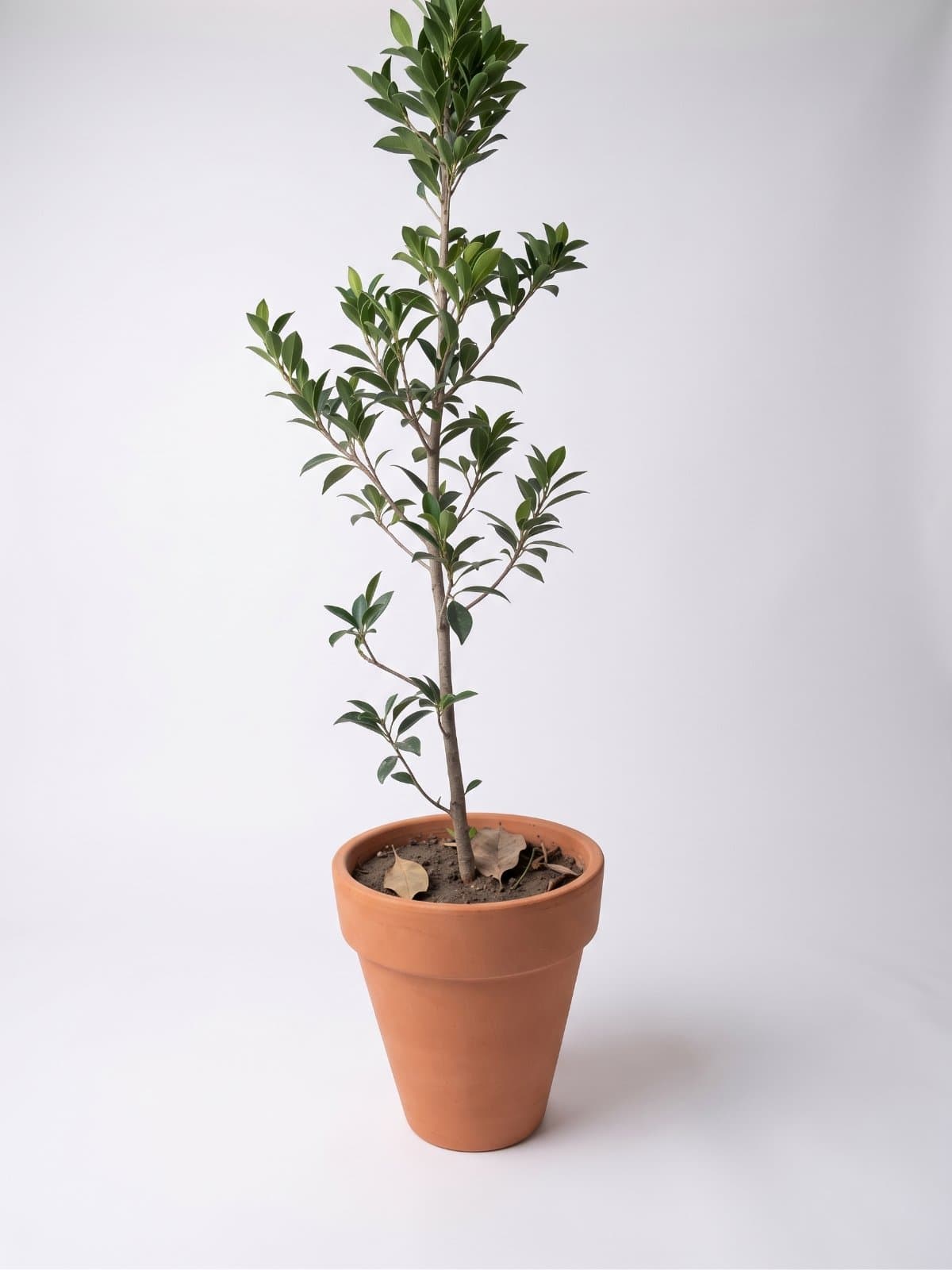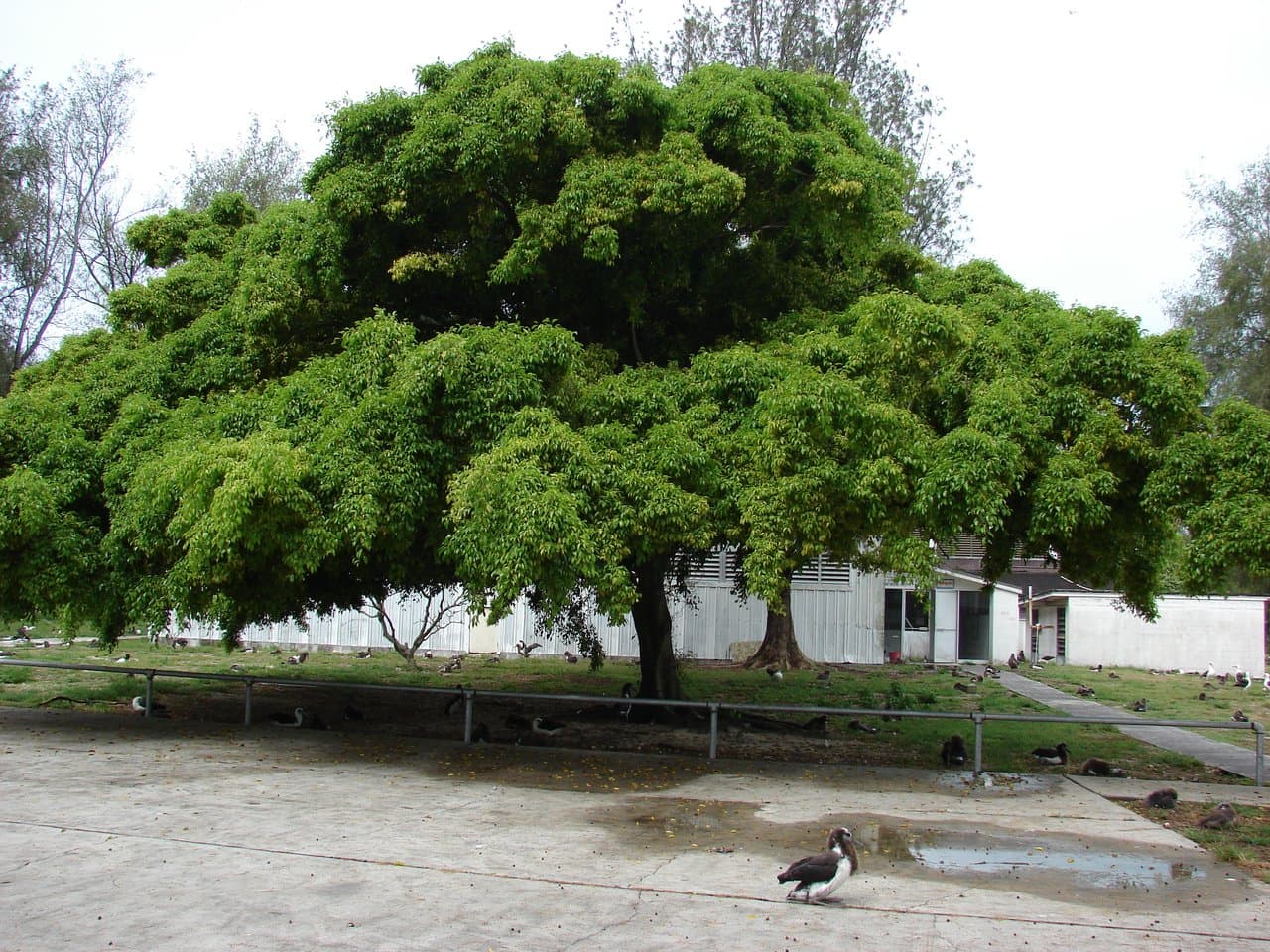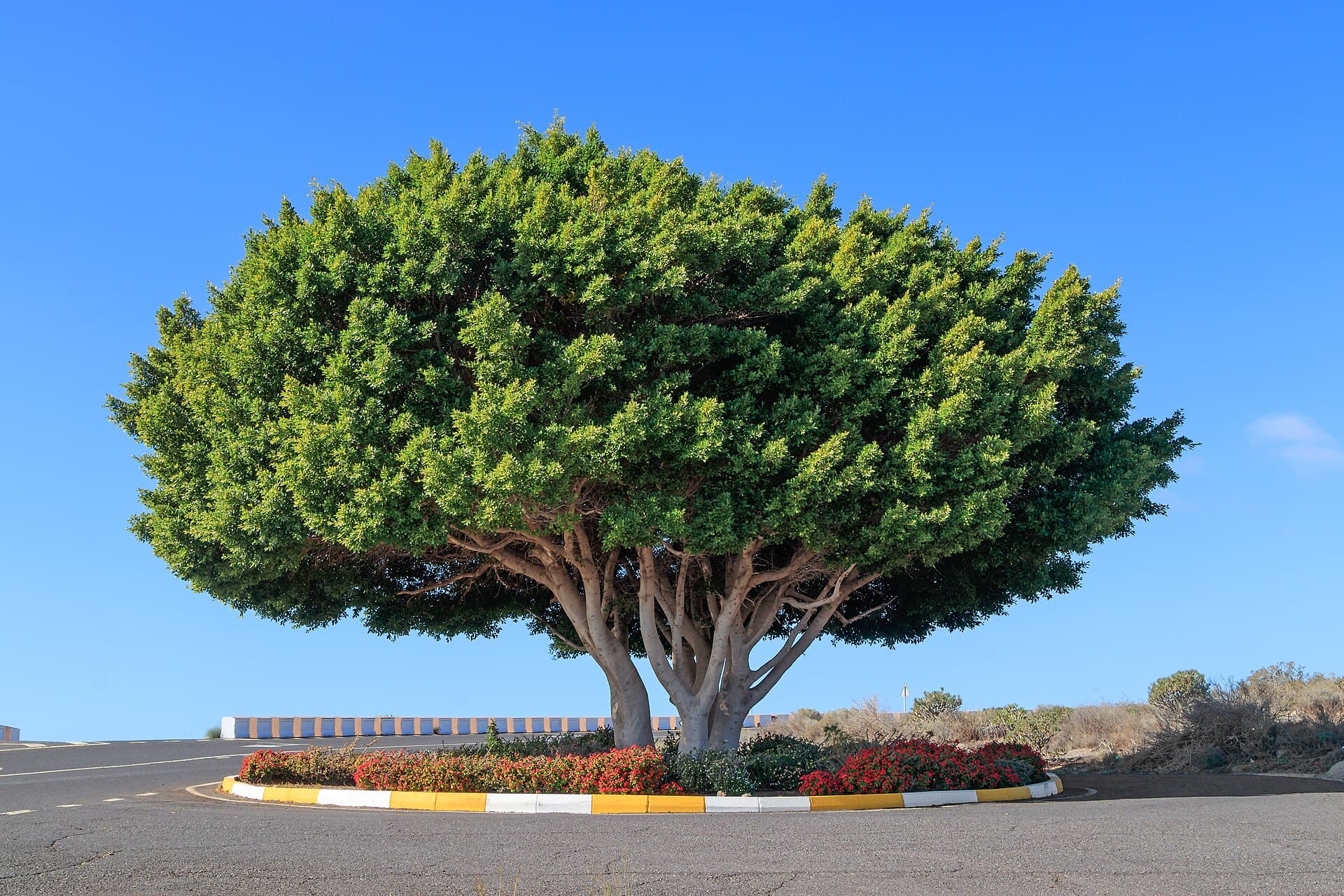
Few plants earn their place as many ways as the Ficus (Ficus microcarpa), known across Pakistan as the Indian Laurel Fig or Chinese Banyan. Its neat, glossy, deep-green leaves sit on a handsome branching frame that you can grow almost however you like — as a potted feature by the door, a crisply clipped garden hedge, a broad shade tree, or the classic subject for a first bonsai. It is tough, forgiving and fast to respond, which is exactly why it has been a favourite in Lahore gardens and courtyards for generations.
Light
This is an easy-going plant when it comes to light. It is happy in bright conditions ranging from full sun to light shade, so it settles into most spots in a Lahore garden or on a sunny terrace. Indoors, give it the brightest window you have — the more light it gets, the fuller and greener it grows, and the tighter and more compact the leaves stay. In deep shade it survives but stretches, with longer gaps between sparse leaves, so if you want that dense, bushy look, err on the side of more light.
Water and soil
The Ficus likes its soil kept evenly moist — not waterlogged, and not bone dry. Water when the top inch or two has begun to dry, giving it a good soak each time, and let any excess drain away freely. In the peak of a Lahore summer a potted plant in full sun may need daily watering; in winter it slows right down and needs far less, so ease off and check the soil before you reach for the can. Any decent, free-draining garden soil or potting mix suits it. In the ground its roots dig deep and find their own water once established, but a young plant still needs steady watering through its first hot season.
Heat, the Lahore seasons and its vigorous roots
Heat is no problem — a well-established Indian Laurel shrugs off our fierce summers and is one of the most reliable shade givers you can plant. It handles our mild winters comfortably too. The one thing to plan for is its vigorous root system. These are strong, questing roots, and a large specimen planted too close to a wall, paved path, boundary or drain can, in time, lift paving and push into pipes. Give a tree-sized Ficus open ground well away from the house, drains and boundary walls; grown in a pot or kept clipped small as a hedge or bonsai, its roots stay contained and cause no trouble.
Shaping: hedge, tree, bonsai
This is where the Ficus really shines. It is fast-growing and remarkably forgiving of pruning, so it takes clipping and shaping better than almost any ornamental. For a hedge or screen, trim it a few times through the growing season to build a dense, green wall. As a potted feature, pinch and prune to keep a neat rounded head. And as a bonsai it is a genuine classic — the small leaves, the fast response, and the way it throws out characterful aerial and surface roots make it one of the best subjects for a beginner in Pakistan. Whatever the form, feed it through the warm months with a balanced feed to fuel all that growth.
Problems and a word of caution
The most common surprise with a new Ficus is leaf drop: after you bring it home, move it, or change its light and watering, it may shed a flush of leaves in protest. Do not panic and do not overwater in response — settle it in a stable spot, keep the care steady, and it soon recovers and pushes fresh growth. Two safety points are worth knowing: the plant's milky white sap can irritate skin and eyes, so wash your hands after pruning, and the leaves are mildly toxic to pets if chewed. Keep it out of reach of cats, dogs and small children, especially the trimmings after a pruning session.
Common questions
Is this the same as the weeping fig?
No — it is a close cousin but a different species. The Indian Laurel Fig (Ficus microcarpa) has firmer, more upright growth, while the weeping fig (Ficus benjamina) has softer, drooping branch tips. If you were looking for that one, read our separate weeping fig care guide.
Why is my Ficus dropping leaves?
Almost always stress from change — a new home, a move to a darker spot, a draught, or a swing in watering. It is the plant's normal reaction, not a death sentence. Settle it somewhere stable and bright, water only when the top inch dries, and give it a few weeks to adjust.
Is it good for bonsai beginners?
Yes, it is one of the best. It grows fast, forgives mistakes, buds back readily after pruning and develops character quickly, so you see results without years of waiting. Our beginner's bonsai care guide walks you through the basics.
Can I plant it as a hedge near my boundary wall?
As a clipped hedge, kept trimmed and modest, yes. Just remember its roots are strong — keep a large, unclipped tree well away from walls, paving and drains to avoid problems down the line.
Ready to start one? Our Ficus (Indian Laurel Fig) is in stock at just Rs 250 — perfect as a hedge plant, a potted feature or your first bonsai. To reserve one, message us on WhatsApp or visit us in Jallo More, Lahore, and browse the rest of our plants while you are here.
Photo: H. Zell, CC BY-SA 3.0, via Wikimedia Commons.