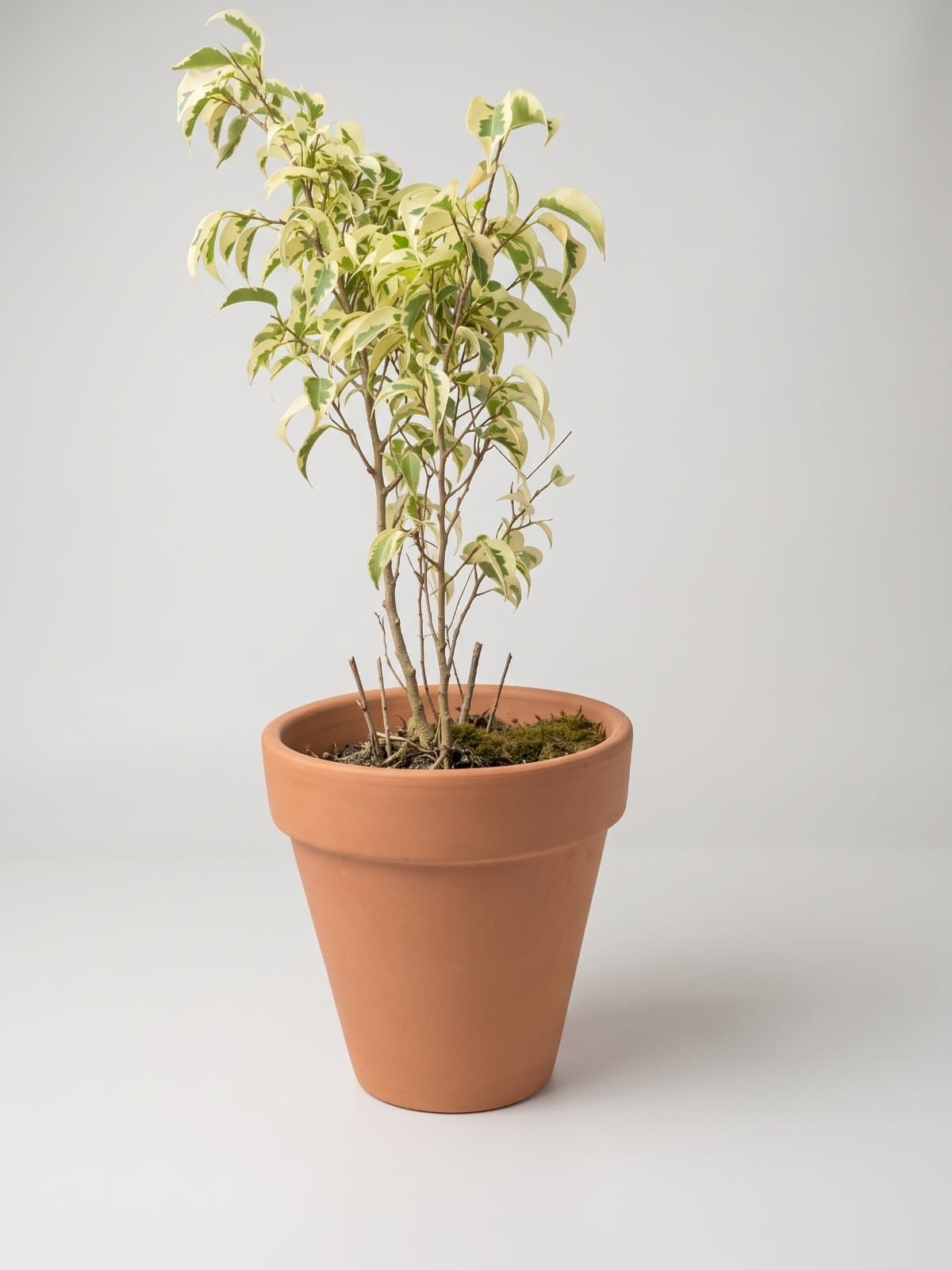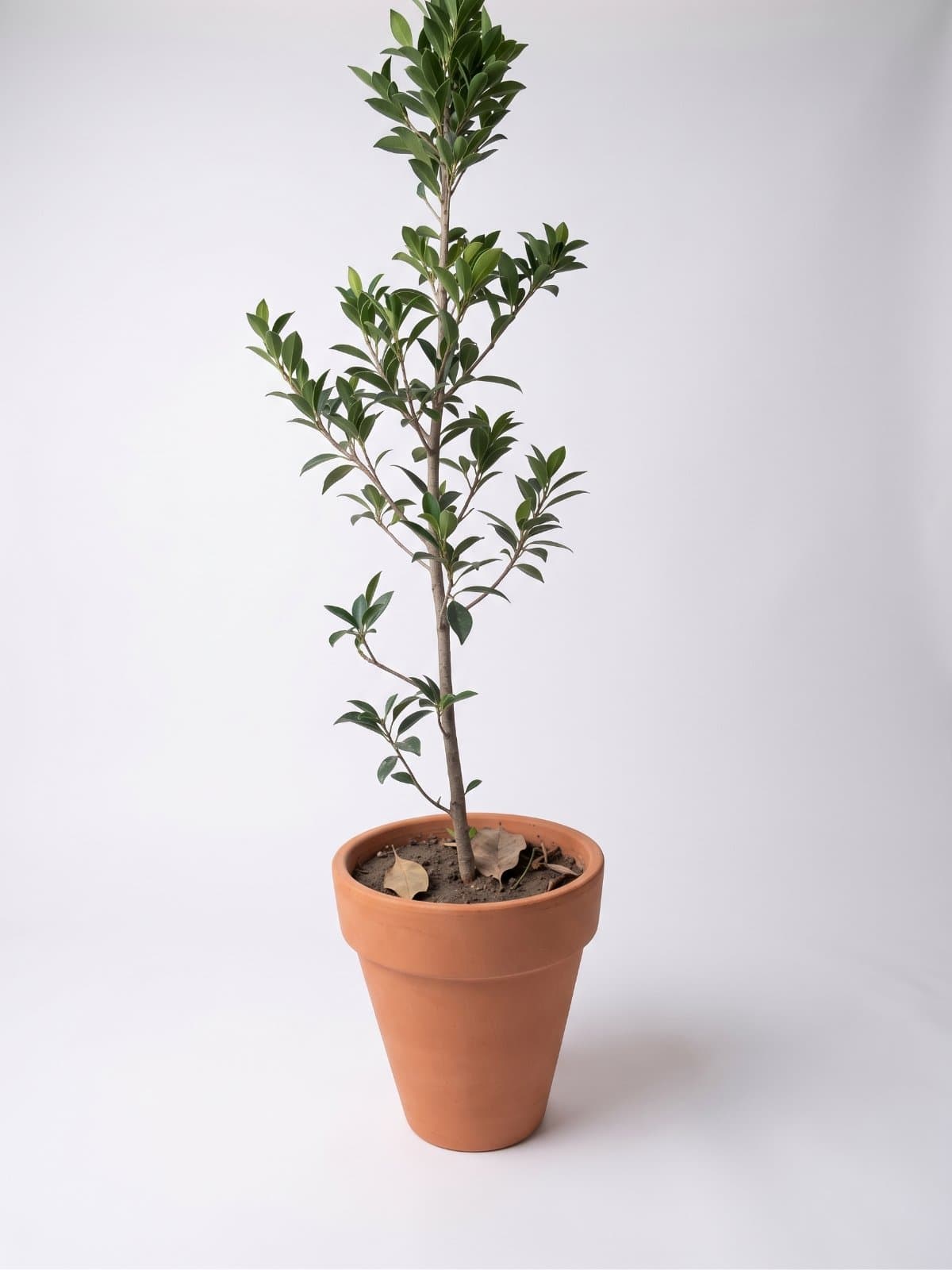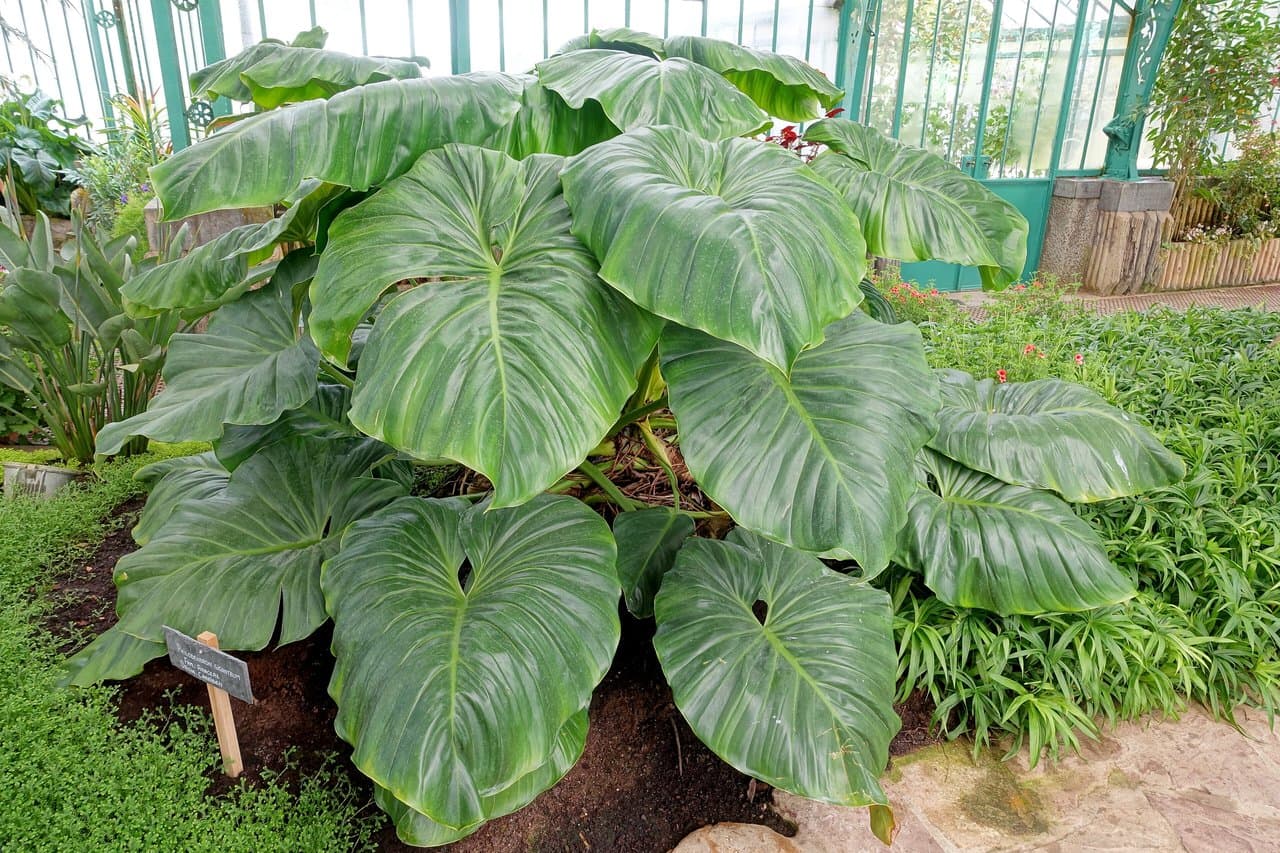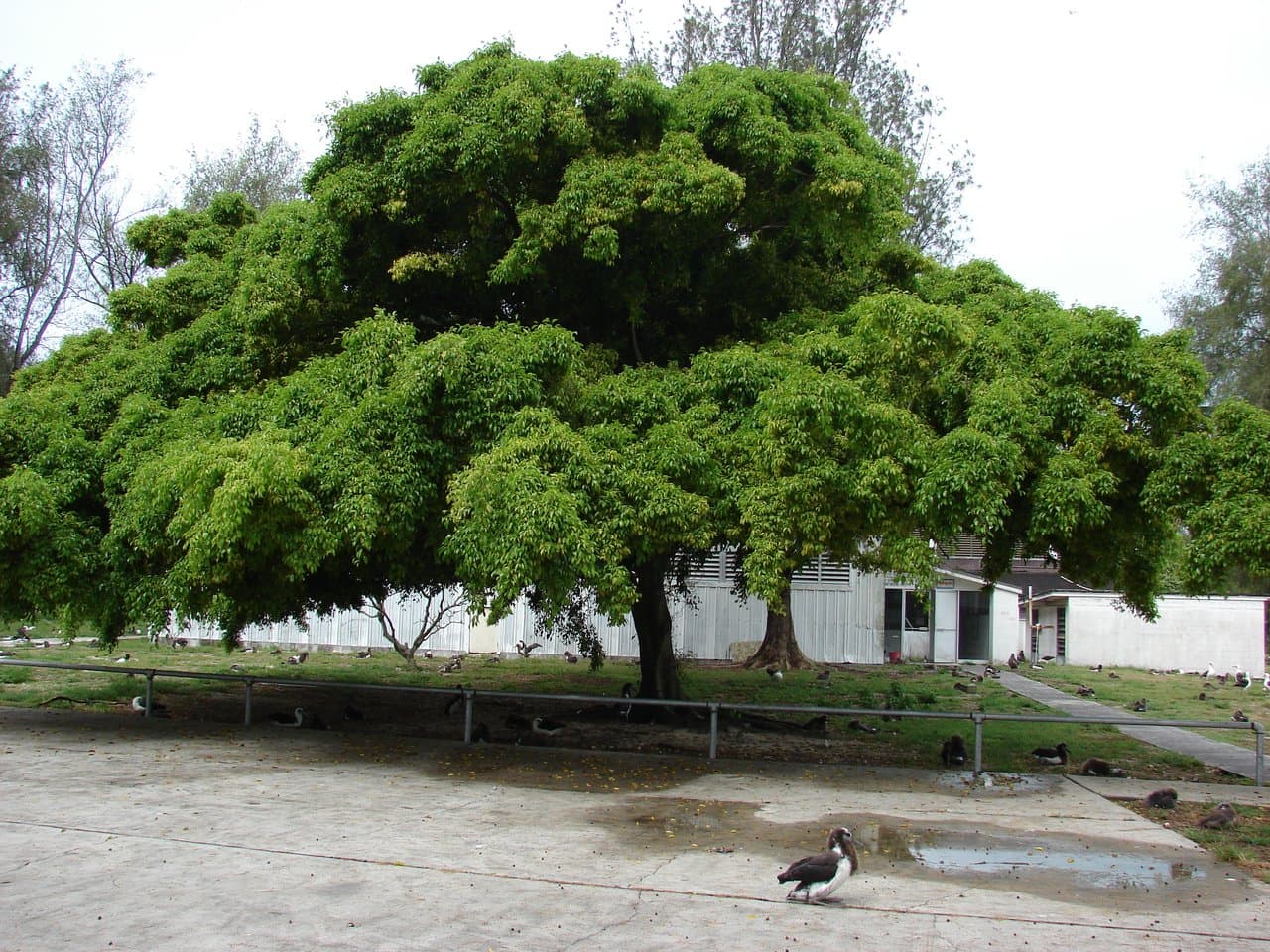
The ficus family gives Pakistani homes two of their most elegant plants: the weeping fig (Ficus benjamina), a graceful little indoor tree with slender, arching branches and small glossy leaves, and its tougher cousin the Indian Laurel Fig (Ficus microcarpa), grown outdoors as a clipped screen or trained as bonsai. Both are loved for that fine, leafy, tree-in-miniature look — a weeping fig in a bright Lahore living room reads almost like a piece of living furniture. The one thing every new owner should know up front: a weeping fig is famous for dropping its leaves when it is unhappy, and the cause is nearly always simple — it has been moved, chilled, or caught in a draught. Get its spot right and then leave it alone, and it settles into a beautiful, long-lived plant.
We keep the pretty variegated weeping fig, its leaves marbled and edged in creamy-white, along with the glossy green Indian Laurel Fig for anyone who wants a bonsai subject or an outdoor screen. Here is how to keep either one thriving in Lahore.
Light — bright, and then do not move it
A ficus wants bright, indirect light: a spot near a window that gets plenty of daylight but is shielded from the harshest afternoon summer sun, which can scorch the fine leaves. It will limp along in a dim corner, but slowly thin out and grow leggy. The golden rule of ficus care, though, is consistency of place. Pick the brightest steady spot you can and then leave the plant there.
- Do not shuffle it around the room, turn it to a colder window, or stand it in the path of a door, fan or air conditioner.
- Any sudden change in light or temperature makes a weeping fig shed a flush of leaves in protest.
- This is normal stress behaviour, not a death sentence — but the way to avoid it is to choose the position once, carefully, and resist rearranging.
Watering, humidity and settling a leaf-dropper
With a ficus, aim for a steady watering rhythm rather than lurching between bone-dry and soggy — both extremes trigger leaf drop. Consistency matters more than any exact schedule.
- Feel the soil and water when the top 2–3 cm are dry, then soak it thoroughly and let every drop drain away.
- Never leave the pot standing in a saucer of water; soggy roots rot and the plant sheds leaves fast.
- Ficus enjoys humidity, so in dry Lahore air mist the leaves or stand the pot on a tray of damp pebbles, especially in summer with the AC running.
- Ease right off in winter, when growth slows and the soil stays wet much longer.
When you first bring a ficus home, expect some leaf drop over the first two or three weeks as it adjusts to the new light and humidity. Do not panic and overwater — keep it in one bright spot, water on the normal rhythm, and fresh leaves soon replace the lost ones.
Pruning, shaping and bonsai
Ficus takes to pruning beautifully. Pinch and clip the tips through the growing season to keep the plant bushy and the crown dense, doing any harder cutting in late winter or early spring just before the new flush. This willingness to be shaped is exactly why the Indian Laurel Fig is one of the classic beginner bonsai — it back-buds readily, thickens into a handsome gnarled trunk, and in humid conditions throws down aerial roots that can be trained into that dramatic banyan-on-a-tray look. Whenever you cut a ficus it bleeds a milky white sap; that is normal — just wipe the blade and wash your hands. If you fancy trying one, our bonsai for beginners guide walks you through the first steps.
Indoors or an outdoor screen in Lahore
Indoors, the weeping fig is the star — an airy, elegant tree for a well-lit living room, office or veranda. Outdoors, both figs are grown across Lahore as clipped hedges, screens and shade, and you will have seen glossy Indian Laurel along boundary walls and streets. The catch is winter: ficus is frost-tender, and Lahore's coldest January nights, near or a touch below freezing, can scorch or defoliate a young plant. An established, in-ground tree in a sheltered corner shrugs off our mild winters, but a potted or young ficus is best moved to a warm, bright veranda or indoors for the coldest few weeks. The Indian Laurel is a little hardier outdoors, which is why it turns up more often as a boundary screen. Summer is the easy season, as long as plants are watered and, while young, shaded from the fiercest afternoon sun — our note on keeping indoor plants alive through a Lahore summer has more.
A note on the milky sap: keep it away from pets and children
Every ficus bleeds a milky latex sap when a leaf or stem is broken, and it is a mild irritant. On skin it can cause itching or a rash in sensitive people, so wash your hands after pruning. The leaves and sap are also mildly toxic to cats and dogs if chewed — expect drooling, mouth irritation, vomiting or an upset stomach rather than anything life-threatening. It is not a plant to lose sleep over, but keep it where nibbling pets and small children cannot get at the leaves, and ring your vet if an animal eats a good amount.
Common questions
Why does my weeping fig keep dropping its leaves?
Almost always stress from change — it has been moved, turned, chilled, left in a draught, or its watering has swung between bone-dry and soggy. Put it back in one steady, bright spot, water on a consistent rhythm, and stop fussing over it; it will grow new leaves once it settles. A bare patch in the first two or three weeks after you buy or move it is normal.
Can I grow a ficus outdoors in Lahore?
Yes — in summer, and in a sheltered spot for much of the year. Both the weeping fig and the hardier Indian Laurel are grown here as screens and shade trees. But ficus is frost-tender, so protect young or potted plants on the coldest January nights, or move them under cover until the cold snap passes.
Is the ficus or weeping fig poisonous to pets?
Mildly, yes. The milky sap and the leaves can irritate the mouth and skin and upset a cat's or dog's stomach if chewed. It is not usually dangerous, but keep it out of reach of pets and toddlers, and wash your hands after pruning or taking cuttings.
Is the Indian Laurel Fig good for bonsai?
It is one of the best beginner bonsai there is — tough, quick to back-bud after a trim, and famous for the thick trunk and dramatic aerial roots it grows in warm, humid conditions. See our bonsai for beginners guide to get started.
If you would like one, we keep the elegant variegated weeping fig at the farm, and the glossy Indian Laurel Fig for bonsai and screening. Stock of the fancier variegated form comes and goes, so if we happen to be out we will try to arrange a healthy, well-rooted plant for you on order — just message us on WhatsApp. New to indoor greenery? Start with our indoor plant care guide.