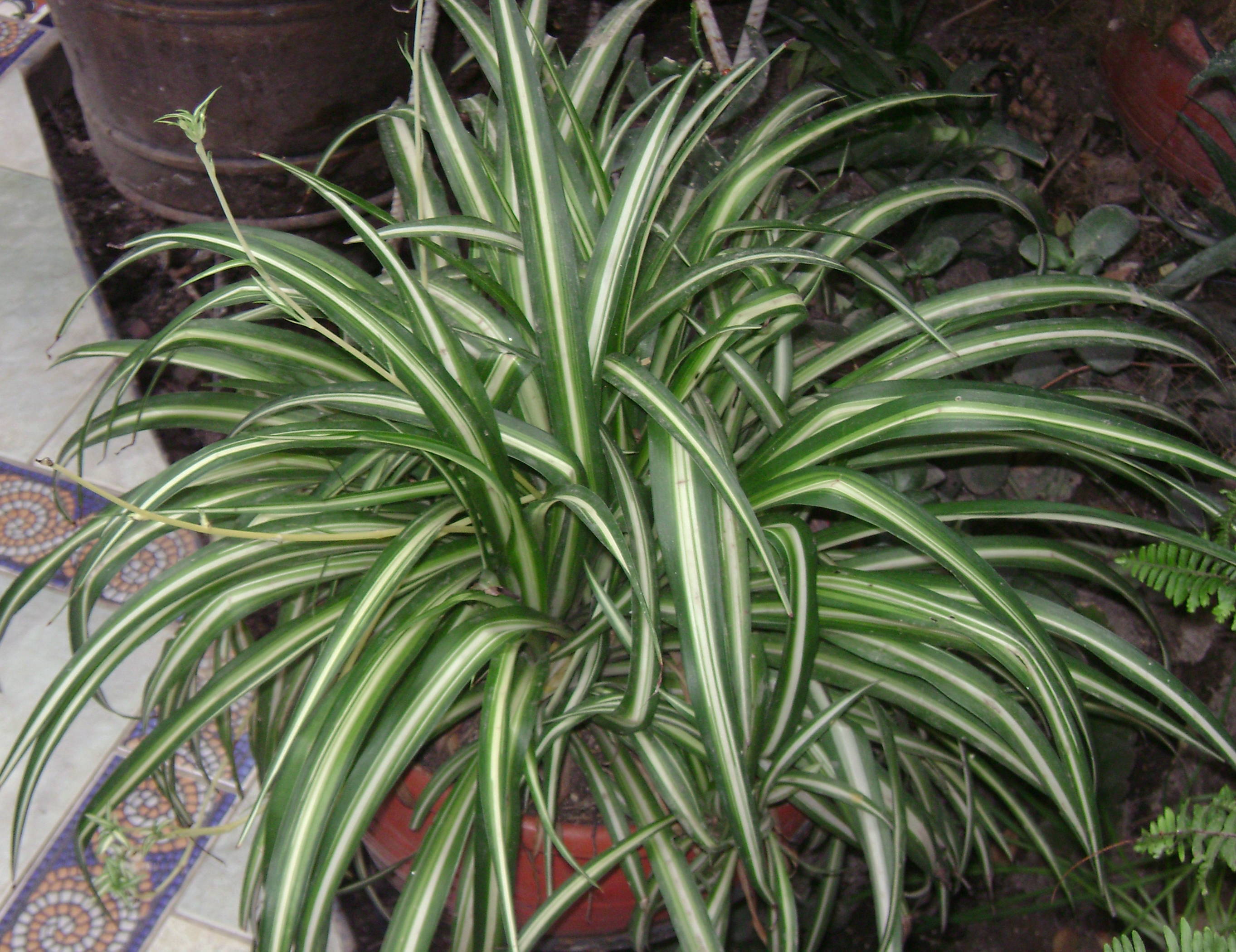
If you want one indoor plant that almost refuses to die, the spider plant (Chlorophytum comosum) is it — and spider plant care is genuinely simple, which is why it tops so many beginner lists. Its arching green-and-cream leaves look good on a shelf, a hanging basket or a bathroom windowsill, it helps freshen indoor air, and it is non-toxic — safe around curious children and pets. Best of all, a happy plant sends out long stems tipped with little baby plantlets, so one plant slowly becomes many.
Light — bright but no harsh sun
Spider plants love bright, indirect light. An east- or north-facing window, or a spot a metre or two back from a sunny window, is ideal. In Lahore, keep it out of the direct afternoon sun of summer, which scorches the leaf tips brown. Too little light is also a problem — in a dim corner the variegation fades and the plant stops producing babies. A bright, sheltered balcony works beautifully in the milder months.
Watering — let it dry between drinks
This plant stores water in thick, tuberous roots, so it copes well if you forget it now and then. Water thoroughly, then let the top two to three centimetres of soil dry out before watering again — usually every 5 to 7 days in summer and much less in winter. Overwatering and soggy soil are the main killers, causing soft, yellowing leaves and root rot. Always use a pot with a drainage hole.
Soil, pots and feeding
- Soil: a light, well-draining mix — ordinary potting soil loosened with sand or perlite is perfect.
- Pots: spider plants like being a little snug, but repot into the next size up every year or two once roots crowd the pot.
- Feeding: a diluted, balanced liquid fertiliser once a month through spring and summer keeps growth lush. Stop feeding in winter when the plant rests.
Brown leaf tips — the usual cause
Brown, crispy tips are the most common spider plant complaint. Usually it is not disease at all, but a reaction to fluoride and salts in tap water, or to very dry air and underwatering. Water a little more evenly, and to cure mineral browning switch to rainwater, distilled or filtered (RO/activated-alumina) water and flush the pot through occasionally to leach out built-up salts — standing tap water overnight only clears chlorine, not fluoride or hardness. That said, much of Lahore's supply is groundwater and usually low in added fluoride, so salt buildup from hard water and dry air are the more likely culprits here. Trim the brown tips off with scissors if you like the tidier look.
Free plants: growing the babies
The dangling plantlets — often called "spiderettes" — are the fun part. Once a baby has a few small roots of its own, snip it off and either press it onto moist soil in a small pot (keep it attached to the mother a while longer if you want it to root first) or stand it in a glass of water until roots grow, then pot it up. This is the cheapest way to fill your home, or to gift plants to friends.
Common questions
Is the spider plant safe for cats and children?
Yes. It is one of the well-known non-toxic houseplants, which is a big reason it suits family homes with pets and small children.
Why are my spider plant's leaf tips turning brown?
Most often it is salts or fluoride in tap water, dry air, or uneven watering — not a serious problem. Water more evenly, switch to rainwater or filtered water (letting tap water stand overnight only removes chlorine, not fluoride), and simply trim the tips.
How often should I water a spider plant in Lahore summer?
Roughly every 5 to 7 days — but let the top of the soil dry before each watering rather than following a fixed schedule. In winter, water much less often.
We do not currently keep the spider plant at the farm, but if you would like one we are happy to source a healthy plant for you — just message us on WhatsApp and we will arrange it. If you want to start with something we do have ready and equally easy, our money plant (pothos) is a hardy, forgiving choice. For more ideas, see our guides to air-purifying indoor plants and the best indoor plants for beginners.