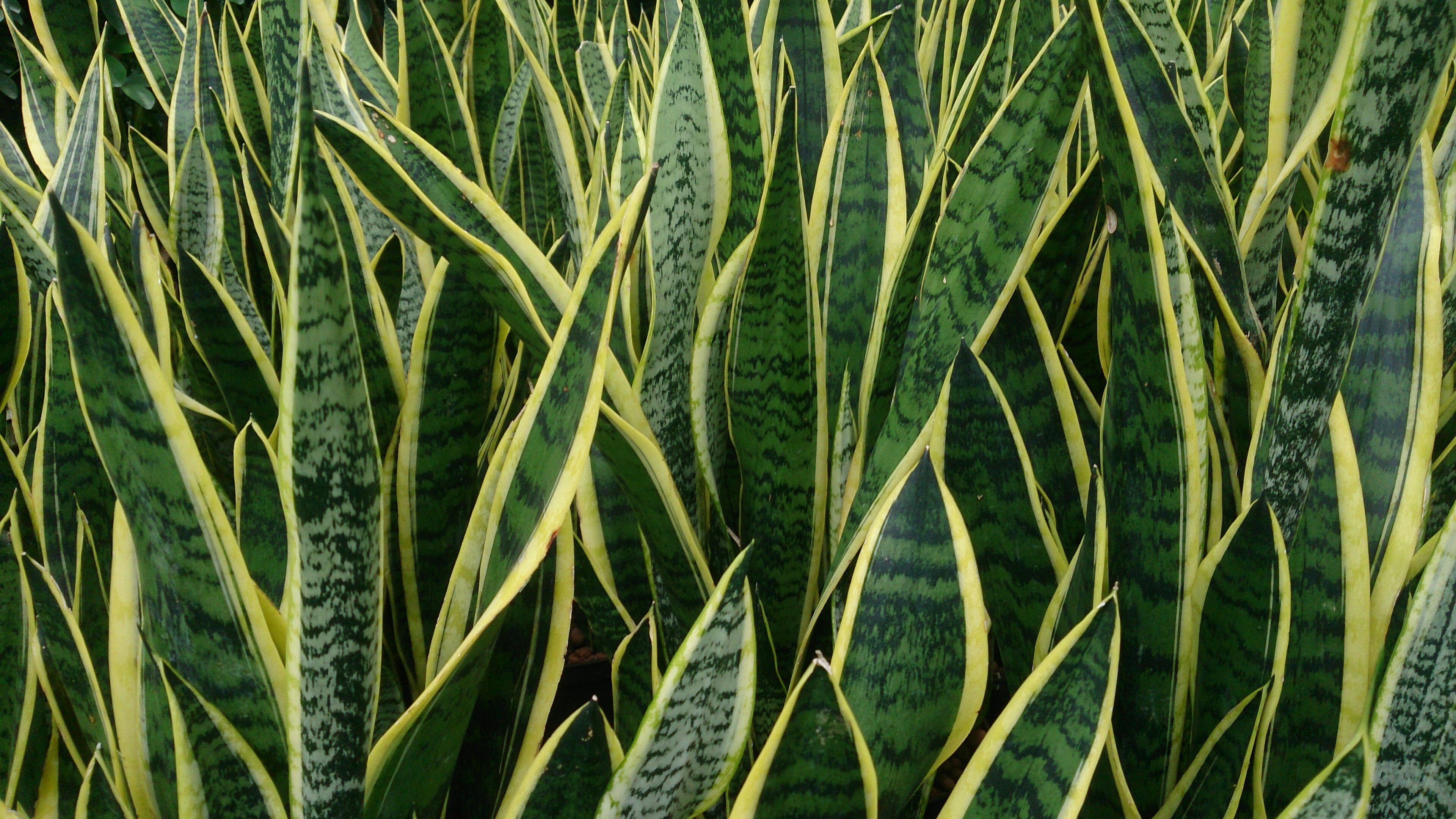
If you kill every houseplant you touch, the snake plant (Sansevieria, now botanically Dracaena trifasciata, also called mother-in-law's tongue) is the one to try — its whole reputation is being almost unkillable. Those stiff, upright, sword-shaped leaves shrug off low light, forgotten waterings and the swings of a Lahore home better than almost any other indoor plant. Get a few basics right and it will quietly thrive for years.
Light — it is genuinely flexible
A snake plant will tolerate a dim corner far from a window, which is why it ends up in bathrooms and hallways. But "tolerate" is not "prefer". For faster growth and stronger colour, give it bright, indirect light — a metre or two back from an east or north window is ideal. Keep it out of harsh, direct afternoon sun through summer glass, which can scorch the leaves. If your only spot is genuinely dark, the plant will survive; it will simply grow slowly.
Watering — where most people go wrong
Almost every dead snake plant died from too much water, not too little. The thick leaves store moisture, so the plant is built to ride out dry spells. Let the soil dry out completely between waterings, then water thoroughly until it runs from the drainage hole.
- Summer (Apr–Sep): roughly every 10–14 days indoors — but always check the soil first, do not water on a schedule.
- Winter (Nov–Feb): once every 3–4 weeks is often plenty; the plant is barely growing.
- Golden rule: when in doubt, wait. A thirsty snake plant recovers in a day; a waterlogged one rots at the base and is far harder to save.
Soil and pot
Drainage is everything. Use a free-draining mix — ordinary potting soil cut with plenty of sand or perlite, or a cactus-and-succulent mix. The pot must have a drainage hole; a decorative pot with no hole is the classic root-rot trap. Snake plants actually flower and grow best when a little root-bound, so do not rush to repot — every two to three years is plenty.
Feeding, cleaning and problems
Feed lightly with a balanced fertiliser once a month through spring and summer only; none in winter. Wipe the broad leaves with a damp cloth now and then so they can breathe and look their glossy best. The main pests in Lahore homes are mealybugs and spider mites — a wipe-down with soapy water usually handles them. If leaves go soft, yellow and mushy at the base, that is overwatering; ease off and check the roots.
Bonus: it cleans your air
The snake plant is a well-known air-purifying indoor plant and is unusual in releasing oxygen at night, which makes it a popular choice for bedrooms. Combined with how little it asks of you, that is a lot of reward for very little effort.
Common questions
How often should I water a snake plant in Lahore?
Only when the soil is fully dry — roughly every 10–14 days in summer and every 3–4 weeks in winter. Feel the soil before every watering rather than following a fixed calendar.
Why are my snake plant leaves falling over or turning soft?
Almost always overwatering or a pot with no drainage. Let it dry out completely, make sure the pot drains, and remove any soft, rotten sections.
Is a snake plant good for beginners?
It is one of the best. If you are just starting out, see our guide to the best indoor plants for beginners — the snake plant sits right at the top for a reason.
We do not currently keep snake plants at the farm, but we can source a healthy one for you — just message us on WhatsApp and we will arrange it. In the meantime, if you want an equally forgiving indoor plant you can take home today, our money plant is a favourite, and our indoor plant care guide will help you keep any of them happy.