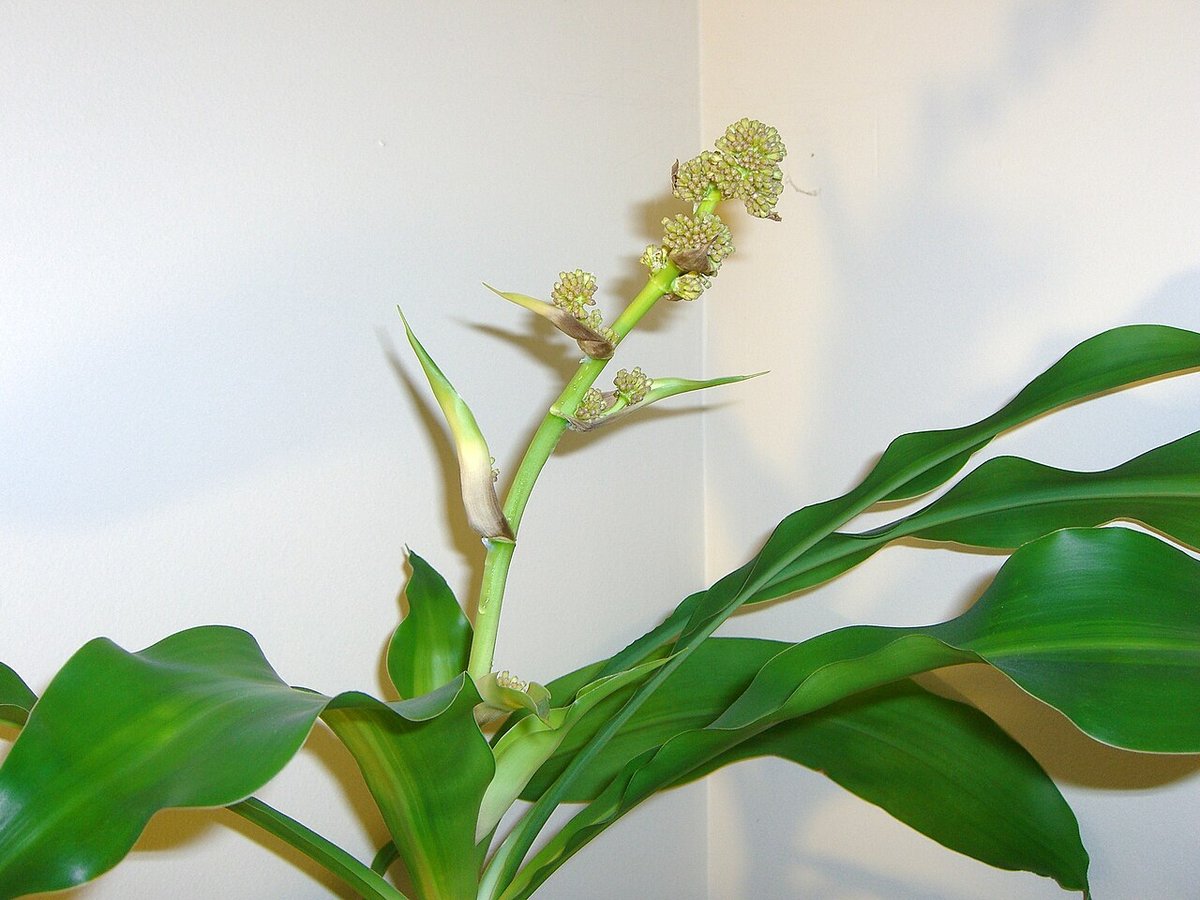
Walk into any plant shop and you will be told that houseplants "clean the air." It is one of the most repeated claims in gardening — and it is only half true. As people who sell these plants every day, we would rather give you the honest version, because the real reasons to keep indoor plants are good enough on their own.
The truth about the "air-purifying" claim
The idea comes from a famous 1989 NASA study. Scientists sealed plants inside small airtight chambers and found they removed gases like formaldehyde and benzene. That part is real — but a sealed lab box is nothing like your living room. A 2019 review of thirty years of research (from Drexel University) found that to clean a normal room the way an open window does, you would need something like ten to a thousand plants per square metre. In plain terms: a handful of pots will not detox your house.
So why keep them? Because the honest benefits are still worth it:
- They add a little humidity — welcome in dry, AC-heavy Lahore rooms.
- They genuinely lift mood, calm and focus — this is the best-evidenced benefit of all.
- They make a room feel alive. That is reason enough.
Think of indoor plants as good for you, with a tiny bonus for the air — not as a replacement for opening a window.
Five easy indoor plants we recommend
These are the classic "air-purifying" names from that NASA list — and, more usefully, they are all tough enough for a Pakistani home.
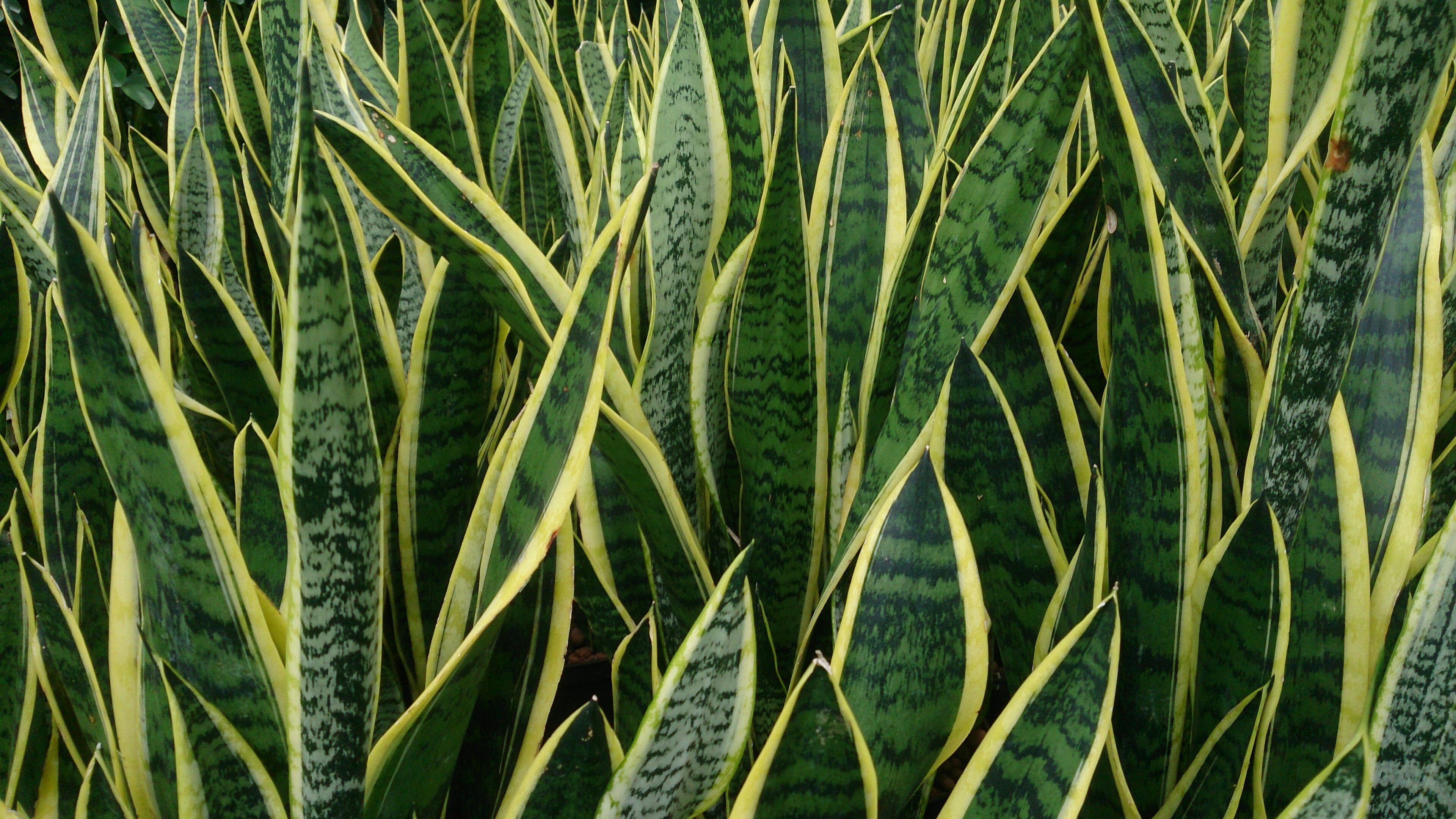
- Snake plant. The easiest plant you can own. Handles low light, needs water only every two to three weeks, and shrugs off our heat. It also releases a little oxygen at night, which is why people like it in bedrooms.
- Peace lily. Elegant, happy in low-to-medium indirect light, and it droops dramatically when thirsty — a built-in reminder to water.
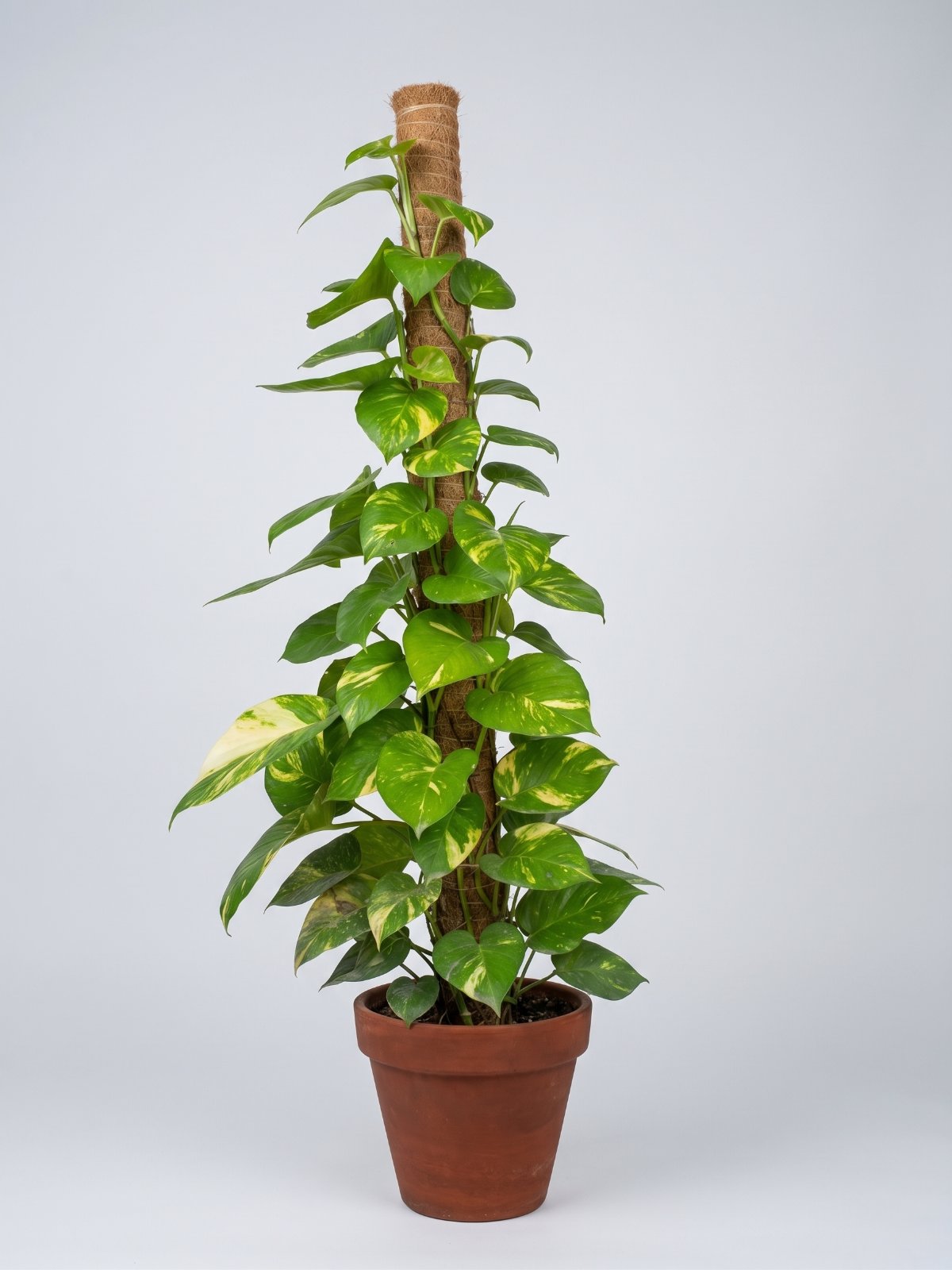
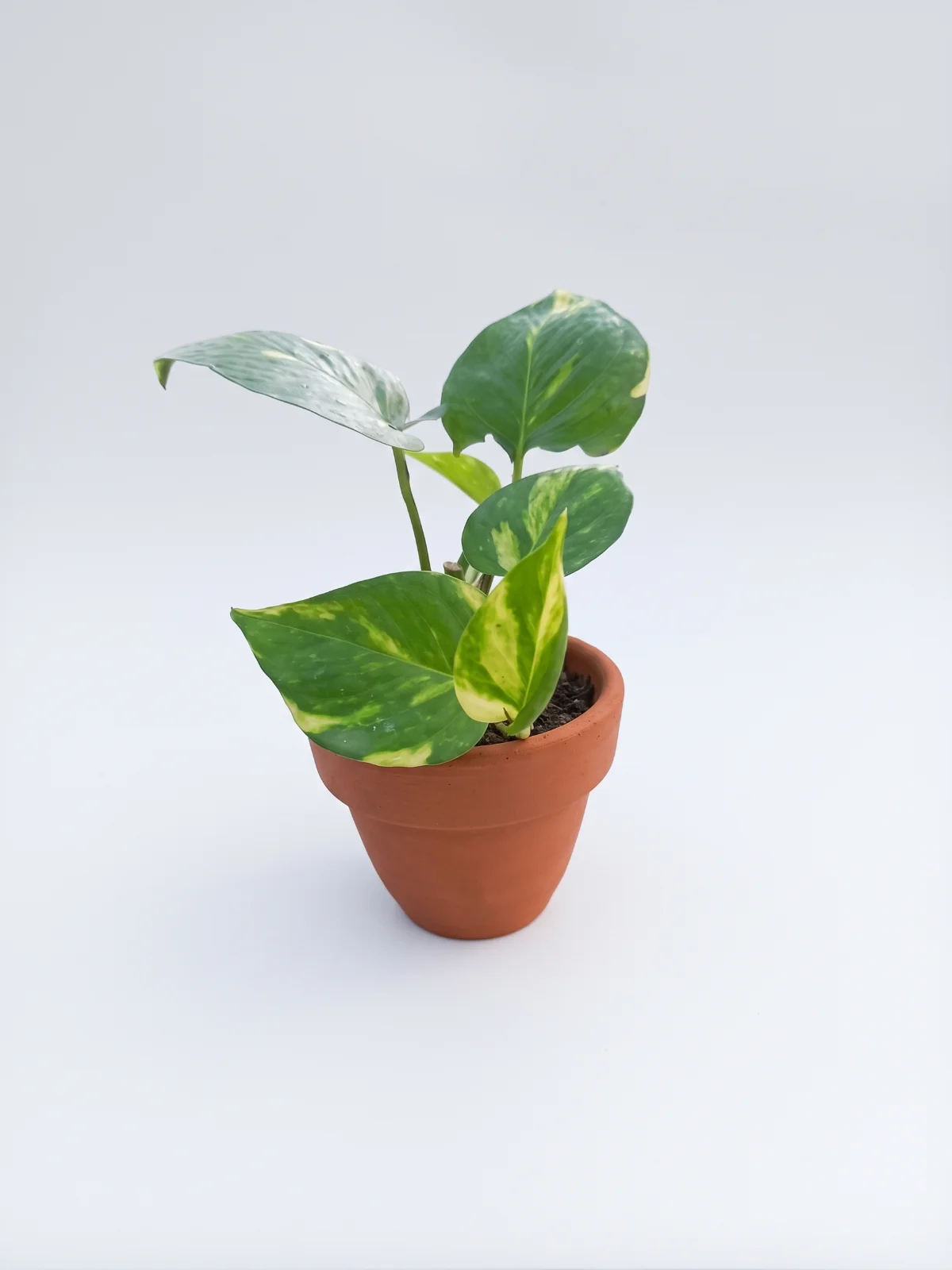
- Money plant (pothos). Nearly unkillable. Grows in water or soil, in bright light or a dim corner.
- Pygmy date palm. A leafy palm that also adds humidity. Give it bright indirect light and a mist on dry summer days.
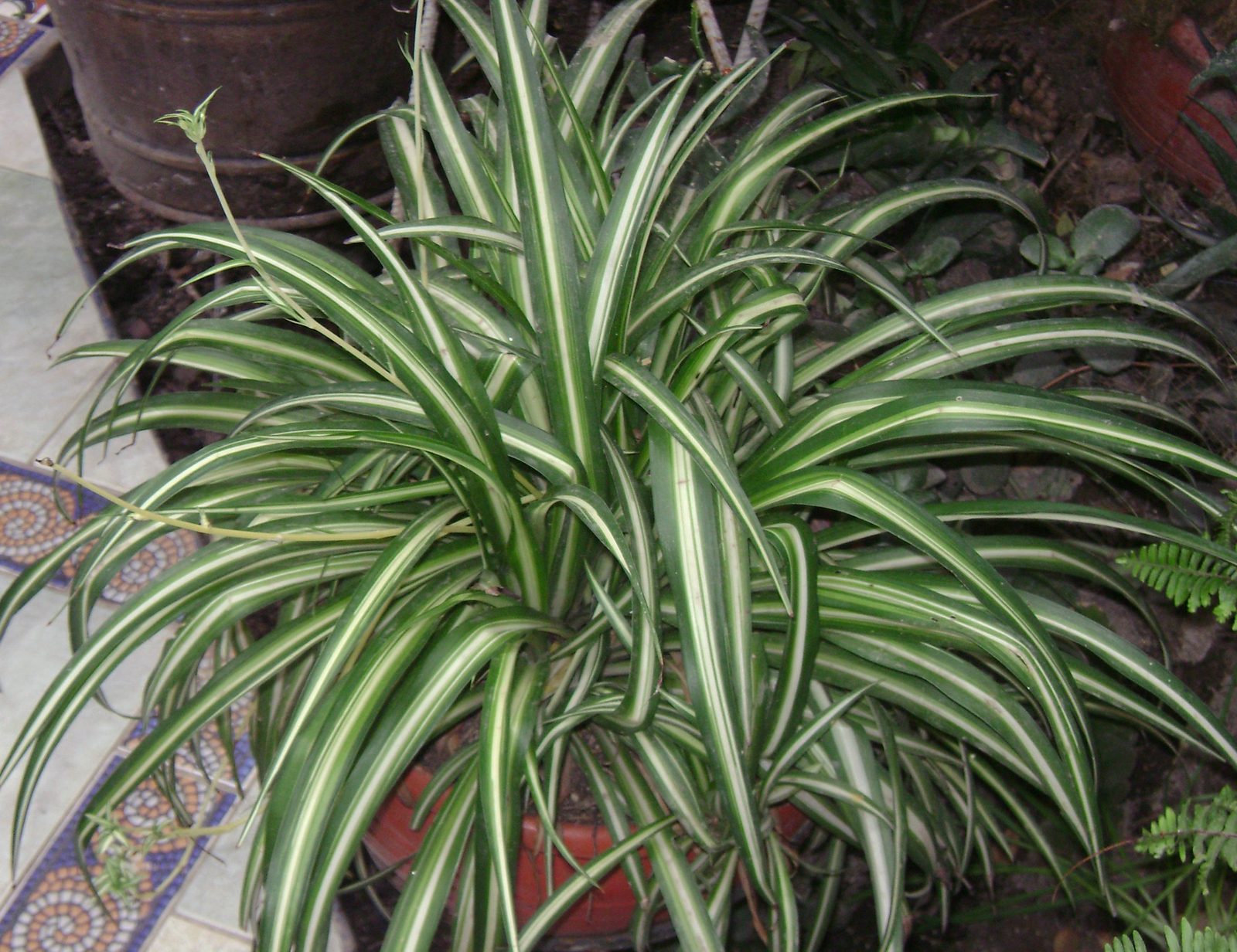
- Spider plant. Cheerful and forgiving, and it sends out baby "pups" you can pot up and share.
A word on pets and children
This part matters and is often skipped. If you have cats, dogs or small children who might chew leaves:
- Keep out of reach: peace lily and money plant (pothos) can irritate the mouth and stomach if chewed; snake plant is mildly toxic too.
- Safest choices: spider plant and pygmy date palm are non-toxic — the best picks for a home with pets or toddlers.
Where to put them
- Bedroom: a snake plant — hardy, low-light tolerant, and content by a window.
- Living room: a pygmy date palm or peace lily for greenery and a little humidity.
- Dim corners, stairwells, bathrooms: pothos and snake plant tolerate low light best.
Common questions
Do indoor plants really clean the air?
Only a little, in a real room. Their bigger gifts are humidity and how they make you feel. Fresh air still comes from opening a window.
Which plant is best for a bedroom?
A snake plant — low-maintenance, tolerant of low light, and it releases a small amount of oxygen at night.
Which are safe around cats, dogs and kids?
Spider plant and pygmy date palm. Keep peace lily and pothos out of reach.
How many plants do I need?
For "purifying," impractically many — so do not chase a number. Keep as many as you enjoy looking after; three or four healthy plants already make a room feel better.
Want a hardy starter? We keep the money plant and the pygmy date palm at the farm — see our indoor plants. The others on this list we can source for you on order; just message us on WhatsApp and we'll arrange it.