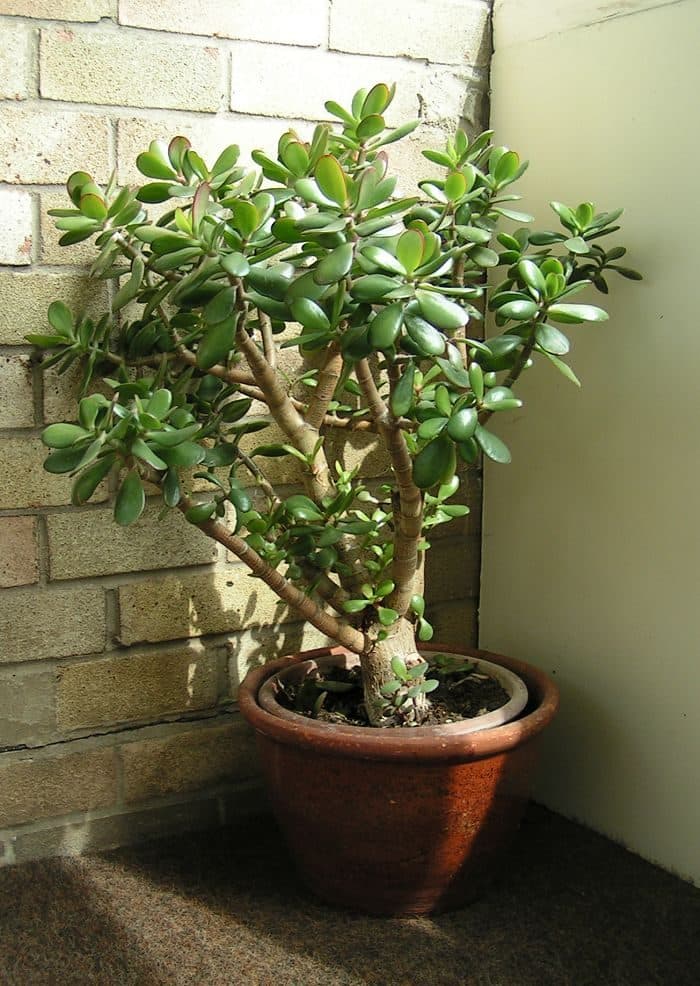
The jade plant (Crassula ovata) is one of the easiest lucky succulents to keep on a sunny windowsill, and good jade plant care comes down to a single idea: plenty of light and very little water. This slow-growing, long-lived succulent from South Africa stores water in its thick, glossy leaves, so it forgives a forgetful owner far more readily than it forgives a heavy hand with the watering can. Here is how to keep yours thriving in a Lahore home.
Light — bright, and some direct sun is welcome
The jade plant loves light. Give it the brightest spot you have — a south- or west-facing windowsill is ideal — where it can catch a few hours of gentle direct sun each day. Plenty of light keeps the plant compact and sturdy, and in strong light the leaf edges often blush a pretty red. In a dim corner it will survive but grow leggy and pale, stretching toward the window with weak, widely spaced leaves. If yours has been sitting in shade, move it into stronger light gradually over a week or two so the leaves do not scorch.
Watering — the one rule that matters most
If you remember nothing else about jade plant care, remember this: water only when the soil is completely dry, and never let the plant sit in water. Because the leaves are full water tanks, the plant would far rather be too dry than too wet. Overwatering is the single biggest killer of jade plants — soggy soil rots the roots, and the first signs are leaves that turn soft, yellow, translucent and mushy, then drop at the lightest touch.
- Push a finger into the pot and water only when it is dry all the way down, not just at the surface.
- When you do water, soak it thoroughly, then let every drop drain out of the bottom.
- Plump, firm leaves mean the plant is happy; slightly wrinkled, soft leaves mean it is genuinely thirsty.
- Cut watering back sharply in winter — once every few weeks, or even less, is plenty.
Soil and pot — drainage is everything
Jade needs a fast-draining, gritty mix — a cactus or succulent soil, or ordinary potting soil loosened with plenty of coarse sand or perlite so water rushes through rather than lingering. Always use a pot with a drainage hole; a sealed decorative pot with no escape for water is a slow death sentence for a succulent. A snug pot is fine — jade is happy a little root-bound and does not need frequent repotting. Terracotta is a great choice, because the clay breathes and helps the soil dry out between waterings.
The Lahore climate — where jade really thrives
Good news for local gardeners: our hot, dry, bright weather suits the jade plant beautifully. It relishes the long Lahore summer and the intense light, and dry air is no problem at all — unlike many fussy indoor plants, it never needs misting. The one thing to watch is the coldest stretch of winter. Jade is not frost-hardy, so on the few genuinely cold January nights, bring an outdoor plant inside or against a sheltered wall; a hard frost can turn the leaves to mush. Through the cool months the plant rests, so keep it in good light and water it only very occasionally.
Propagation — one leaf becomes a whole new plant
Few plants are as generous as the jade. Twist off a healthy leaf or snip a short stem, let the cut end dry and callus for a day or two, then lay or set it on top of barely-damp succulent soil. Roots and a tiny new rosette appear over a few weeks, and before long you have another plant to keep or give away — which is why it is also known as the friendship tree. It grows slowly but lives for decades, often becoming a thick-trunked miniature tree passed down within a family.
Common questions
Is the jade plant the same as the "money plant" everyone grows in Pakistan?
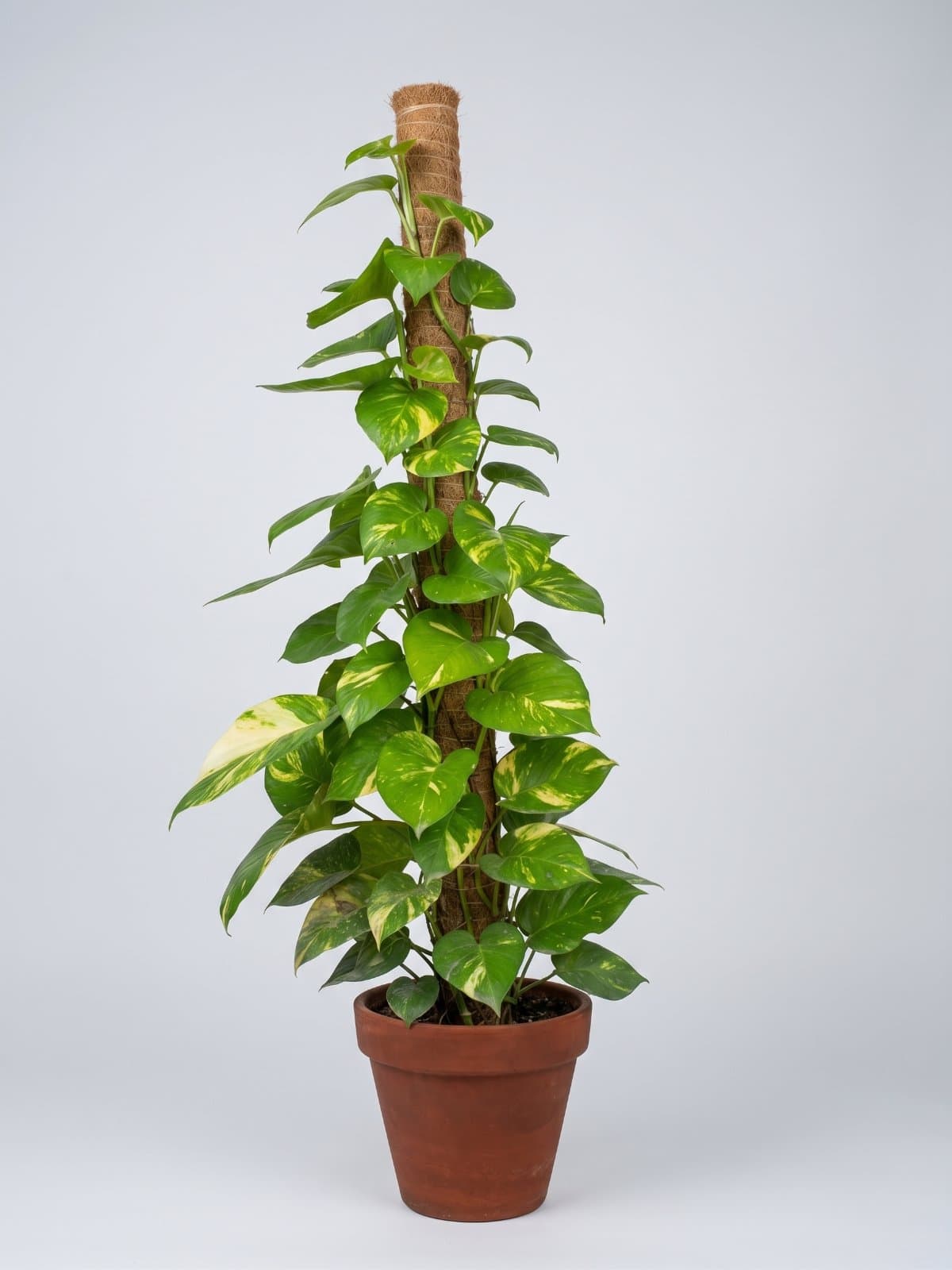
No — and this trips up a lot of people. The trailing, heart-leaved "money plant" found in almost every Pakistani home is actually pothos (Epipremnum aureum), a climbing vine. The jade plant (Crassula ovata) is a thick-leaved succulent. Both are considered lucky, wealth-attracting plants in feng shui, but they are completely different species with opposite care needs — pothos likes steady moisture, while jade wants to dry right out. If you want a lucky plant that is genuinely easy to find and grow here, the classic money plant is a lovely place to start. See also our guide to lucky plants for the home.
Why are my jade plant's leaves going soft, yellow and dropping off?
This is almost always overwatering. Soft, translucent, falling leaves and a soggy base mean the roots are beginning to rot. Stop watering at once, move the plant into bright light, and let the soil dry out completely; if the pot has no drainage hole, repot into gritty succulent mix straight away. Firm but shrivelled leaves are the opposite problem — an underwatered plant — and a good soak fixes those. Our indoor plant care guide walks through diagnosing watering trouble in more detail.
Is the jade plant safe around pets and children?
Be a little careful here. Crassula ovata is mildly toxic to cats and dogs, and mildly irritating to people, if the leaves are chewed or eaten — in pets it can cause vomiting, an upset stomach and lethargy. It is not deadly, but it is best kept up on a high shelf or windowsill, out of reach of nibbling pets and small children. If a pet does eat a good amount, ring your vet to be safe.
Is the jade plant a good choice for a beginner?
Absolutely — as long as you can resist overwatering, it is one of the most forgiving plants there is, thriving on neglect and bright light. If you are just starting out, you might also like our roundup of the best indoor plants for beginners.
We do not currently keep the jade plant at the farm, but if you would like one, message us on WhatsApp and we will happily arrange a healthy, well-rooted plant for you on order. If you want a lucky plant to enjoy right now, we do keep the easy-going money plant in stock — a wonderful first indoor plant. And for more ideas on greenery said to bring good fortune, browse our guide to lucky plants for the home.