Growing sunflowers is one of the most rewarding projects for any Pakistani gardener — few plants give you so much height, colour and cheer from a single cheap packet of seed. A sunflower (Helianthus annuus) will shoot up in a single season, turn its golden face toward the sun, and later hand you a head full of seeds. They thrive in our long, hot summers, which is exactly why they suit Lahore and Punjab so well. Here is how to grow tall, healthy blooms from seed.
When to sow in Pakistan
The main sowing window in the plains is February to March, once the worst of winter has passed, for flowers through late spring and early summer. There is also a routine second window: sow across the plains from roughly late July to August for blooms and a seed harvest that run from autumn into early winter. Sunflowers are fast: most varieties flower in roughly 60 to 90 days from seed, so a spring sowing rewards you well before the punishing peak-summer heat.
Sun and soil
The name says it all — sunflowers need full sun, at least six to eight hours a day. A shady spot gives you a weak, leaning plant with a small head. They are not fussy about soil, but they do best in a loose, well-draining loam enriched with a little compost or rotted manure. Dig the bed over before sowing so those long taproots can travel down easily.
Sowing the seed
- Sow direct. Sunflowers dislike being transplanted, so push seeds straight into the ground where they will grow — about 2 cm deep.
- Give them room. Space tall varieties 30–45 cm apart so each head gets light and air.
- Keep it moist. Water gently after sowing; seedlings usually emerge within a week to ten days in warm soil.
Watering and feeding
Young plants need steady moisture to get established. Once they are growing strongly, water deeply but less often — this encourages roots to go down, which matters a lot for a tall plant in Lahore's wind. Avoid waterlogging. A feed slightly higher in phosphorus and potassium as buds form will give you bigger, stronger heads than a nitrogen-heavy feed, which just pushes leaves.
Staking, pests and harvest
Tall varieties can topple in a summer storm, so tie the stem loosely to a bamboo stake once the plant passes waist height. Watch for aphids on soft new growth and for birds and squirrels once the seeds ripen — a light net or paper bag over the head protects your harvest. When the back of the flower head turns brown and the seeds are plump, cut it, dry it in an airy spot, and rub the seeds free to eat, replant, or feed to birds.
Common questions
Can I grow sunflowers in a pot?
Yes — choose a dwarf variety and a large, deep pot (at least 30 cm) so the taproot has room. Full-size giants really need open ground, but dwarf types do beautifully on a sunny rooftop or balcony.
Why is my sunflower falling over?
Usually too little sun making the stem stretch and weaken, or a heavy head with no support. Grow in full sun and stake tall plants early.
Can I eat the seeds I grow?
Yes. Once the head dries fully on or off the plant, the seeds are ready to roast lightly and eat, or to save for next season's sowing.
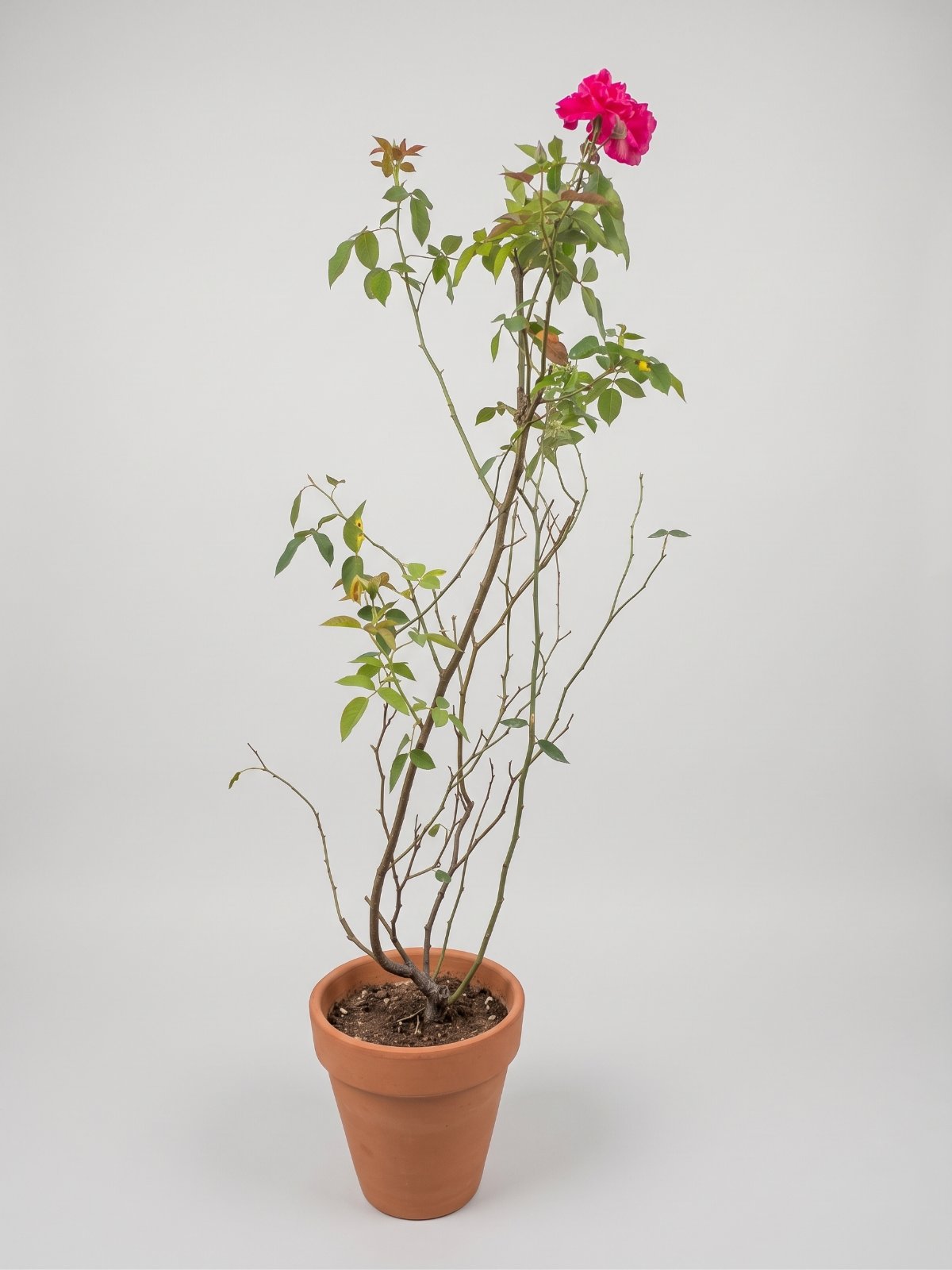
We do not currently keep sunflowers at the farm, but if you would like seeds or young seedlings, message us on WhatsApp and we will arrange them for you. In the meantime, for reliable year-round colour we grow beautiful red roses — and for more seasonal ideas, see our guides to seasonal flowers in Pakistan and kitchen gardening in Lahore.