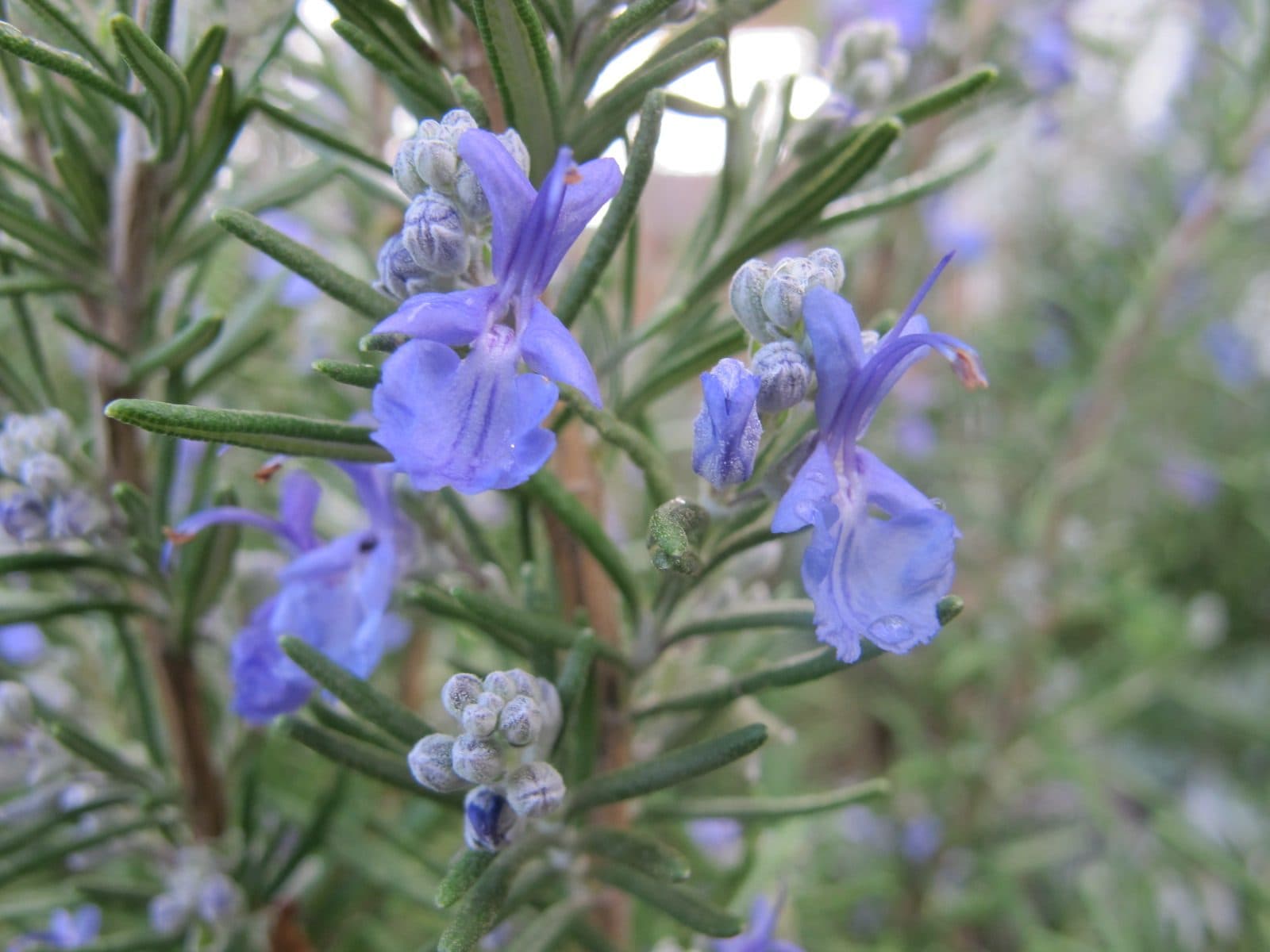
If you love the smell of rosemary lifting off a tray of roast potatoes or steeping in a warm winter qahwa, the good news is that this hardy Mediterranean herb is one of the easiest and most rewarding plants to grow at home in Lahore. Rosemary is an evergreen shrub that thrives on sunshine and a little neglect — get its two simple needs right and a single plant will give you fragrant sprigs for years.
Why rosemary suits Lahore so well
Rosemary comes from the dry, rocky hillsides of the Mediterranean, so our long, hot Punjab summers and mild winters feel like home to it. It was known for generations as Rosmarinus officinalis, but in 2017 botanists reclassified it into the sage family as Salvia rosmarinus — you will still see both names on plant labels and seed packets, and the plant is the same aromatic, needle-leaved evergreen either way. Best of all, it is genuinely winter-hardy and sails through a Lahore winter outdoors with no protection at all.
The one thing that matters most: drainage
If there is a single secret to keeping rosemary alive, it is this — it hates wet feet. In the wild it grows in gritty, fast-draining soil, and the quickest way to kill a healthy plant is to leave its roots sitting in soggy mud. Overwatering, not underwatering, is the number-one reason rosemary dies in our gardens.
- Grow it in a terracotta (clay) pot — the porous walls let the soil breathe and dry out, exactly what rosemary wants.
- Make sure the pot has a proper drainage hole, and never let it stand in a saucer of water.
- Mix your potting soil with plenty of coarse sand or grit so water runs straight through rather than pooling.
- If you plant it in the ground, choose a raised or naturally dry spot rather than a low patch where monsoon rain collects.
Watering: when in doubt, wait
Rosemary is drought-tolerant once it settles in, so you should water far less often than you think. Push a finger into the soil and only water when the top inch or two is completely dry — then water deeply, and let it dry out again before the next drink. At the peak of summer a potted plant may want water every couple of days; through winter it may need it only once a week or less. Yellowing leaves are almost always a sign of too much water, not too little.
Sun, feeding and pruning
Give rosemary as much sun as you can — a spot that gets at least six hours of direct sunlight a day will keep it dense, fragrant and healthy. A sunny rooftop, a balcony rail or a south-facing windowsill is ideal. It is not a hungry plant, so it needs very little feeding; a light dose of compost or balanced fertiliser once in spring is plenty. Snip sprigs regularly for the kitchen — this light pruning is the best thing you can do for the plant, keeping it bushy rather than woody and leggy. After it flowers, trim it back gently to encourage fresh growth, but avoid cutting into the old bare wood.
Growing more plants from cuttings
Rosemary is famously slow and unreliable from seed — the seeds germinate poorly and take an age — so the easy, dependable way to make more plants is from cuttings. Snip a 10–15 cm piece of soft, non-flowering new growth, strip the leaves off the lower half, and push it into a small pot of gritty, just-moist soil. Keep it in bright shade, mist it occasionally, and in a few weeks it will root. This is how you turn one plant into a whole row for the price of nothing.
Common problems and how to avoid them
Rosemary is tough, but two problems are worth watching for:
- Powdery mildew — a dusty white coating on the leaves that appears in humid, still, crowded conditions, especially during the monsoon. Prevent it by spacing plants out and giving them plenty of airflow; don't crowd rosemary against a wall.
- Yellowing or dropping leaves — nearly always a symptom of overwatering and poor drainage rather than a disease. Ease off the water, check the pot drains freely, and the plant usually recovers.
Using rosemary at home
Fresh rosemary is a wonderful kitchen herb: a sprig tucked under roast chicken or potatoes, kneaded into bread dough, or steeped briefly in chai or a winter qahwa adds a warm, piney aroma. Its scent also makes it a lovely plant to brush past on a balcony, and when it flowers it draws in bees and other pollinators, which is good news for everything else growing nearby.
Common questions
Can I grow rosemary indoors in a flat?
You can, as long as you give it the sunniest window you have — ideally one that gets several hours of direct light. Indoors it is easy to overwater, so let the soil dry out well between drinks and make sure the pot drains freely. Many home growers find it happier on a bright balcony or rooftop. For more ideas on growing herbs in small city spaces, see our guide to kitchen gardening in Lahore.
Does rosemary survive a Lahore winter?
Yes, easily. Rosemary is an evergreen that shrugs off our mild winters outdoors — it actually dislikes summer heat and humidity far more than winter cold. Keep it in full sun and hold back on the water during the cooler months.
Why does my rosemary keep dying?
In our experience it is almost always overwatering combined with heavy, poorly-draining soil. Move it to a terracotta pot with gritty soil, water only when the top of the soil is dry, and give it full sun — that fixes the great majority of struggling plants.
We do not always keep rosemary at the farm, but message us on WhatsApp and we will happily arrange a healthy plant for you. Want to grow more of your own kitchen herbs? Start with our kitchen gardening guide and growing lemongrass at home, or read our beginner's guide to gardening in Pakistan.