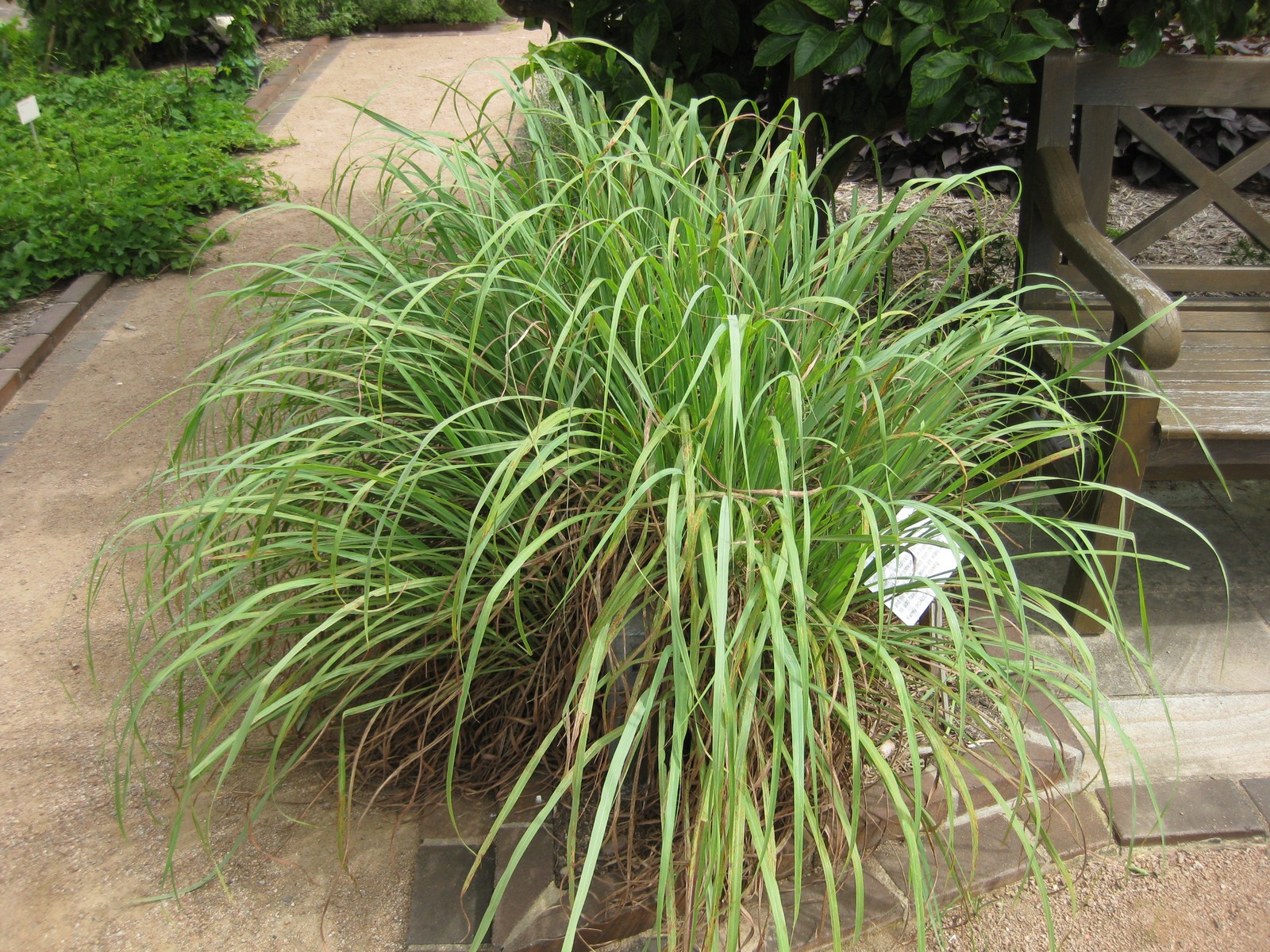
Lemon grass is one of the easiest and most rewarding plants you can grow at home in Pakistan — a clump of tall, citrus-scented grass that gives you leaves for tea, a lemony note for cooking, and a natural mosquito deterrent, all from one hardy plant. It loves our long, hot summers, asks very little in return, and multiplies fast enough that a single clump soon becomes many. Here is how to grow lemongrass well in a Lahore garden or on a sunny rooftop.
Give it full sun
Lemongrass is a tropical grass and a true sun-lover. Plant it where it gets at least six hours of direct sun a day — a bright rooftop, an open courtyard, or the sunniest edge of a bed. In too much shade it stays thin and sulky, with weak, pale leaves. Our fierce Lahore summers, 40°C and above, are exactly what it wants, so do not worry about the heat; worry about giving it enough light.
Soil and pots
It is not fussy about soil as long as water drains freely — a heavy, soggy spot will rot the base. Mix some sand or compost into ordinary garden soil to loosen it. Lemongrass grows beautifully in a large pot too, which suits a balcony or rooftop; choose a wide container at least 12 inches across with drainage holes, because the clump spreads outward and gets hungry for room. In the ground, give each plant about two feet of space to fan out.
Watering and feeding
Through the hot months keep the soil consistently moist — a potted plant in peak summer may need water daily. Lemongrass is thirsty when it is growing hard, but it must never sit in standing water. In winter it slows down and rests, so cut watering back sharply and let the soil dry more between drinks. A little compost or a nitrogen-rich feed through spring and summer keeps the leaves lush, green and fragrant.
Winter care in Lahore
Our mild winters suit it, but lemongrass dislikes real cold and an occasional January frost can brown the tips. If a cold snap is forecast, move potted plants against a warm wall or under cover, and do not panic if the outer leaves scorch — the clump usually pushes fresh green growth once the weather warms. You can trim off frost-damaged leaves in early spring to tidy it up.
Harvesting and dividing the clump
- Harvest often. Snip outer leaves for tea any time, or pull a whole stalk from the base — twist and tug — for the tender white part used in cooking. Regular cutting only makes it bushier.
- Divide to multiply. Every year or two, in spring, lift a mature clump and pull it apart into smaller sections, each with roots and a few shoots. Replant these and you have new plants for free — this is the easiest way to grow your collection or share with neighbours.
- Use it against mosquitoes. The same citronella-family oils that scent the leaves help keep mosquitoes away, so a pot near where you sit in the evening earns its place.
Common questions
Does lemongrass really repel mosquitoes?
The leaves contain oils from the citronella family, and crushing a few leaves or keeping a pot near your seating does help discourage mosquitoes on a summer evening. It is not a magic shield, but it is a pleasant, natural help.
Can I grow lemongrass from the stalks I buy for cooking?
Often yes. Take fresh, firm stalks with the base intact, stand them in a glass of water on a sunny sill, and many will sprout roots in a couple of weeks. Once roots appear, pot them up in well-draining soil.
How do I make lemongrass tea from my plant?
Snip a few clean leaves, bruise them lightly, and steep in hot water for five to ten minutes. It makes a fragrant, refreshing cup — lovely on its own or with a little honey.
We do not grow lemongrass at the farm ourselves, but if you would like a healthy clump or division to start with, message us on WhatsApp and we will try to arrange one for you. If you are greening up your home, we do grow other easy, hardy plants you can pick up ready to go — the low-care Money Plant and the striking Variegated False Agave (Farqaria) are both easy wins. For more ideas, see our guide to kitchen gardening in Lahore.