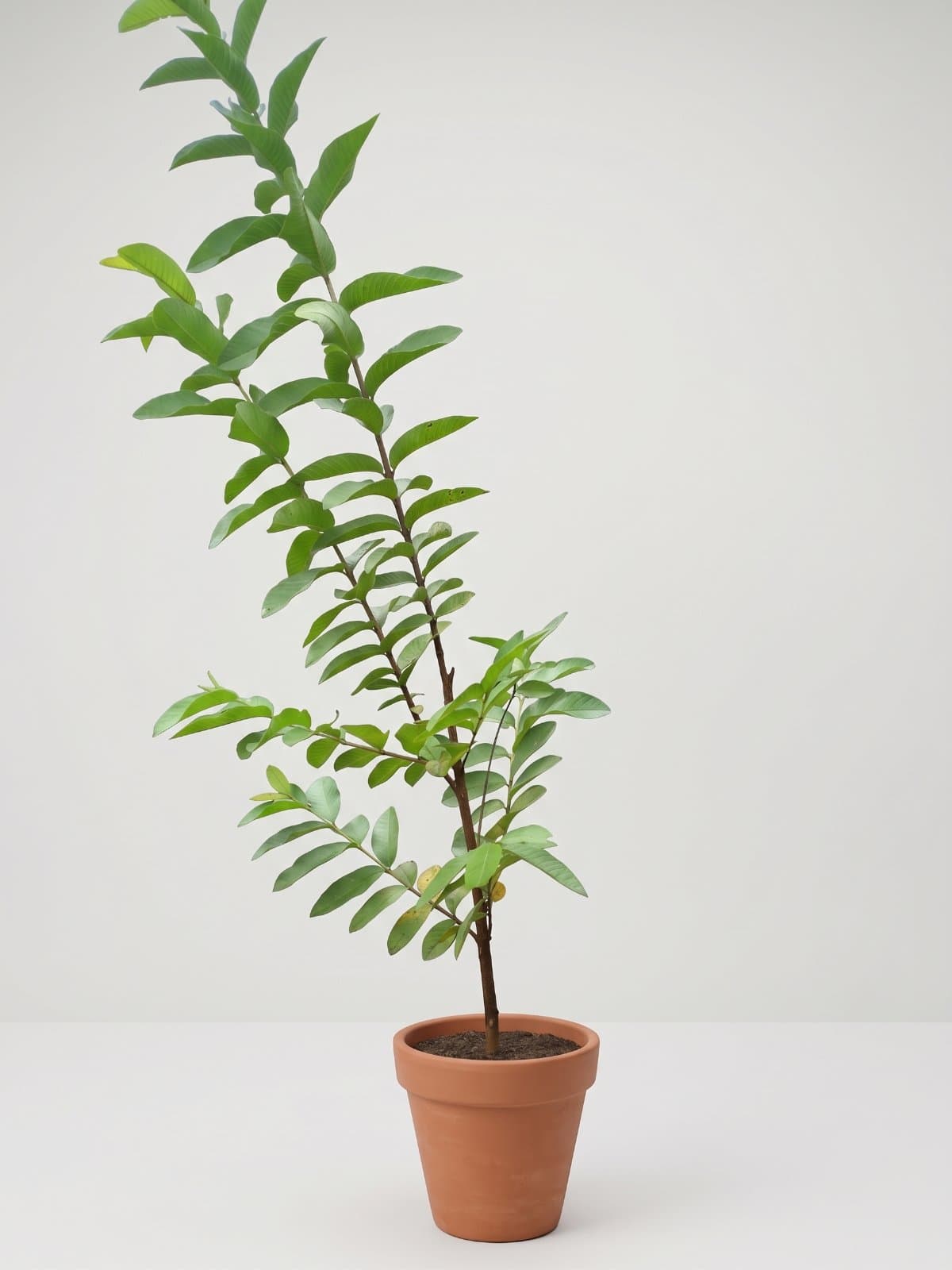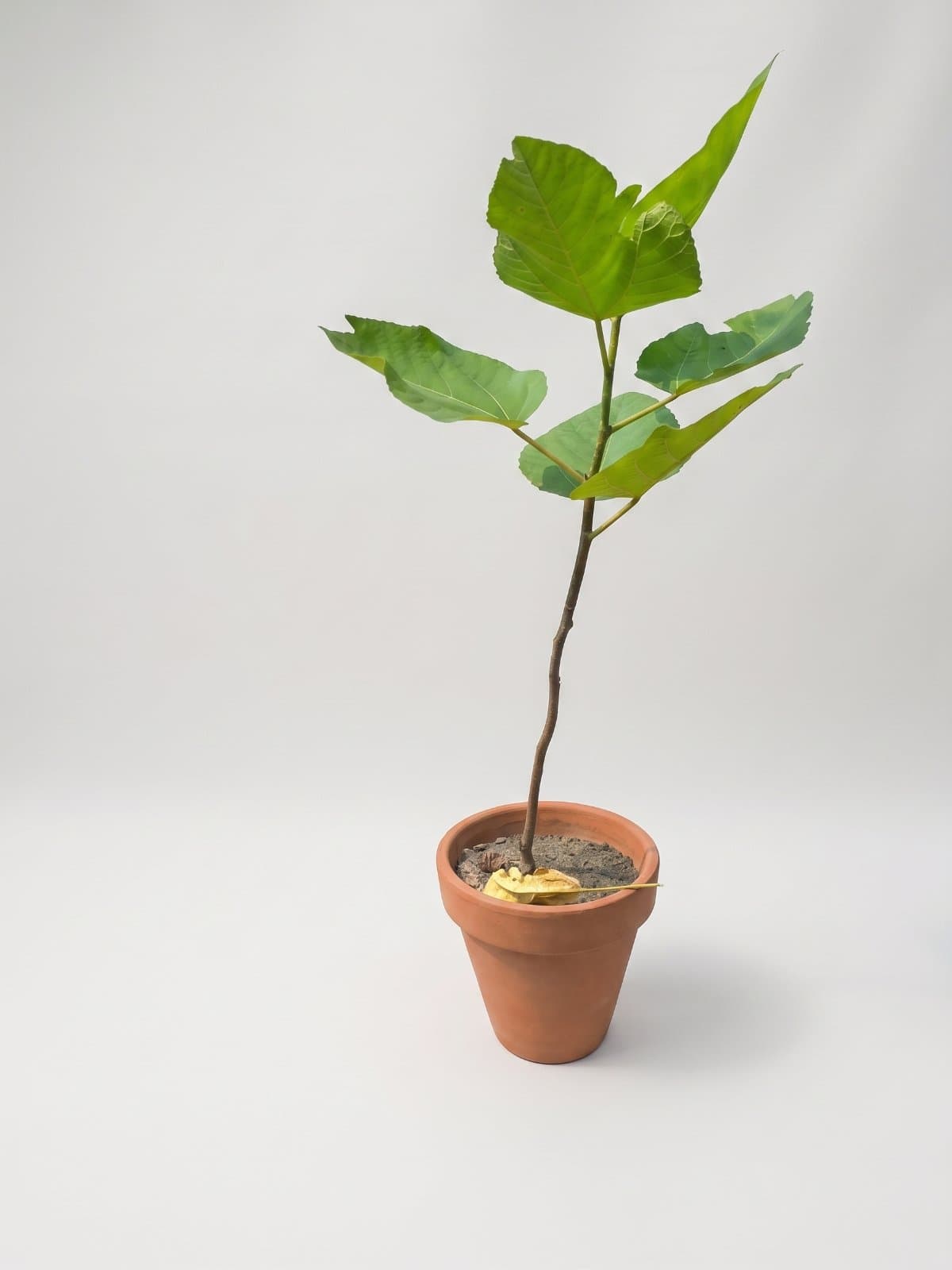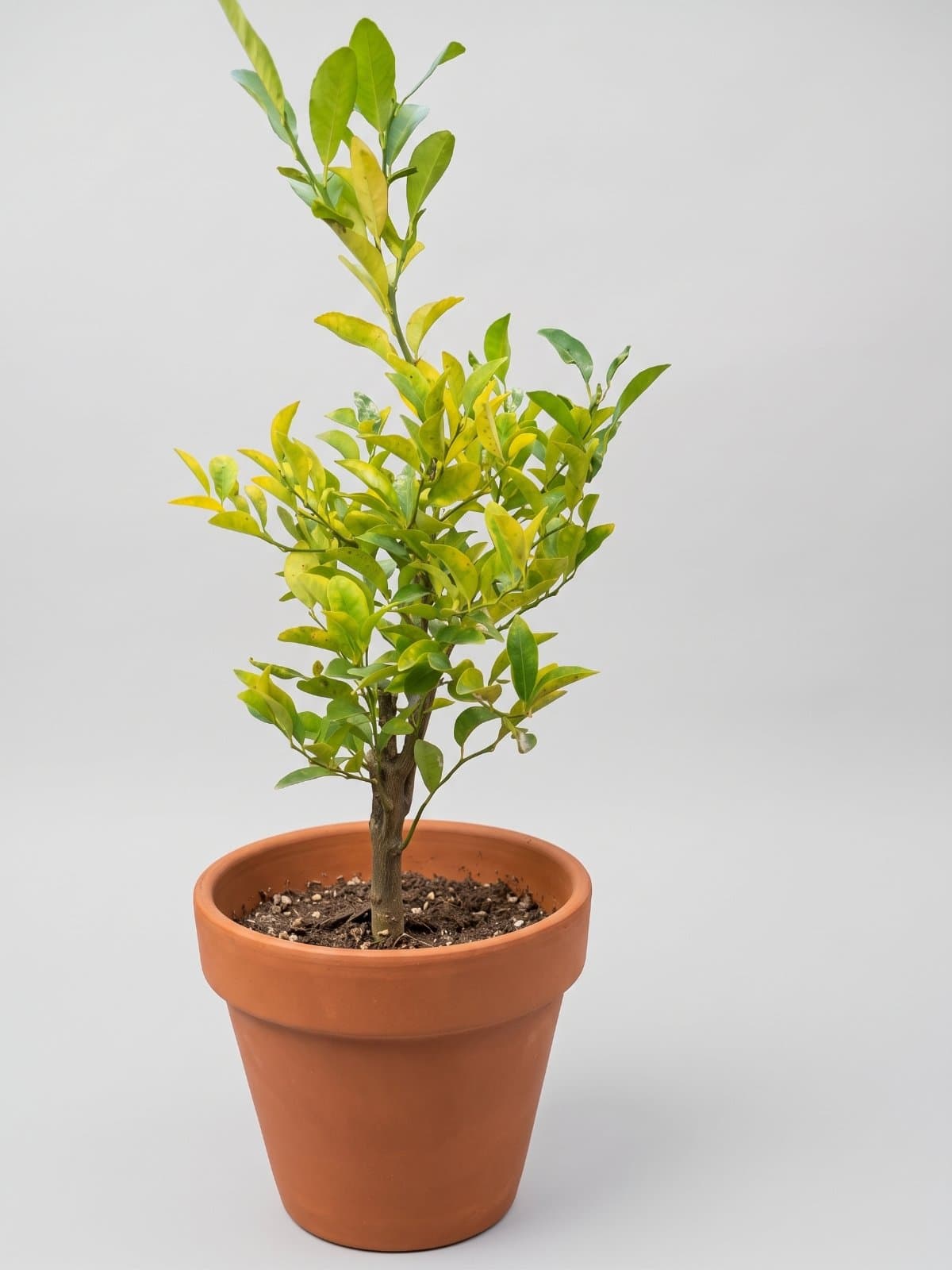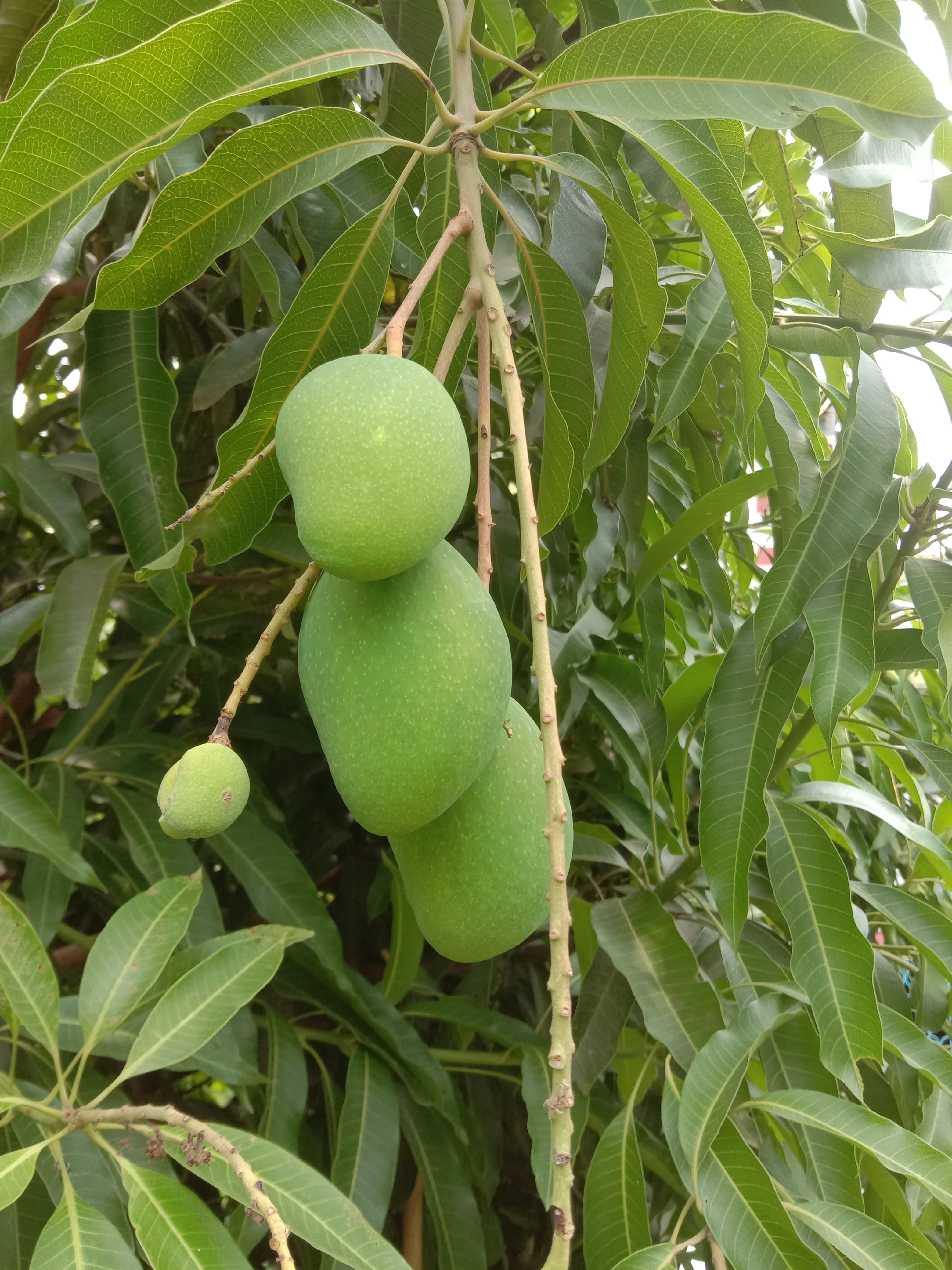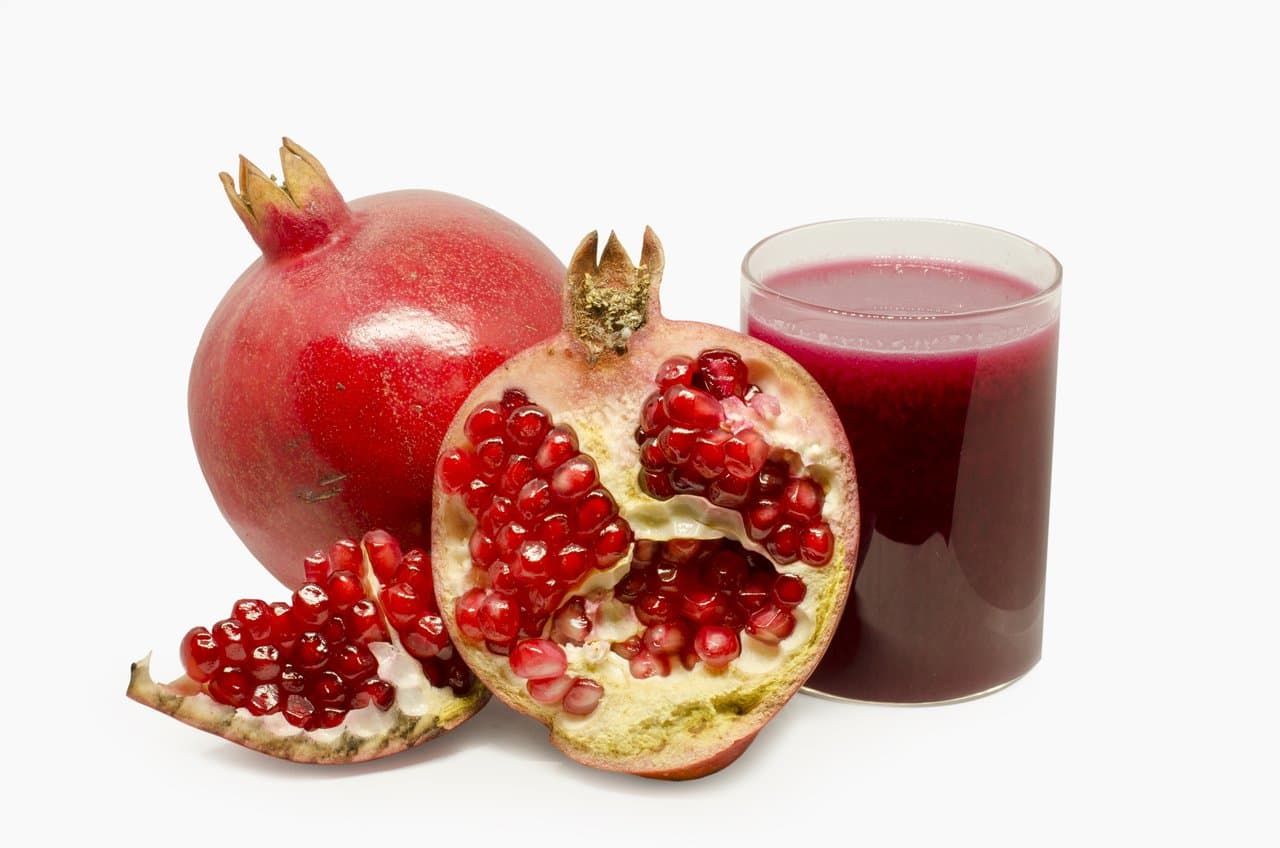
Pomegranate — anar — is one of the most rewarding fruit trees you can grow in a Lahore garden, and one of the most forgiving. It is naturally hardy, shrugs off our fierce summer heat, tolerates dry spells once its roots are down, and thrives right across Punjab. Left to grow it becomes a large shrub or a small tree; kept in a big gamla it stays compact enough for a chhat or a courtyard. And because it strikes so easily from cuttings, a single healthy plant can become several.
On top of that, anar carries a genuine health halo — the ruby seeds are prized for their antioxidants and vitamin C, and a home tree means fresh fruit every autumn without a trip to the mandi. This guide covers everything a Lahore gardener needs: when and where to plant, the watering that stops the fruit splitting, feeding, pruning, thinning, the pests to watch for, and roughly when your tree will start to fruit.
Why anar suits Lahore so well
Few fruit trees are as well matched to our climate. Anar evolved in hot, dry regions, so the Lahore summer that punishes tender plants is exactly what it likes. Once established it is genuinely drought tolerant, it copes with our heavy, slightly alkaline soil better than most fruit, and mature plants take the winter cold in their stride.
- Heat and drought tolerant: loves full sun and long, hot summers, and needs far less water than most fruit trees.
- Not fussy about soil: handles our clay and mild salinity, as long as water drains away.
- Small-space friendly: happy as a shrub, a small tree, or in a large pot on the roof.
- Easy to multiply: strikes readily from hardwood cuttings, so growing more costs almost nothing.
When and where to plant
The two best planting windows in our climate are spring (February to March), as the weather warms and dormant cuttings take, and the monsoon (July to August), when there is plenty of moisture in the ground to help a young plant settle. Avoid planting at the peak of the May to June heat or in the coldest part of winter.
- Sun: give it the sunniest spot you have — at least five to six hours of direct sun, and more if you can. Sun means flowers, and flowers mean fruit; a shaded anar sulks and barely fruits.
- Soil: deep, well-drained soil is the one real requirement. Anar hates waterlogging, so on heavy clay mix in compost and coarse sand, and plant on a slight mound if your ground stays soggy.
- Pot or ground: in the ground it can reach two to three metres; in a large gamla (at least 18 inches / 45 cm wide and deep) it stays smaller and still fruits well. Every pot must have drainage holes.
Watering, feeding and stopping the fruit split
This is the section that decides your harvest. Anar is drought tolerant, but the one thing it will not forgive is irregular watering while the fruit is developing. Let the soil go bone dry and then flood it — or let a dry spell break with heavy monsoon rain — and the skin, having lost its stretch, splits open as the seeds swell inside. Steady, even moisture from flowering through to harvest is the whole secret.
- Establishing: water a new plant regularly through its first year while the roots spread.
- Fruiting season: keep the soil evenly moist — a deep soak every seven to ten days in dry heat — and never swing between drought and flood. A few inches of mulch (leaves, gobar, straw) over the roots holds moisture and steadies things beautifully.
- Feeding: mix well-rotted gobar or compost into the soil at planting, and feed again each spring as growth starts. A balanced feed supports flowering; do not overdo nitrogen or you get leaves at the expense of fruit.
Pruning, thinning and when it fruits
A little shaping goes a long way. Train your anar early to three to five strong main stems and it makes an open, manageable bush that catches light and air. Each winter, while it is bare, do a light tidy-up rather than a hard cutback.
- Pruning: remove the suckers that spring up from the base, plus any dead, crossing or weak twigs. Keep it light — anar fruits on short spurs on two- and three-year-old wood, so heavy pruning simply cuts away next year's crop.
- Fruit thinning: if a branch sets a heavy cluster, thin out some of the small fruit so the rest can size up properly and the branch is not overloaded.
- When it fruits: a plant grown from a cutting usually begins fruiting in its second or third year, and yields build as it matures. The fruit ripens through late summer into autumn — roughly September and October in our area — and is ready when it feels heavy, the skin colours up, and it gives a metallic ring when tapped.
Common pests and how to handle them
Anar is tough, but a few pests turn up in our gardens. Catch them early and simple, low-toxicity treatments are usually enough.
- Anar fruit borer (anar butterfly): the worst of them. The caterpillar bores into a developing fruit and rots it from inside, often leaving just a tiny hole and dark crumbs to give it away. Pick up and destroy every fallen or damaged fruit to break the cycle; in a bad year, cover young fruit with paper or cloth bags so the moth cannot lay on them.
- Aphids: clusters of tiny green insects on the new shoots. Blast them off with a jet of water, or spray neem oil or an insecticidal soap; ladybirds do a lot of the work for free.
- Whitefly: tiny white flies under the leaves that leave sticky honeydew and yellowing. Neem oil sprayed under the leaves, plus yellow sticky cards, keep them down.
New to fruit growing? Read our guide to the best fruit trees for Lahore gardens, and if you are just starting out, the beginner's guide to gardening in Pakistan. For growing food in a small space, see kitchen gardening in Lahore.
Common questions
Will an anar tree survive the Lahore summer?
Easily — this is one of its strengths. Pomegranate is a hot, dry-climate plant, so our summers suit it perfectly. Just keep the watering steady once the fruit has set, so the heat does not dry the plant out between soakings and split the fruit.
Can I grow pomegranate in a pot on my rooftop?
Yes. Use a large gamla, at least 18 inches wide and deep, with good drainage and full sun. A potted anar stays compact and still fruits, though it will need watering more often than one grown in the ground.
How long before it gives fruit?
A plant grown from a cutting usually starts fruiting in its second or third year, with the crop building as the tree matures. Plants raised from seed take longer and the fruit can be variable, which is why growers prefer cuttings.
Do you have anar plants for sale?
We do not always keep pomegranate in stock, but we can usually try to arrange a healthy plant on order — just ask. In the meantime we regularly stock other easy fruit trees for Lahore gardens.
Pomegranate is one of the most forgiving fruit trees for our climate, and we would happily try to arrange an anar plant for you on order. If you would like to start fruiting sooner, we usually have other hardy fruit trees in stock — the popular guava (amrood) plant, a sweet fig (anjeer) plant, or a productive lemon (limu) plant. Tell us what you are after and message us on WhatsApp, and we will help you pick the right tree for your garden or chhat.