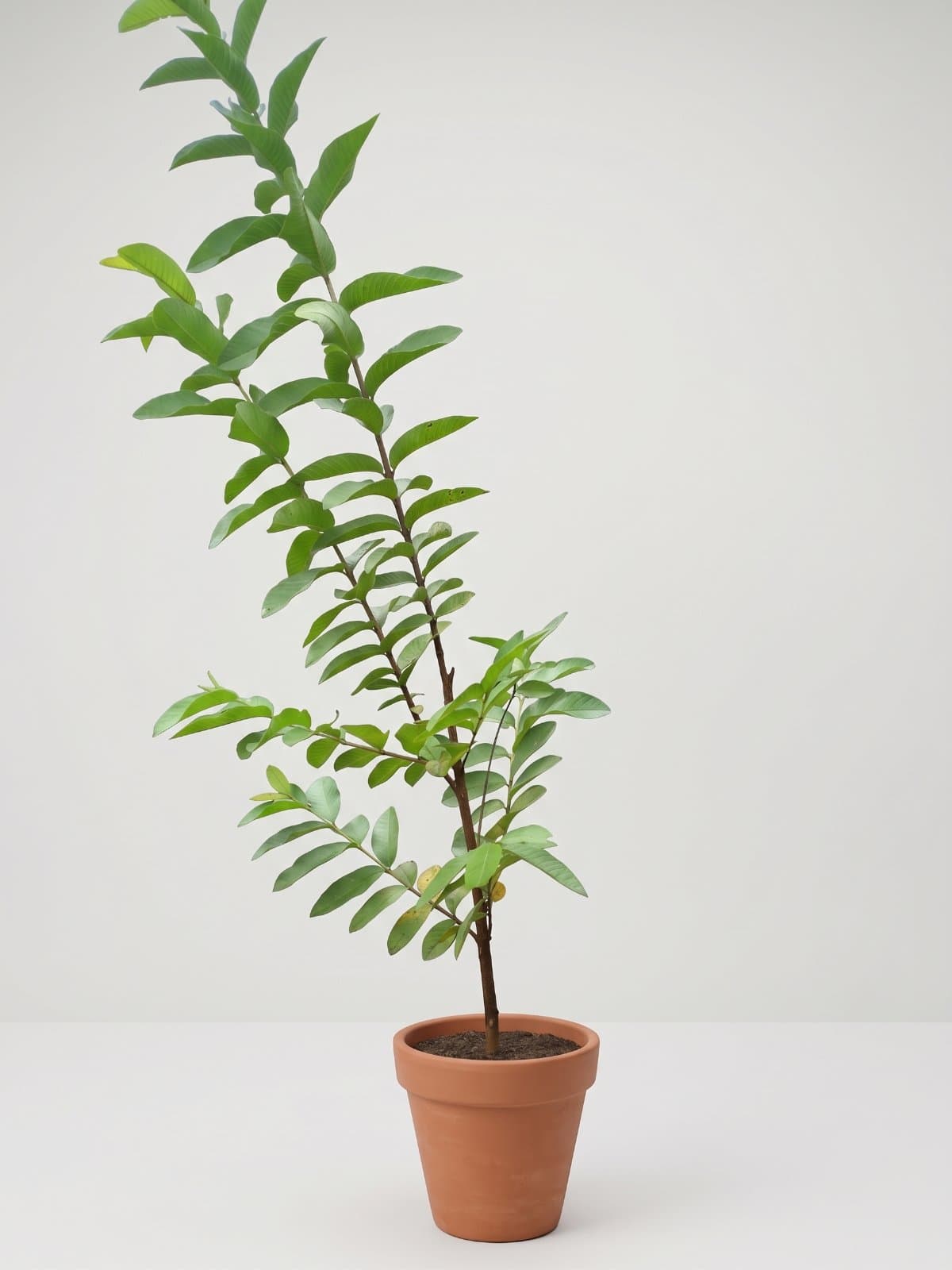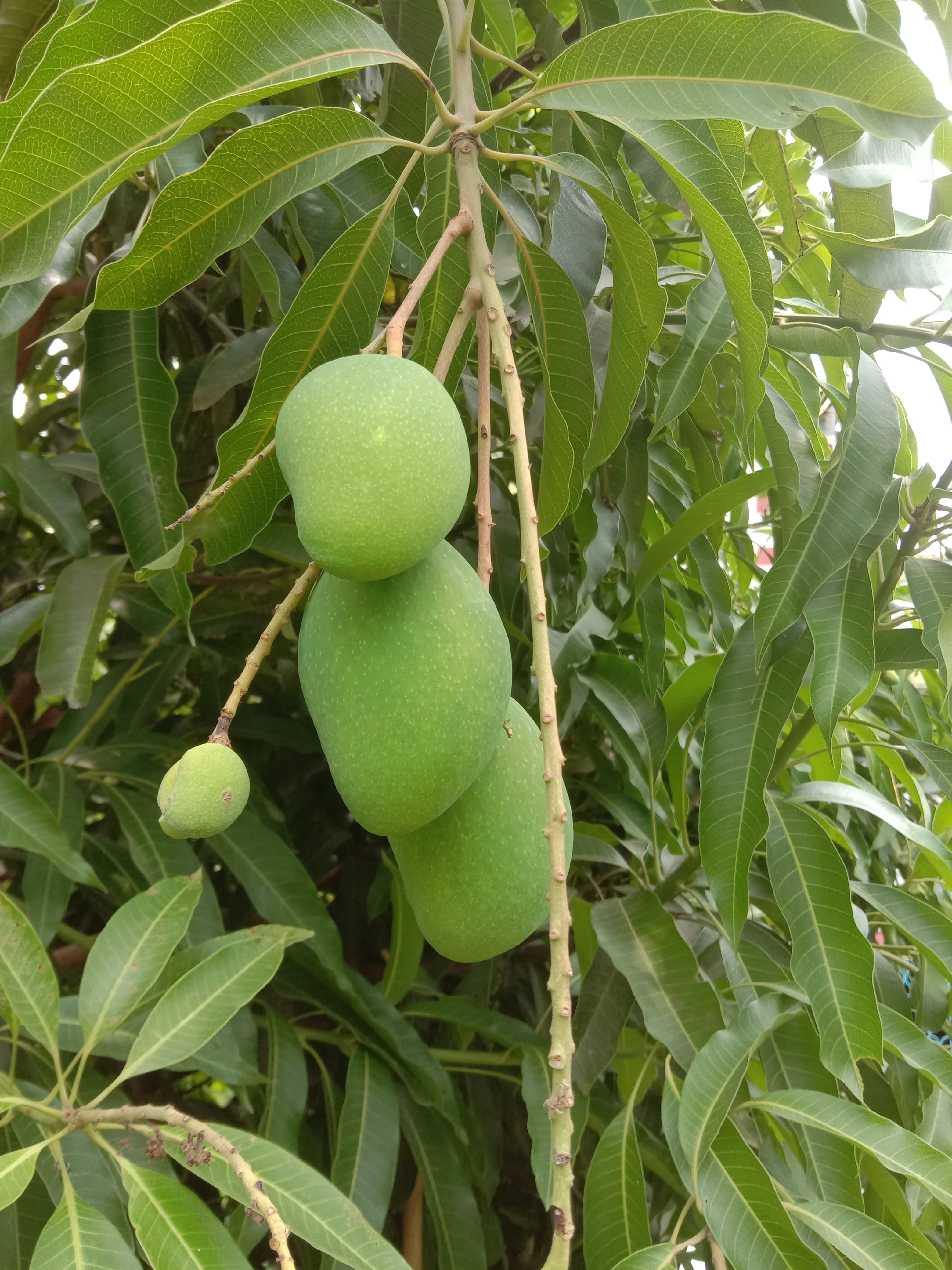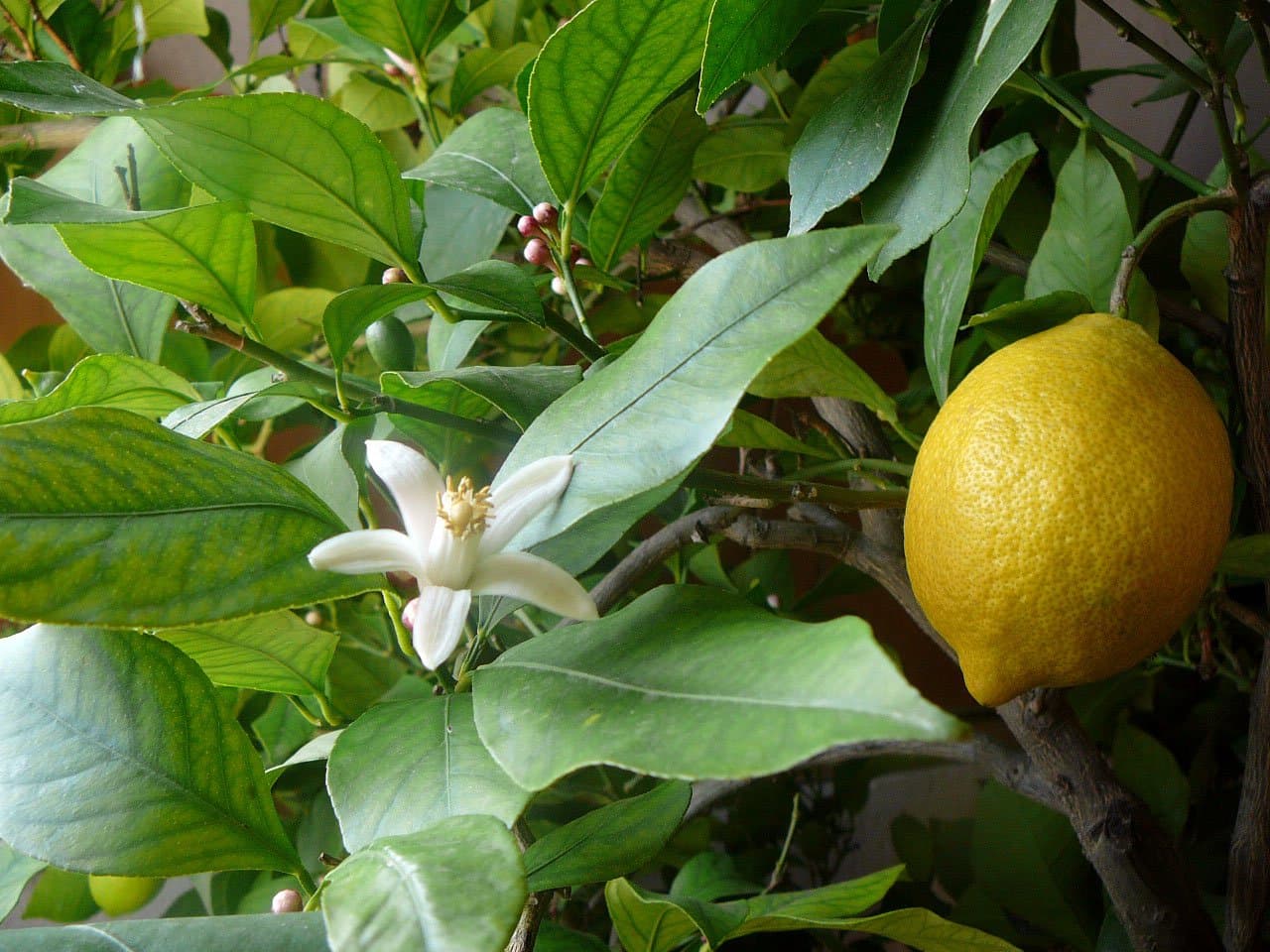
The lemon — what most of us in Lahore call kaghzi nimboo — is the one fruit tree almost every home gardener wants. It is evergreen, so the tree stays green all year; its white blossom is one of the sweetest scents in a spring courtyard; and a healthy tree gives you thin-skinned, juicy limes for your daal, chai and nimbu paani through much of the year. You can grow it in the ground in a small garden, or in a large gamla on a terrace or rooftop.
Citrus is not difficult, but it is fussy about two things above all: sun and drainage. Get those right, feed it properly, and a kaghzi nimboo will reward you for fifteen or twenty years. Here is how we grow it, and how to fix the yellow leaves nearly every Lahore citrus tree gets sooner or later.
Full sun and free-draining soil
A lemon that does not fruit is nearly always a lemon that is short of light or sitting in soggy soil.
- Give it at least 6–8 hours of direct sun. In shade a citrus grows leggy and barely fruits.
- The soil should be well drained and slightly acidic. Our Lahore soil is heavy and alkaline (limey), which citrus dislikes — loosen it with compost, leaf mould and some sand so water never stands around the roots.
- In a pot, use a big one: at least 18 inches (45 cm) across for a young tree, with plenty of drainage holes and a loose mix of garden soil, compost and sand.
- Plant in spring (February–March) or the mild part of autumn (September–October), not in the peak May–June heat.
Watering and feeding
Citrus likes a deep drink and then a little drying, not constant sogginess.
- Water deeply so the whole root ball is wet, then let the top inch or two dry before the next watering. In peak summer a potted tree may need water every day; in winter, far less.
- Never let a pot stand in a saucer of water — root rot kills more lemons in Lahore than any pest does.
- Feed through the growing season (spring to early autumn) with a balanced fertiliser plus a citrus/micronutrient feed. Well-rotted gobar and compost keep the soil alive.
- Mulch the surface to hold moisture and keep the roots cool through June.
Yellow leaves: zinc and iron in our soil
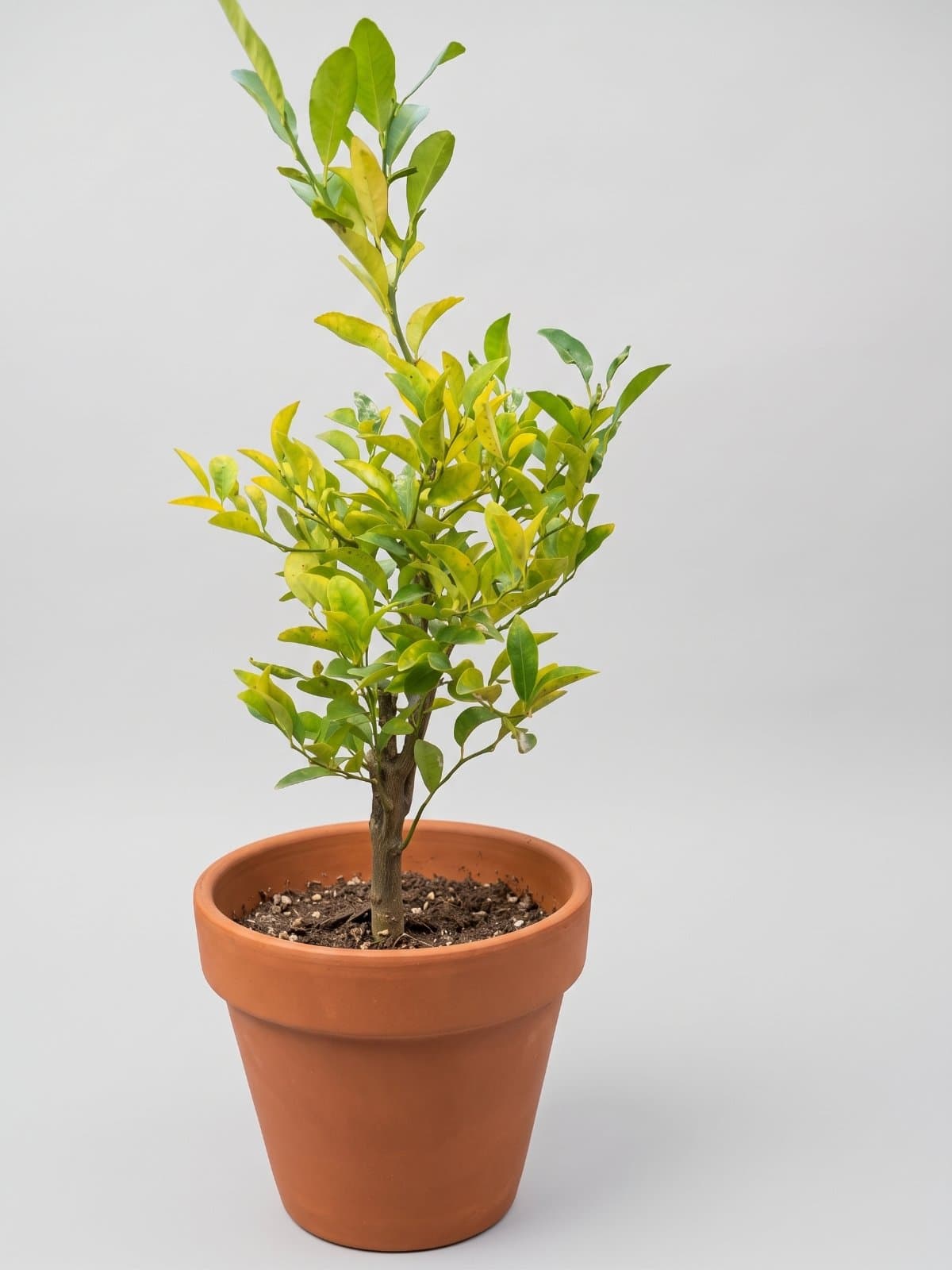
Sooner or later your kaghzi nimboo will show yellow leaves, and in our alkaline Punjab soil the cause is usually a locked-up micronutrient, not a lack of water.
- Zinc deficiency (“mottle leaf”) — new leaves come out small, narrow and crowded, yellow between the green veins. Very common here.
- Iron deficiency — the youngest leaves turn pale yellow while the veins stay green (interveinal chlorosis). Worse in limey, waterlogged soil.
- The fix: a micronutrient (zinc + iron + manganese) foliar spray on the new spring flush, plus chelated iron for stubborn cases. Improve drainage and add compost so the roots can actually take up what is already in the soil.
- Do not just pile on urea — too much nitrogen with poor drainage makes the yellowing worse, not better.
Pruning, pots and winter frost
- Prune lightly after the main harvest: take out dead, crossing and inward-growing twigs, and any water shoots from below the graft. Good airflow means less disease.
- In a pot, top-dress with fresh compost each spring and move the tree into a bigger gamla every 2–3 years.
- Young citrus is frost-tender. Lahore's few cold December–January nights can burn a young tree. Keep first- and second-year trees against a warm wall, move pots under cover on frosty nights, and ease off watering and feeding in the coldest weeks. A mature tree shrugs off our mild frost.
Common pests and canker
- Citrus leaf miner — the most troublesome pest here. It makes silvery, snaking “mines” and curls the tender new leaves through late spring and summer. Snip off badly mined shoots and spray the new flush with neem oil.
- Aphids (tela) and citrus psylla cluster on soft new growth. Wash them off or use neem oil or a mild insecticidal soap; treat only when about a fifth or more of the new growth is infested.
- Citrus canker — raised, corky spots on leaves, twigs and fruit, worse in the humid monsoon and where the leaf miner has opened wounds. Remove and burn affected parts, avoid overhead watering, and keep the tree strong. Sooty mould and mealybug turn up where aphids leave sticky honeydew — control the aphids and it clears.
Common questions
Will a kaghzi nimboo survive Lahore's summer?
Yes — citrus loves our long, hot summers as long as the roots never dry out completely or sit in water. Deep watering, and a little afternoon relief for potted trees, sees it through May and June comfortably.
Can I grow a lemon on a rooftop or in a pot?
Absolutely. Use the biggest gamla you can manage (18 inches or more), full sun, a free-draining mix and regular feeding. Rooftop trees just need a touch more water in summer and some shelter on frosty nights.
Why are my lemon's leaves turning yellow?
Most often it is a zinc or iron shortage locked up by our alkaline soil, or roots sitting in water. Improve the drainage, ease off the watering, and give a micronutrient feed on the new spring growth.
How long before it fruits, and do I need two trees?
A grafted lemon from the nursery usually fruits within 2–3 years, and the kaghzi lime is self-fertile, so one tree is enough. Seed-grown trees take far longer and vary in quality.
We keep grafted lemon (kaghzi nimboo) plants ready to fruit, and if we are ever out of the size you want we will try to arrange one for you. For more edible trees, see our guide to fruit trees for Lahore gardens. Tell us about your terrace or garden and message us on WhatsApp — we'll help you pick the right tree and pot.