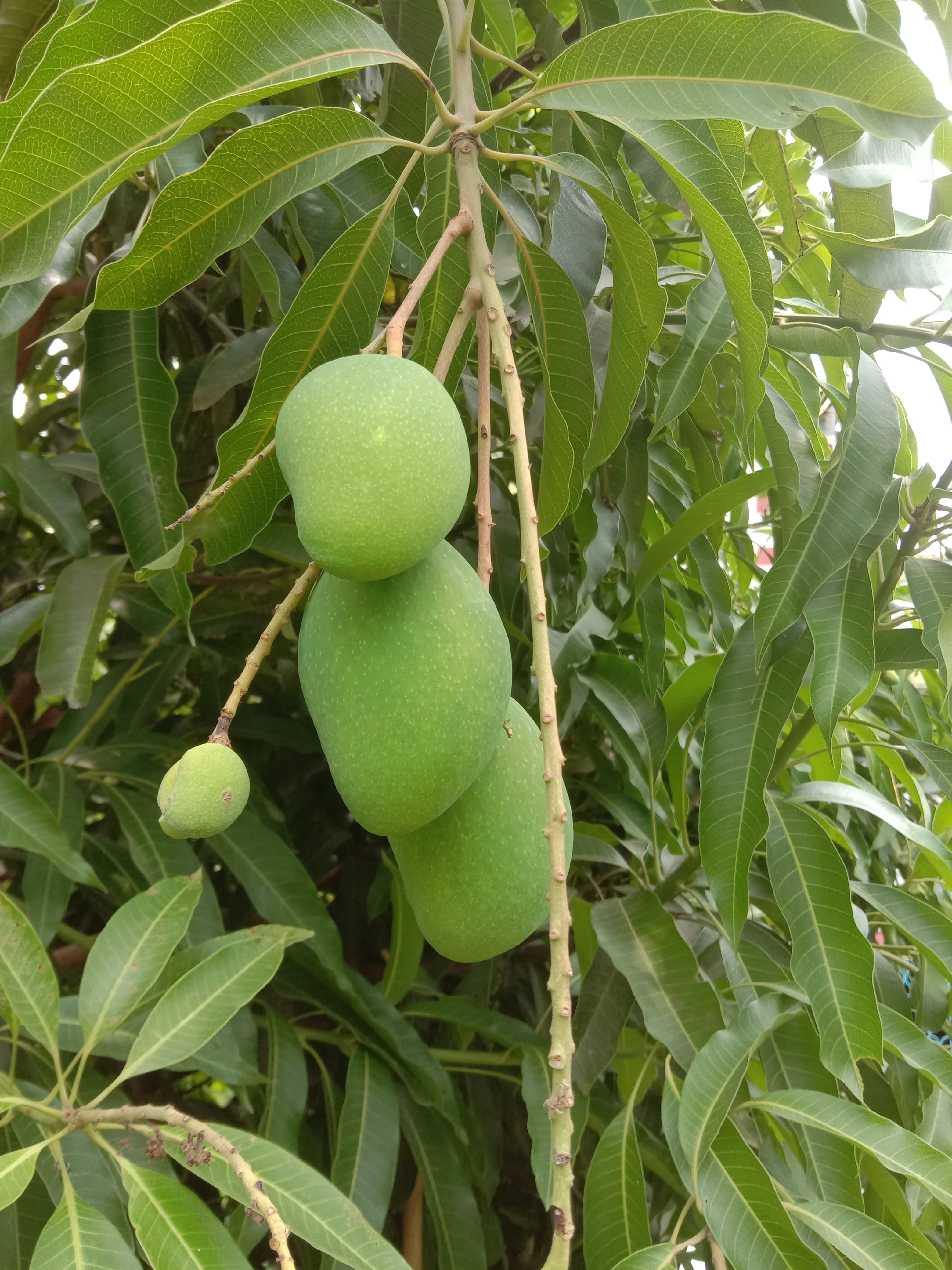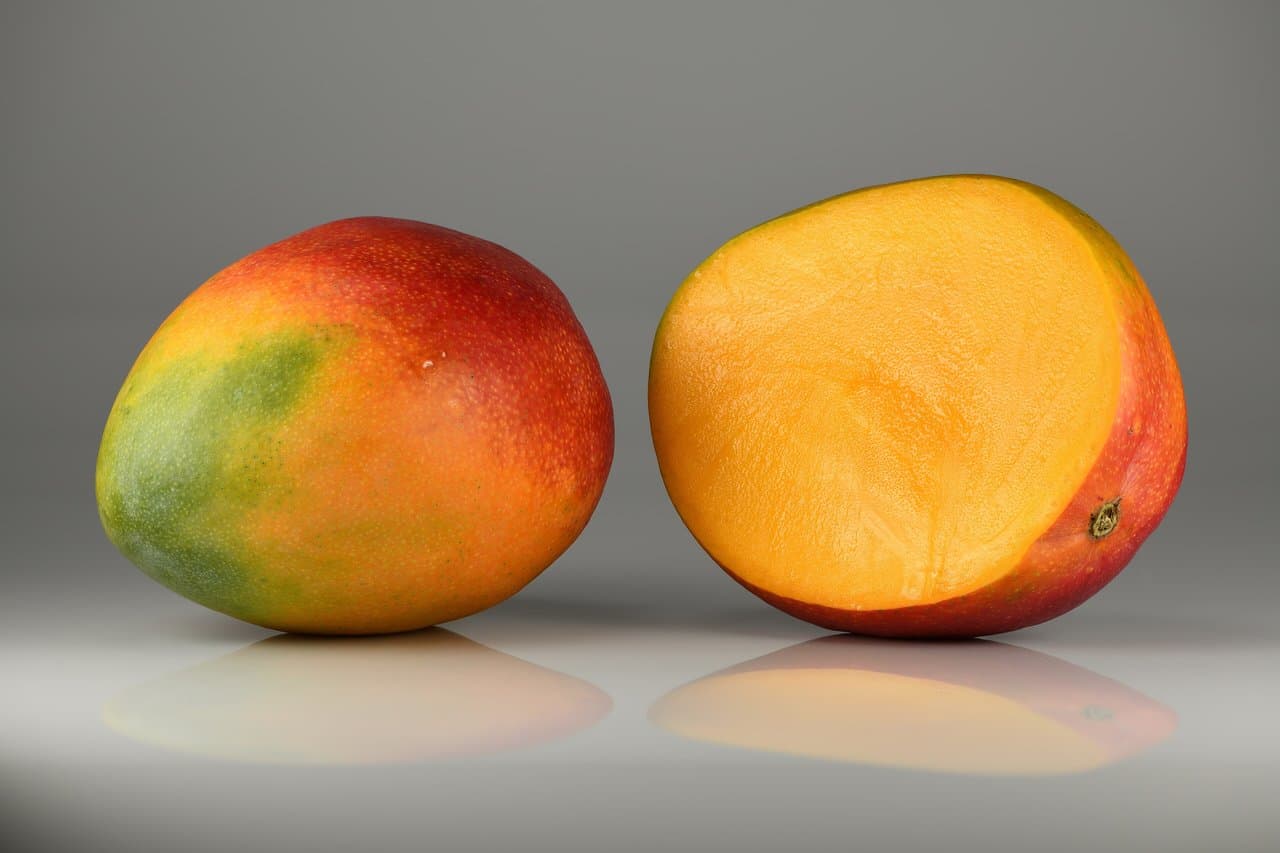
Mango (aam) is the king of fruit, and no tree is loved in a Pakistani garden quite the way this one is. Growing your own mango in Punjab is absolutely possible — our long, blazing summers are exactly what the tree wants — but it rewards patience and a few good decisions made right at the start. This guide walks you honestly from choosing a sapling all the way to the day you pick your first aam.
Before you begin, be realistic about two things: a full mango tree is large, and even a good grafted one takes a few years to fruit. Get the sapling and the spot right, though, and the tree will give shade and fruit for a lifetime.
Grafted sapling or seed? Always choose grafted
This is the single most important decision, so we will be blunt: buy a grafted (peewandi) sapling, not a seed-grown one. Here is why.
- It fruits far sooner. A grafted mango usually starts bearing in about three to four years, because the graft comes from an already-mature tree and skips the long juvenile stage. A tree grown from a seed can take five to eight years — sometimes longer.
- It is true to type. With a grafted Sindhri, Chaunsa, Anwar Ratol or Langra you get exactly that variety. A seedling is a lottery: you will not know what the fruit tastes like until years later, and it is often disappointing.
- It stays a manageable size. Grafted trees are more compact and easier to prune than the huge, vigorous trees that seeds produce.
By all means sprout a mango stone with the kids for fun, but for real fruit, start with a healthy grafted plant.
When and where to plant
Mango loves heat and hates soggy roots. Give it the hottest, sunniest corner you have — a full day of direct sun — and soil that drains freely.
- Best planting time: spring (February–March) once the frost risk has passed, or the monsoon (July–August) when the rains help a young tree settle in. Avoid planting into the peak of a heatwave or into winter cold.
- Space: a standard mango becomes a big tree, so give a garden specimen plenty of room — well away from walls, drains and other trees. It is not a plant for a cramped courtyard.
- Small yard or rooftop? Grow a dwarf grafted variety in a large pot or half-drum — at least a two-foot-wide container — and prune it to keep it small. Dwarf mangoes can still fruit in a few years and are perfect for a chhat or a tight garden.
- Soil: our Punjab clay is fine as long as water drains away. Plant on a slight mound if your ground stays wet, and mix in old compost or gobar at planting time.
Water, feed and how the bloom is triggered
Watering a mango is a tale of two halves, and getting the timing right is what turns a leafy tree into a fruiting one.
- Young trees: water regularly through the first two or three summers so the roots establish. Never let a small tree bake bone-dry, but never leave it standing in water either.
- Withhold water before flowering: on an older tree, easing right off the water through the cool, dry months (roughly November to January) puts the tree under a little stress and pushes it to flower instead of just growing leaves. Too much water and rich feeding at this stage give you a green tree and no aam.
- Then resume: once the flowers set into tiny fruit in spring, start watering again to swell the crop.
- Feeding: feed organic manure and a balanced fertiliser after harvest and again as new growth starts, but go light on nitrogen near flowering time.
In our climate a mango flowers in February–March and the fruit ripens from June to September — the heart of our summer. The dropping of many tiny fruitlets is completely normal; a tree only needs to hold on to a fraction of them.
Common mango problems in Punjab
Most mango trouble in our region is predictable, and if you watch the tree at flowering time you can stay ahead of it.
- Mango hopper: tiny wedge-shaped insects that swarm the flower panicles, suck the sap and make flowers and fruitlets drop. They are the number-one reason for a poor crop; a timely spray as the panicles emerge protects the bloom.
- Anthracnose: a fungus that spots the flowers, leaves and fruit with black patches, worst in damp, humid spells. Prune out dead wood and spray a copper-based fungicide (such as Bordeaux mixture) to control it.
- Malformation: deformed, bunched-up flower heads and shoots that never set fruit. Cut them off well below the affected part and burn them — do not compost them.
- Mealybug: these climb the trunk up from the soil in late winter. A simple sticky band or grease band around the trunk stops them reaching the flowers.
How long until you pick your first aam?
Be patient — this is a tree, not a pot of methi. A grafted mango typically gives its first small crop in around three to four years, builds up over the seasons that follow, and reaches full, heavy production by roughly eight to ten years. Those first few mangoes off your own tree, though, are worth every season of waiting.
Common questions
How many years before a mango tree gives fruit in Pakistan?
A grafted sapling usually fruits in about three to four years and comes into full production by year eight to ten. A seed-grown tree can take five to eight years or more, which is the main reason we always recommend grafted.
Can I grow a mango tree in a pot on my rooftop?
Yes — choose a dwarf grafted variety, use the largest pot or half-drum you can (at least two feet across), keep it in full sun and prune it to stay compact. It will still fruit, just on a smaller scale than a garden tree.
Why does my mango tree grow leaves but never flower?
Almost always too much water and nitrogen. Ease right off the watering and feeding through the cool, dry months so the tree is a little stressed going into February — that stress is what triggers the bloom.
Which mango variety is best for a Lahore home garden?
Popular, reliable grafted choices are Chaunsa, Sindhri, Anwar Ratol and Langra. Ratol stays fairly compact and is a good pick for smaller spaces; all of them thrive in our Punjab heat.
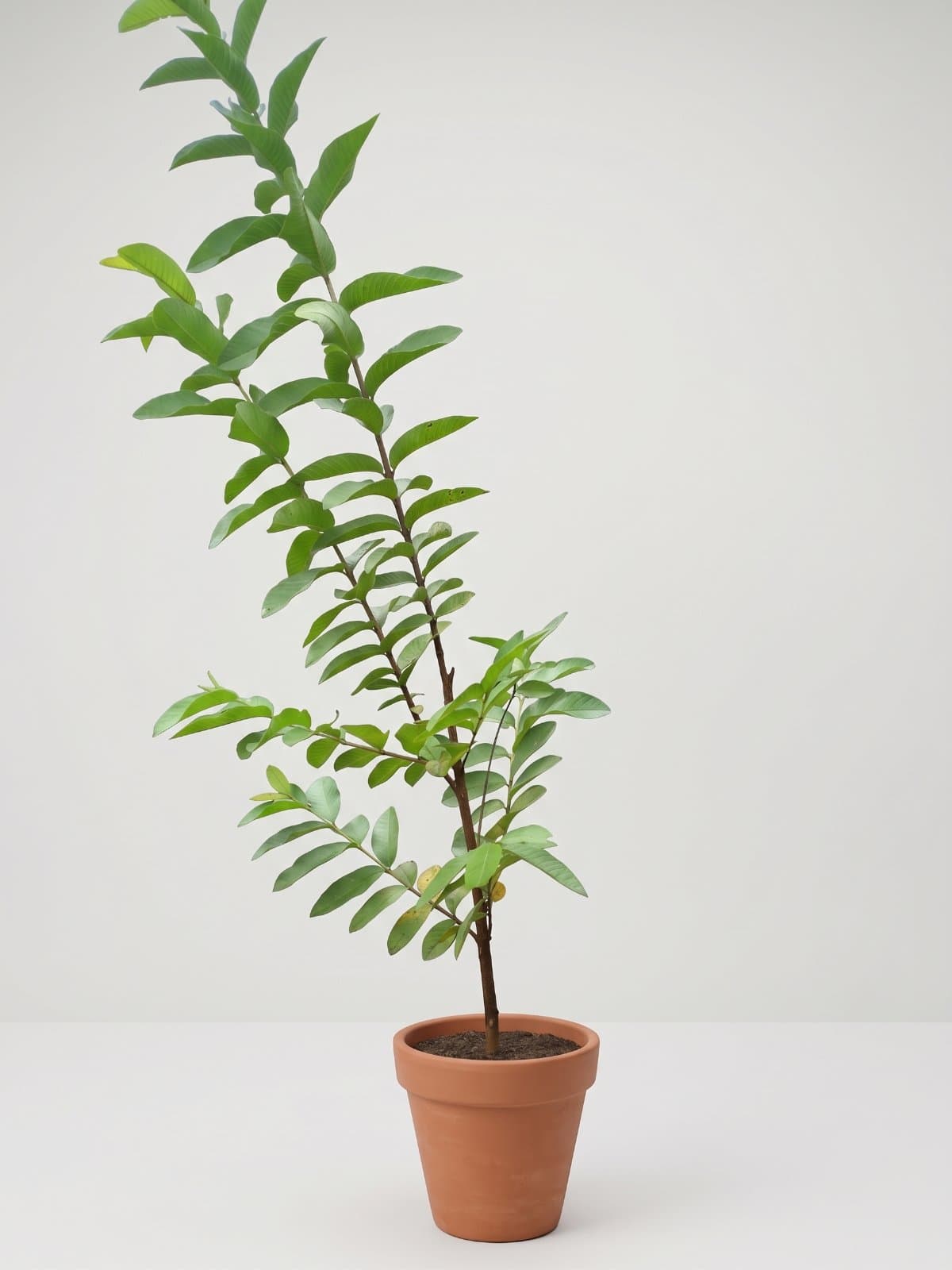
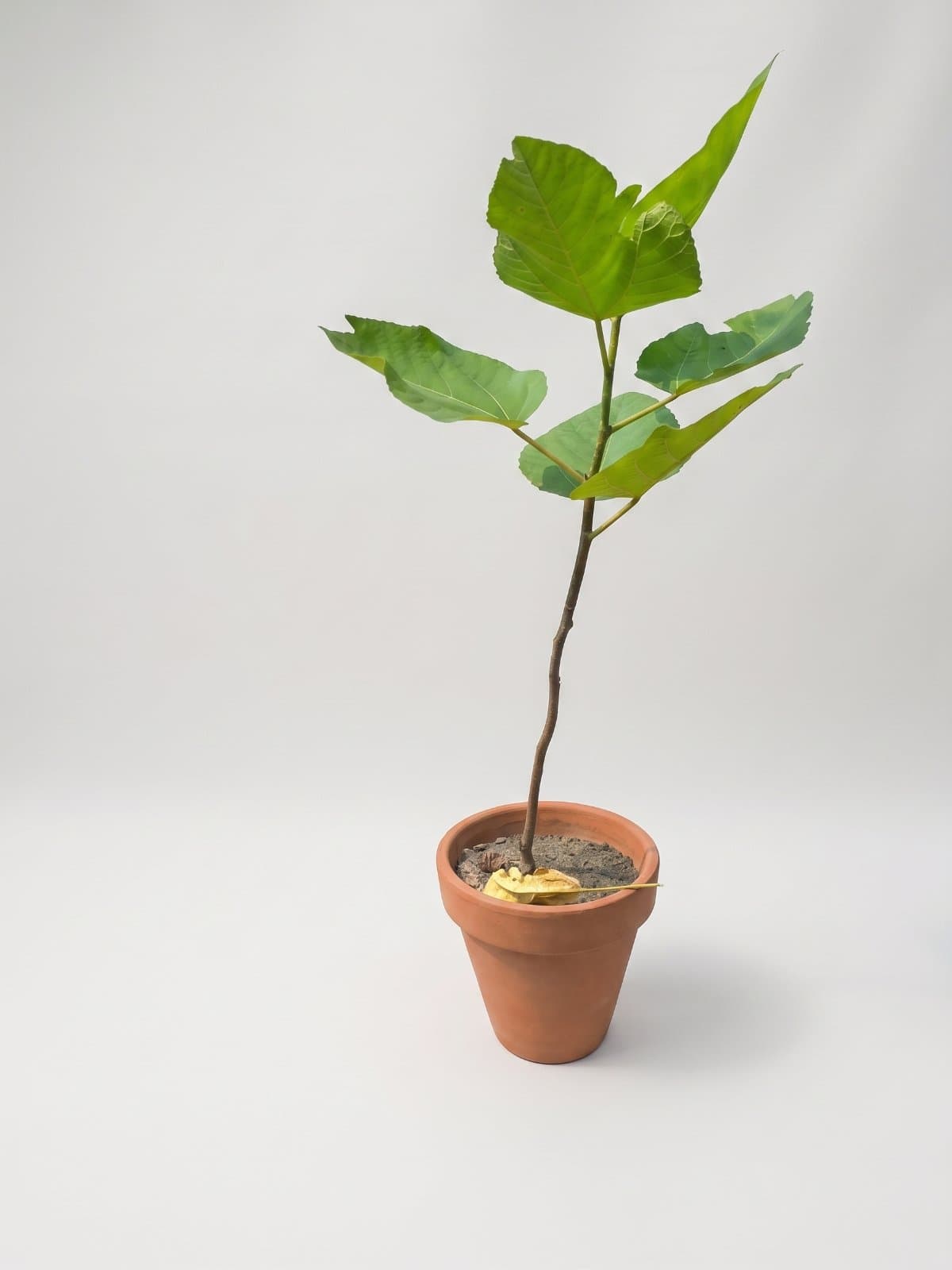
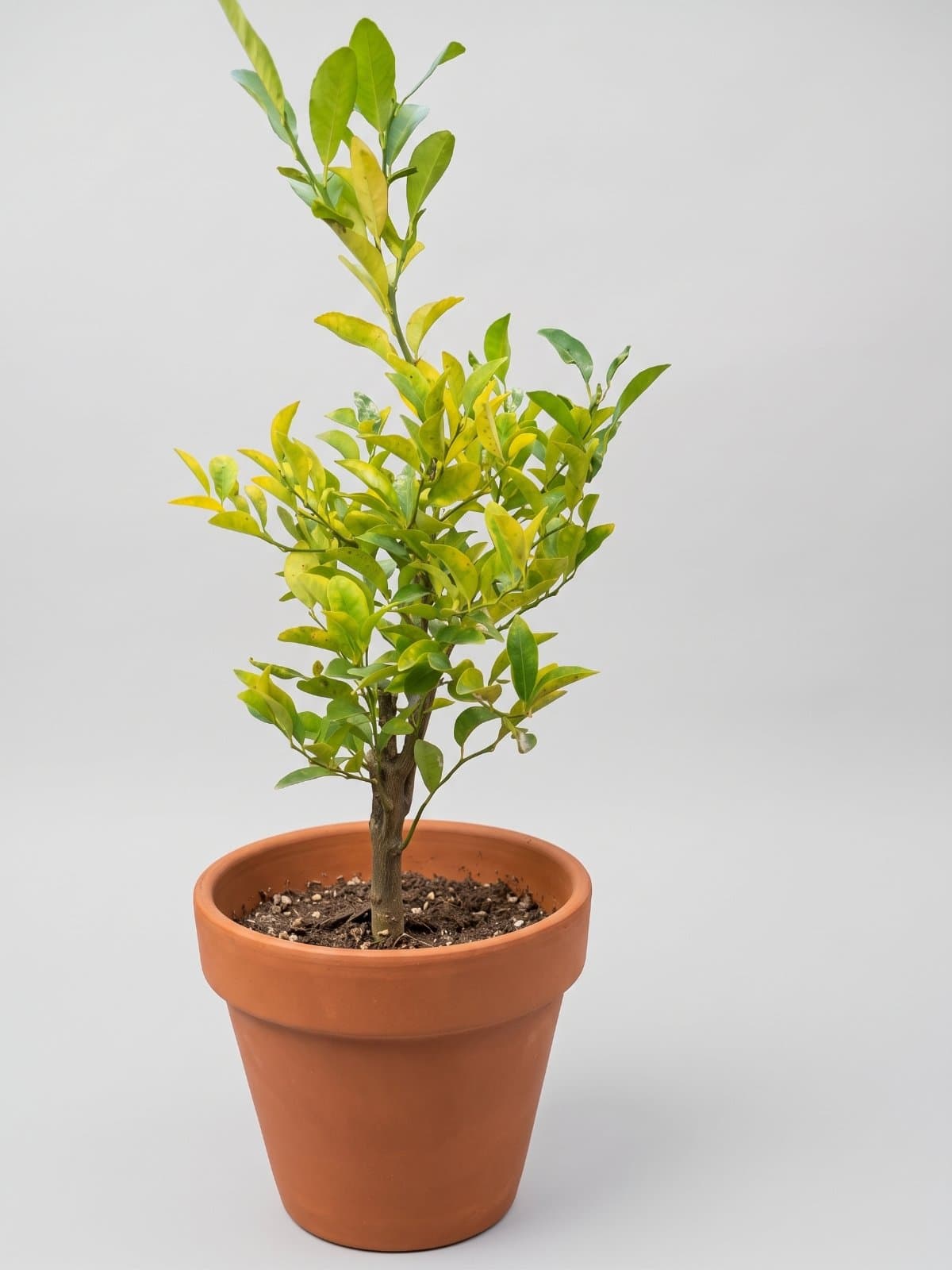
We do not always keep mango saplings in stock, but if you would like a grafted plant of a named variety we will honestly try to arrange one for you on order — just message us on WhatsApp and tell us which mango you are after. In the meantime, if you want a fruit tree you can take home today, we do stock a healthy guava plant, fig plant and lemon plant — all quicker to fruit than mango and well suited to a Lahore garden. For more, read our guide to fruit trees for Lahore gardens, and if you are just starting out, our beginner's guide to gardening in Pakistan.