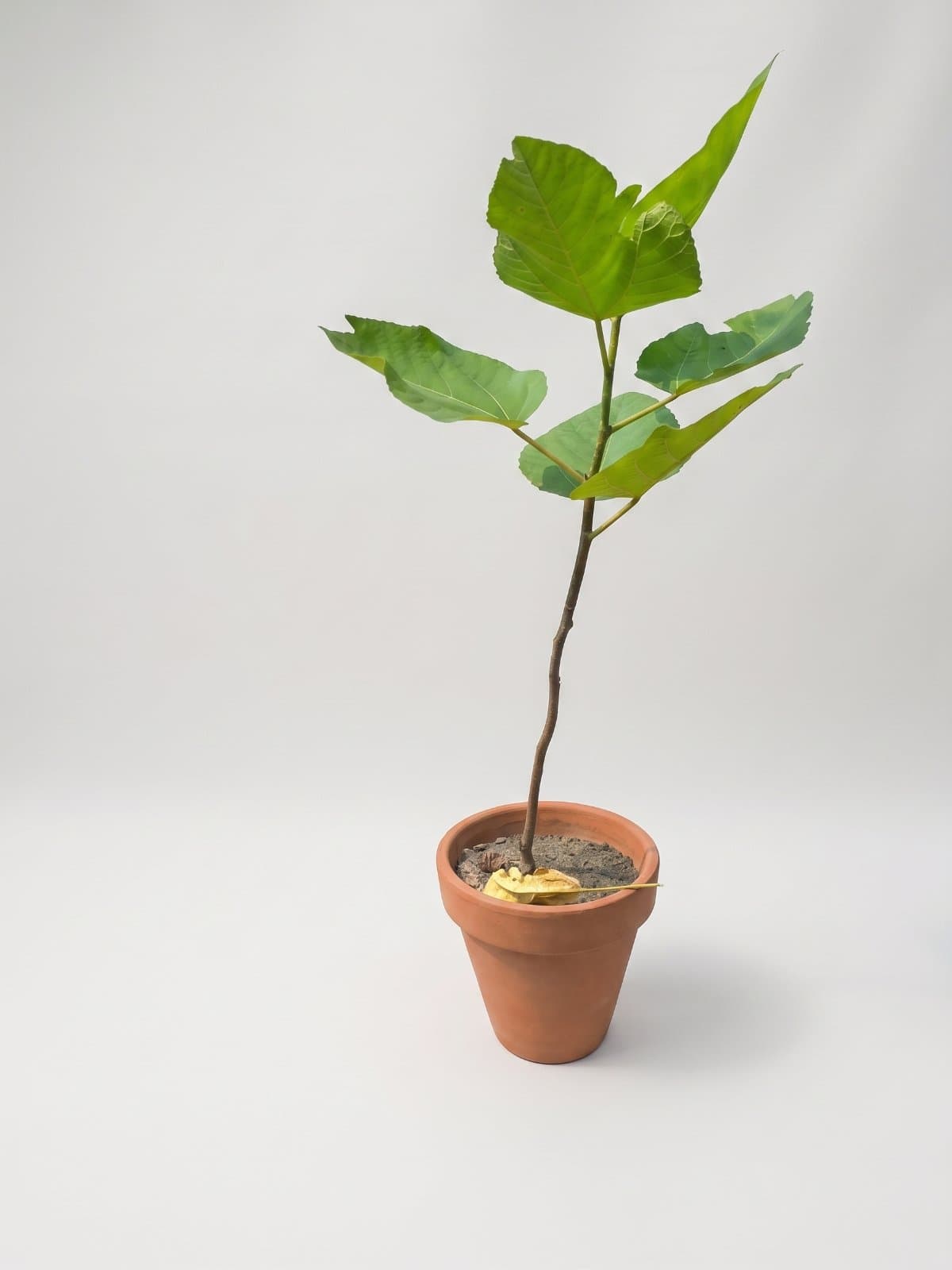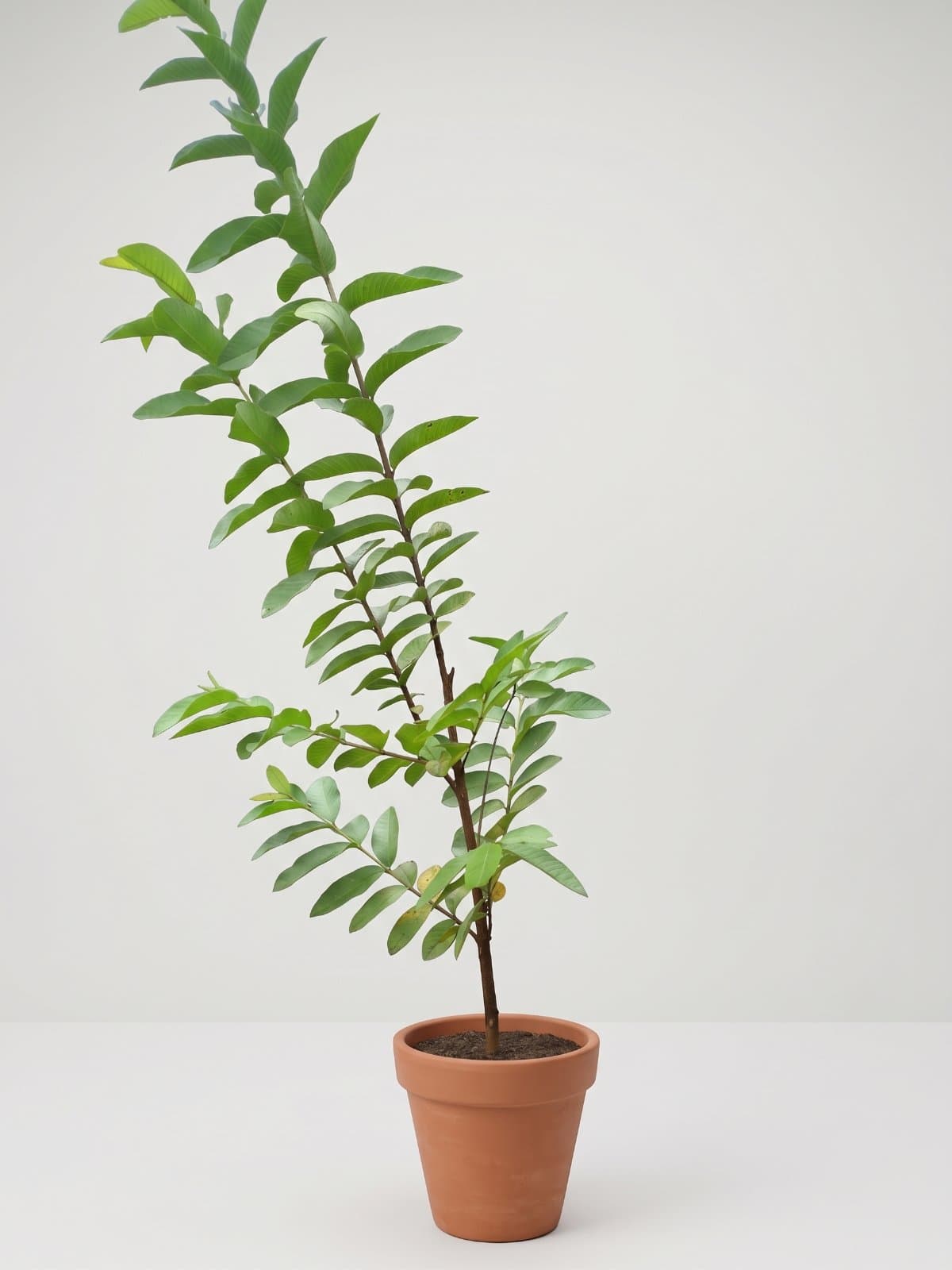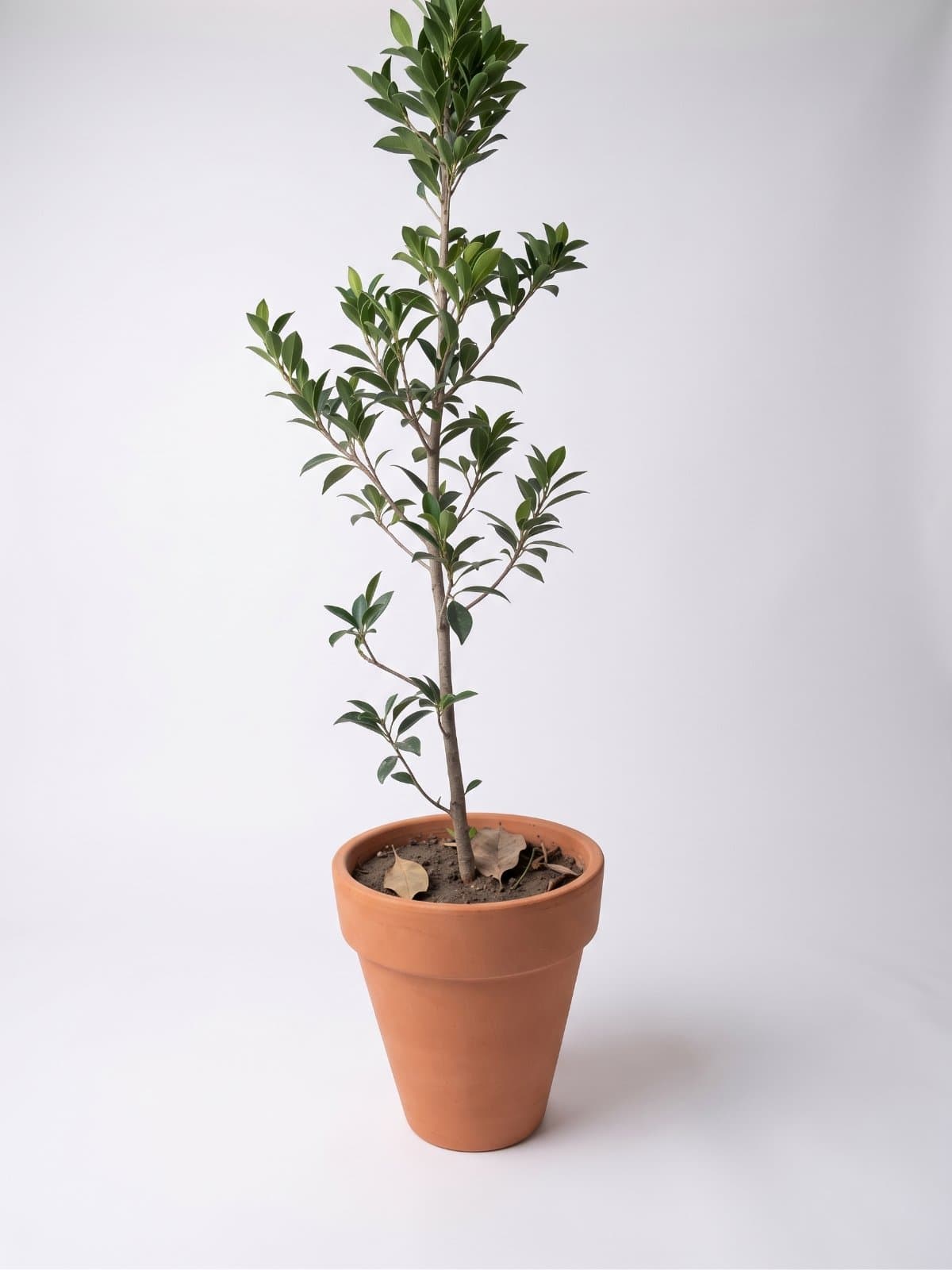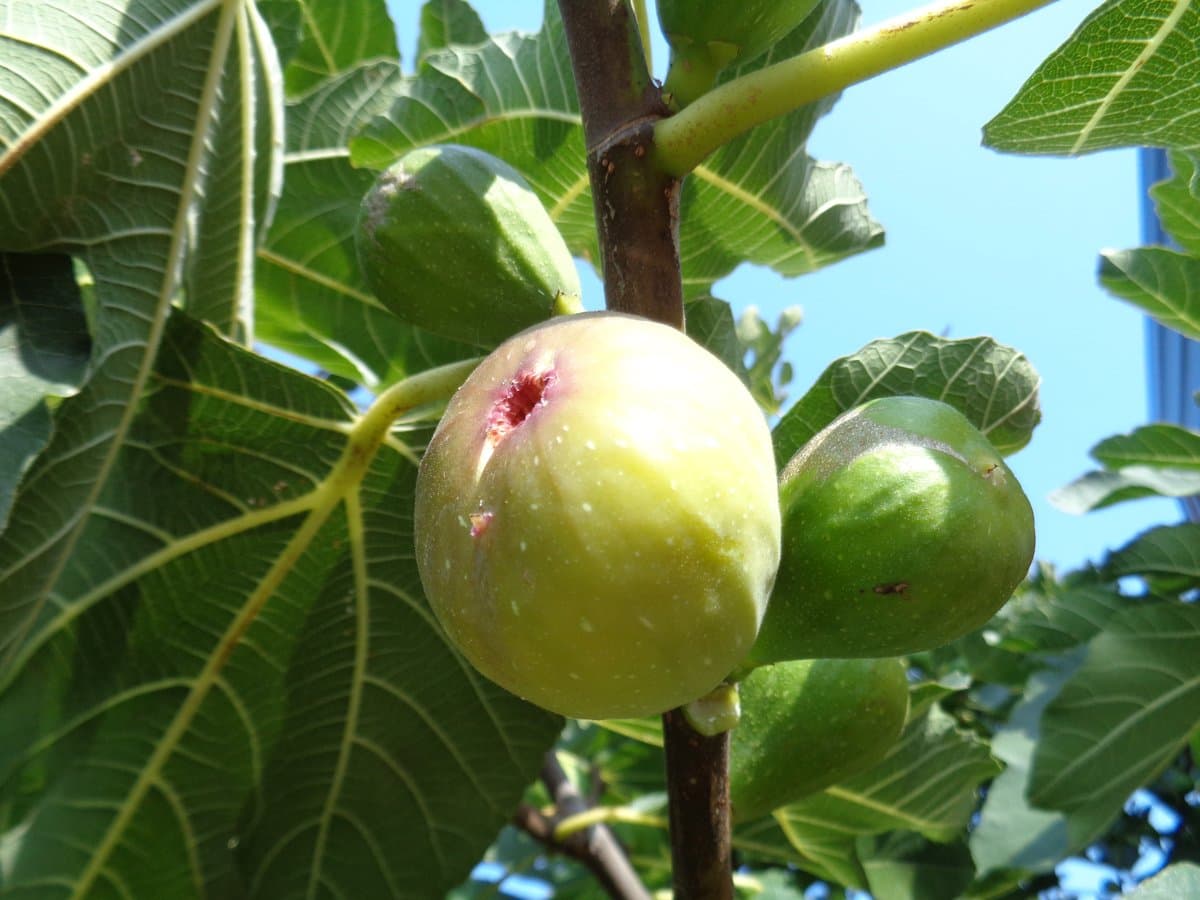
The fig — injeer — is one of the most rewarding fruit trees you can plant in Lahore, and one of the easiest. This ancient Mediterranean tree loves exactly the kind of long, hot, dry summer our city serves up, and once it settles in it hands you sweet, honeyed fruit year after year with very little fuss. You can grow it in the open ground or in a large pot on a rooftop, and you can raise a whole new tree from a single cutting.
Injeer has been prized across our part of the world for centuries — dried anjeer is treasured through winter, and the fresh fruit, eaten warm off the tree, is something most people never get to taste because it is far too soft to survive a trip to the shops. That alone is a good reason to grow your own.
Why figs thrive in Lahore
The common fig (Ficus carica) comes from the dry, sun-baked Mediterranean and Middle East, so a Punjab summer feels like home to it. It is genuinely drought-tolerant once established, shrugs off our heat when many softer plants sulk, and is not fussy about soil. The one thing it will not tolerate is waterlogged roots — which is why drainage matters more than almost anything else you do.
Sun, soil and where to plant
Give your fig the sunniest spot you have. Full sun — at least six to eight hours of direct light a day — is what ripens the fruit and makes it sweet; in shade you get plenty of leaf and very little fruit. Plant it in well-drained soil: figs hate sitting in wet mud, so avoid a low patch where monsoon rain collects, and dig in some sand or grit if your soil is heavy.
- In the ground: best for a full-size tree and the heaviest crops. Give it room — a mature fig spreads wide — and keep it a few feet from walls and drains, as the roots are strong and searching.
- In a large pot or gamla: ideal for a rooftop or courtyard. A big container actually suits figs well, because restricting the roots encourages fruiting — but use the largest pot you can, and never let it dry to dust in peak summer.
The best time to plant is late winter to early spring (roughly February to March), while the tree is still dormant or just waking, so it roots well before the heat arrives.
Watering and feeding
This is where most people go wrong, so it is worth getting right. A newly planted fig needs regular, steady watering for its first year or two while it builds a root system. An established tree is far tougher, but how you water while the fruit is swelling makes all the difference:
- While fruiting, water steadily and evenly. The classic mistake is to let the tree bake bone-dry and then drown it — the fruit suddenly gulps the water, swells too fast, and splits open before it ripens. Deep, regular watering keeps the skin intact.
- The rest of the year, ease right back. Once the crop is picked and through the cooler months, let the soil dry between waterings. Figs resent constantly wet feet.
- Feed lightly. A fig in the ground barely needs feeding; too much nitrogen gives you a jungle of leaves and little fruit. A potted fig appreciates a balanced feed or some compost in spring — potash (as in a tomato feed) helps fruiting far more than heavy nitrogen.
The two crops, and keeping the birds off
A healthy fig can give you two crops in a year, and it helps to know the difference:
- The breba crop forms in spring on last year's wood and ripens in early summer. It is a bonus — often a little larger and milder.
- The main crop forms on the current season's new growth and ripens through late summer into autumn. This is usually the bigger, sweeter harvest.
A fig is only ready when it is soft, hanging down and deeply coloured — it does not ripen any further once picked, so patience is rewarded and there is no point picking early. The catch is that every bird in the neighbourhood knows this too. As the fruit softens, drape a light net over the tree or tie a little muslin bag over the best figs; ripe fruit left unguarded rarely makes it to your plate.
Pruning, dormancy and winter
Figs need only light pruning. In winter, while the tree is bare and dormant, thin out crowded, crossing or dead branches and shorten a few stems to keep it an easy height for picking. Do not hack it hard every year — you will only cut off next season's fruiting wood.
An established fig sails through a Lahore winter outdoors: it drops its big leaves, rests, and pushes fresh growth in spring. A young tree in its first winter or two is more tender, and a hard frost can nip its new growth. If a cold snap is forecast, a potted young fig can be moved against a warm wall or under cover, and a ground-planted one can be given a mulch of straw or leaves over its roots. Be aware, too, that the milky sap (latex) from cut stems and unripe fruit can irritate skin and eyes, so wash your hands after pruning.
Growing more figs from cuttings
Figs are famously easy to propagate, which is why one good tree tends to spread through a whole neighbourhood for free. The reliable method is hardwood cuttings taken in the dormant season, from late autumn to late winter. Cut a pencil-thick piece of last year's wood about 20–25 cm long with several buds, push most of it into a pot of gritty, just-moist soil with a couple of buds left above the surface, and keep it somewhere bright and sheltered. Over the following weeks it will root and leaf out, giving you a brand-new tree at no cost.
Common questions
Will a fig tree survive Lahore's summer?
Easily — the fig is built for heat and dry air, and our summers are close to its native Mediterranean climate. Just keep a young or potted tree watered steadily while the fruit is forming, and it will thrive where softer plants struggle.
How long before a fig tree fruits?
A plant grown from a cutting usually starts fruiting within about two to three years, sometimes sooner in a warm, sunny spot. Buying an established young plant rather than starting from a cutting gets you to that first harvest faster.
Can I grow a fig on a rooftop or in a pot?
Yes — it is one of the best fruit trees for a pot. Use the largest container you can, keep it in full sun, and water steadily through the fruiting season. Restricted roots often make a potted fig fruit more freely, not less.
Are figs safe around children and pets?
The ripe fruit is delicious and harmless, but the milky sap in the leaves, stems and unripe fruit can irritate skin and mouths, so it is worth teaching children not to chew the leaves and washing your hands after pruning.
Ready to plant one? We can usually arrange a healthy fig (injeer) plant for your garden or rooftop — and if it is out at the moment we will try to source one for you, so just message us on WhatsApp. For more edible ideas, see our guide to fruit trees for Lahore gardens and kitchen gardening in Lahore, or if you are just starting out, our beginner's guide to gardening in Pakistan.