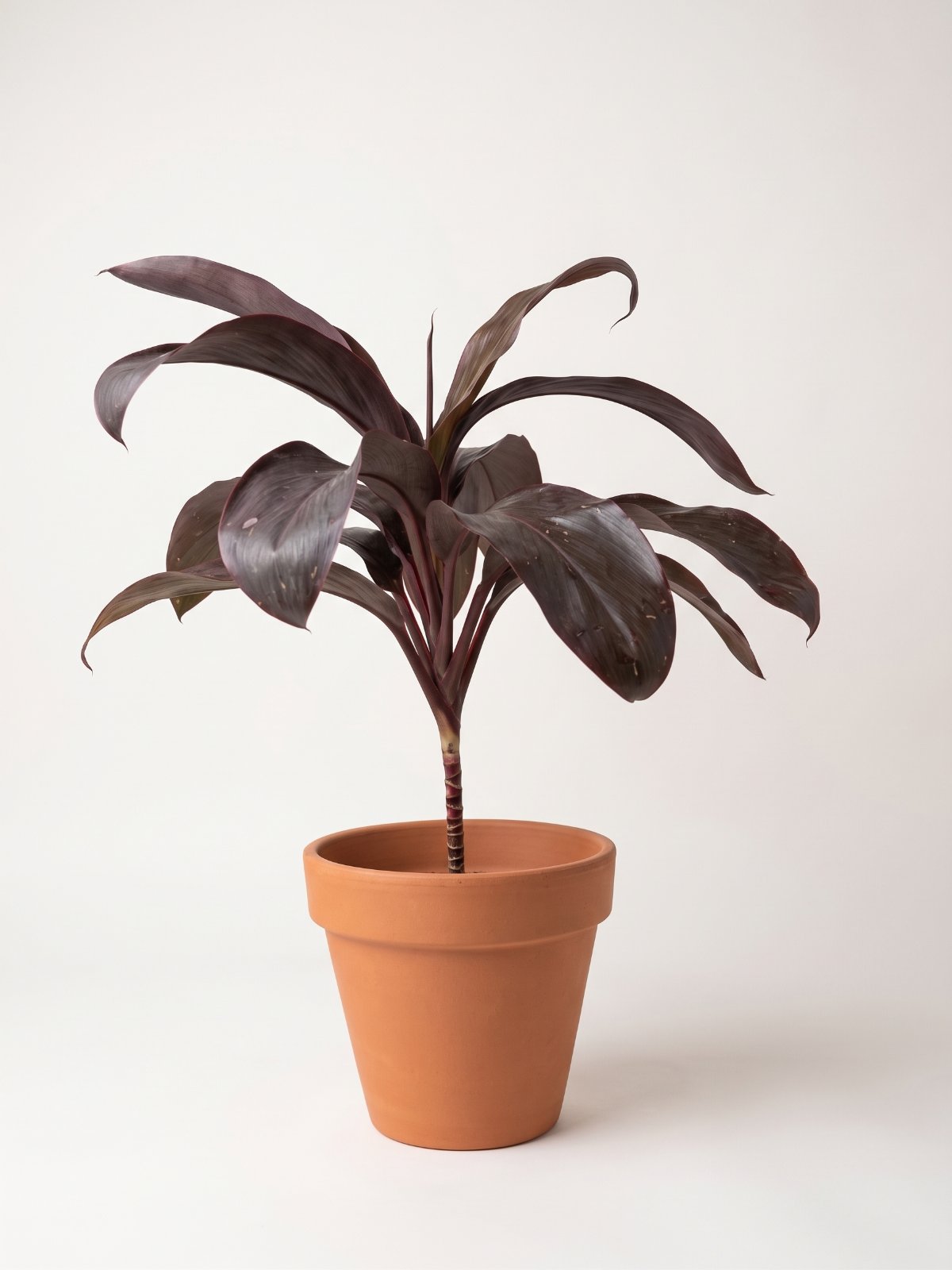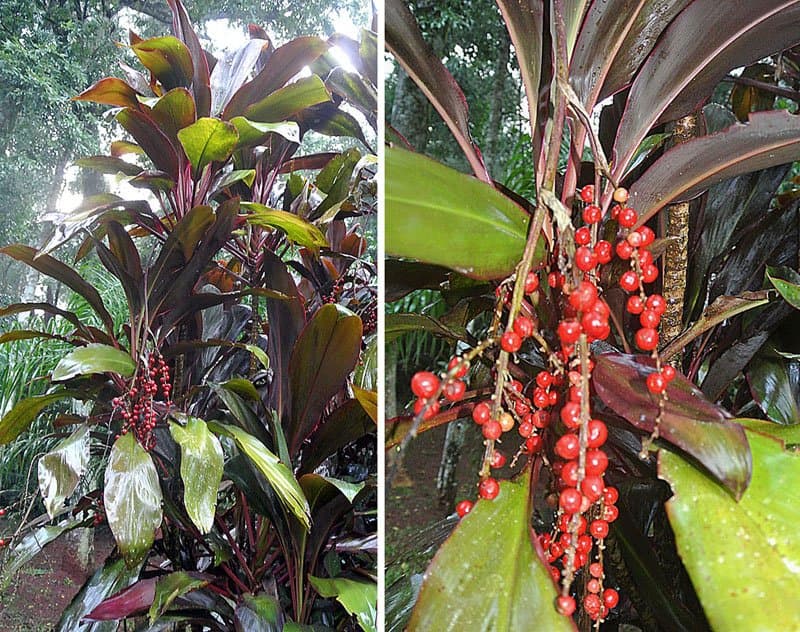
Cordyline (Cordyline fruticosa), sold here as the ti plant or Hawaiian ti, is grown for one thing above all: colour. Its long, sword-shaped leaves come streaked and edged in deep red, hot pink and burgundy, giving an instant splash of drama that few foliage plants can match. In Lahore you can keep it as a bold indoor plant in a bright room, or in a warm, part-shaded corner of the garden through the warmer months. Here is how to coax the richest colour out of it and keep it happy.
One thing to know up front: the ti plant is a tropical, and it is not frost-hardy. It sails through our long, hot summer but sulks the moment the cold arrives, so winter needs a little planning — more on that below.
Light — the secret to bold colour
Leaf colour lives and dies on light. In bright light the reds and pinks stay vivid; in a dim corner the very same plant turns a muddy green and loses the one thing you bought it for. Give it the brightest spot you have indoors — right beside a window is ideal — but shield it from the fiercest afternoon glare through glass, which can scorch the leaves. Outdoors it does best in bright, part shade: morning sun and dappled light draw out the colour, while full, unbroken Lahore summer sun can bleach and burn the foliage. If new leaves keep coming out plain green, the plant is simply asking for more light.
Watering and humidity
The ti plant likes its soil kept lightly and evenly moist through the growing season — never bone-dry, never waterlogged. Water when the top inch of soil has dried, and always tip out the saucer so the roots are not left standing in water. Being a tropical, it also loves humidity, which is scarce in our dry heat and in air-conditioned rooms.
- Water when the top 2–3 cm of soil feels dry; ease right off in the cool months when growth slows.
- Group it with other plants, or stand the pot on a tray of wet pebbles, to lift the humidity around it.
- A gentle misting on hot, dry days helps, especially indoors under a fan or AC.
- Make sure the pot drains freely — steady moisture is good, a soggy base is not.
Brown leaf tips — fluoride, chlorine and salts
If the leaf tips turn brown and crispy, do not panic — it is the single most common cordyline complaint, and it is almost always the water, not a disease. This plant is unusually sensitive to fluoride, chlorine and the salts that build up from tap water and heavy feeding. Our hard Lahore tap water and salt collecting in the pot are the usual culprits.
- Water with rainwater where you can, or let tap water stand overnight so the chlorine escapes.
- Every month or two, flush the pot: pour water through slowly until it runs freely from the base, washing the salts out.
- Feed lightly — over-feeding leaves salt behind. Avoid fertilisers listing superphosphate, a common source of fluoride.
- Trim brown tips off with scissors, following the natural leaf shape, if they bother you.
Feeding, soil and pots
Grow it in a rich but free-draining potting mix — good compost loosened with a little sand or perlite. Feed lightly with a balanced liquid fertiliser once a month from spring to early autumn, and stop over winter while the plant rests. Do not rush it into a huge pot; a snug one is fine, and you only need to repot every couple of years, once the roots fill the container.
Winter — protect it from the cold
This is the make-or-break season. The ti plant is a true tropical and will not take frost — the leaves blacken and collapse after a cold night, and a hard freeze can kill it outright. Lahore's coldest January nights are enough to damage it, so as the weather turns:
- Move container plants indoors, or against a warm, sheltered wall, before the first cold nights.
- Keep it in a bright, warm room, away from cold draughts and unheated glass.
- Cut watering right back in winter — the plant is resting, and rot sets in fast in cold, wet soil.
Treat it as an indoor plant for the winter, and move it back outside when the nights warm up in spring.
Propagation from stem cuttings
Cordyline is easy to multiply from stem cuttings, which is how nurseries grow it. Cut a healthy stem into sections a few inches long, each with a growth node, and either stand them upright or lay them flat, half-buried, on damp potting mix in warmth and bright shade. New shoots push out within a few weeks. Spring and summer, while the plant is in active growth, give the best results.
Common questions
Will a ti plant survive Lahore's summer and winter?
The summer, easily — it loves our heat as long as it has some shade and steady water. Winter is the catch: it is not frost-hardy, so bring it indoors or under cover on the coldest nights and keep it out of frost.
Why are the leaves losing their red colour and turning green?
Almost always too little light. Move it somewhere much brighter — beside a window indoors, or morning sun outdoors — and the new leaves will come back richly coloured.
Is the ti plant safe around cats and dogs?
No. Cordyline is toxic to cats and dogs — the saponins in it cause vomiting, drooling and an upset stomach if the leaves are chewed. It is rarely fatal but genuinely unpleasant, so keep it out of reach of pets that nibble, and call your vet if one eats a good amount.
Why do the leaf tips keep turning brown?
Usually the water, not sickness. Cordyline hates the fluoride, chlorine and salts in tap water — use rainwater or stood water, flush the pot now and then, and feed sparingly.
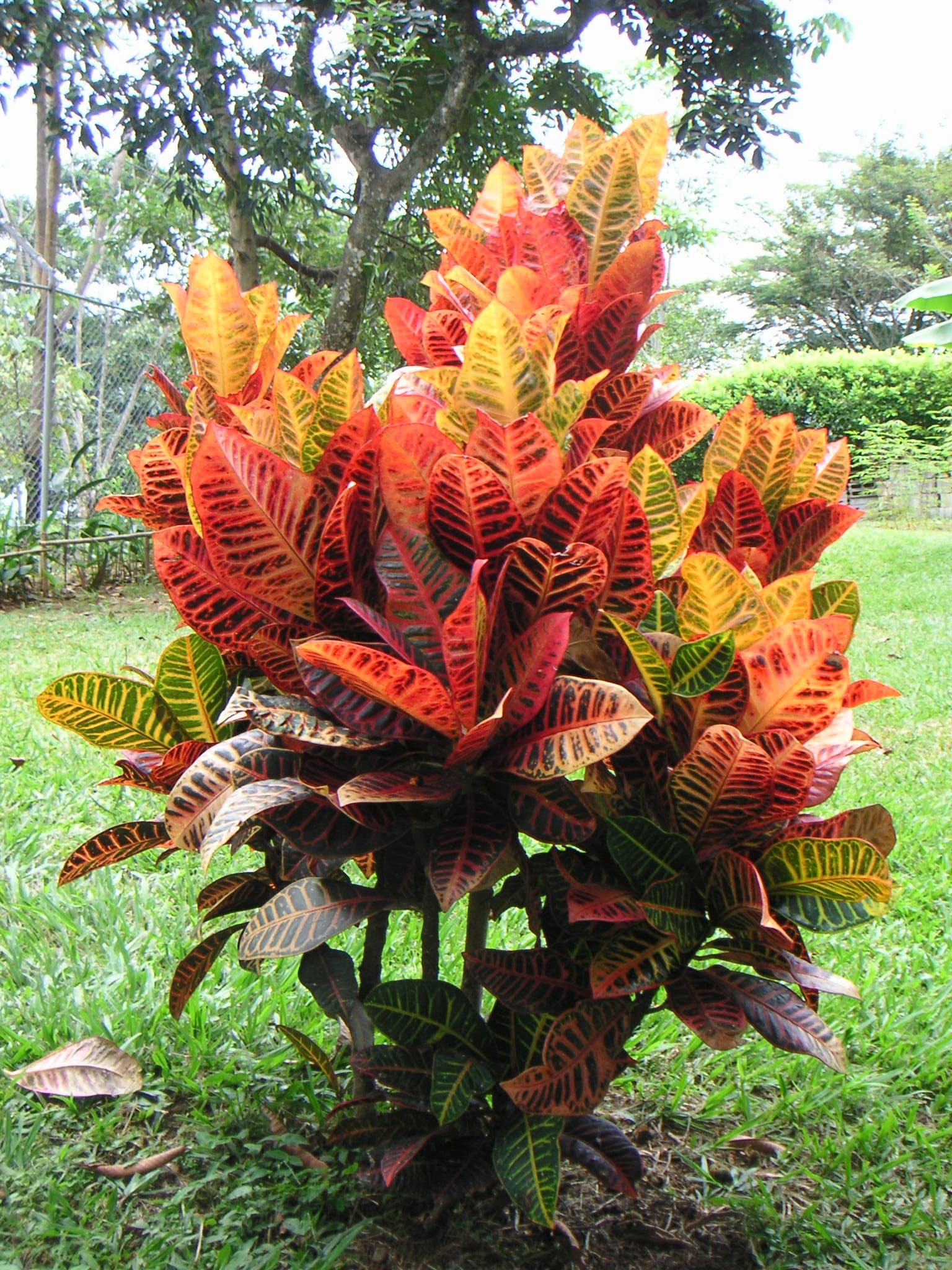
If you would like that bold splash of red for a bright room or a shady garden corner, we grow the red cordyline right here at the farm. Availability shifts with the season, so message us on WhatsApp and we will sort you out a healthy, well-coloured plant — or try to arrange the exact shade you are after. For more dramatic foliage, see our croton care guide, and if you are nursing colourful plants through our fierce heat, our notes on keeping indoor plants alive in the Lahore summer will help.