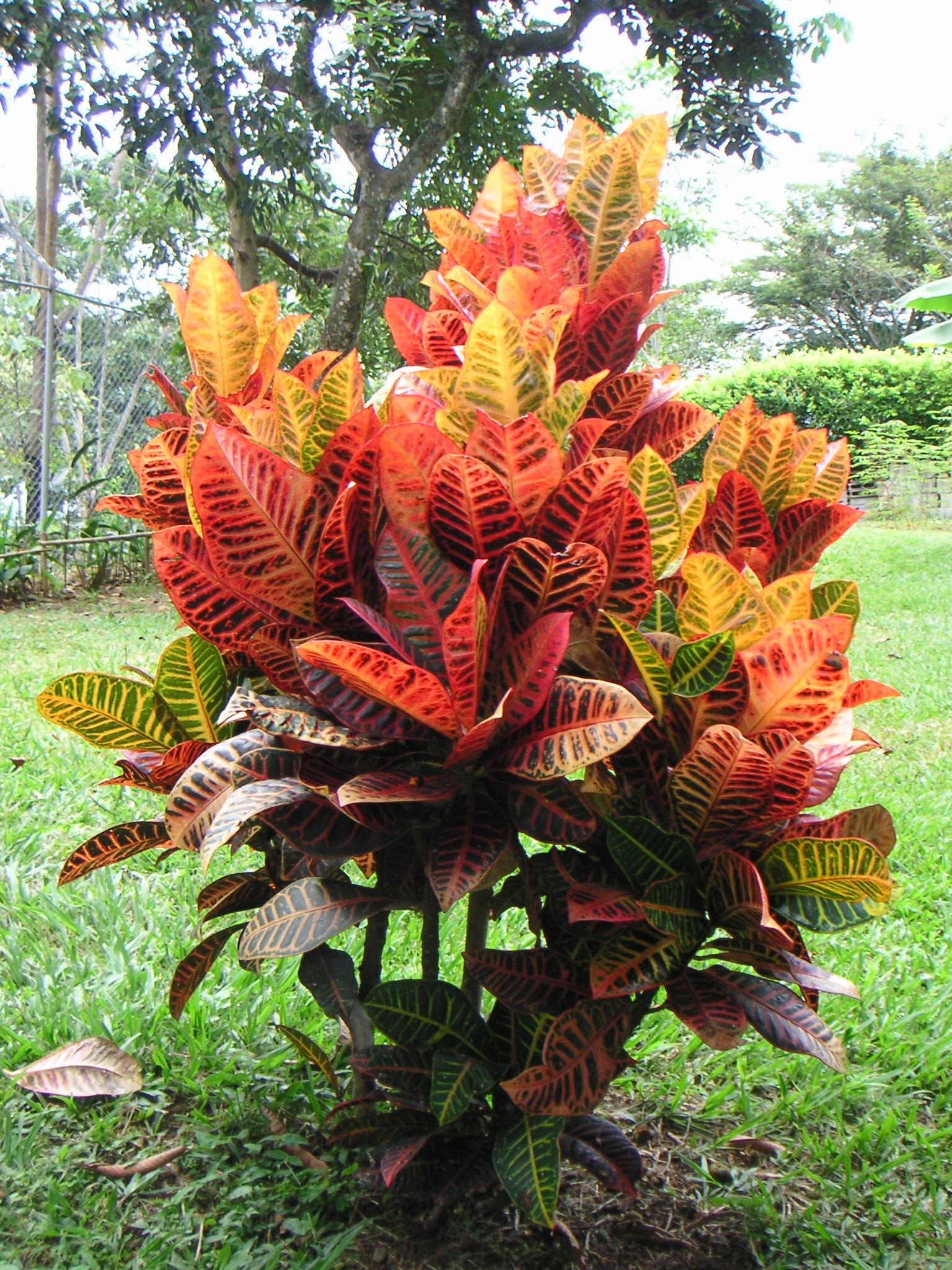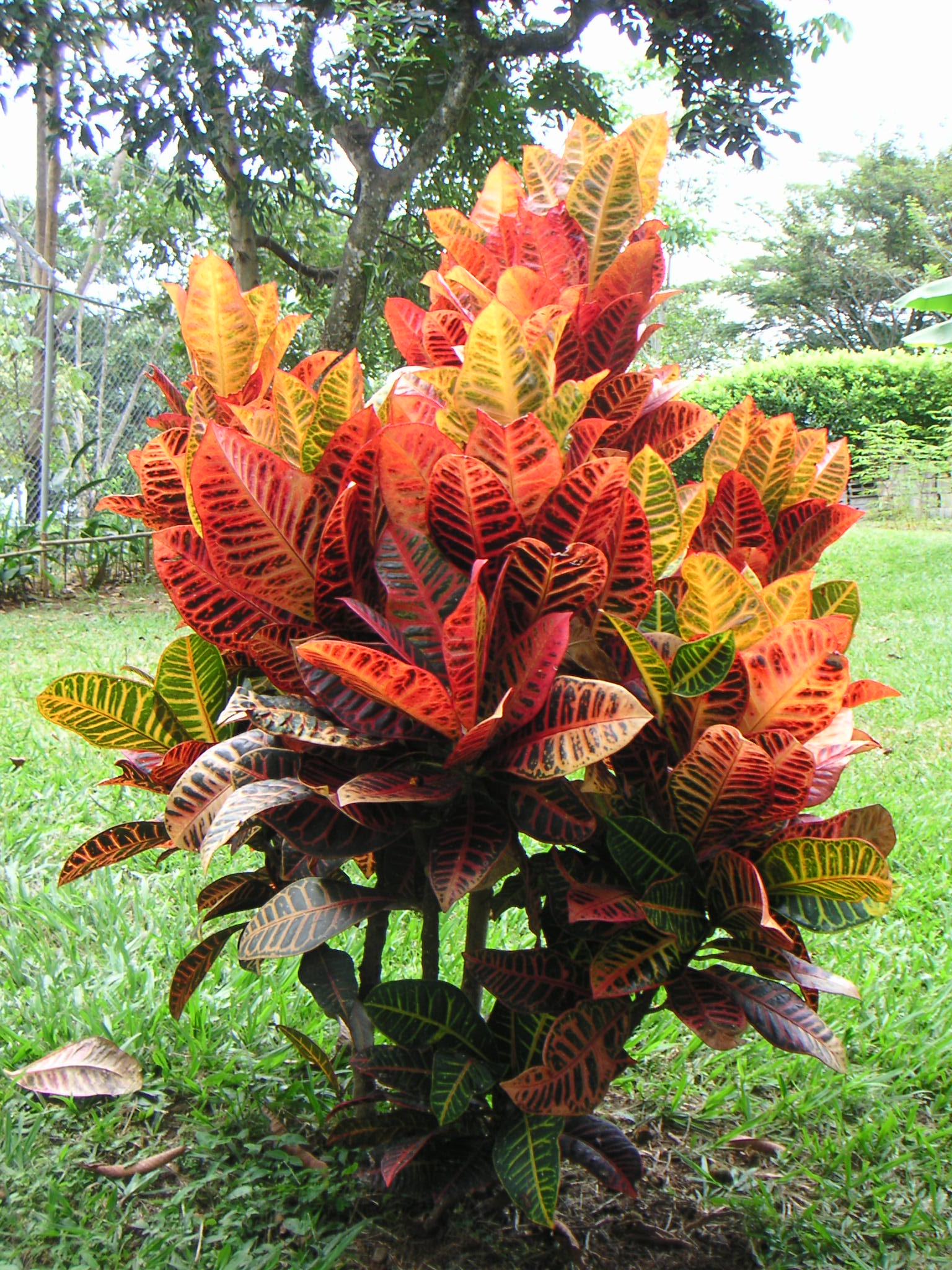
Few plants pack as much colour into one pot as the croton (Codiaeum variegatum) — its thick, leathery leaves splash red, orange, yellow and deep green all at once, often on the same plant. If you want bold, year-round foliage for a bright spot rather than fussy flowers, croton plant care is refreshingly simple once you understand one thing: this plant lives for light. Give it that, and it rewards you with colour that outshines most blooms.
Light — the key to those colours
Croton needs plenty of bright light to develop its famous reds and yellows. In dull shade the leaves stay a plain, tired green and the plant looks nothing like the one you bought. Aim for bright, mostly direct light — a few hours of gentle morning sun is ideal. Outdoors in Lahore, give it filtered light or morning sun; the harsh afternoon sun of May and June can scorch the leaves, so a spot with some midday shade is safest. Indoors, park it right by your brightest window.
Watering and soil
Keep the soil lightly moist but never soggy. Water when the top inch feels dry — in peak summer that may be every day or two for a pot, far less in winter when growth slows. Crotons hate two things: sitting in water, and drying out completely. Use a well-draining potting mix with plenty of compost, and make sure the pot has drainage holes. Yellow leaves dropping usually mean the roots are staying too wet.
Heat, humidity and season
Croton is a tropical plant, so Lahore's long warm months suit it well — spring through autumn is its main growing and colouring season. It dislikes cold, and protecting it is a steady winter routine rather than an occasional rescue: through most of December and January — plus any cold spell in November or February — keep potted crotons in a sheltered, warm spot or indoors on any night that dips toward 10 °C or below, because sustained temperatures under about 10 °C, not just frost, cause chill damage and leaf drop. Dry air can cause leaf tips to brown, so an occasional misting or a spot away from direct heaters and hot dry drafts keeps foliage looking fresh.
Feeding, pruning and pests
- Feed through the growing season. A balanced fertiliser every few weeks in spring and summer keeps the colours strong and the plant pushing new leaves.
- Prune to shape. Pinch or trim leggy stems in spring to encourage a bushier, fuller plant. The milky sap can irritate skin, so wash your hands afterwards and keep it away from small children and pets.
- Watch for pests. Spider mites and mealybugs like dusty, dry leaves — wipe the foliage clean now and then and treat early with neem oil if you spot them.
Common questions
Why is my croton losing its colour?
Almost always too little light. Move it somewhere much brighter — a few hours of gentle sun — and the fresh leaves will come back rich and multicoloured.
Why are the leaves falling off?
Croton drops leaves after a shock — a sudden move, a cold draft, or over-watering. Keep it in a stable, warm, bright spot and let the top of the soil dry slightly between waterings; it usually recovers.
Can I grow croton indoors in Lahore?
Yes, as long as you give it your brightest window. In a dim room the colours fade. See our indoor plant care guide for keeping foliage plants happy inside, and our beginner's guide to gardening in Pakistan if you are just starting out.
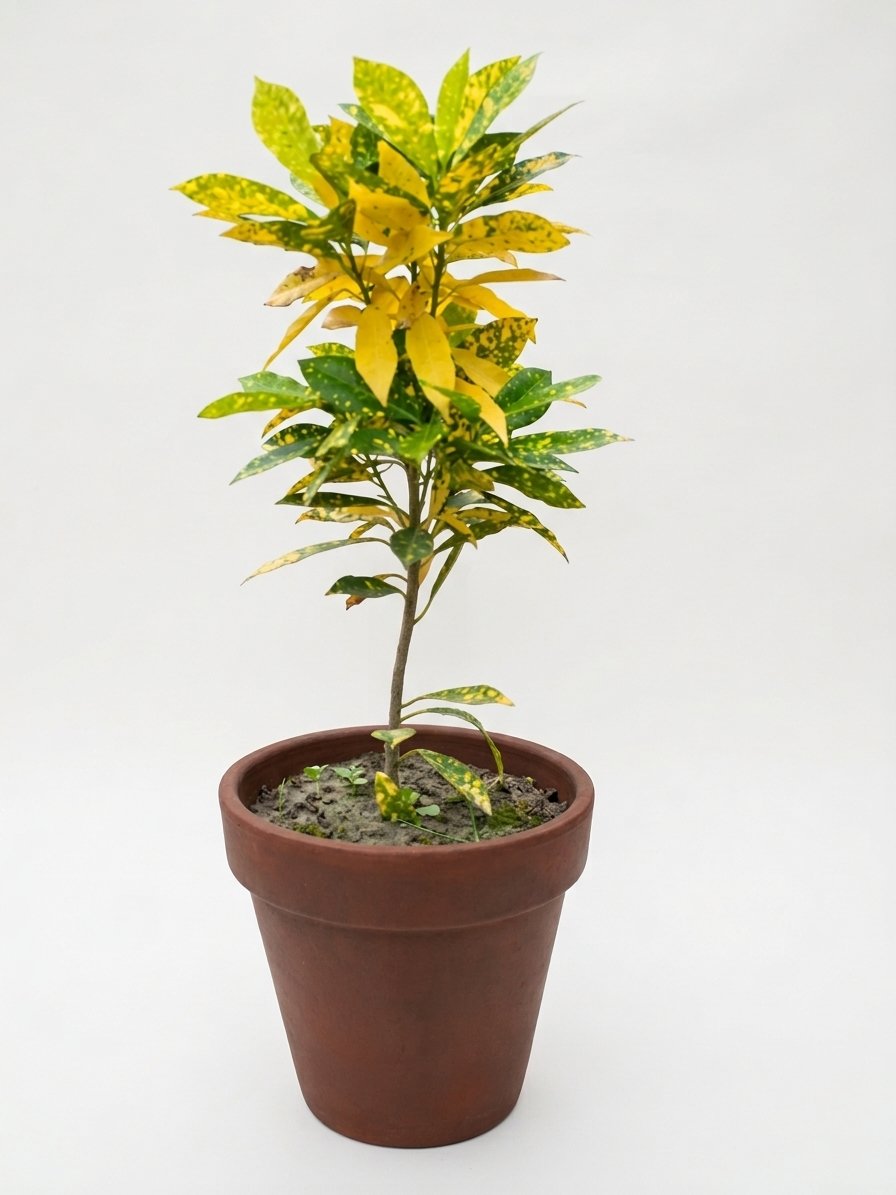
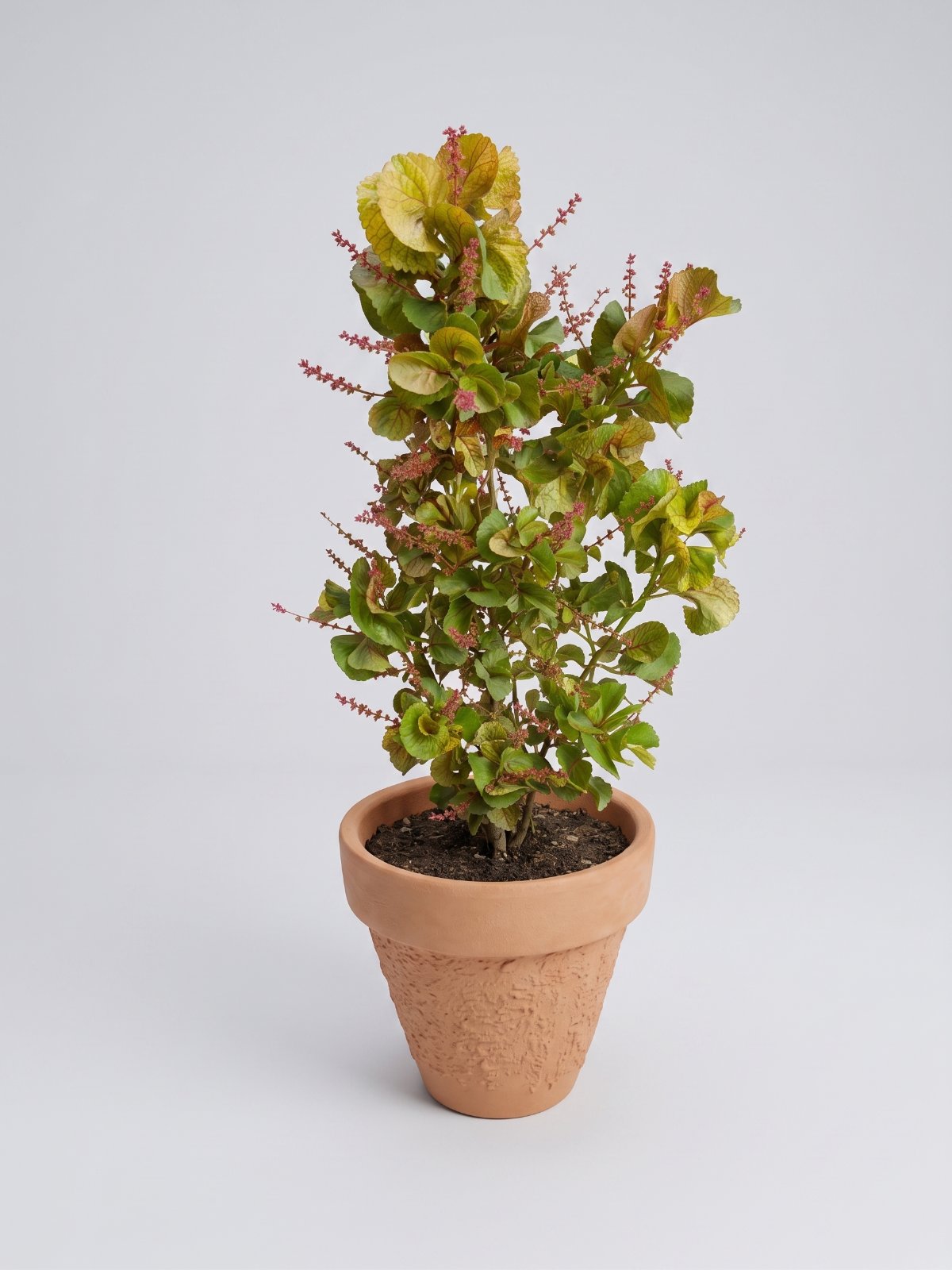
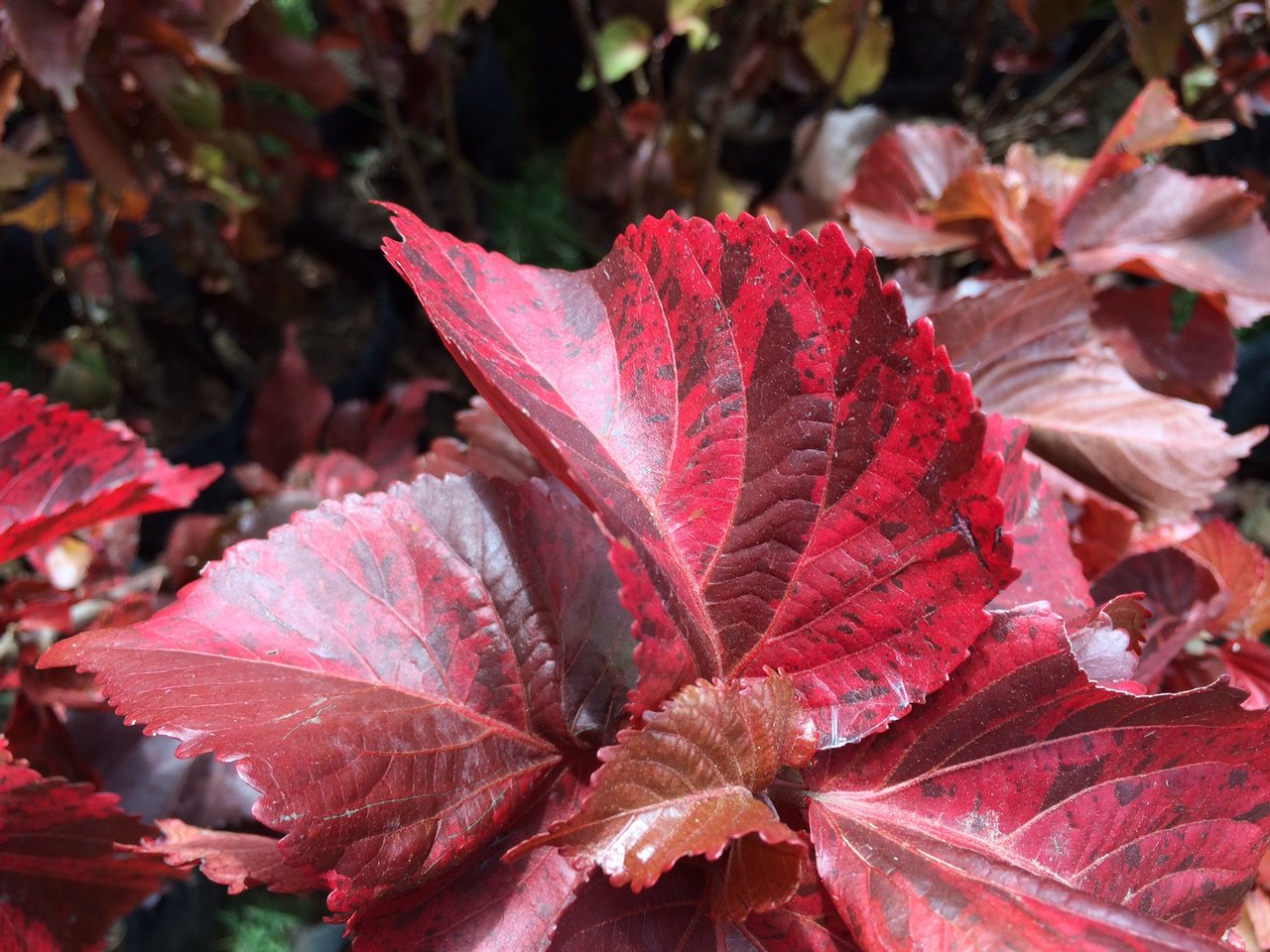
Good news — we now grow Croton (Gold Dust) at the farm (Rs 250), its glossy green leaves flecked with bright gold. Message us on WhatsApp to reserve one, or visit us in Jallo More, Lahore. Want even more colour for a sunny spot? We also stock red copperleaf and curly copperleaf — both bring fiery reds and coppers, and both thrive in Lahore.