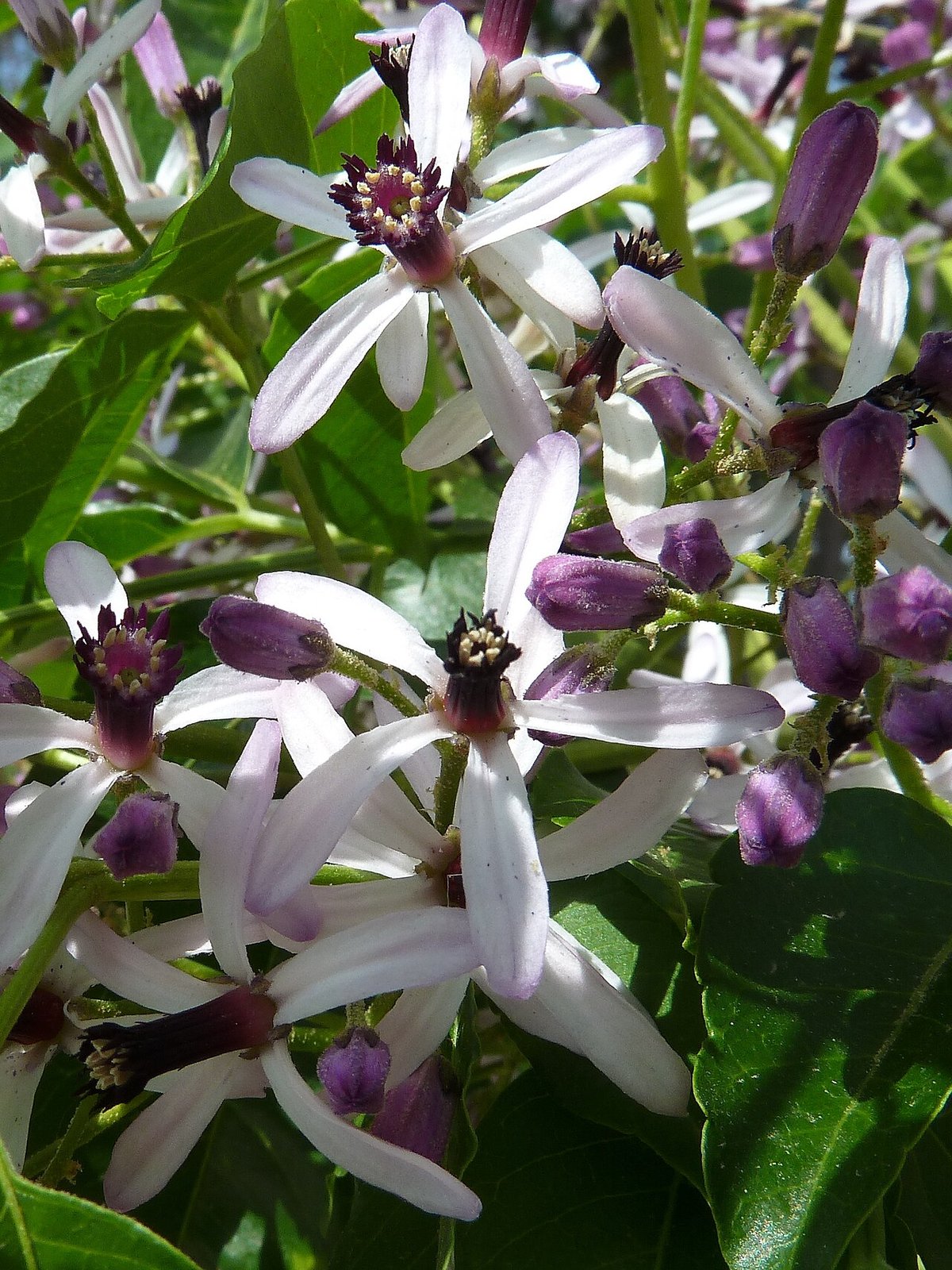
Ask any grandparent and they will tell you: neem (nim) is the subcontinent's village pharmacy. For centuries its leaves, bark and twigs have been used for the skin, the teeth and the garden. Modern research backs some of this and adds a few important cautions. Here is an honest look at what neem genuinely helps with — and how to use it safely.
The genuine uses
For skin and wounds. Neem leaves contain compounds that fight bacteria and fungi, which is why neem is a traditional remedy for acne, minor skin infections, itching and small wounds. Neem-based soaps, creams and leaf-water washes have a long, reasonable track record on the skin.
For teeth and gums. This is one of neem's best-evidenced uses. Neem toothpaste and mouthwash — and the classic neem miswak twig — help fight the bacteria behind plaque and gum trouble, and are considered safe for this purpose.
For the garden. Neem oil is one of the safest, most useful natural pesticides you can use on plants. Sprayed on leaves, it controls aphids, mites, whitefly and mildew without the harshness of chemical sprays — a genuine favourite among gardeners.
For hair. Neem is a well-known traditional treatment for dandruff and head lice, and neem-based shampoos have a good safety record.
Important safety cautions (please read)
Neem is powerful, and "natural" does not mean "harmless." The cautions here are real:
- Never give neem oil to children by mouth. Swallowed neem oil is dangerous for babies and young children — even small amounts have caused serious illness and been fatal. Keep neem oil well out of reach.
- Pregnancy and trying to conceive. Neem oil and neem bark taken internally can cause miscarriage, and neem has a long traditional use as a contraceptive. Anyone who is pregnant or trying to conceive should avoid taking neem internally.
- Don't overdo it. In large doses or over long periods, neem taken by mouth may harm the liver and kidneys. Short, sensible use is the rule.
- Diabetes. Neem can lower blood sugar, so if you take diabetes medicine, check with your doctor before using neem regularly.
The simple takeaway: neem is excellent on the skin, on the teeth, and in the garden. Taking it internally — especially neem oil — is where caution and a doctor's advice are essential.
Growing neem
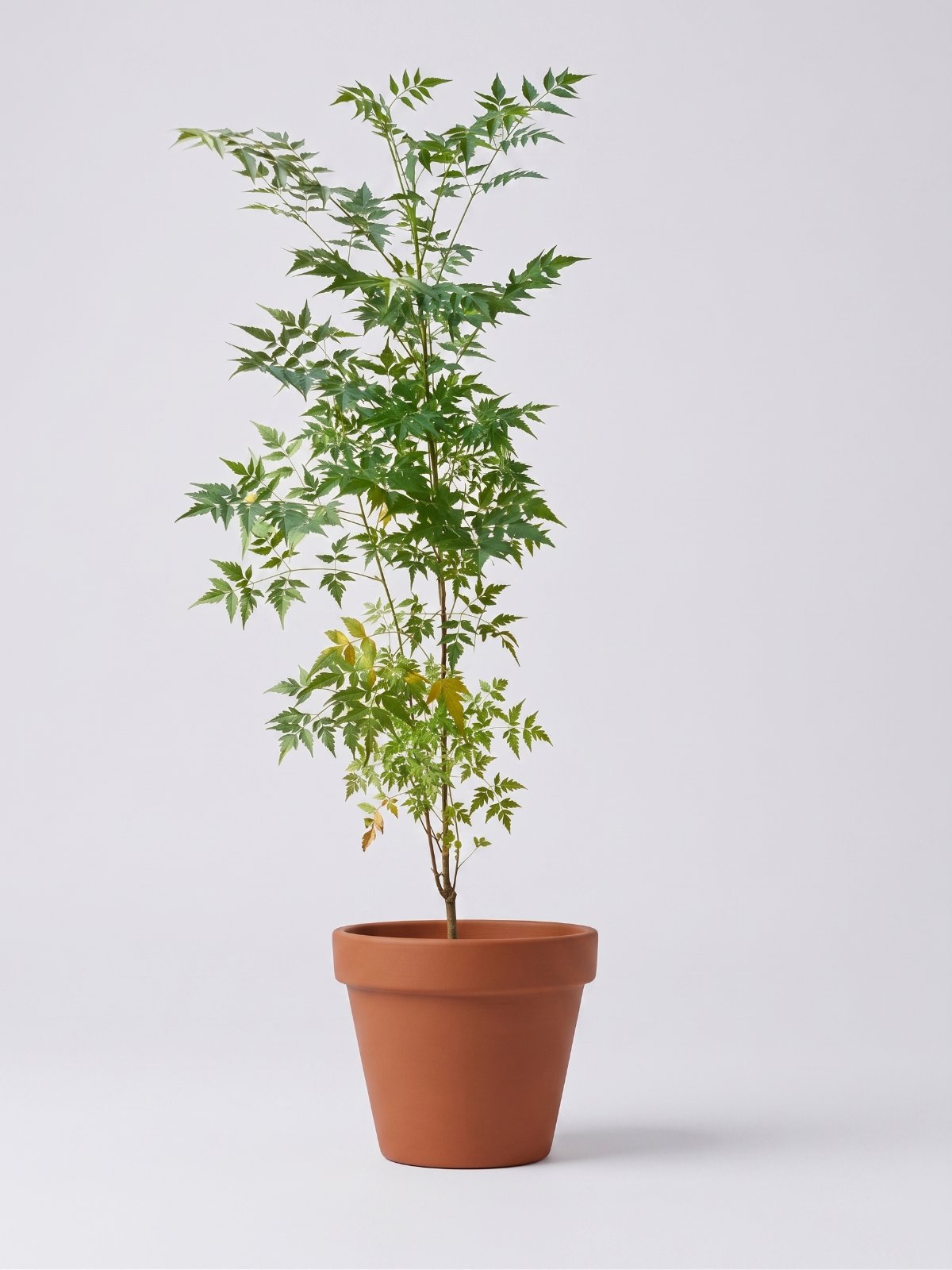
Neem is a large, fast-growing tree beautifully suited to Pakistan's hot, dry climate. It thrives in full sun, tolerates poor soil and drought once established, and gives wonderful shade. It needs space, so it is a tree for a garden or street edge rather than a small pot — but few trees give back as much.
Common questions
What is neem best used for?
Its most reliable uses are for the skin (acne, minor infections), oral care (neem toothpaste and miswak), and the garden (neem oil as a natural pesticide).
Is neem safe during pregnancy?
Avoid taking neem internally during pregnancy or while trying to conceive — neem oil and bark can cause miscarriage. Ask your doctor first.
Can I use neem oil on my plants?
Yes — diluted neem oil spray is one of the best natural ways to control common plant pests. Keep it stored safely away from children.
This article is general information, not medical advice. Talk to a qualified doctor before using neem to treat any condition, especially if you are pregnant, breastfeeding, giving it to a child, or taking medication.
Looking to green your garden with a hardy shade tree? We can arrange a Chinaberry Tree (Bakain) for you — a tough, fast-growing shade tree that loves the same hot, dry climate — available on order at the farm.