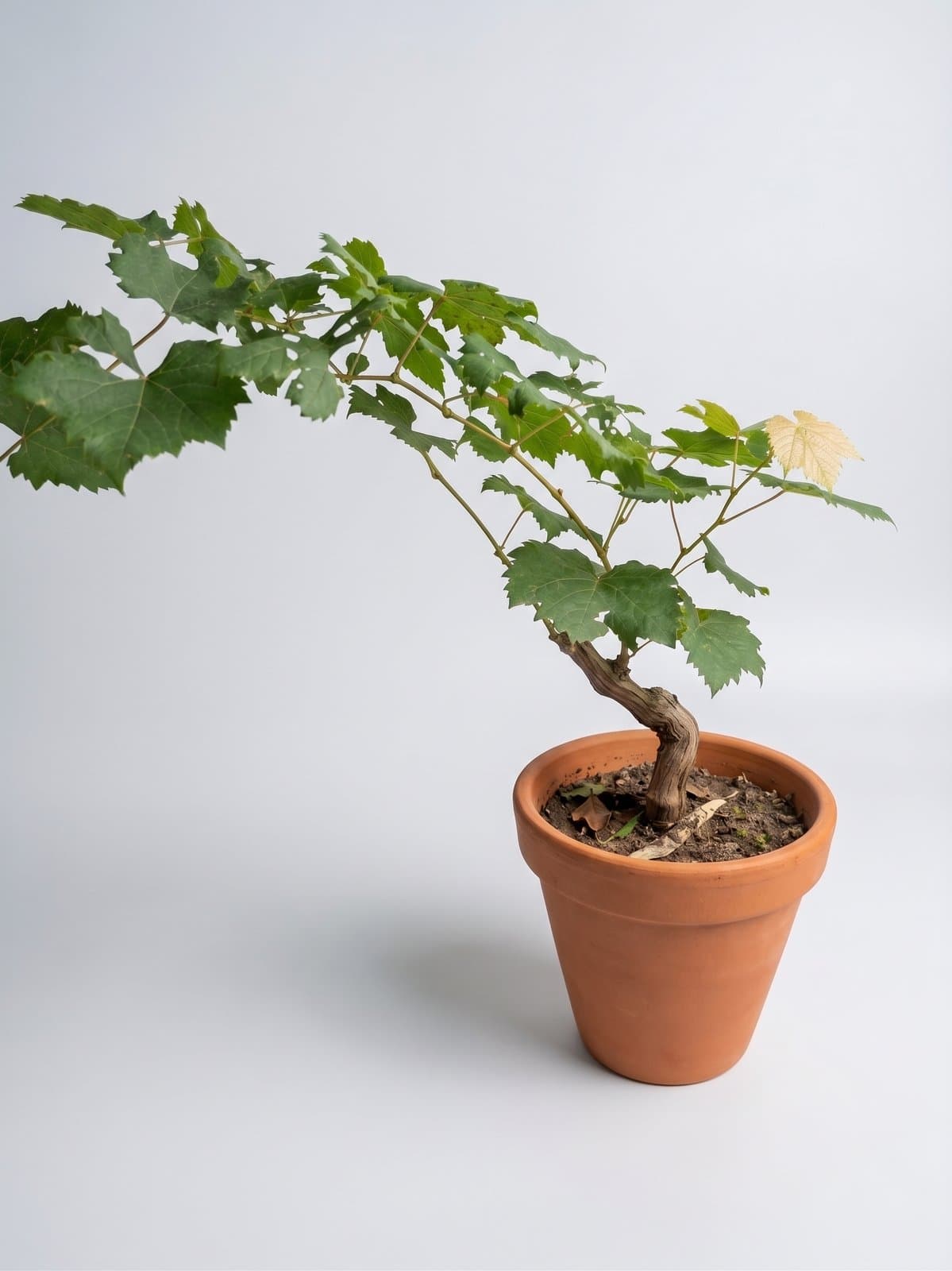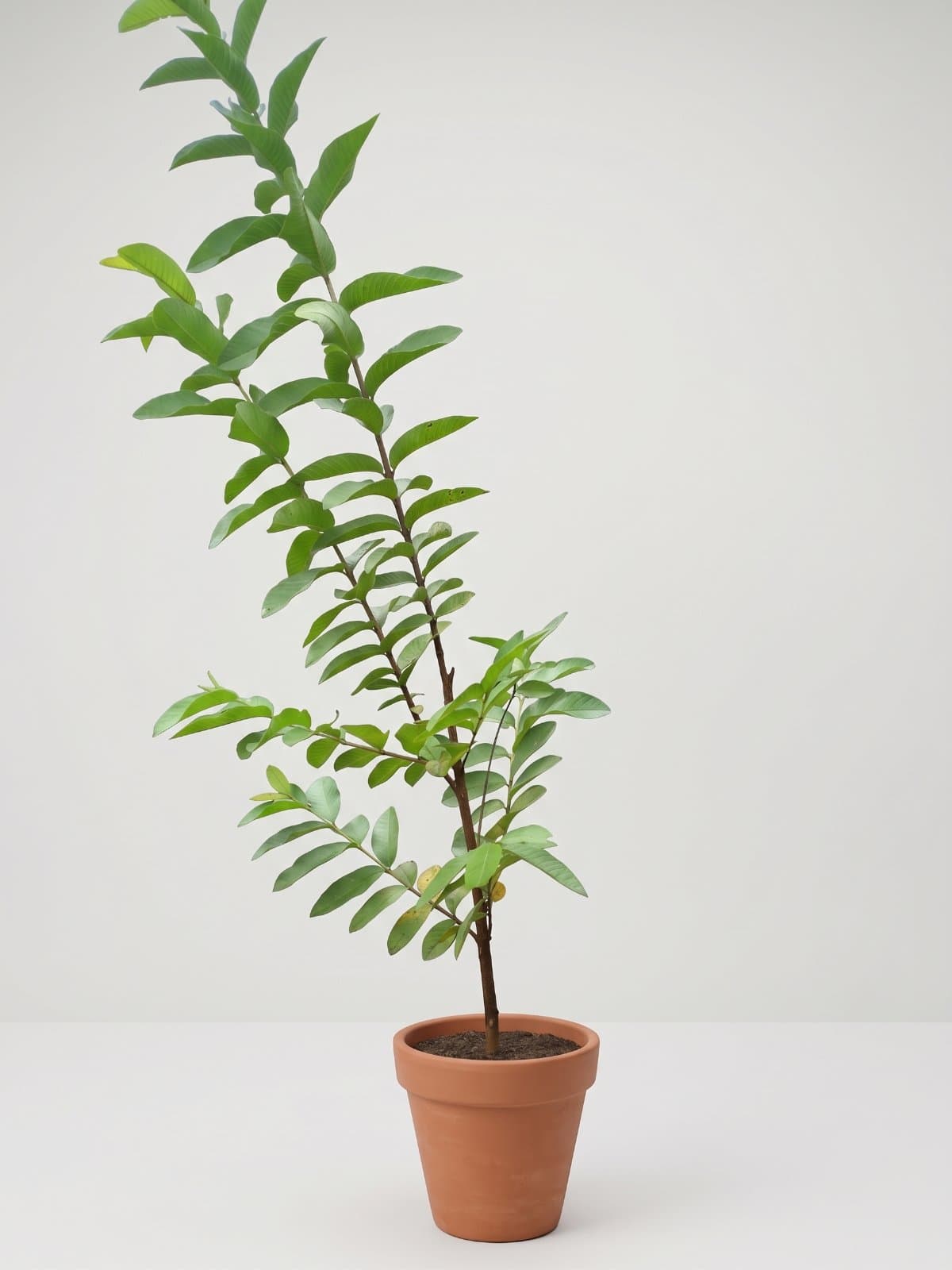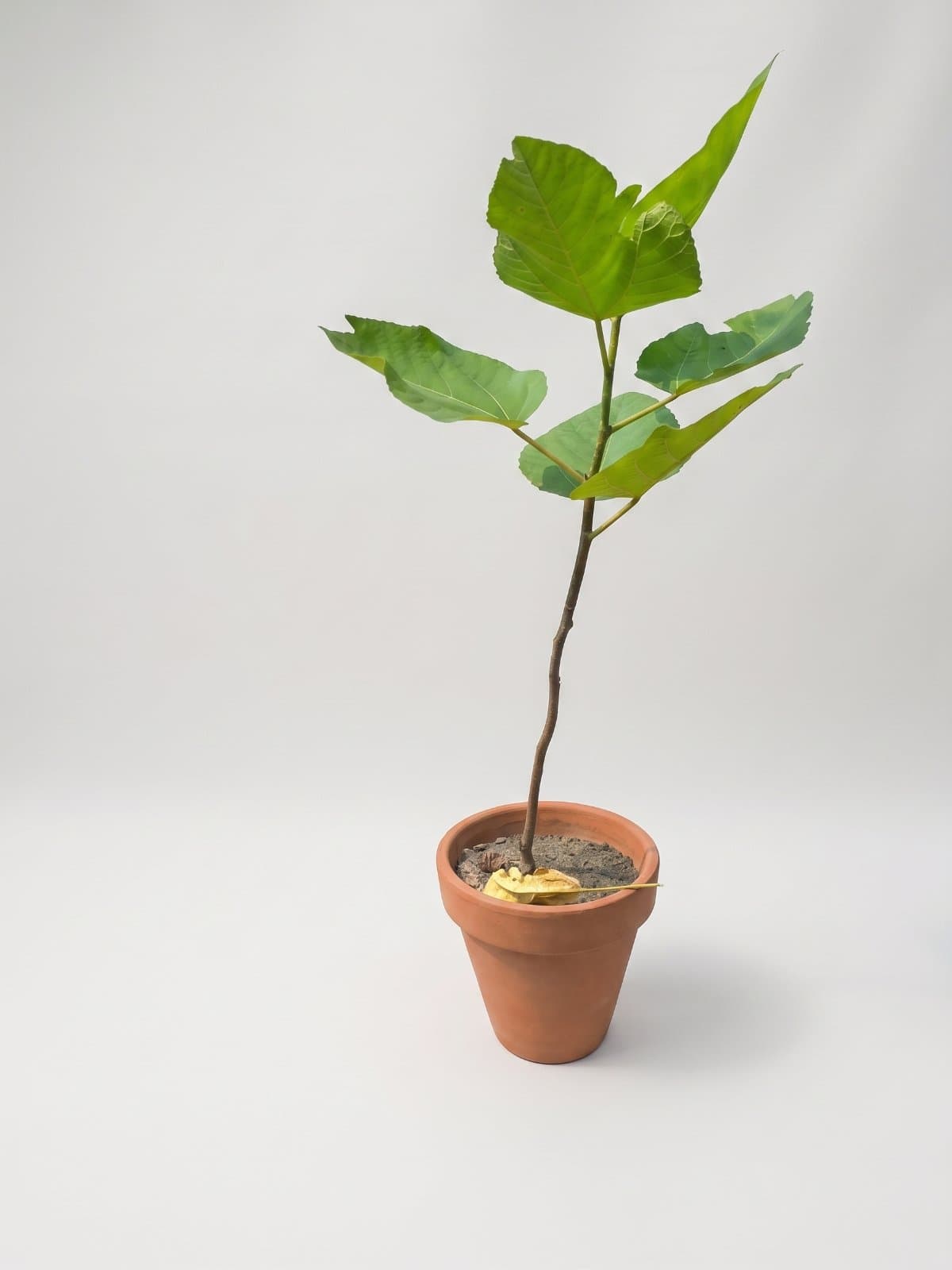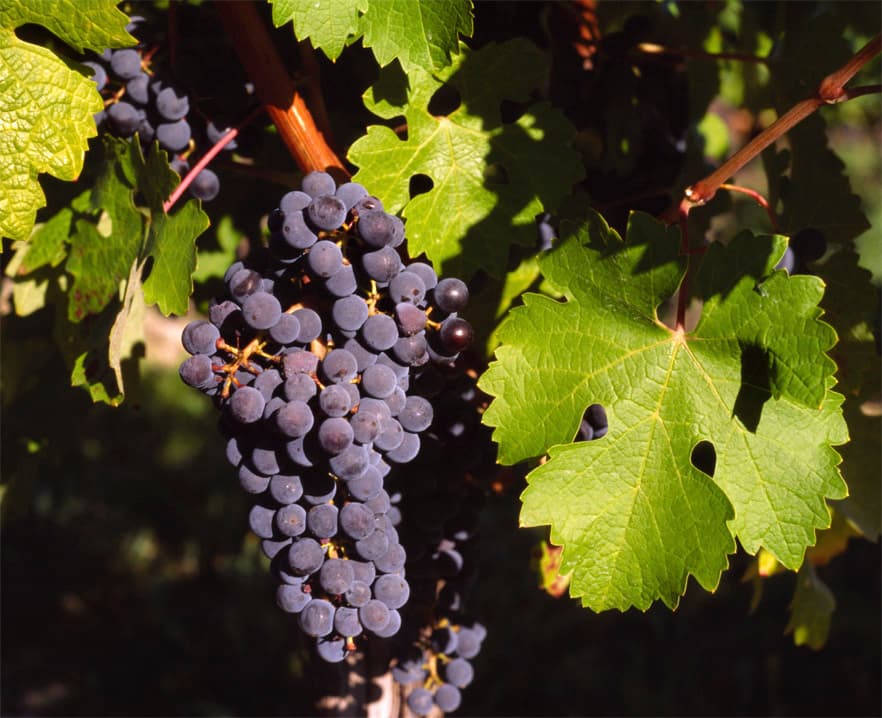
Growing grapes in Pakistan is easier than most people think: one grape plant (angoor ki bel) trained over a Lahore courtyard, wall or rooftop can give you sweet bunches every summer and a green roof of shade to sit under. The vine (Vitis vinifera) loves our hot, dry spring and dislikes only our monsoon.
Growing grapes in Lahore: the monsoon rule
Grapes flower here in March and April and ripen from late May into June. The monsoon usually reaches Lahore in the first week of July, and warm, wet weather is exactly what grape fungus loves; rain on ripe berries also splits them and dilutes their sweetness. The Punjab Agriculture Department puts it plainly: central and northern Punjab suit grapes, but a long monsoon at ripening can ruin the crop, so only early varieties succeed.
That is why NARC researchers in Islamabad recommend early types for Punjab, such as Perlette (green), King's Ruby (red) and Flame Seedless, which can be picked by the end of June. Balochistan's famous Sundar Khani and Kishmishi grapes grow around Quetta, where there is no monsoon to dodge. As for our own grape vines, we don't sell them under a variety name; if the variety matters to you, message us on WhatsApp and ask about the vines at the farm right now. The care below is the same either way.
Sun, support and when to plant your grape plant
Give the vine at least 6–8 hours of direct sun; sun is what turns sour berries sweet. It also needs something to climb from day one:
- A pergola or porch frame: the classic courtyard vine, shady in summer and sunny in winter once the leaves drop.
- A boundary wall: three horizontal wires about 45 cm (18 inches) apart, held 10–15 cm off the wall so air moves behind the leaves.
- A rooftop (chhat) trellis: an iron-pipe frame over a big pot or brick bed, well anchored against summer storms; see our rooftop and balcony gardening guide.
When to plant: the traditional window is the dormant season, December to mid-February, and the Punjab Agriculture Department advises finishing by 15 February, before the buds break. A vine already growing in a nursery pot can go in earlier, from mid-October once the heat breaks, so its roots settle before winter. Avoid the May–June heat.
Planting in the ground or in a pot
Grapes aren't fussy about soil but hate wet feet, and Lahore's heavy soil holds water. Dig a hole about 60 cm (2 feet) wide and deep and mix the soil with a third well-rotted compost or old gobar (never fresh), plus coarse sand if it is clayey. Plant at the depth it sat in its pot, water deeply, and tie the stem to a stake leading up to the support. Space vines 2–3 metres (7–10 feet) apart along a wall.
In a pot: use at least an 18-inch pot, ideally 24 inches across and deep, with a frame fixed in it. Use roughly half garden soil, a quarter compost and a quarter coarse sand, and choose terracotta or cement over thin black plastic, which cooks roots on a hot roof. A potted vine crops less than one in the ground, but it does fruit; our guide to fruit plants for pots and small spaces covers container watering and feeding.
Training and winter pruning, made simple
Skip this and a vine becomes a leafy tangle with a few small, sour bunches. Grapes fruit on this year's new shoots, which grow from buds on last year's wood, so a firm winter prune is what gives you fruit:
- Year 1: tie the strongest shoot straight up the stake as the trunk, rub off other low shoots, and pinch off any flowers so the plant builds roots.
- First January: cut the trunk back to firm, pencil-thick wood just below where you want it to branch, such as the first wire or the top of the pergola post.
- Year 2: train two shoots from the top along the wire, one each way, or across the pergola. These are the permanent arms.
- Every January after that: cut last summer's shoots on the arms back to stubs of 2–3 buds, roughly a hand apart, and remove dead and crossing wood. The new shoots from those buds carry the bunches.
Prune while the vine is bare and finish before the buds swell in February. If a vine gives few bunches after short pruning, it may be a variety that fruits further along the cane, so next winter leave one or two canes of 6–8 buds.
Watering and feeding through the year
- December–January: the vine rests; water only when the soil is dry a few inches down.
- February–April: after pruning, spread compost or rotted gobar around the base and water regularly; keep the soil evenly moist, never flooded, through flowering.
- April–May: the berries swell and the vine is thirsty, so water deeply (a roof pot may need it daily in May). A potash-rich fruit feed helps; urea and other high-nitrogen feeds give leaves instead of fruit.
- Late May–June: once the berries soften and colour, cut back the water; too much now dilutes the sugar and splits the fruit. A pot in 45 °C heat still needs small, even drinks, just not floods.
- July–November: the rains do most of the work; just make sure water drains away.
Problems: mildew, birds, wasps and split berries
- Powdery mildew: a white, dusty coating on leaves and young bunches in spring. Keep the vine open: thin crowded shoots, pinch shoot tips a couple of leaves past the last bunch, and strip a few leaves around the bunches. A sulphur fungicide from an agri store works, but spray in the cool of early morning, as sulphur can scorch leaves above about 30 °C.
- Downy mildew: yellowish, oily patches on top of the leaves with white down beneath, mostly in the humid monsoon. Protect the leaves: remove the worst, water the soil rather than the foliage, and keep the vine airy.
- Birds and wasps: bulbuls, mynas and wasps (bhirr) find ripe grapes first. When the berries start to colour, tie each bunch into a paper, mesh or muslin bag; never plastic, which rots the fruit.
- Mealybugs: white, cottony clusters under loose bark and in bunches, often tended by ants. Scrape off loose bark in winter, hose colonies off or use a neem-oil spray, and keep ants off the trunk.
- Split berries: heavy rain or a big watering after a dry spell cracks ripe berries, which then draw wasps and rot. Even watering, early picking and bagging all help; it is the same rule that stops figs splitting in our guide to growing figs (injeer).
A calm note for dog owners: grapes and raisins are poisonous to dogs, even in small amounts, so sweep up fallen berries and don't share the harvest with your dog.
Common questions
When is the best time to plant grapes in Lahore?
December to mid-February, while the vine is dormant; the Punjab Agriculture Department advises finishing by 15 February. A vine already growing in a nursery pot can go in from mid-October.
Can I grow grapes in a pot on my roof?
Yes. Use a pot at least 18 inches across, give it full sun and a sturdy frame, and water evenly, because rooftop pots dry out fast.
How long until a grape vine fruits?
Expect the first few bunches in the second or third summer and a proper crop from the third year on.
Why are my grapes sour or splitting?
Sourness usually means too little sun, too many bunches on a young vine, or picking too early; grapes don't sweeten once cut, so taste one first. Splitting comes from rain or heavy watering at ripening, so ease off the water and pick before the monsoon.
Ready to grow your own angoor? We grow our Grape Vine (Angoor) on our own farm in Jallo More, Lahore, and it costs Rs 250. Just message us on WhatsApp to reserve one, then pick it up at the farm or have it delivered anywhere in Lahore. For more fruit ideas, see our guide to fruit trees for Lahore gardens or browse our plants.
Photo: BerndtF, CC BY-SA 3.0, via Wikimedia Commons.