The crown of thorns plant (Euphorbia milii) is one of the few flowering plants that genuinely enjoys a Lahore summer. On a rooftop baking at 45°C or a west-facing balcony where roses sulk, it keeps its leaves and keeps producing small clusters of colour.
It asks for plenty of sun, very little water, a warm corner on the coldest nights and some respect for its thorns and milky sap. Here is how we look after it at the farm, season by season.
What a crown of thorns plant is (and what to expect from yours)
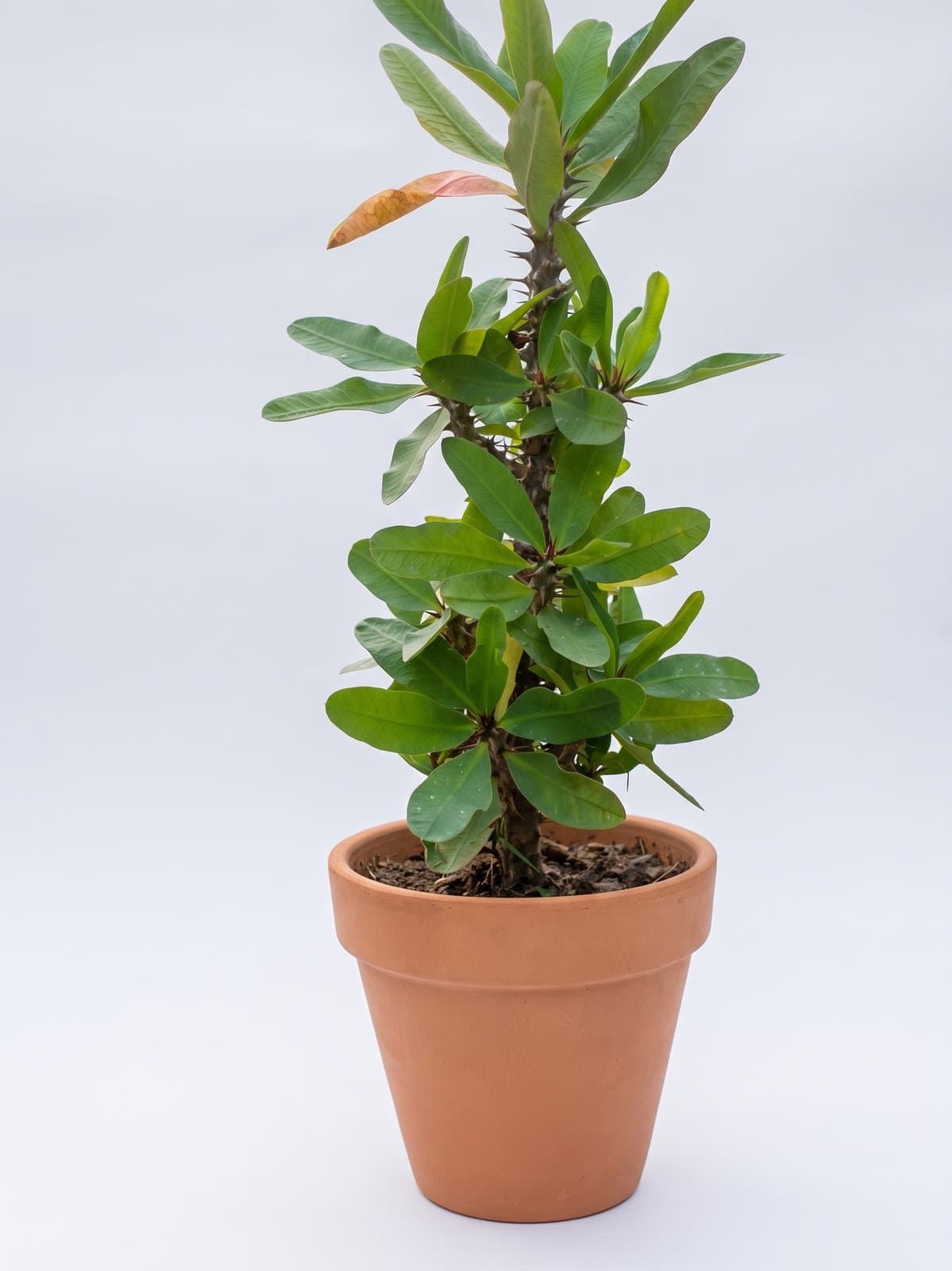
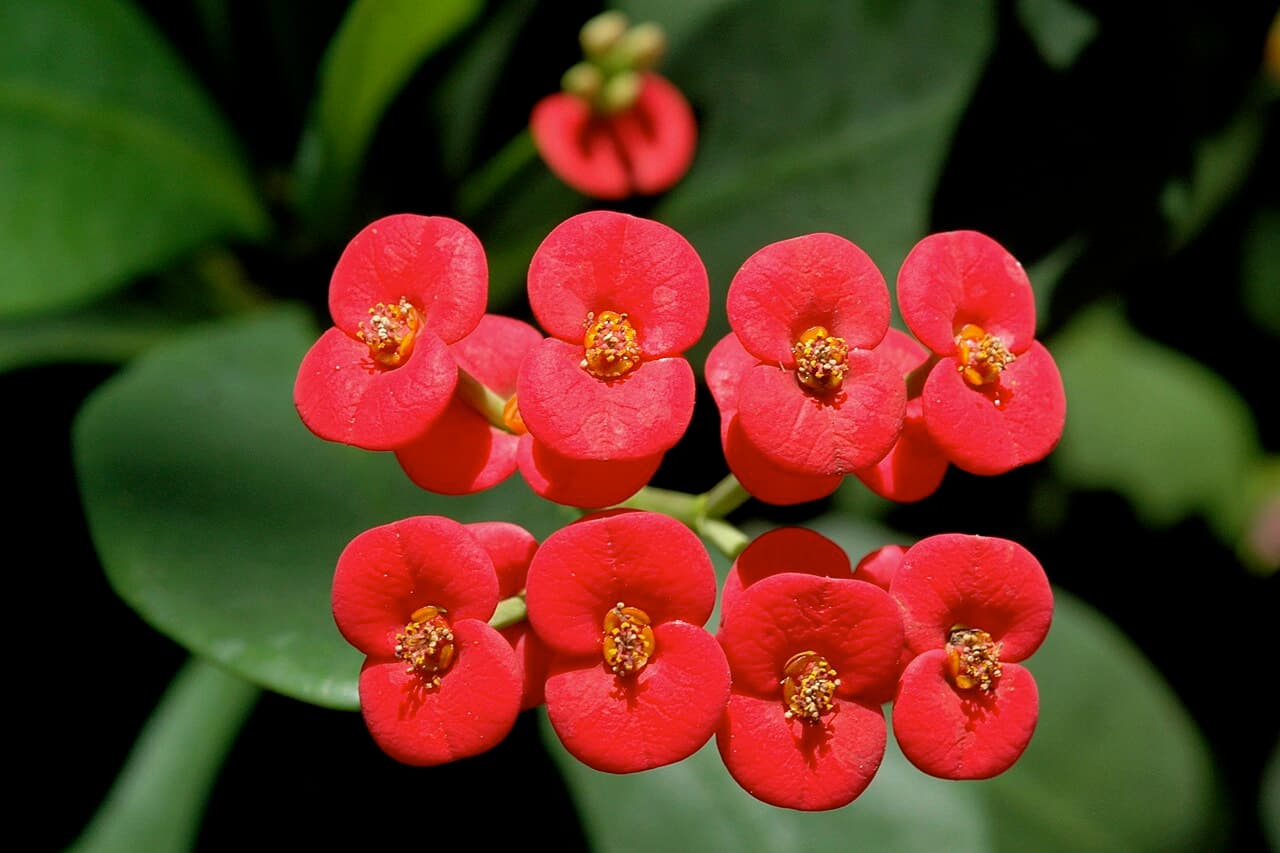
Crown of thorns comes from the dry, rocky hills of Madagascar. It is a woody succulent shrub whose thick, thorny stems store water like a cactus. Leaves grow only on new growth near the tips, so older stems look bare lower down; that is normal. The “flowers” are really coloured bracts around a tiny true flower, which is why they last so long, and they come in red, pink, yellow or creamy white.
An honest word about our Crown of Thorns: it is a young, leafy plant and may not be in flower when you take it home. Once it settles into strong sun it starts to bloom, and in warm weather it flowers on and off for much of the year. We can't promise a particular colour, so let the first flush surprise you.
Sun, soil and the right pot
Give it at least six hours of direct sun a day; in shade it grows leggy and hardly flowers. It suits exactly the spots where other plants struggle: hot rooftops, south- or west-facing balconies, and the wall by the gate (set back from where people pass, because of the thorns). Our rooftop and balcony gardening guide covers pots and drainage up top.
Heat does not bother it, but a small pot on hot concrete can cook the roots in June, so use a decent-sized pot raised on a couple of bricks. If your plant came from a shadier spot, move it into full sun over a week.
- Soil: garden soil alone holds too much water. Mix two parts potting mix to one part coarse sand, plus some brick rubble or perlite.
- Pot: it must have a drainage hole, and terracotta dries faster than plastic; see how to choose the right gamla.
- Feeding: a light, diluted liquid feed once a month from March to September, and none in winter.
Watering through a Lahore year
Water deeply in the morning, then let the soil dry before watering again, and never leave the pot sitting in a saucer of water. Far more of these plants die from overwatering than from drought: the roots rot and the leaves yellow and fall. Our cactus care guide explains the same soak-and-wait habit.
- March to June: water when the top two or three centimetres of soil are dry. For a pot in full sun in May and June that is often every five to seven days, sooner for a small pot on a hot roof.
- July to September: monsoon rain and humidity may do the job for you. Water only once the soil has dried, and move the pot under an eave if heavy rain keeps filling it.
- October and November: cut back gradually as the days cool.
- December to February: once every two to three weeks, just enough to stop the stems shrivelling. Cold, wet soil is what kills this plant.
Getting through Lahore's winter nights
Crown of thorns is happiest above about 10°C. Below that it slows down and often drops leaves, and near freezing, especially in wet soil, the stems can be damaged. Lahore's December and January nights often fall to 3–7°C, with the odd light frost, so:
- On cold nights, move the pot against a warm, sheltered wall, under a verandah, or indoors beside your brightest window.
- Keep the soil almost dry; dry roots handle a cold night far better than wet ones.
- Give it all the daytime sun you can, since fog and smog already cut the light.
- Don't panic over a few bare stems in January; new leaves return in February and March.
Sap, thorns, pruning and cuttings
Like all euphorbias, crown of thorns bleeds a milky white sap (latex) from any cut stem. The sap irritates skin and can harm the eyes, and the plant is toxic if eaten; the ASPCA lists it as toxic to cats and dogs, causing drooling, mouth irritation and vomiting. That is no reason to avoid it, only to handle and place it sensibly:
- Wear gloves (ideally glasses too) when you prune or repot, and wash your hands afterwards.
- Wash sap off skin with plenty of water. If it gets in an eye, rinse well and see a doctor.
- Keep it out of reach of small children and pets. Our pet-safe plants guide suggests gentler choices for homes with animals.
Pruning: in February or March, cut a leggy stem just above a leaf joint; it branches below the cut and grows bushier. Cool water on the cut slows the sap.
Cuttings: take a 10–15 cm tip, rinse off the sap and leave it in the shade for two or three days until the cut end dries and seals. Then plant it in a dry, gritty mix and water lightly. In warm weather (March to May, or September and October) it roots within a few weeks.
Common crown of thorns problems
- Dropping leaves: cold, a sudden move, or too much or too little water. A newly bought plant may also shed a few as it settles in.
- Soft, dark stem base: root rot. Stop watering and let the pot dry out; if the base has gone mushy, root a healthy tip instead.
- White cotton in the leaf joints: mealybugs. Wipe them off with a cotton bud dipped in rubbing alcohol, weekly until they are gone.
- No flowers: almost always too little sun.
Common questions
Why is my crown of thorns dropping leaves?
Usually cold nights, soil that stays wet, or a pot left bone dry in the heat. If the stems are still firm, fix the watering or warmth and new leaves will follow.
Is crown of thorns poisonous?
Yes, it is toxic if eaten, and its milky sap irritates skin and eyes. Wear gloves when pruning and keep it away from small children, cats and dogs.
How often should I water crown of thorns in summer?
Roughly every five to seven days for a pot in full sun in May and June, but only once the top few centimetres of soil are dry. In the monsoon, water less.
Can crown of thorns live indoors?
Only right beside a very bright, sunny window. In an ordinary room it drops leaves and stops flowering, so keep it outdoors and bring it in only on the coldest nights.
Why isn't my crown of thorns flowering?
Most often it needs more sun, six hours or more a day. Too much water or a nitrogen-heavy feed also gives you leaves instead of blooms, and a young plant may need a few weeks to settle first.
We grow the Crown of Thorns on our own farm in Jallo More, Lahore, and it costs Rs 350: a young, leafy plant ready for your sunniest spot. Just message us on WhatsApp to reserve one, then pick it up at the farm or get it delivered anywhere in Lahore. For more heat-proof plants, read our guide to drought-tolerant plants for a Lahore summer, or browse all our plants.
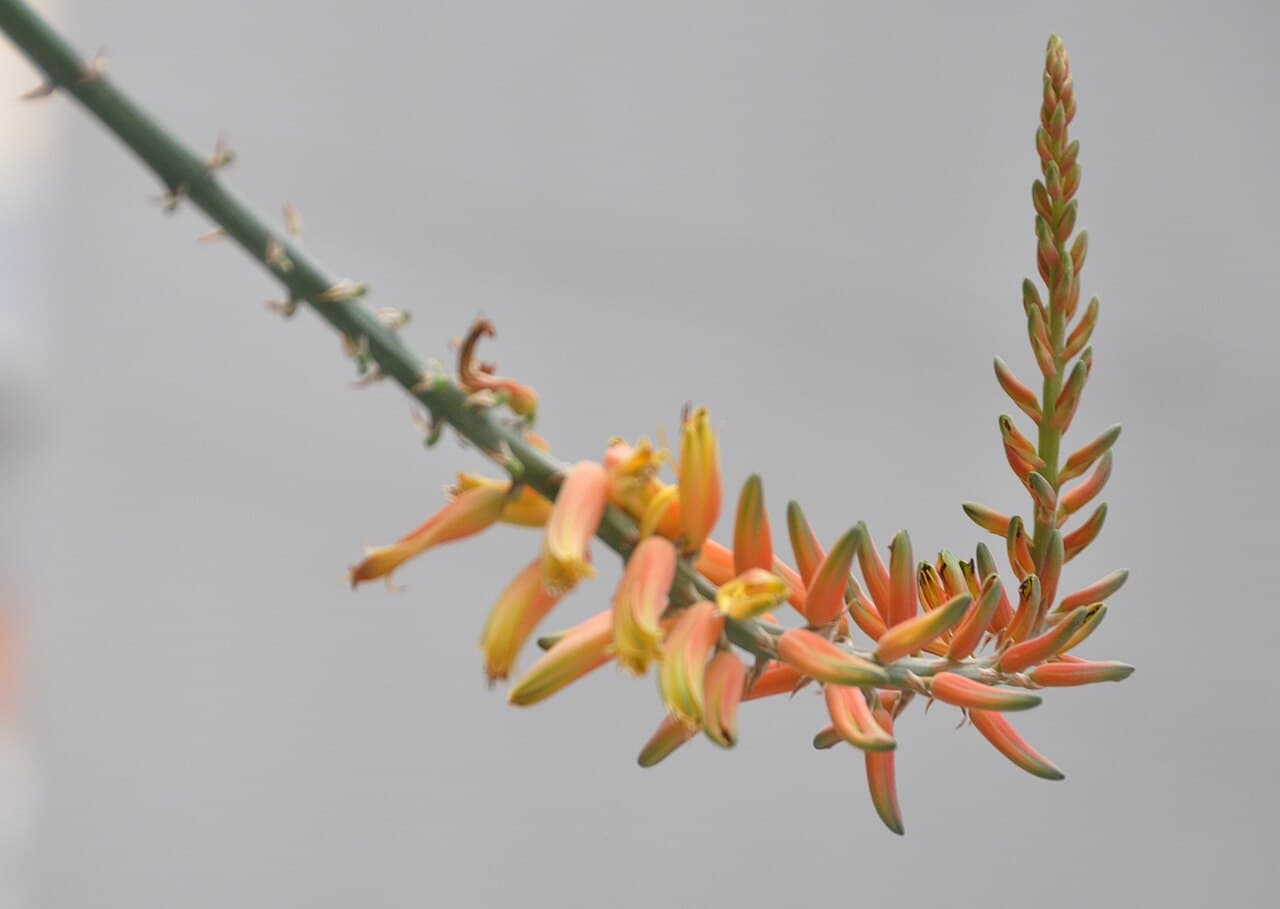
Photo: Ezra Katz, CC BY-SA 3.0, via Wikimedia Commons.