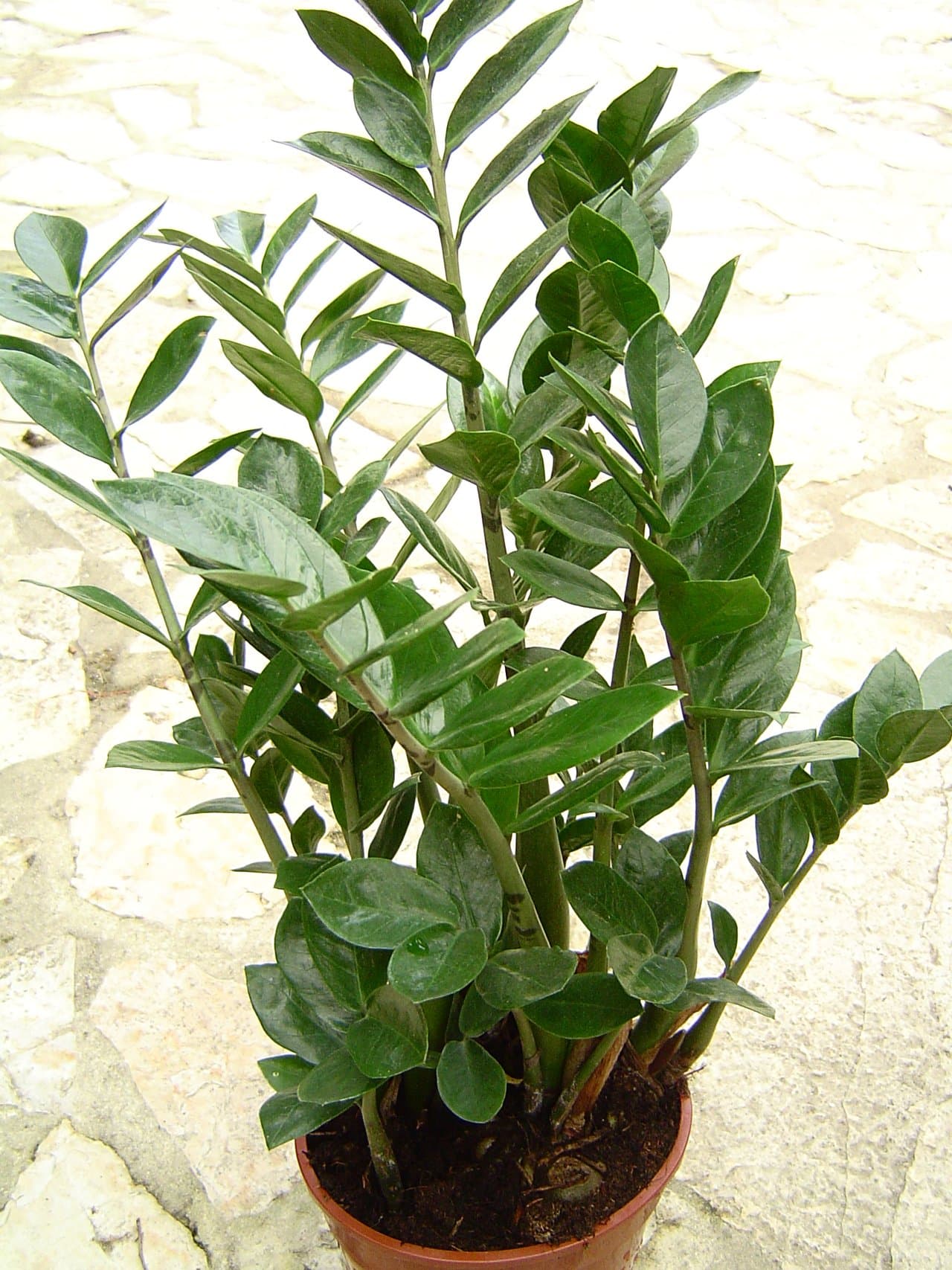
The ZZ plant (Zamioculcas zamiifolia) is about as close to an unkillable houseplant as you can find, which is exactly why it has become a favourite for busy Lahore homes, dim offices and that dark corner where nothing else will grow. Its glossy, dark-green, almost waxy leaves are so polished they are often mistaken for plastic, and the plant asks for so little that people who swear they "kill every plant" tend to keep this one thriving for years.
The secret is underground. The ZZ plant grows from fat, potato-like rhizomes that store water and food, so it sails calmly through weeks of neglect. That same talent is the one thing you must respect: a ZZ plant is far more likely to be killed by kindness — too much water — than by forgetfulness.
Light — a plant that genuinely likes the shade
This is the ZZ plant's party trick: it tolerates low light better than almost any other indoor plant. A north-facing room, an inner hallway, a windowless office lit only by tube-lights — it will keep its handsome green in all of them. Bright, indirect light will make it grow a little faster and fuller, so a spot a few feet back from a sunny window is ideal. The one thing to avoid is harsh, direct Lahore sun through glass, which can scorch and bleach the glossy leaves. If a corner feels too dark for you to read a newspaper comfortably, the ZZ plant will still manage there.
Watering — the one rule that keeps it alive
If you remember nothing else, remember this: let the pot dry out completely before you water again. Those water-storing rhizomes mean the plant would far rather be bone dry than soggy. Overwatering is the single biggest killer — it quietly rots the rhizomes underground, often before a single leaf looks unwell.
- Push a finger deep into the soil and water only when it is dry all the way down.
- In our hot months that is roughly once every two to three weeks; in winter, once a month or even less.
- When you do water, soak it well and let every drop drain from the bottom — never leave the pot standing in a saucer of water.
- Yellowing, mushy stems at the base almost always mean too much water, not too little.
When in doubt, wait another few days. A thirsty ZZ plant recovers in hours; a waterlogged one may be beyond saving.
Soil, pot and feeding
Give it a fast-draining, gritty mix — ordinary potting soil loosened with plenty of coarse sand or perlite, or a ready-made cactus and succulent mix. Always use a pot with a drainage hole; a sealed decorative pot with nowhere for water to escape is the quickest way to rot the rhizomes. A snug pot is fine, as the plant is happy a little crowded and grows slowly, so you will only need to repot every couple of years when the rhizomes begin pushing at the sides. Feeding is almost an afterthought: a weak dose of general houseplant fertiliser once or twice through spring and summer is plenty, and none at all in winter.
Slow growth and easy propagation
The ZZ plant is a patient grower — expect a few new stems a year rather than a jungle, which is part of why it stays neat and undemanding. When you want more plants, it is generous in two ways. The easiest is division: at repotting time, gently pull the clump apart so each piece keeps a rhizome and a few stems, then pot them up separately. You can also propagate from a single leaf — snip a healthy leaf, let the cut end dry for a day, then press it into barely-damp gritty soil and wait. Leaf propagation is slow, sometimes taking several months to form a tiny rhizome, but it works, and it costs nothing.
Toxic to pets and children — a quick safety note
One honest caution: every part of the ZZ plant contains calcium oxalate crystals, so it is mildly toxic to cats, dogs and people if the leaves are chewed or swallowed. It is not usually dangerous or deadly, but a curious pet or toddler who bites a leaf can get a burning mouth, drooling, vomiting and an upset stomach. Keep it up on a shelf or high table, out of reach of nibbling pets and small children, and wash your hands after taking cuttings. If a pet swallows a good amount, ring your vet to be safe. If you want a genuinely gentle low-light corner instead, our best office desk plants guide points to safer options.
Common questions
Will a ZZ plant really survive in a dark office with no window?
Yes, better than almost anything else — it copes happily with only tube-light or a far-off window, which is why it is a favourite for reception desks and inner rooms. It will not grow much in deep shade, but it will stay green and healthy. For more picks that handle a low-light workplace, see our best office desk plants.
Where can I buy a ZZ plant in Lahore, and is it expensive?
Good ZZ plants come and go at nurseries here, and because they grow slowly a well-established one usually costs a little more than a fast grower of the same size. We do not always keep them at the farm, but message us on WhatsApp and we will tell you honestly what is available and try to arrange a healthy plant for you on order.
Is the ZZ plant safe around cats, dogs and children?
Treat it as mildly toxic. The leaves and stems hold calcium oxalate crystals that sting the mouth if chewed, causing drooling, vomiting and irritation in pets and people. It is rarely serious, but keep it out of reach and call a vet if a pet eats a lot. If you need a fully pet-friendly setup, ask us and we will steer you to gentler plants.
Why are my ZZ plant's leaves turning yellow?
Nine times out of ten it is overwatering and the beginnings of rhizome rot. Stop watering at once, move it into brighter indirect light, and let the soil dry out fully; if the pot has no drainage hole, repot into gritty mix straight away. Occasional yellowing of only the oldest leaves is normal ageing and nothing to worry about.
The ZZ plant is one of the toughest indoor plants there is, but if we cannot arrange one right away, do not wait to green your home — the equally forgiving money plant is a lovely, low-effort choice we usually keep in stock, and the striking snake plant is another near-unkillable favourite for busy people. To track down a ZZ plant, or any of these, just message us on WhatsApp and we will help you pick the right tough plant for your space.