Few plants are as loved in the subcontinent as tulsi. Holy basil grows in courtyards and by doorways, goes into kahwa and home remedies, and carries deep cultural and religious meaning. It is also having a modern moment as a "wellness" herb. As with any health plant, it is worth separating what tradition says from what the research actually shows — so here is an honest look at tulsi's benefits, its cautions, and how to grow your own.
First, what is tulsi?
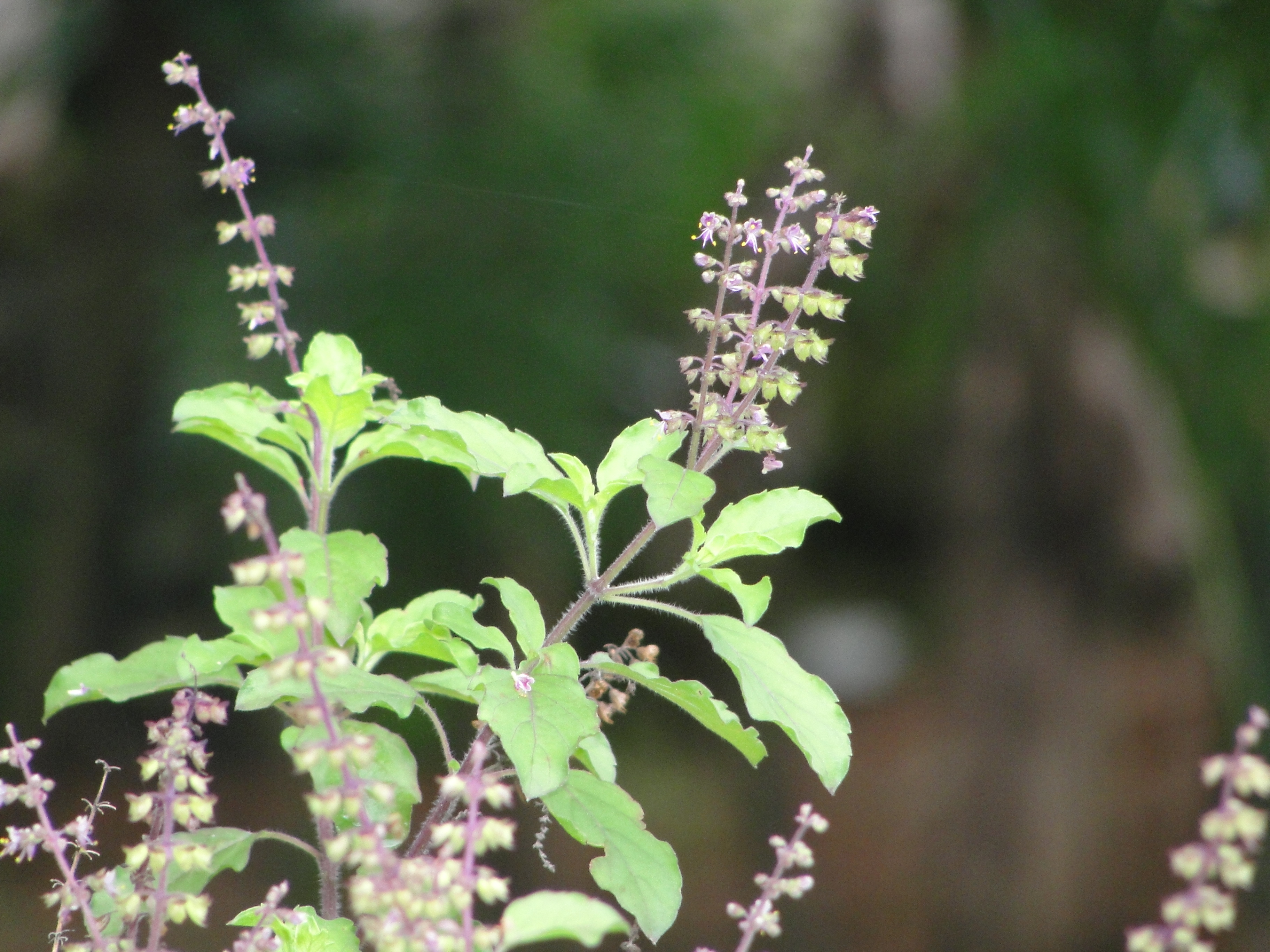
Tulsi — holy basil, Ocimum tenuiflorum — is an aromatic relative of the basil we cook with, but with a stronger, clove-like scent. In our region the leaves are chewed fresh, steeped as tea, or added to home kahwa. It is a small, bushy perennial herb that grows easily in a pot or a garden bed and sends up spikes of tiny, purple-tinged flowers.
The benefits — honestly graded
Long tradition, growing interest. Tulsi has been used in traditional medicine for centuries, and it is classed as an "adaptogen" — a herb thought to help the body cope with stress. Modern researchers have taken an interest, and the early findings are genuinely promising.
Where the research is promising (but not proven). Small human studies and laboratory work suggest tulsi may help:
- Lower blood sugar — some small trials show a modest drop in fasting blood glucose.
- Improve cholesterol — a possible reduction in "bad" LDL cholesterol.
- Ease stress and anxiety — the adaptogen effect, with some trials reporting a calmer mood.
- Nudge blood pressure down a little.
Read that carefully. Most of these studies are small, short, or done in the lab rather than on people — encouraging signals, not settled facts. Tulsi is a supportive herb, not a treatment. It is not a substitute for your diabetes, cholesterol or blood-pressure medicine, and you should not stop any prescribed medicine in order to take it.
Important cautions (please read)
Tulsi as an occasional tea or a few fresh leaves is safe for most people. Concentrated, daily or medicinal amounts are where care is needed:
- Pregnancy and trying to conceive — avoid. Animal studies have shown that tulsi can interfere with implantation and has a mild, reversible anti-fertility effect. If you are pregnant, breastfeeding, or trying to conceive, do not take medicinal amounts of tulsi.
- Thyroid. Tulsi may lower thyroxine (thyroid hormone) levels, so it is best avoided in large amounts if you have an underactive thyroid (hypothyroidism).
- Blood thinners and bleeding. Tulsi may slow blood clotting. If you take blood-thinning medicine, have a bleeding disorder, or are due for surgery, check with your doctor first.
- Blood sugar and blood pressure medicine. Because tulsi can lower both, taking it alongside medication for them could push your levels too low — monitor, and speak to your doctor.
How to grow tulsi at home
The good news: tulsi is easy, and it loves our climate.
- Sun. Give it full sun — at least five to six hours a day. A sunny balcony, windowsill or rooftop is ideal.
- Pot and soil. A medium pot with drainage holes and ordinary well-draining potting soil is all it needs. It grows just as happily in the ground.
- From seed or cutting. Sow seeds in the warm months, or root a soft cutting in water and pot it up. It establishes quickly.
- Water. Keep the soil lightly moist in summer, watering when the top feels dry — but never let it sit in water. Ease off in winter.
- Pinch the flowers. To keep the plant bushy and the leaves plentiful, pinch off the flower spikes as they form. Let a few go to seed at the end of the season if you want new plants.
- Winter. Tulsi dislikes hard cold. On frosty Lahore nights, move potted plants to a sheltered spot or bring them indoors.
Common questions
Is it safe to drink tulsi tea every day?
For most healthy adults, a cup of tulsi tea a day is fine. Avoid daily medicinal amounts if you are pregnant, trying to conceive, have a thyroid condition, or take blood thinners — and check with your doctor.
Does tulsi really lower blood sugar?
Some small studies suggest a modest effect, which is promising but not proven. Treat it as a helpful herb, not a replacement for diabetes medicine, and monitor your levels if you take both.
Who should not take tulsi?
Anyone pregnant, breastfeeding or trying to conceive; people with hypothyroidism; and anyone on blood-thinning medicine or with a bleeding disorder should avoid medicinal amounts and speak to a doctor first.
Can I grow tulsi indoors?
Yes, on a bright, sunny windowsill. It needs several hours of direct light a day, so choose your sunniest window.
Want to grow your own? Tulsi isn't something we keep in stock, but we can source a healthy plant for you on order — just message us on WhatsApp. And if you'd like an easy, hardy indoor plant we always have ready at the farm, try our Money Plant.
This article is general information, not medical advice. Talk to a qualified doctor before using tulsi to treat any condition, especially if you are pregnant, breastfeeding, trying to conceive, have a thyroid condition, or take any regular medication.