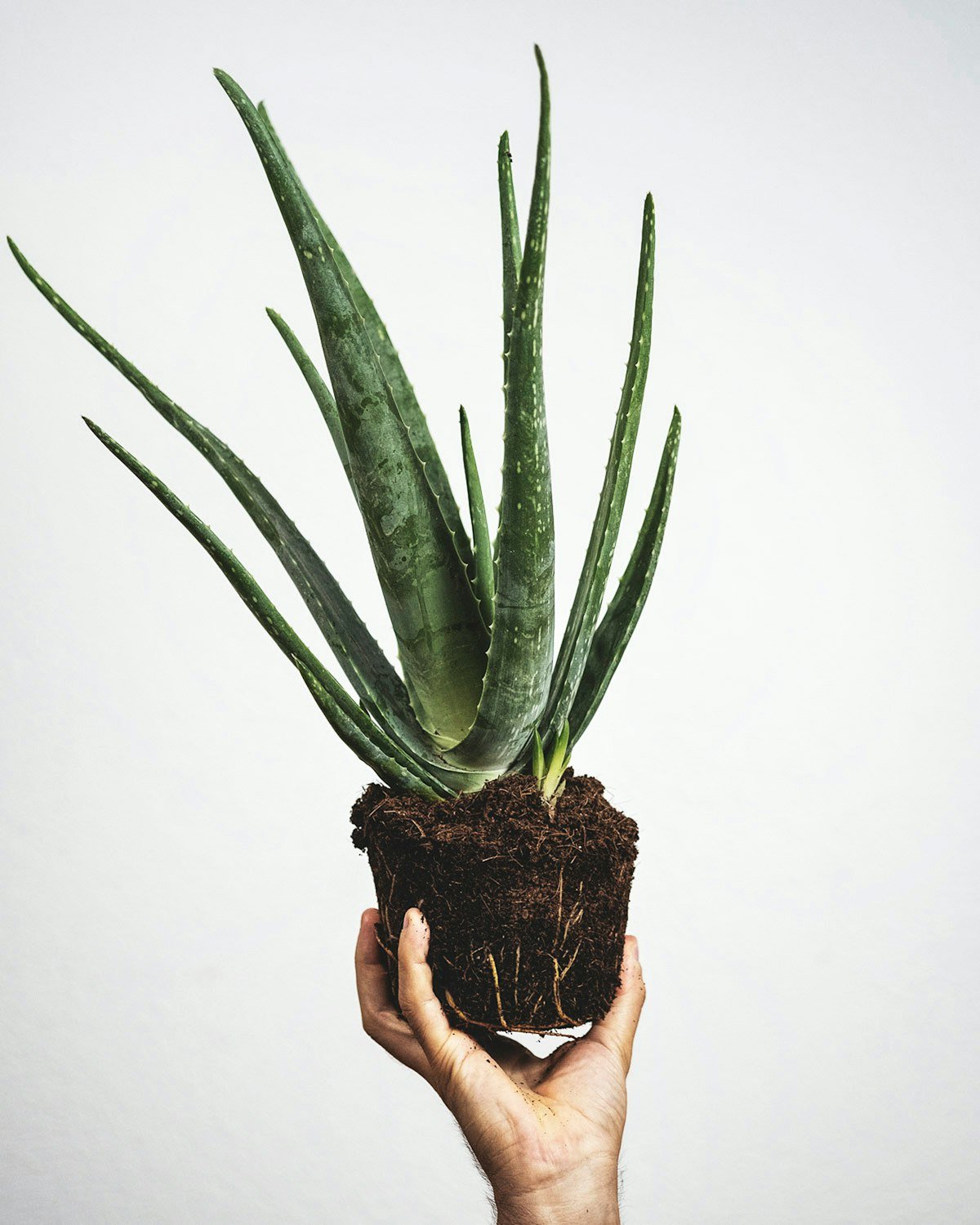
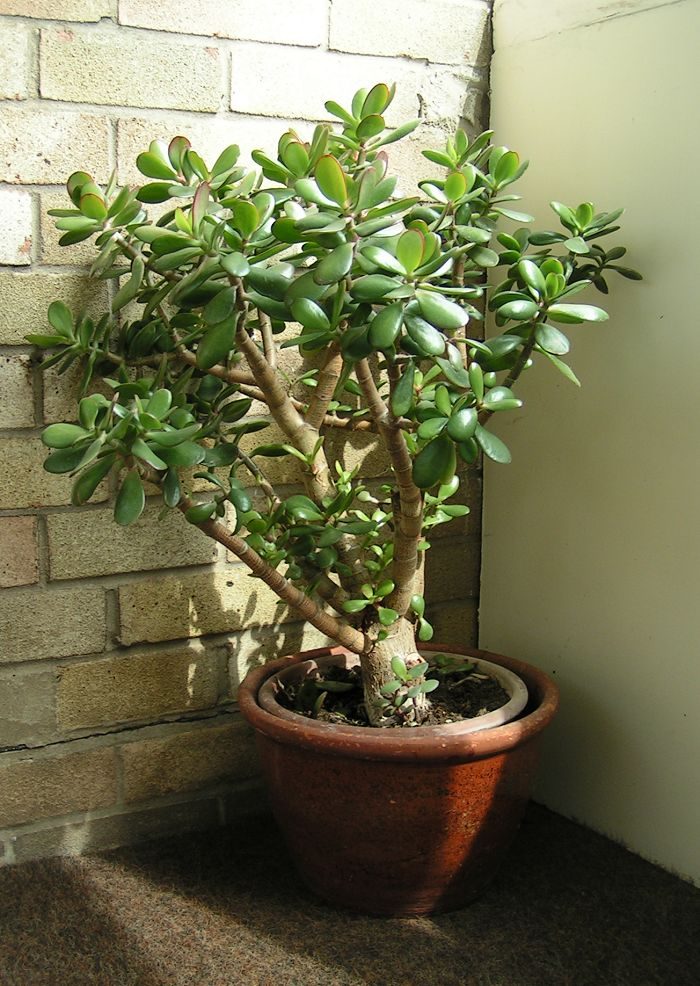
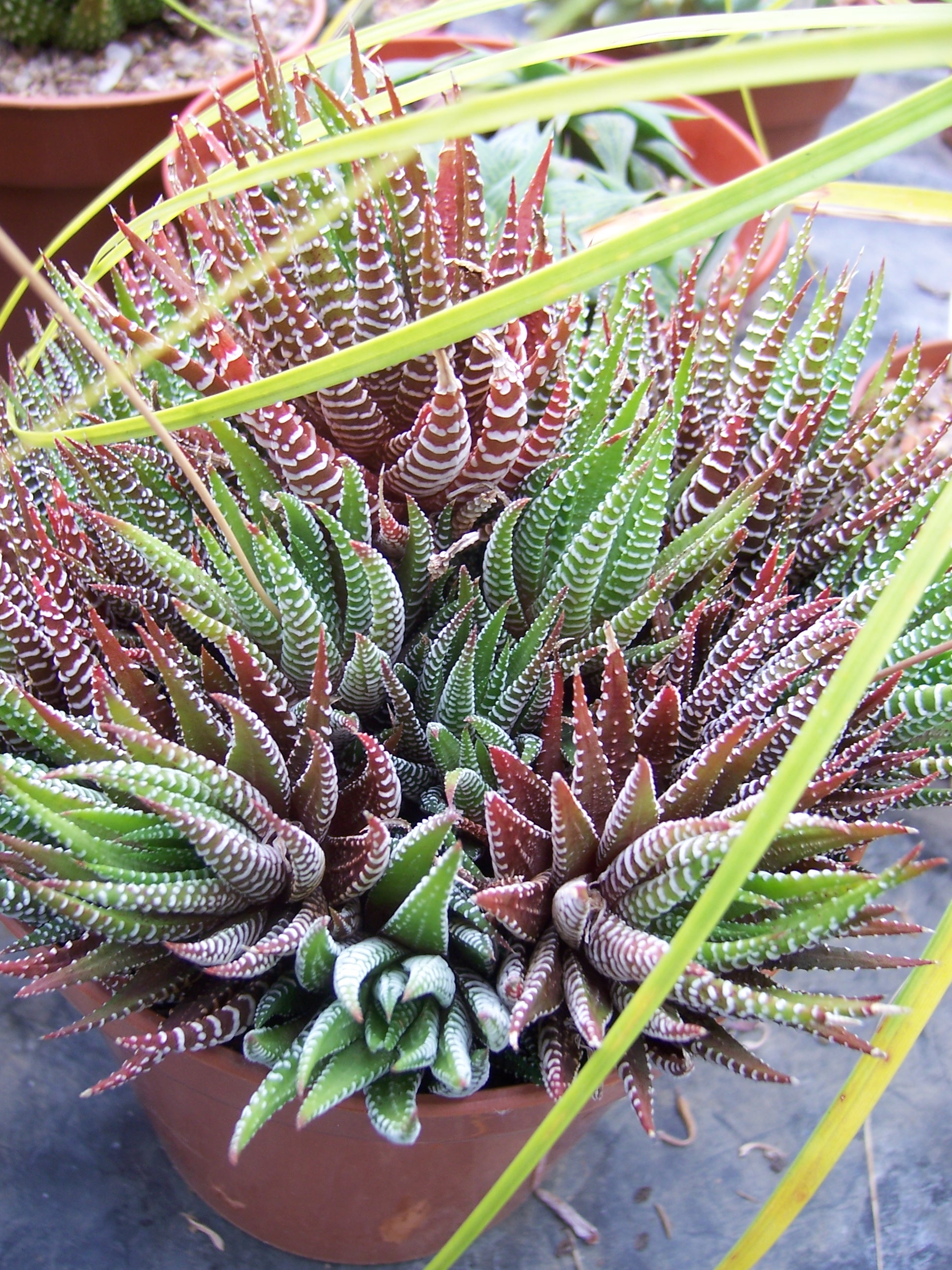
The aloe vera plant earns its place in almost any Pakistani home twice over: it is one of the toughest, lowest-care plants you can grow, and a snapped leaf gives you clear gel that soothes a kitchen burn or dry skin on the spot. Here is an honest look at what aloe really does for you, one safety warning that matters, exactly how to grow and care for it in our climate, and how to get a plant of your own.
Why keep an aloe vera plant at home
For your skin (well supported). This is aloe's real strength. The clear gel genuinely soothes minor burns, sunburn, small cuts and dry, irritated skin. It cools, calms redness and helps skin heal — which is why it turns up in so many creams and after-sun gels. For a small kitchen burn, fresh gel straight from a leaf is time-tested first aid.
For your mouth (promising). Aloe mouthwash and gel have shown benefits for gum comfort and mouth-ulcer relief in several studies — a genuinely useful, lower-risk way to use it.
As an easy green plant. Even setting the gel aside, aloe is a handsome, architectural succulent that thrives on neglect, freshens a little of your indoor air, and multiplies itself into free plants you can gift.
For blood sugar (unproven). You will read that aloe "lowers blood sugar." A few small studies hint at it, but results are inconsistent and it is not a treatment for diabetes. Never replace your medicine with it.
One important safety warning
There are two very different substances in an aloe leaf: the clear gel (safe on skin) and the yellow latex just under the skin of the leaf. The latex is a harsh laxative and is not safe to swallow:
- Taken by mouth it can cause cramps, diarrhoea and dehydration, and in larger or repeated doses it can damage the kidneys.
- The US FDA removed aloe latex from over-the-counter laxatives for lack of safety evidence, and non-purified aloe extract has been linked to cancer in animal studies.
- Pregnant and breastfeeding women should not take aloe internally, and no one should take aloe latex.
In short: use the clear gel on your skin freely; treat eating or drinking aloe as something to do only with proper, purified products and a doctor's advice — never home-scraped leaf latex.
How to grow and care for aloe vera in Pakistan
This is the easy part — in our climate aloe practically grows itself. Give it these five things and it will thrive for years.
- Light. Bright light, ideally a few hours of direct sun. Indoors, a sunny windowsill; outdoors, morning sun with shelter from the harshest afternoon summer heat, which can scorch the leaves brown.
- Soil and pot. A sandy, fast-draining mix (cactus or succulent soil, or ordinary soil cut with sand) in a pot with a drainage hole. Aloe hates sitting in wet soil more than anything else. A clay pot is ideal because it breathes and dries faster.
- Water. Deeply but rarely. Let the soil dry out completely between waterings — roughly every two to three weeks in summer, and almost nothing in winter. Overwatering is the single most common way people kill aloe.
- Feeding. Barely needed. A weak dose of general fertiliser once in spring and once in summer is plenty.
- Winter. Protect from frost. On the coldest nights, move pots under cover or against a wall.
Free new plants. A healthy aloe pushes out baby plants ("pups") around its base. Once a pup has a few leaves, gently separate it with some roots and pot it up — free aloes to keep or give away. Repot the mother plant into a size-larger pot every couple of years, once it fills its pot.
Common aloe problems, and the fix
- Leaves turning soft, mushy or yellow. Almost always overwatering. Stop watering, let the soil dry fully, and check the pot drains freely.
- Leaves thin, curling or puckered. Too little water or too little light. Water deeply once, then move it somewhere brighter.
- Leaves going brown or reddish. Sunburn from harsh afternoon sun, or cold stress in winter. Give a little shade at the peak of summer; protect from frost in winter.
- Drooping, flopping leaves. Usually too little light — aloe stretches and weakens in a dim corner. Move it toward a window.
Where to buy an aloe vera plant in Lahore
Aloe is one of the easiest plants to start with, and it is a plant you will use, not just look at. We can source a healthy aloe vera plant for you on order, ready in a couple of days. See it here: Aloe Vera at Asghar Nursery Farm, or message us on WhatsApp to order and ask the current price. If you would prefer a hardy succulent we already grow at the farm, the Variegated False Agave (Farqaria) is just as tough and beginner-friendly.
Common questions
What is the price of an aloe vera plant in Pakistan?
A small potted aloe vera is inexpensive — one of the cheaper, easier plants to start with. We source it fresh on order; message us on WhatsApp for the current price and pot size.
Can I put aloe gel straight from the plant onto my skin?
Yes — for minor burns and dry skin, fresh gel is one of aloe's best uses. Do a small patch test first if your skin is sensitive.
Is it safe to eat or drink aloe vera?
Only properly prepared, purified aloe products, and ideally with medical advice. Never swallow the yellow latex from a raw leaf, and avoid internal aloe entirely in pregnancy.
How often should I water an aloe plant?
Rarely. Let the soil dry out fully — about every two to three weeks in summer, much less in winter. When in doubt, wait; aloe stores its own water.
Why is my aloe plant turning soft and brown?
Soft, mushy leaves mean overwatering; brown, dry tips usually mean harsh sun or cold. Let the soil dry between waterings and shade it from the peak summer afternoon sun.
This article is general information, not medical advice. Speak to a qualified doctor before using aloe to treat any condition, especially if you are pregnant, breastfeeding, or taking medication.