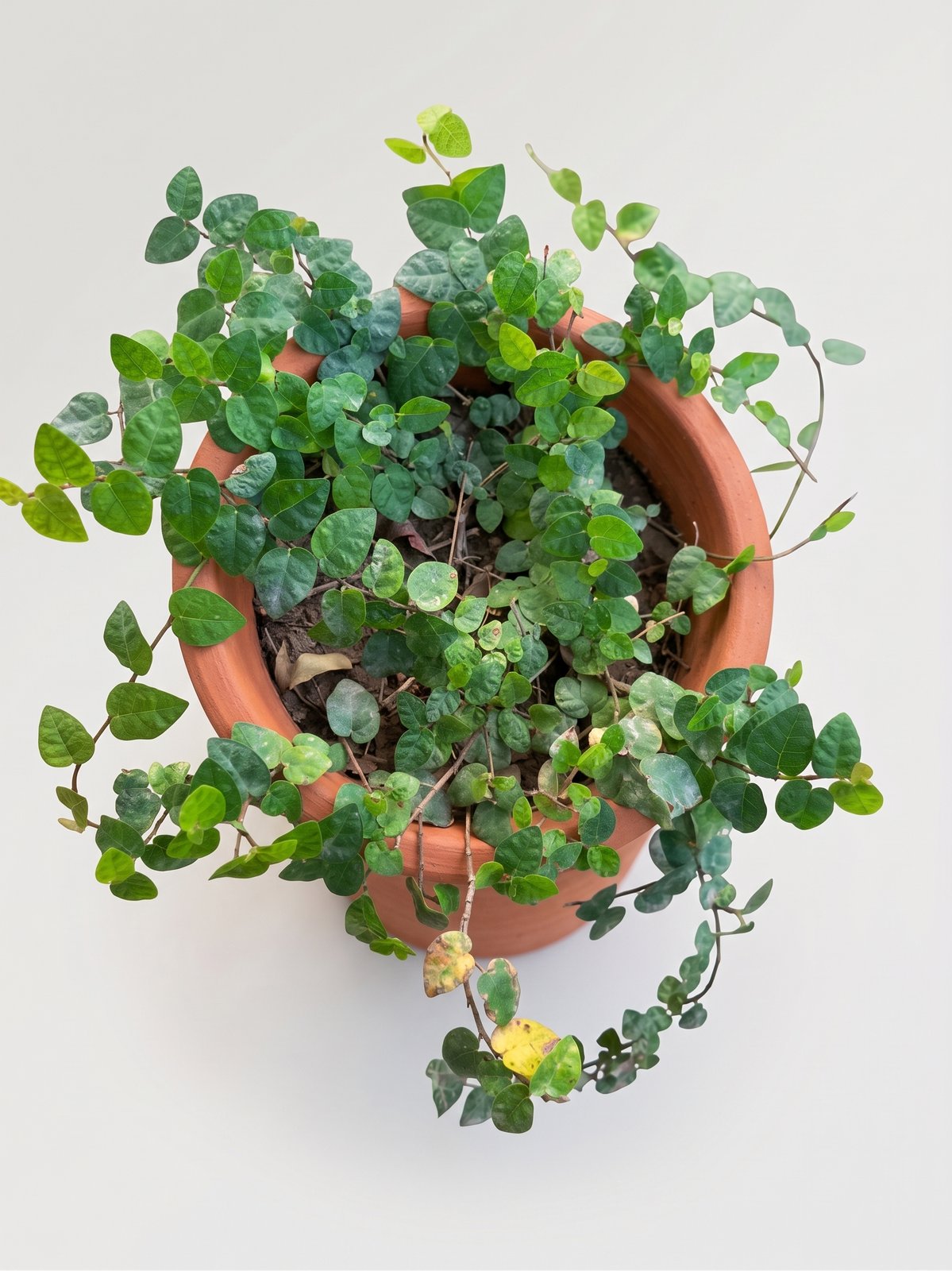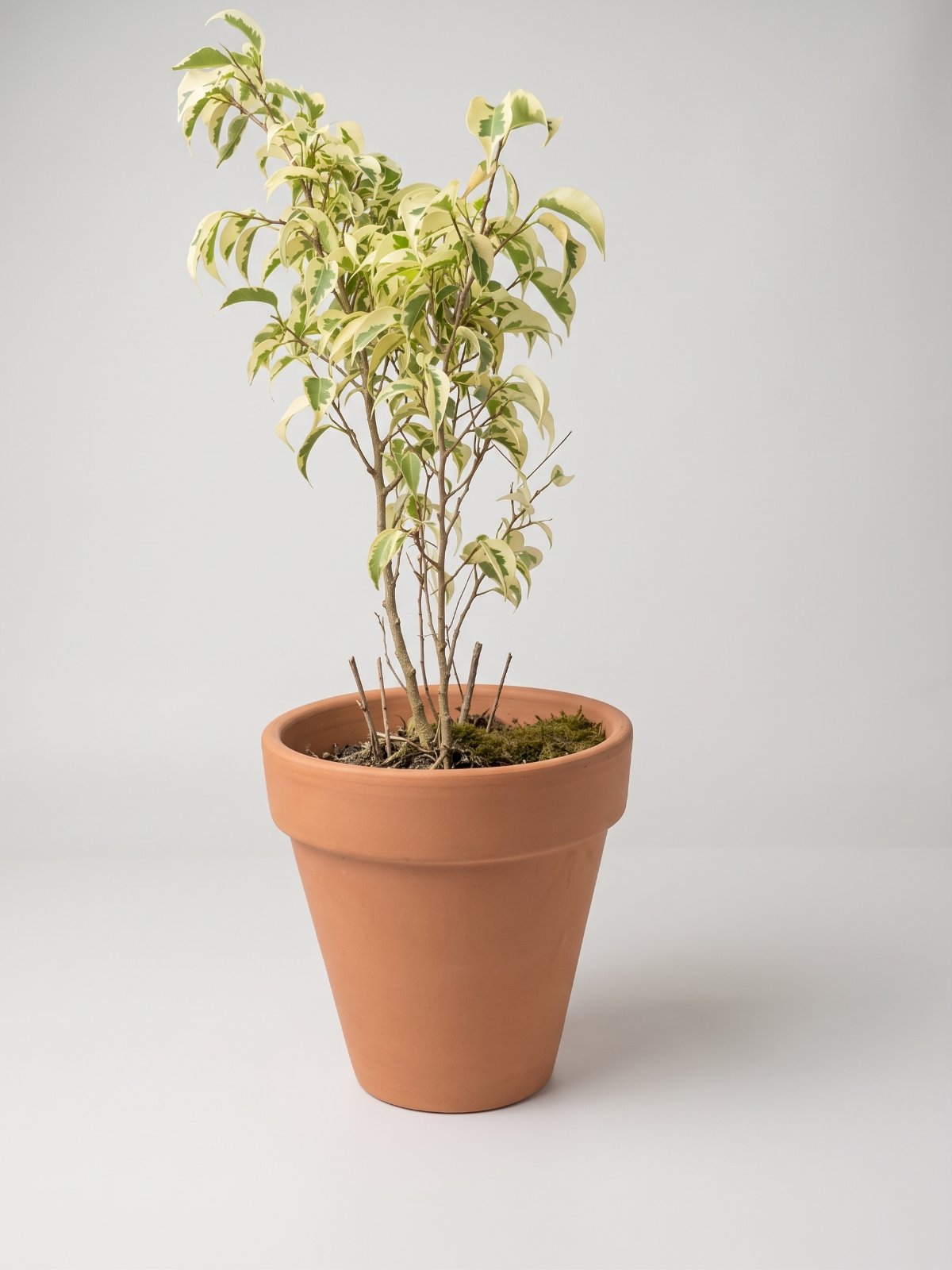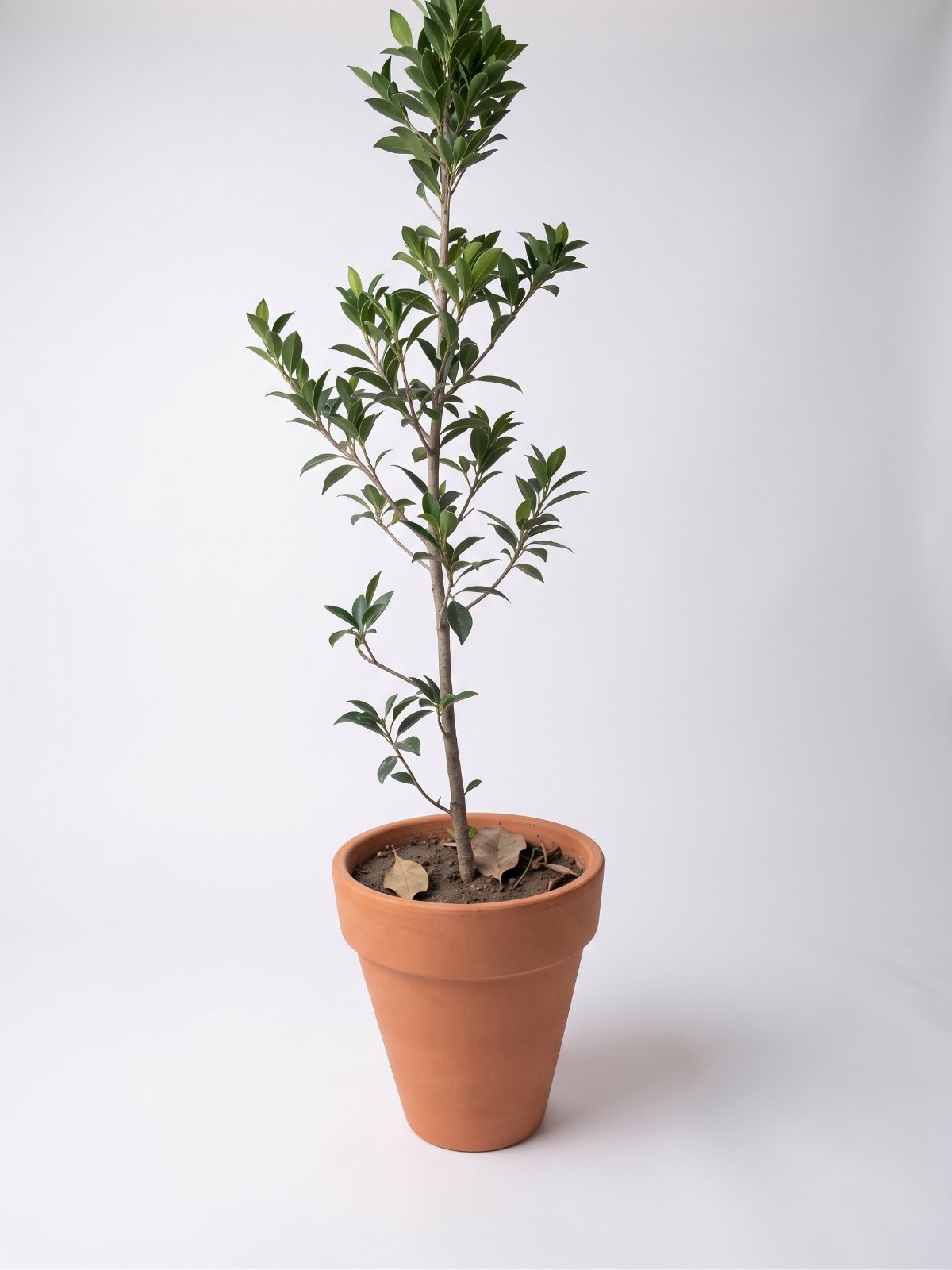
A big, leafy plant in the corner does what no small pot can — it fills the room and finishes it. Three floor plants get chosen again and again: the rubber plant, the fiddle leaf fig and the snake plant. Two of them are wonderfully easy; one is a bit of a diva. Here is how to keep all three looking their best.
Rubber plant (Ficus elastica) — the easy giant
If you want height without fuss, the rubber plant is the one. Its thick, glossy leaves shrug off the odd mistake, and it grows into a handsome indoor tree. We no longer keep it in stock — for a similarly easy, handsome indoor tree we do grow, see our Fig Plant, or message us on WhatsApp and we can source one on order.
- Light: bright, indirect light is ideal. It tolerates medium light, but the deep-burgundy varieties keep their colour best in bright spots.
- Water: let the top inch or two of soil dry out, then water well. In winter, much less. Overwatering — yellow, dropping leaves — is the usual killer.
- Leaves: wipe the big leaves with a damp cloth now and then; dust dulls them and blocks light.
- Growth: to keep it bushy rather than leggy, pinch out the top and it will branch. Feed monthly in spring and summer.
Fiddle leaf fig (Ficus lyrata) — the beautiful diva
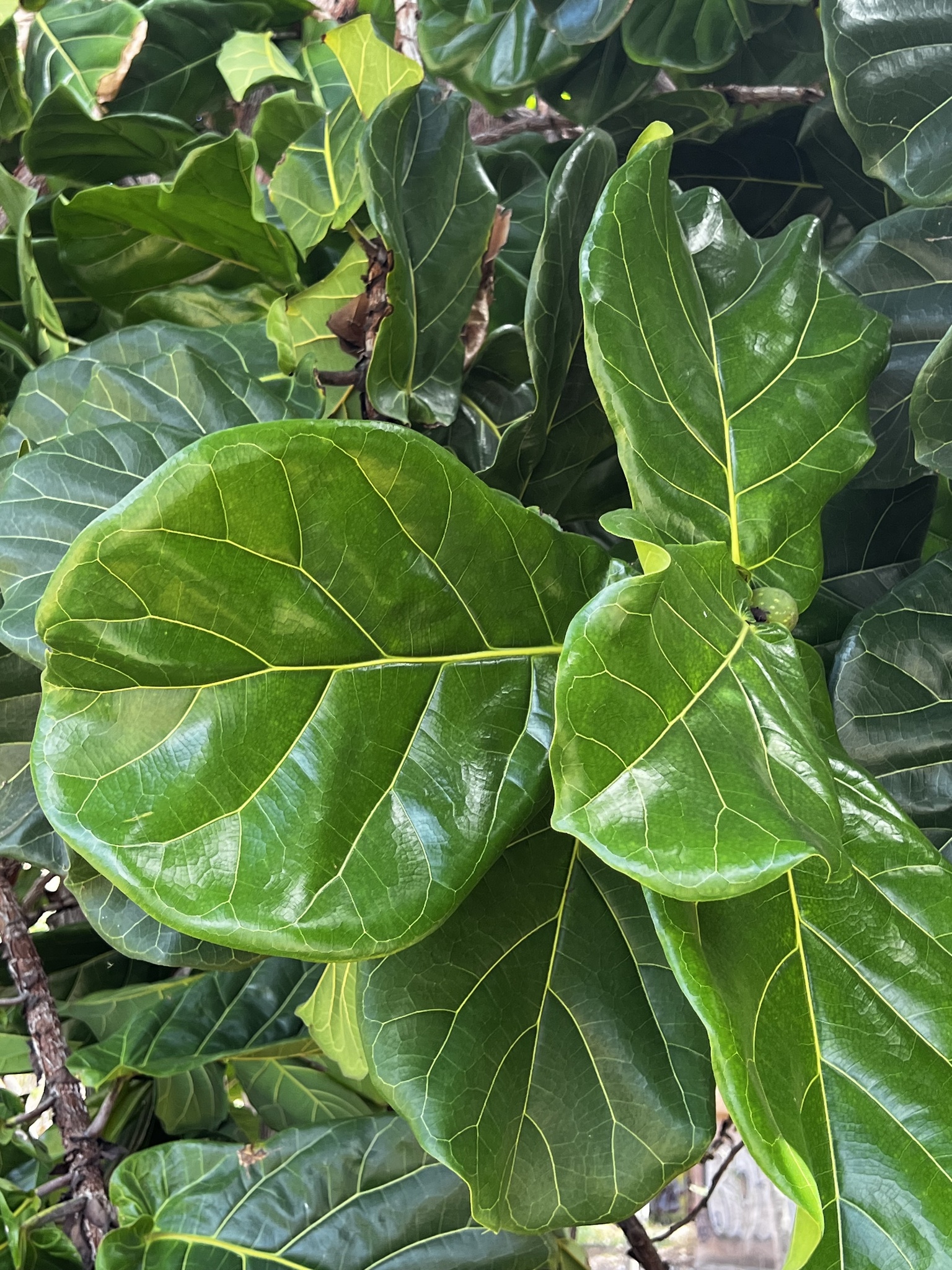
The fiddle leaf fig, with its huge violin-shaped leaves, is the most striking of the three — and the fussiest. It is not hard once you understand its one rule: it hates change. We don't stock it, but if you want that glossy-leaved fig look with far less fuss, our Fig Plant is the one we grow.
- Light: it needs plenty of bright, indirect light — near a sunny window, but not scorched by harsh midday sun through the glass.
- Keep it still. This is the big one. Fiddle leaf figs sulk when moved. Find a good bright spot and leave it there; do not shift it around the house.
- Water on a rhythm: water thoroughly when the top couple of inches of soil are dry, and let it drain fully. Both overwatering and letting it go bone-dry cause leaf drop. Consistency is everything.
- Brown spots and dropped leaves usually mean inconsistent watering, a cold draught, or a recent move. Steady its conditions and it recovers.
- Dust the big leaves regularly so they can breathe and catch the light.
Snake plant — the one that never complains
If the fiddle is the diva, the snake plant is the opposite — the toughest big-ish plant you can own. It stands tall and architectural in a slim pot and asks for almost nothing. We no longer keep the snake plant, but for the same near-indestructible, easy-going character we grow the Money Plant.
- Light: anything from low light to bright. It genuinely does not mind.
- Water: every two to three weeks, and even less in winter. It stores water in its leaves, so when in doubt, do not water. Soggy soil is the only thing that kills it.
- Perfect for beginners, dim corners and people who travel.
Three rules for any big statement plant
- Drainage first. A big plant in a pot with no drainage hole will drown. Always use a pot that drains, and never leave the plant standing in a full saucer.
- Dust the leaves. Large leaves collect dust that blocks light. A gentle wipe keeps them glossy and healthy.
- Rotate for even growth. Give the pot a quarter turn every week or two so the plant does not lean toward the window.
Common questions
Which is easiest — rubber plant, fiddle leaf fig or snake plant?
The snake plant is the easiest by far, then the rubber plant. The fiddle leaf fig is the most demanding — beautiful, but choose it only if you can give it steady light and a fixed spot.
Why is my fiddle leaf fig dropping leaves?
Almost always inconsistent watering, a cold draught, too little light, or being moved. Settle it in one bright spot, water on a steady rhythm, and keep it away from AC vents and doors.
How often should I water a rubber plant?
When the top inch or two of soil is dry — roughly weekly in summer and much less in winter. Yellowing, dropping leaves mean you are watering too much.
Are these plants safe around pets?
Rubber plant and fiddle leaf fig can irritate a pet's mouth and stomach if chewed, and the snake plant is mildly toxic too — keep all three out of reach of pets and small children.
For the basics that apply to every houseplant — light, watering and feeding — see our indoor plant care guide, and if you like big leaves, our monstera care guide is a natural next step. Ready to choose your statement plant? Browse our indoor plants at the farm.