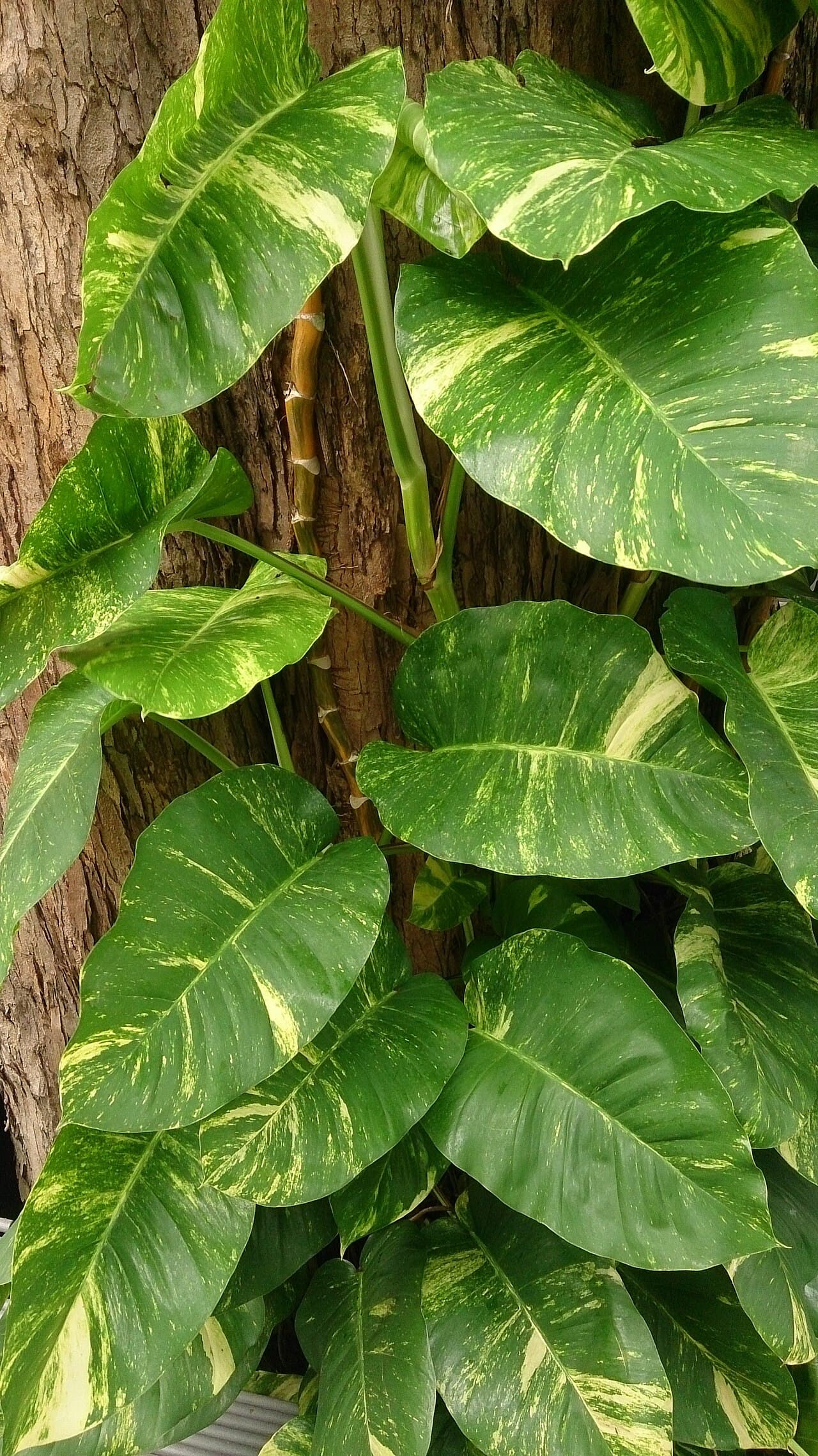
If you are about to buy a money plant in Lahore, five minutes of careful looking at the nursery will save you months of nursing a weak plant. It is famously hard to kill, but one that starts out overwatered or carrying mealybug sulks for a long time. This guide is about buying well; for everyday care once it has settled, keep our money plant care guide handy.
What "money plant" means in Pakistan
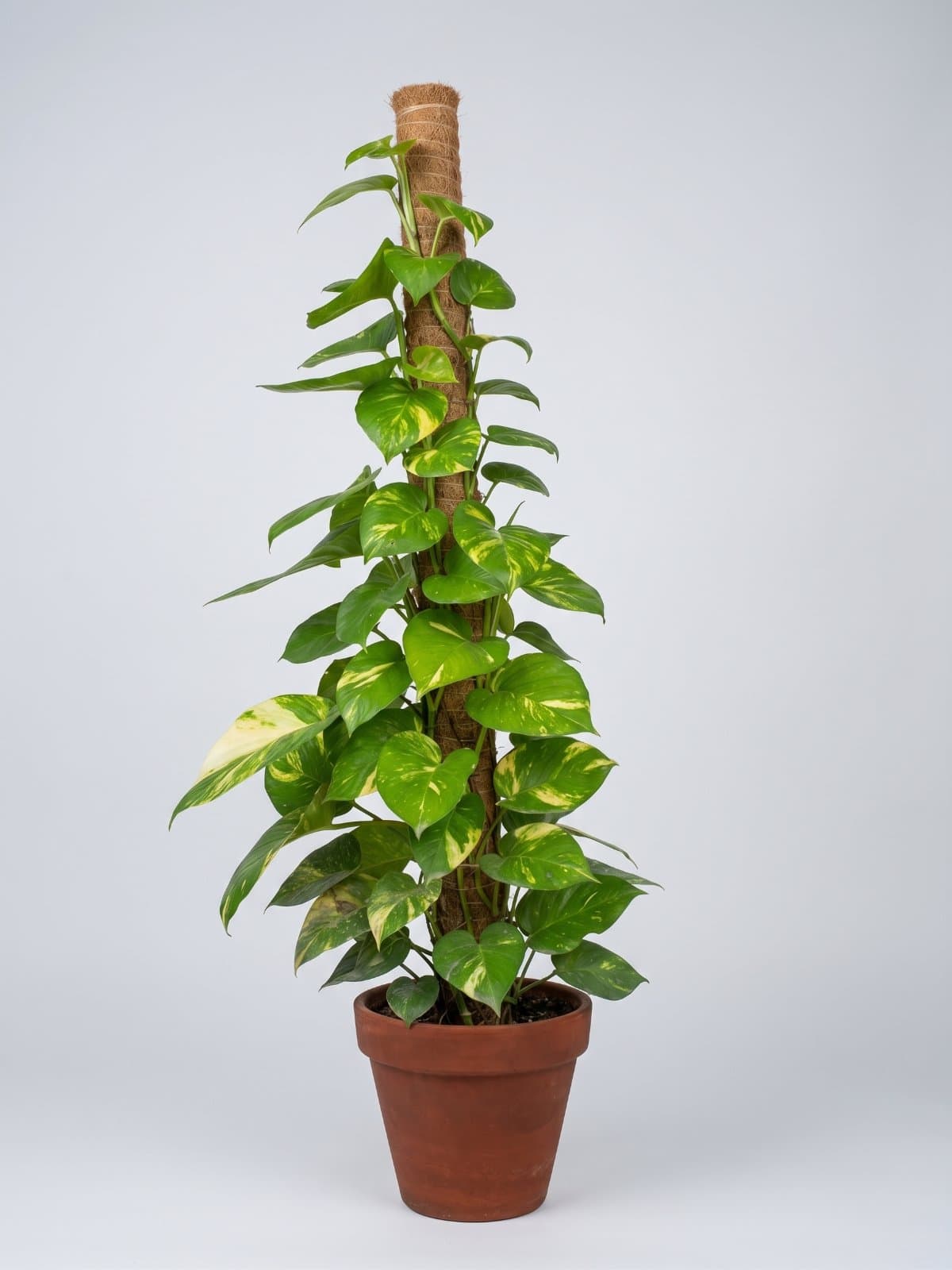
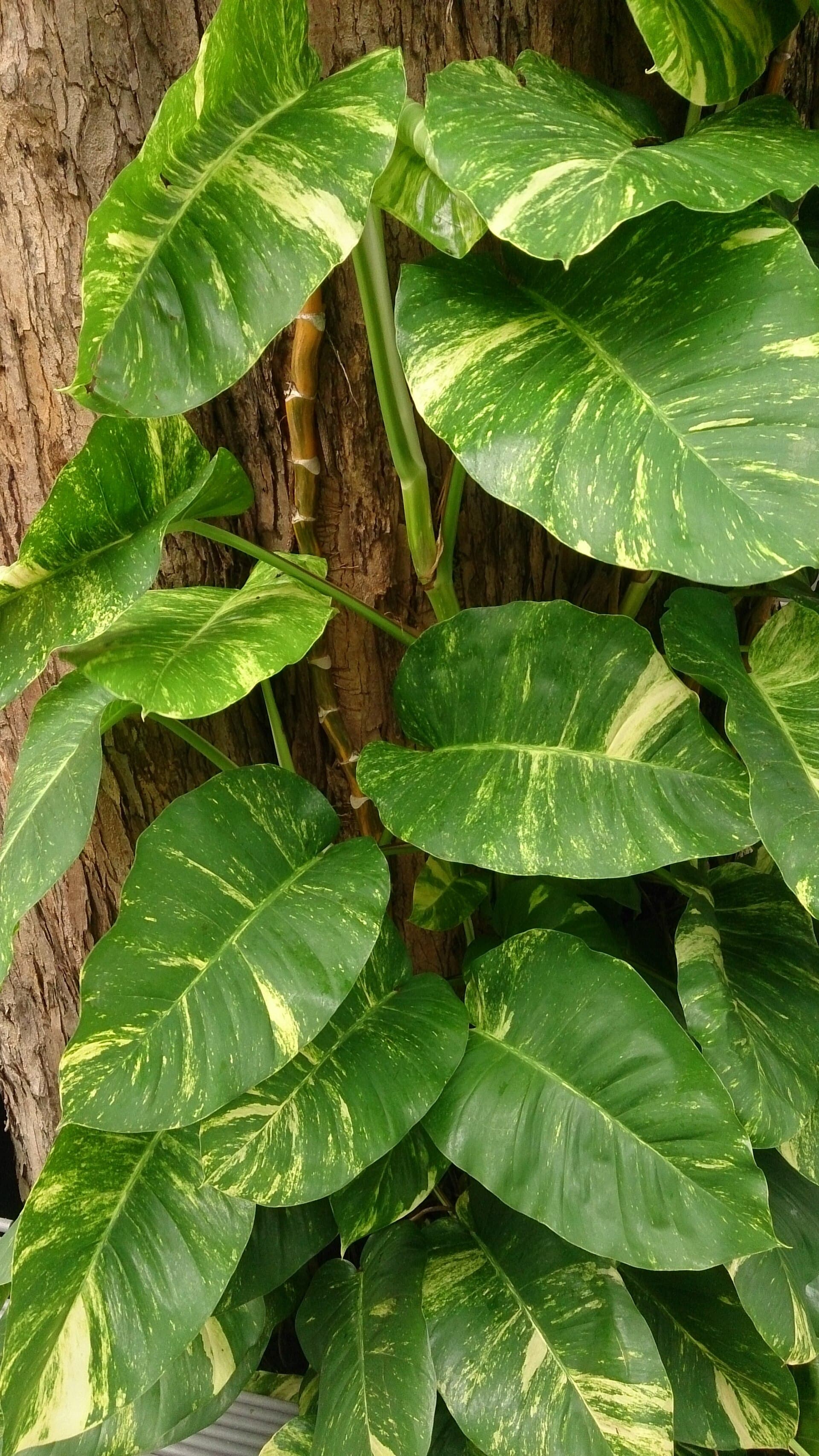
Here, money plant means golden pothos, Epipremnum aureum: a climbing vine from the arum family (the same family as arvi) with glossy, heart-shaped leaves marbled green and gold. In the wild it climbs trees with small aerial roots, which is why it takes so well to a moss stick. Two other plants share the "money" name:
- Jade plant (Crassula ovata): a succulent with thick, coin-shaped leaves, sometimes sold as a "money tree" or lucky plant. It wants strong sun and soil that dries right out, the opposite of pothos. See our jade plant guide.
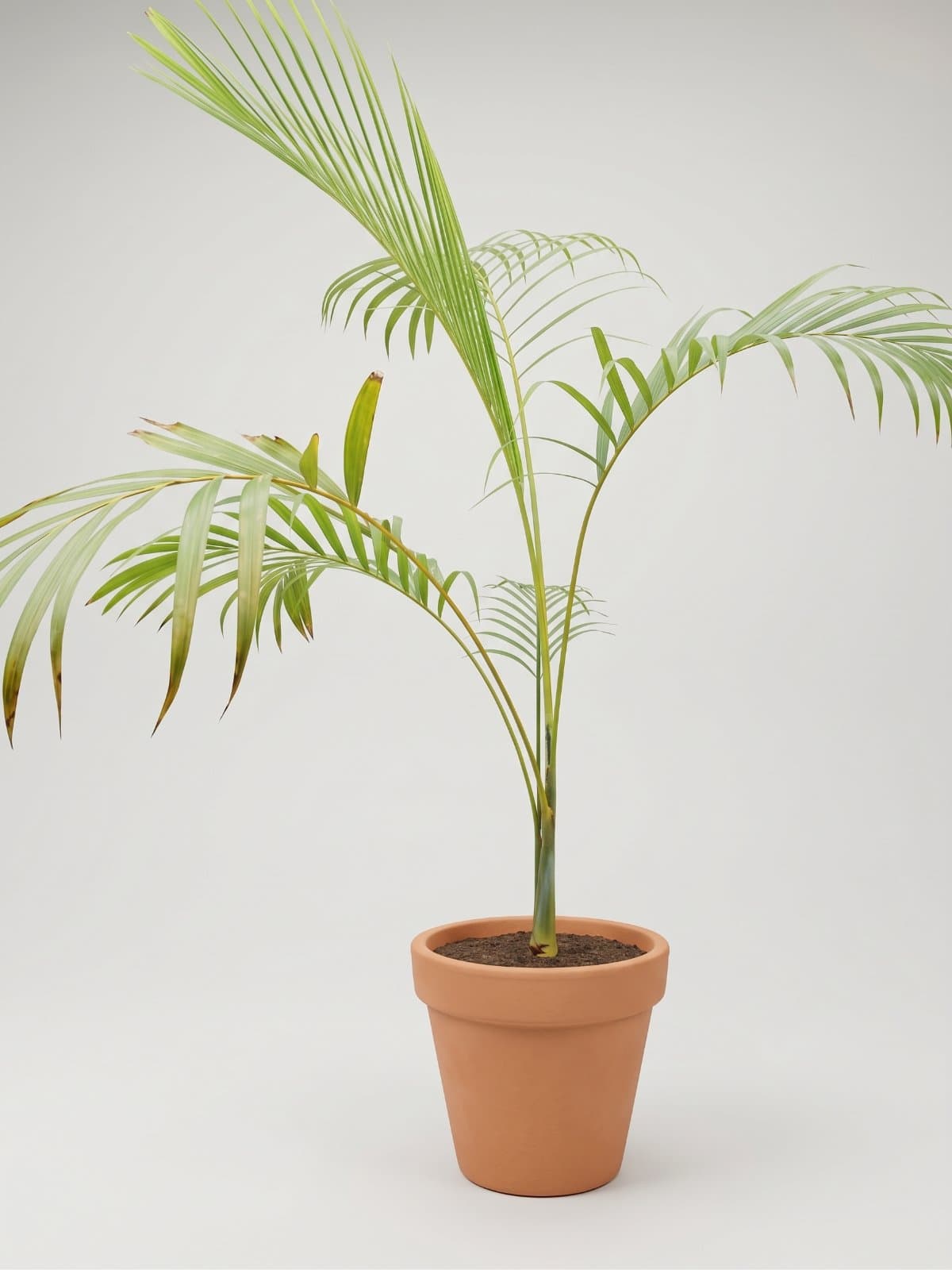
- Pachira (Pachira aquatica): the other "money tree", usually sold with a braided trunk and leaves spread like an open hand.
The quick test: heart-shaped leaves on a vine means a money plant.
How to pick a healthy money plant at the nursery
Don't judge by the front of the pot. Turn it round and check what we check ourselves:
- Firm stems and base. Vines green and springy. Press gently where they meet the soil: anything soft, brown or black there means rot.
- Fresh growing tips. A new, paler leaf unrolling at the vine ends shows the plant is actively growing.
- Clean leaves. An old yellow leaf at the base is normal. Several yellow leaves, crispy brown patches (sun scorch) or soft black spots (too much water) are not.
- No pests. Look under the leaves and into the joints. White cottony tufts are mealybug, fine webbing is spider mite, hard brown bumps are scale.
- Soil and roots. An earthy smell, not sour or soggy, and a drainage hole. A root peeping out is fine; a thick mat bursting from the hole means it has sat in that pot too long.
- Colour and fullness. Gold marbling right through, and leaves from the base up. A plant kept in poor light turns plain green and leggy.
Moss stick, hanging pot or a cutting in water?
Choose the form by where the plant will live.
- On a moss stick in a pot. An upright column of green for a living-room corner, beside a TV unit or in an office reception. Climbing pothos tend to make bigger leaves than trailing ones, so a good stick plant fills out with time. This is how we grow our money plant.
- In a hanging pot. The vines spill down from a high shelf or a shaded balcony hook, out of reach of pets and small children.
- A cutting in water. A few stems in a jar on a kitchen sill: the cheapest start, but it stays small and grows slowly.
Why does a moss-stick plant cost more than a cutting? You are paying for time. A cutting is one stem and a few weeks of rooting. A stick plant has been grown on for months or even years and tied in as it climbed, and it comes with the stick and a proper pot.
Bringing it home in Lahore
Most harm to a new plant happens on the way home and in the first fortnight.
- Summer: in May and June a closed car in the sun becomes an oven within minutes. Keep the plant in the cabin with the AC on, never in the boot or a parked car, and make the nursery your last stop. On a motorbike, tuck the vines in so the wind doesn't tear the leaves.
- Winter: don't leave it out on a veranda overnight in December and January, when Lahore nights can drop to 3–7 °C.
Then, for the first two weeks:
- Put it where it will live and leave it there; every move means adjusting again.
- Bright, indirect light: near a window but out of direct afternoon sun, which scorches pothos leaves fast.
- Don't repot yet. If it truly needs a bigger pot later, spring is the easiest time.
- Water only when the top inch of soil is dry. Terracotta dries faster than plastic, so check with a finger, not the calendar.
- Dampen the moss stick now and then, so the aerial roots keep gripping in our dry air. A yellow leaf or two while it adjusts is normal; just pinch them off.
Where it does best, and giving it as a gift
At home or in an office, a money plant is happiest a few feet from a bright window, out of the direct blast of an AC vent. It copes with a dimmer corner but grows thin there.
It is also one of the most common gifts in Pakistan for a new house, Eid, a wedding or a shop opening, and many families keep one by tradition as a sign of barkat. We treat that as a warm custom rather than a promise, but a healthy green plant is a good wish to carry through someone's door. For a gift, pick a moss-stick plant and add a short care note. More ideas: lucky plants for the home and plants to give as gifts.
A note for homes with pets and children
Pothos leaves contain calcium oxalate crystals, and the ASPCA lists the plant as toxic to cats and dogs: chewing causes mouth irritation, drooling and vomiting, and can give a child a sore mouth too. Keep it high or out of reach, and call your vet or doctor if anyone seems unwell after a nibble. Our pet-safe indoor plants guide has more.
Common questions
How much does a money plant cost, and why do prices differ?
It depends mostly on size and form. A rooted cutting costs little, while a full moss-stick plant carries months of growing plus the stick and the pot, so compare height, fullness and health, not price alone.
Does a money plant really bring good luck?
It is a long-held tradition across South Asia, and many families keep one by the door for that reason. We see it as a lovely custom, not a guarantee; what it reliably gives is fresh green growth for very little effort.
Can I grow a money plant in water instead of soil?
Yes, but start from a cutting. A soil-grown plant moved straight into water often struggles because its roots are used to soil, so root a snipped vine in a jar instead and expect slower growth than in a pot.
Can I order several money plants for an office or event?
Yes. We grow money plants in bulk on our own farm, so message us on WhatsApp with how many you need, when and where in Lahore, and we will confirm. Collect from the farm or have them delivered.
Our Money Plant is a golden pothos trained up a moss stick in a terracotta pot, grown in bulk on our own farm at Jallo More, Lahore, and it costs Rs 750. Pick it up at the farm or get it delivered anywhere in Lahore: just message us on WhatsApp. Once it is home, our money plant care guide will keep it growing, or browse all our plants.
Photo: Mokkie, CC BY-SA 3.0, via Wikimedia Commons.