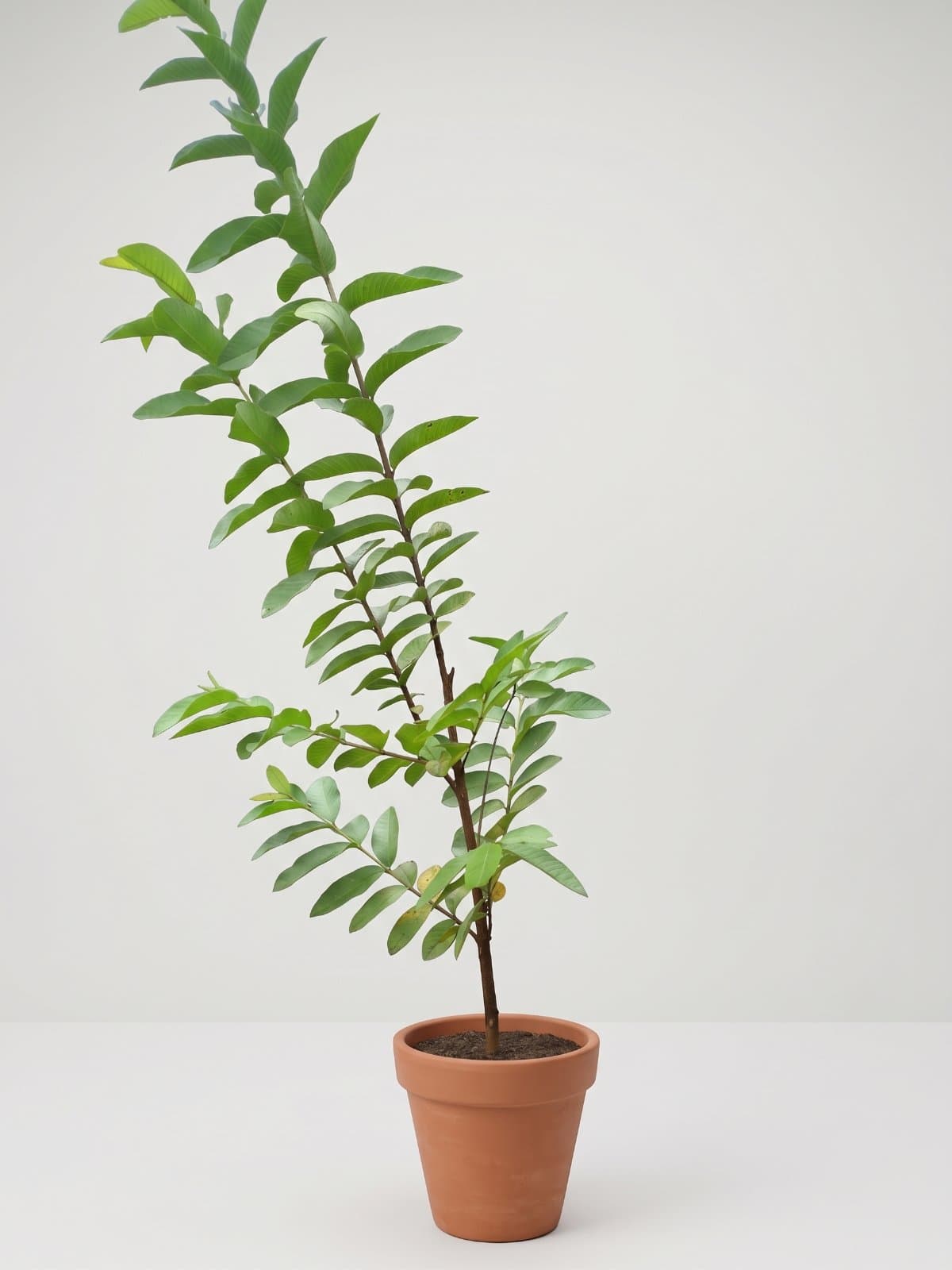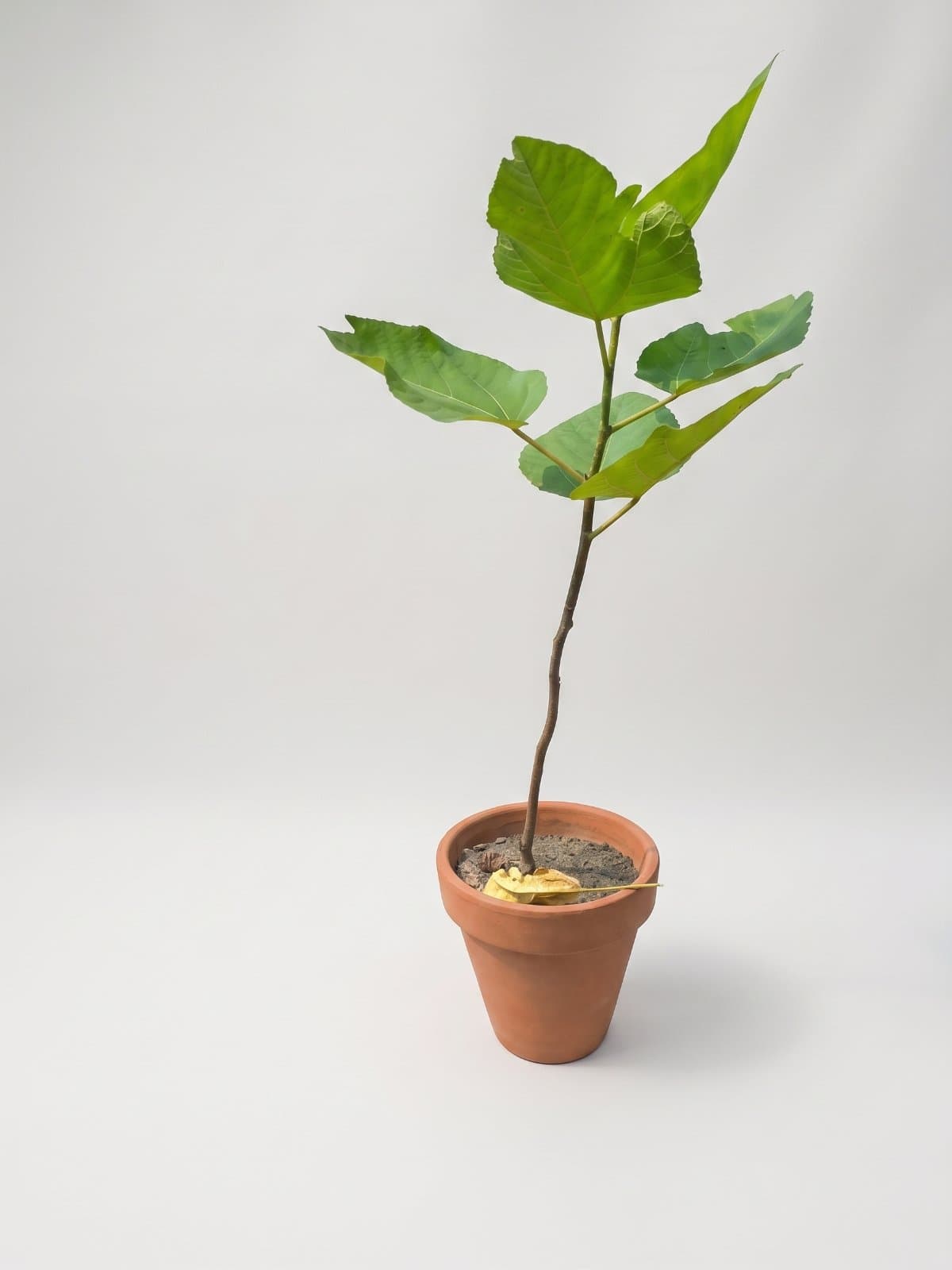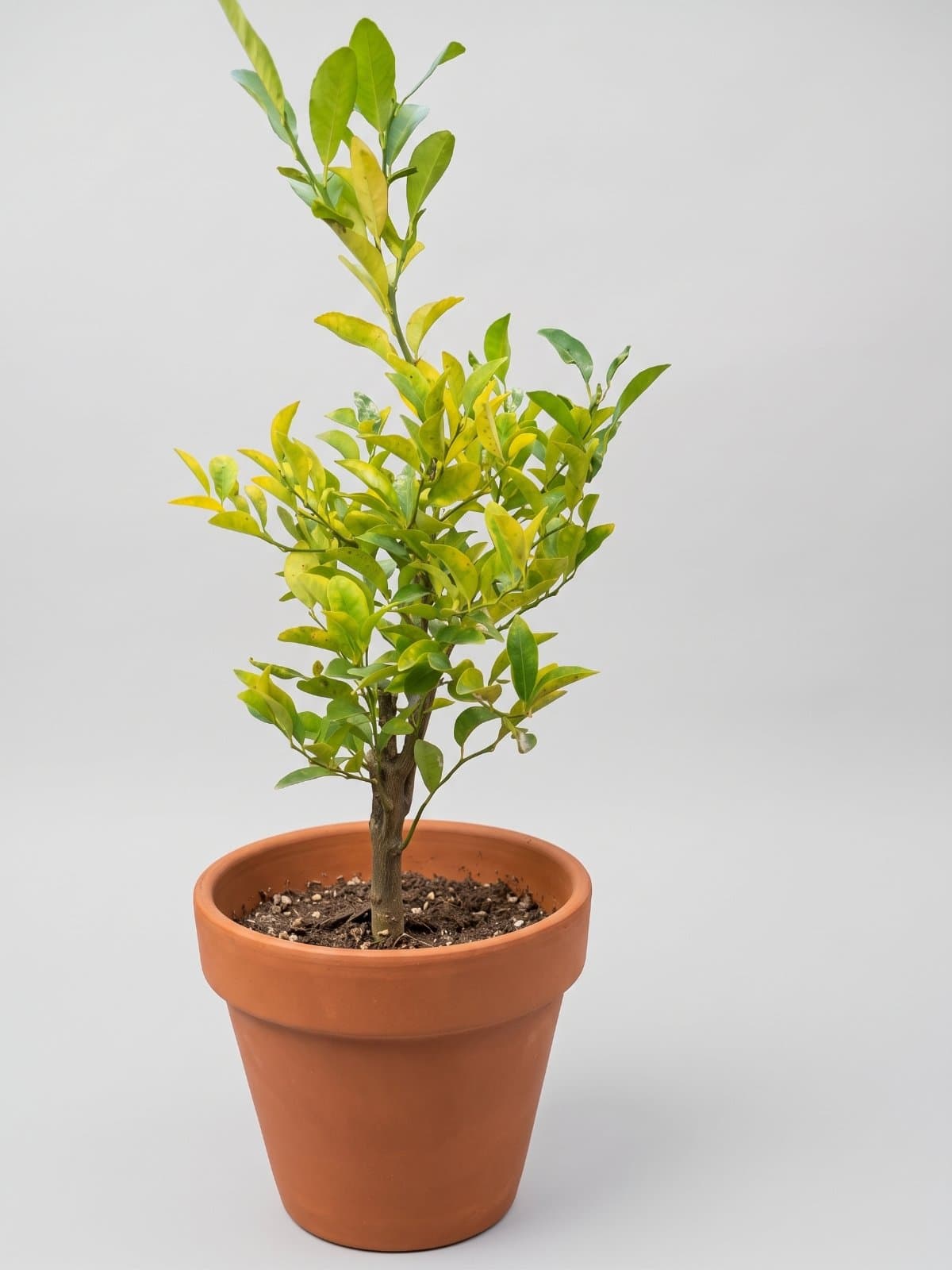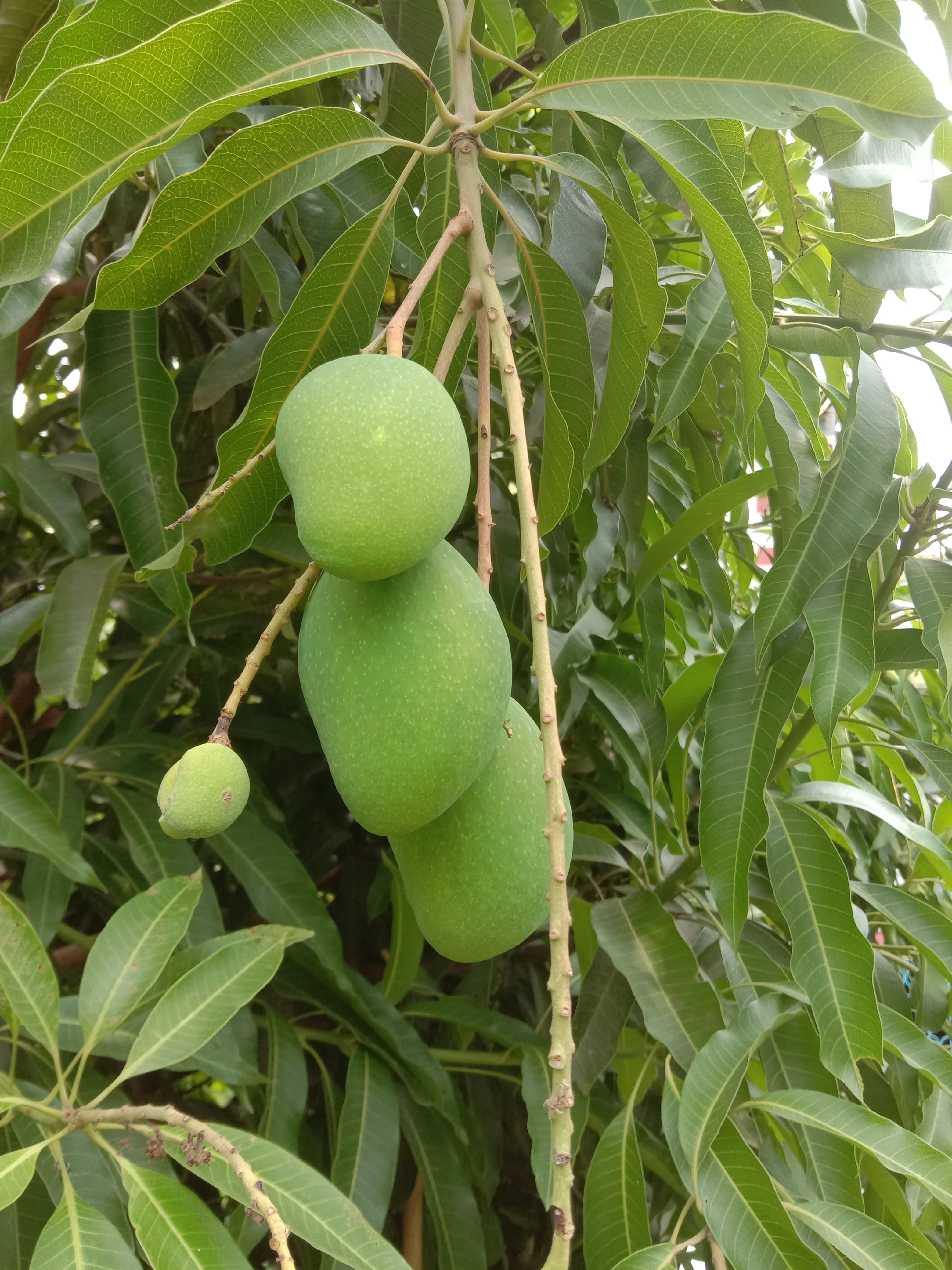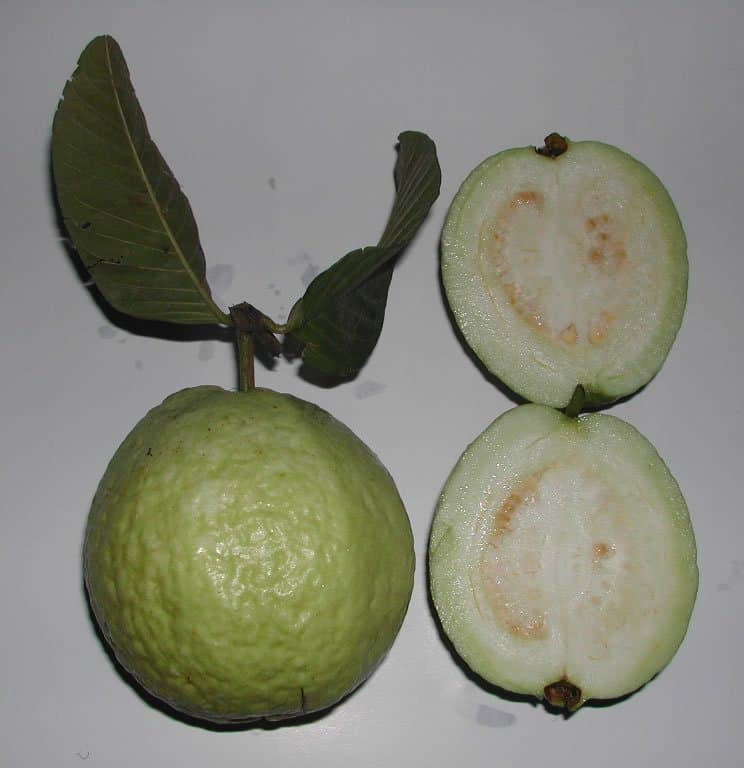
Few fruit trees give back as much for as little fuss as guava (amrood). For a Lahore garden it is close to perfect — it shrugs off our fierce summers, puts up with heavy clay soil and hard canal water, and once it settles in it crops heavily twice a year. You can plant it in the open ground or keep a grafted sapling in a large pot on a rooftop or terrace, and it is one of the very first fruit trees we recommend to beginners.
The fruit is loaded with vitamin C, the tree stays a manageable size with a little pruning, and it forgives the mistakes that kill fussier plants. Here is how we grow amrood so it earns its space.
When and where to plant
The two good planting windows in Punjab are February–March and August–September, when the worst heat has eased but the soil is still warm enough for roots to take hold. Give it the sunniest spot you have — guava wants a full six hours of direct sun or more, or the crop stays thin and sour.
- In the ground: dig a hole about 2 x 2 feet, mix the soil back with a bucket of rotted farmyard manure (gobar) or compost, and keep single trees at least 8–10 feet from walls and other trees.
- In a pot: start with an 18–24 inch pot (or a half-drum) with good drainage holes. A grafted sapling will fruit happily in a pot for years if you keep feeding it.
Watering and feeding
Guava likes a deep soak, then a chance to dry a little rather than constant damp. In peak summer that may mean watering a potted tree daily and a ground tree every 3–4 days; in winter, far less. One useful trick: ease off the water as the fruit ripens — a slightly leaner tree gives sweeter, less watery amrood.
It is a hungry tree, and it rewards good feeding:
- Dig in rotted manure or compost twice a year, before each cropping season.
- Add a balanced NPK feed during active growth; a potassium-rich feed as the fruit swells improves sweetness.
- A handful of potash or wood ash around the root zone helps fruit quality.
Pruning and the two crops a year
Amrood naturally bears two crops: a rainy-season crop that ripens around the monsoon (July–August) and the prized winter or bahaar crop that ripens from November into winter. The monsoon fruit is softer, more watery and far more prone to fruit fly; the winter crop is sweeter, firmer and better in every way. Many gardeners deliberately sacrifice the rainy crop to get a heavier, sweeter winter one.
You steer this with pruning and water. Tipping back the new shoots (removing the top few inches) in late April–May checks the rainy-season flowering and pushes the tree toward the better winter crop. Light pruning after each harvest also keeps the tree short enough to net and pick from the ground, and opens it up for air and light. When a branch is carrying too much fruit, thin it — pinch off the smallest so the rest can size up properly.
Fruit fly and other problems
The one pest that spoils more amrood than anything else is the fruit fly (Bactrocera). It lays eggs in ripening fruit and the maggots ruin it from the inside — worst on the monsoon crop. You do not need to spray the whole tree:
- Bag the fruit: slip a paper or fine cloth bag over each developing amrood once it is walnut-sized. Simple and very effective in a home garden.
- Hang traps: methyl-eugenol pheromone traps (sold cheaply, or a bottle trap baited with the lure) catch the male flies and cut the population.
- Stay clean: pick up and destroy every fallen or infested fruit — do not leave them lying, because that is where the next generation breeds.
Otherwise guava is tough. Watch for mealybug and scale on the stems (wipe them off or treat with neem), and never let water stand around the roots — waterlogging is the main thing that actually kills a young tree.
When will it start fruiting?
A grafted or air-layered sapling — which is what a nursery sells — usually gives its first real fruit in about 2–3 years, and settles into full cropping by year four or five. A tree grown from a seed can take far longer (up to seven or eight years) and rarely comes true to the parent, which is why we always start people off with a grafted plant.
Common questions
Will guava survive a Lahore summer and winter?
Yes — the heat is no problem at all, and an established tree takes our mild winter easily. Only a hard frost can nip young shoots, so protect a first-year sapling on the coldest nights.
Can I grow amrood in a pot on my rooftop?
You can. Use the biggest pot you can manage (18 inches or more), keep it in full sun, feed it regularly, and it will fruit for years. Just never let a potted guava sit in waterlogged soil.
How much does a guava plant cost, and do you have it?
Prices depend on the size and age of the sapling. Message us for current rates — we usually keep grafted guava, and if a size is out we will try to arrange it.
Why is my guava fruit sour or full of worms?
Sour, watery fruit is usually the rainy-season crop, or too much water near ripening — go for the winter crop and ease off watering as the fruit colours. Those "worms" are fruit-fly maggots, so bag the fruit and hang a trap.
If you want fruit from your own tree without the fuss, guava is the tree to start with — and it pairs well with other easy croppers like fig (anjeer) and lemon (nimbu). See our guava plant (amrood), or read our guides to fruit trees for Lahore gardens and kitchen gardening in Lahore. To check what we have or arrange a grafted sapling, message us on WhatsApp — if a size is out, we will try to arrange it.