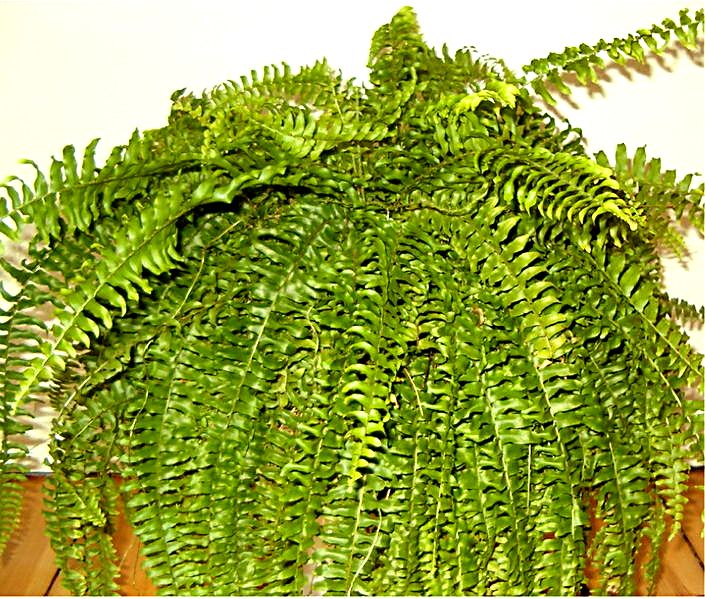
Growing ferns indoors is one of the quietest joys of houseplant keeping — a healthy Boston fern (Nephrolepis) spilling soft green fronds over the edge of a pot turns a plain corner or a shaded veranda into something that feels cool and alive. Ferns are not difficult plants, but they are honest ones: they tell you at once when the air is too dry or the pot has gone thirsty. In Pakistan, where indoor air is often bone-dry, that is the whole game. Get humidity and watering right and a fern will reward you for years.
Light — bright, but never direct sun
Ferns grow on shaded forest floors, so they want bright, indirect light — never the harsh direct sun of a Lahore afternoon, which scorches the delicate fronds within hours. An east-facing window, a spot a metre or two back from a bright window, or a covered veranda that gets no midday sun is ideal. If the fronds pale or bleach, the light is too strong; if the plant thins and stretches, move it somewhere brighter.
Humidity — this is where most ferns die
The single biggest reason ferns fail indoors here is our dry air, made worse by air conditioning and fans that pull moisture out. A fern that would be perfectly happy on a monsoon veranda will crisp up in a cooled bedroom. To keep the air around it moist:
- Group it with other plants — together they hold a pocket of humid air.
- Stand the pot on a tray of pebbles with a little water in it (the pot sits on the pebbles, above the water line), so evaporation keeps the fronds damp.
- Mist every day or two in dry spells, or keep it in a naturally humid room like a bright bathroom.
- Keep it away from the direct blast of an AC vent or fan.
Watering and soil
A fern likes its soil consistently, lightly moist — never bone dry, never a swamp. Check the top of the soil with a finger; water when it just begins to feel dry, which in a Lahore summer may mean every day or two, and much less in winter when growth slows. Use a light, open potting mix with plenty of compost or coco peat that holds moisture but still drains — a fern sitting in soggy soil will rot at the crown. Always use a pot with a drainage hole.
Feeding and grooming
Through the growing season, spring to early autumn, feed lightly with a balanced liquid fertiliser at half strength every few weeks — ferns are sensitive and a full dose can burn the roots. Snip off any brown or tired fronds at the base to keep the plant tidy and push fresh growth. If a Boston fern gets huge and crowded, you can lift it in spring and divide the root ball into two or three plants.
Why fronds go brown — and the fix
Brown, crispy frond tips almost always mean air that is too dry or a pot that dried out too far. Brown, mushy stems near the soil mean the opposite — overwatering. A whole plant going pale and thin is usually too little light. Read the fronds and adjust one thing at a time.
Common questions
Why do my fern's leaves keep turning brown and crispy?
Dry air is the usual culprit, especially in an air-conditioned or heated room. Raise the humidity with a pebble tray, group it with other plants, and keep the soil evenly moist. Also check it is not catching direct sun.
Are ferns hard to keep alive indoors in Pakistan?
They are fussier than many houseplants only because of our dry air — the care itself is simple. If you find a fern too demanding, a Money Plant gives you greenery with far less effort. Our best indoor plants for beginners guide has more easy options.
Can I keep a fern in a bathroom?
Yes — a bright bathroom is often the best room in the house for a fern, because the humidity from bathing keeps the fronds happy. It just needs enough light, not a windowless one.
We do not grow ferns at the farm, but if you have your heart set on a Boston fern, message us on WhatsApp and we will try to source a healthy one for you. If you would rather start with something that shrugs off dry indoor air, we grow easy, forgiving greenery like the Money Plant — see our indoor plant care guide to pick the right one for your room.