Bamboo is one of the fastest ways to turn an open boundary into a tall, rustling green wall. A well-chosen bamboo plant can screen an ugly view, block a neighbour's window or soften a boundary wall within a couple of seasons, and it thrives in Lahore's long, hot summers. But bamboo also has a reputation for taking over gardens — so before you plant one, the single most important thing is choosing the right type.
Clumping vs running — the one choice that matters most
There are two broad kinds of bamboo, and they behave very differently:
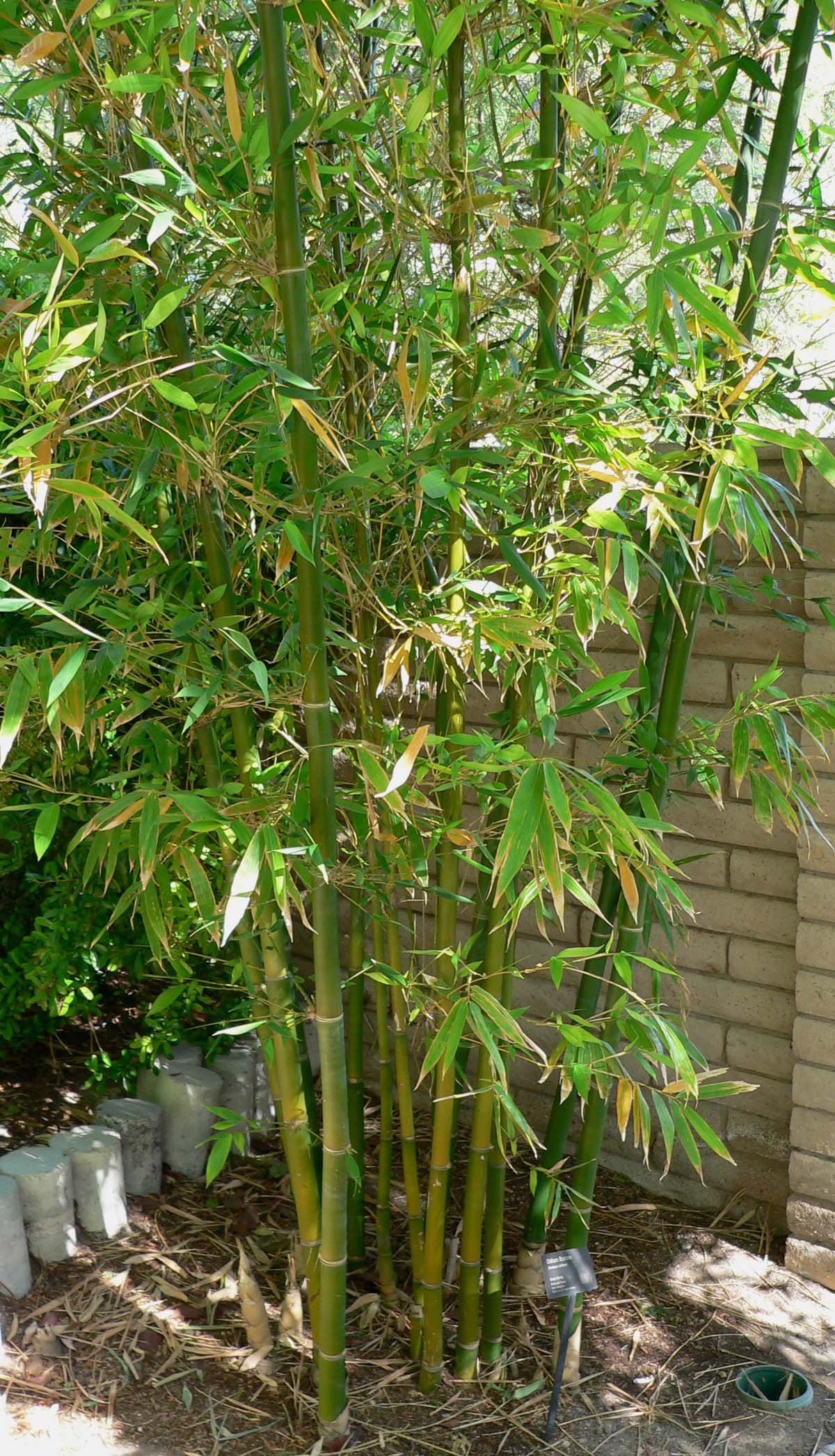
- Clumping bamboo (such as Bambusa types) grows outward slowly in a tidy clump, expanding just a few centimetres a year. This is what you want for a home privacy screen — it stays roughly where you put it.
- Running bamboo sends underground stems (rhizomes) racing metres away, popping up in your lawn, your neighbour's plot, even through paving. It makes a fast screen but can become a genuine nuisance.
For almost every Pakistani garden, a clumping type is the sensible choice. If anyone offers you a "fast-spreading" bamboo, ask exactly which kind it is first.
Sun, soil and spacing
Bamboo loves sun — give it at least five to six hours of direct light for the densest, greenest screen, though most types tolerate part shade. It is not fussy about soil as long as it drains; heavy, waterlogged clay is the main thing to avoid, so dig in some compost and coarse sand if your ground is sticky. For a continuous screen, space clumping plants roughly a metre to a metre and a half apart so they knit together as they mature.
Watering and feeding
A newly planted bamboo needs generous, regular water through its first summer to establish — in peak Lahore heat that can mean a deep soak every day or two, especially in pots. Once established, clumping bamboo is fairly drought-hardy but looks lushest with steady moisture. Bamboo is a grass at heart, so it responds well to a nitrogen-rich feed in spring and summer, which keeps the leaves deep green.
Best time to plant, and how to keep it in bounds
The kindest planting windows in Punjab are spring (February–March) and the cooler weeks after the monsoon in autumn, avoiding the fierce peak of June heat. To be doubly safe against spread — and essential if you ever plant a running type — sink a root barrier (a solid plastic or metal sheet, 60–70 cm deep) around the planting area, or simply grow the bamboo in a large container or raised bed. Containing the roots is far easier than digging out an escaped grove later.
Common questions
How fast does bamboo grow into a privacy screen?
A healthy clumping bamboo in good sun can give you a usable screen in one to two growing seasons, and reach its full height within a few years. Warmth, water and feeding in spring and summer all speed it up.
Will bamboo damage my walls or take over the garden?
Clumping types stay well-behaved and are very unlikely to trouble a boundary wall. Running types are the ones that spread aggressively — avoid them near buildings, or contain them with a deep root barrier.
Is "lucky bamboo" the same plant?
No — and this trips a lot of people up. The indoor "lucky bamboo" sold in little water vases is actually Dracaena sanderiana, not a true bamboo at all. It is a lovely low-light houseplant, but it will never grow into an outdoor screen.
We're honest with you: we don't grow outdoor screening bamboo at the farm. If you'd like some, message us on WhatsApp and we'll try to arrange a good clumping variety for you. If it's an easy indoor plant you're after instead, we do keep the Money Plant — a hardy, low-light choice that's happy on a bright shelf (though, like lucky bamboo, it won't grow into a garden hedge). New to all this? Start with our beginner's guide to gardening in Pakistan.