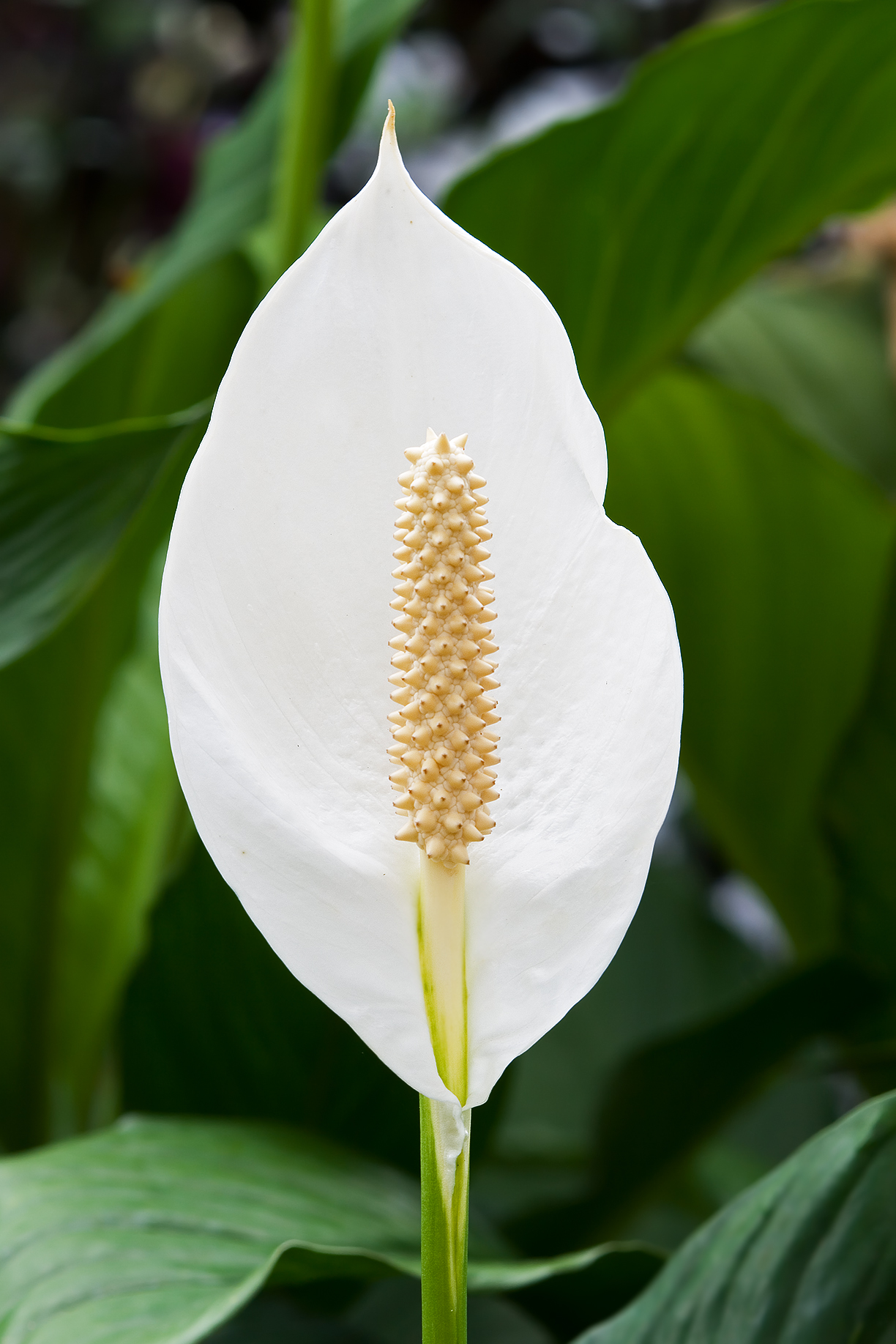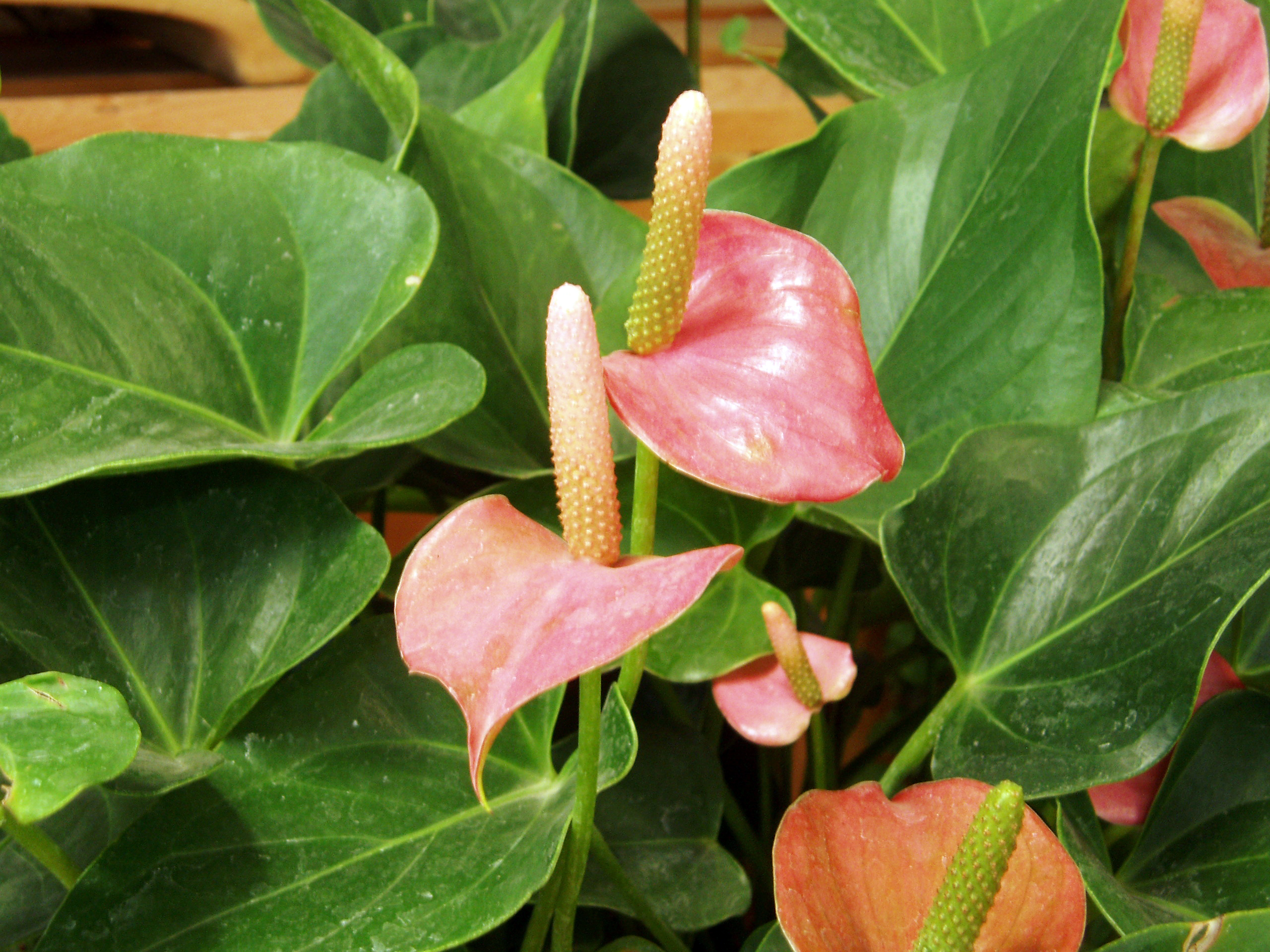
If you have seen a houseplant with glossy, heart-shaped red "flowers" that seem almost too perfect to be real, you have met the anthurium (flamingo flower, Anthurium andraeanum). That waxy red heart is actually a modified leaf called a spathe, and a healthy plant can hold its colour for weeks — with good anthurium care, an indoor plant will throw new blooms on and off almost all year. It is a striking, low-drama houseplant, but it does have a few clear preferences. Here is how to keep one thriving in a Lahore home.
Light — bright, but never harsh sun
Anthurium comes from the shaded floor of tropical forests, so it wants bright, indirect light — an east-facing window, or a spot a metre or two back from a bright south or west window. Direct Lahore afternoon sun will scorch and bleach those leaves and spathes within days. Too dark, on the other hand, and it simply stops flowering and gives you leaves only. A bright bathroom or kitchen with a window is often ideal.
Water and humidity
This is where most anthuriums are lost. The roots are thick and hate sitting in water, so let the top two to three centimetres of soil dry out before you water again, then water thoroughly and let the excess drain away completely. In our dry indoor air, humidity matters more than people expect — an anthurium loves moisture in the air.
- Mist the leaves in the morning, or stand the pot on a tray of pebbles and water so evaporation lifts the humidity around it.
- Grouping it with other plants also keeps the air around it moist.
- In peak Lahore summer with AC or a fan running, watch for dry, browning leaf tips — that is a humidity cry, not thirst.
Soil and potting
Anthurium roots need air. A heavy, water-holding mix will rot them. Use a loose, chunky, well-draining mix — good potting soil opened up with plenty of bark, coco chips, coco peat or perlite, almost like an orchid mix. Always use a pot with a drainage hole. Repot every couple of years in spring if the roots fill the pot, moving up just one pot size; anthuriums actually flower better when slightly snug.
Feeding for more of those flowers
Through the warm growing months (spring through early autumn in Punjab), feed lightly with a balanced liquid fertiliser diluted to about half strength, roughly every three to four weeks. A feed slightly higher in phosphorus encourages spathes rather than just foliage. Ease right off in the cooler winter months when the plant slows down. Wipe the leaves with a damp cloth now and then — clean leaves photosynthesise better and keep that signature glossy shine.
Common questions
Why is my anthurium not flowering?
Nearly always too little light or too little feeding. Move it somewhere brighter (still no direct midday sun), feed through spring and summer, and be patient — a stressed or freshly repotted plant pauses flowering for a while before it settles.
Why are the leaves turning yellow?
The usual culprit is overwatering or a pot with no drainage, leaving the roots soggy. Let the soil dry more between waterings, make sure water drains freely, and check that the roots are firm and pale, not brown and mushy.
Is anthurium safe around pets and children?
Like many aroids, anthurium sap is irritating if chewed and can upset the mouth and stomach, so keep it out of reach of small children and pets who nibble leaves. It is a decorative plant, not one to eat.
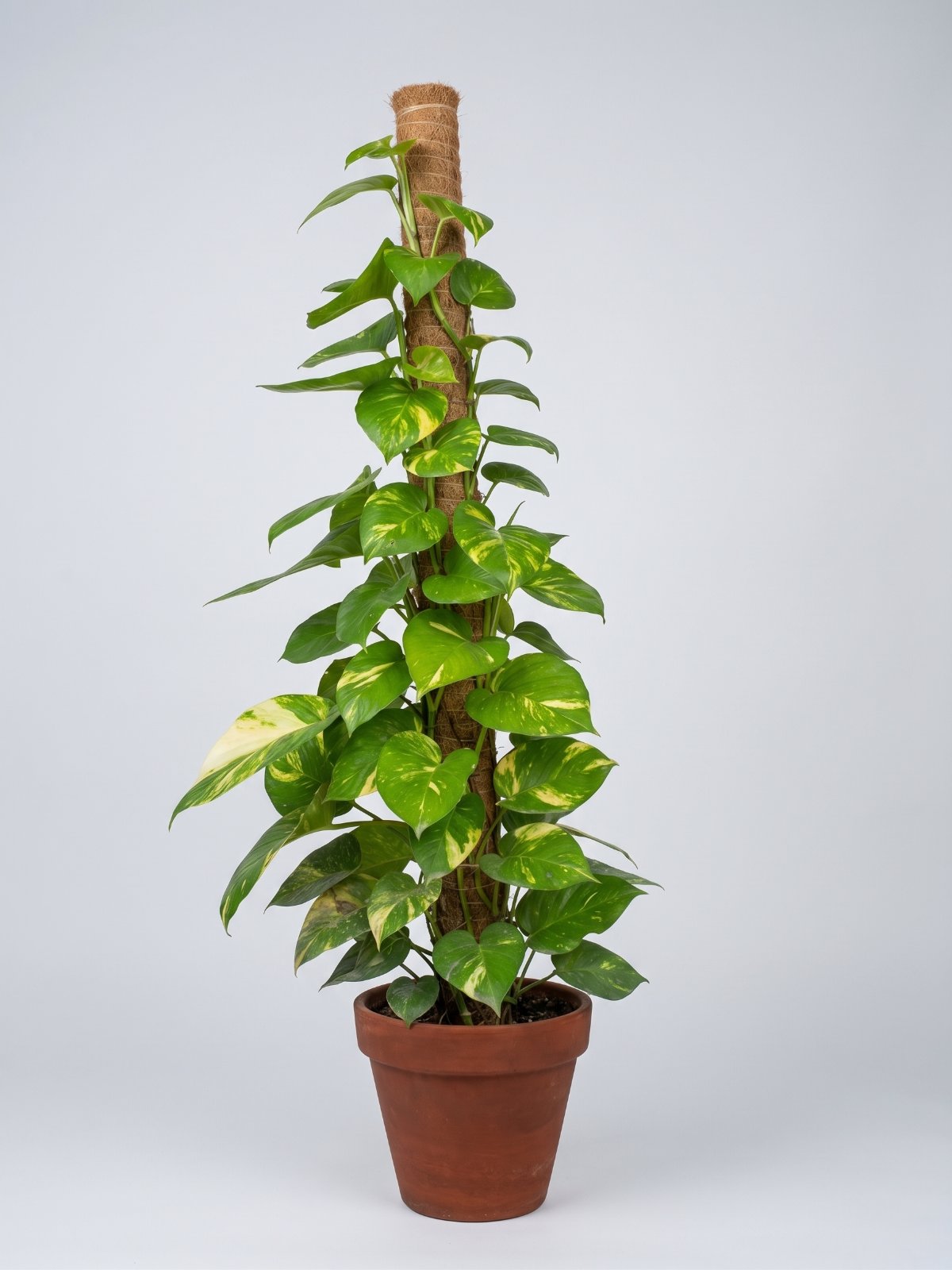
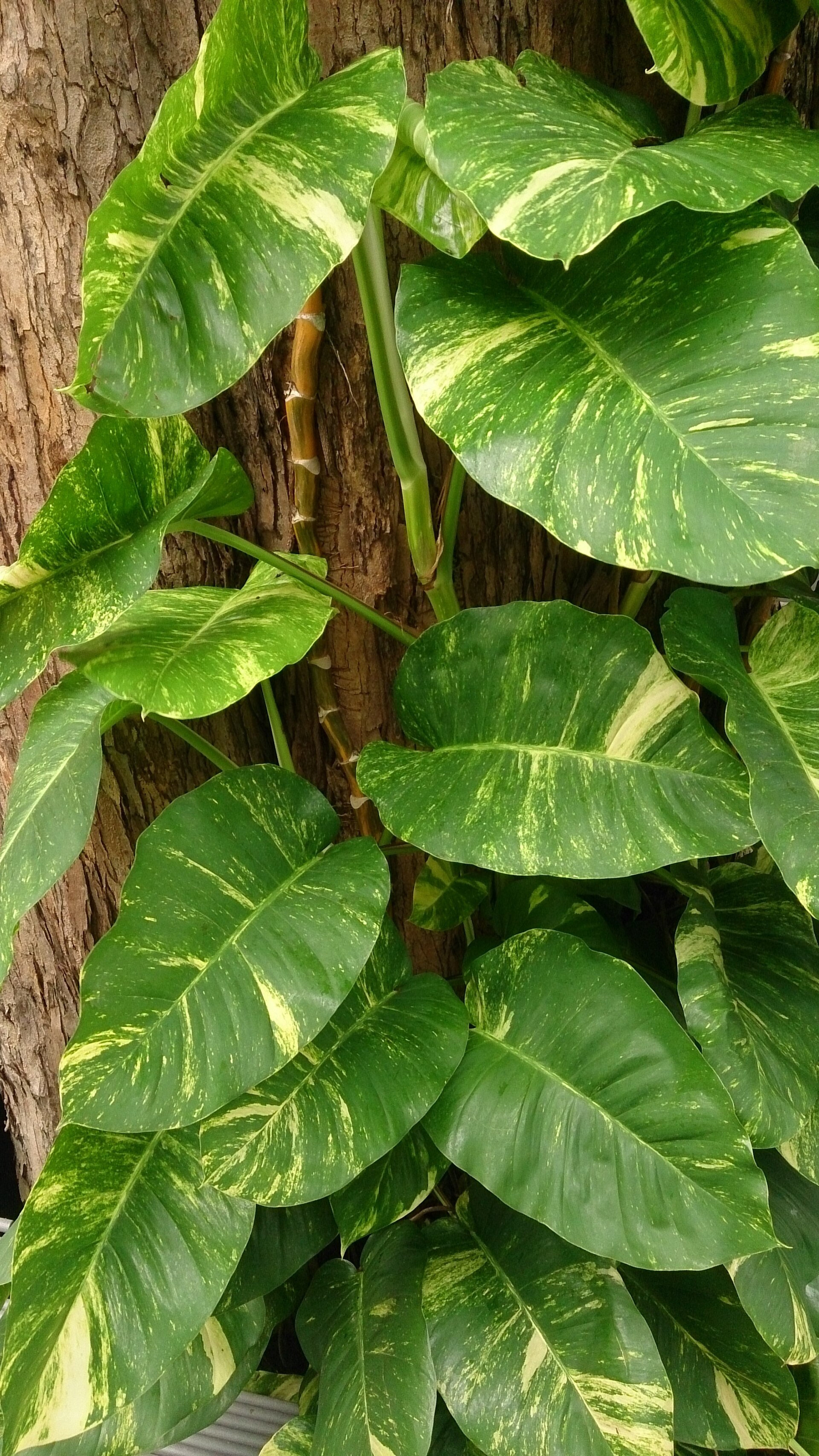
Anthurium is a lovely plant, and while we do not currently keep it at the farm, we would be glad to source a healthy one for you — just message us on WhatsApp and we will arrange it. If you want that glossy, easy indoor greenery right away, our money plant (pothos) is the most forgiving place to start — it thrives in the same bright, indirect light and shrugs off the odd missed watering. For more on keeping houseplants happy, see our indoor plant care guide and our pick of the best indoor plants for beginners.